





Victorian Sea Chest
When you look for a victorian sea chest, you find robust wooden travel trunks designed to endure long maritime journeys.
Victorian Sea Chest
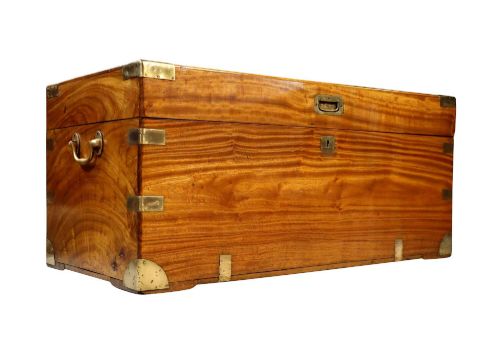
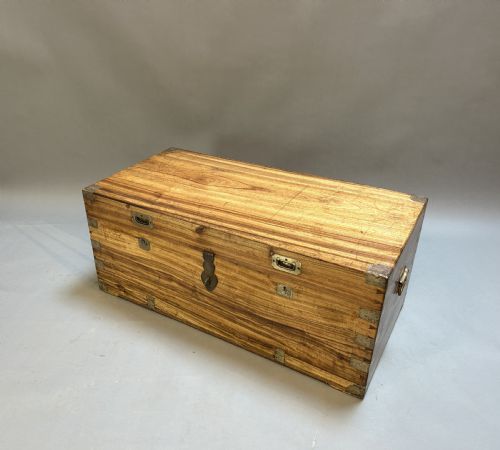
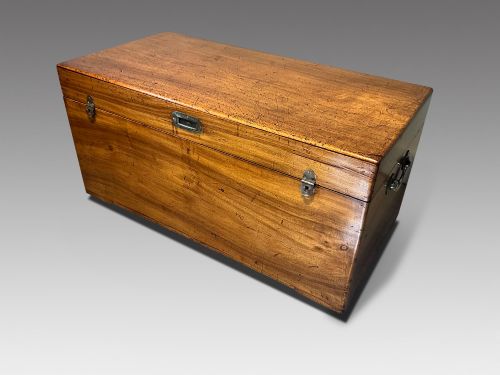
A victorian sea chest serves as a durable travel trunk, carpenter box or military campaign container designed for officers, sailors and travellers during the nineteenth century. These sturdy wooden repositories commonly double as blanket boxes or coffee tables in modern settings.
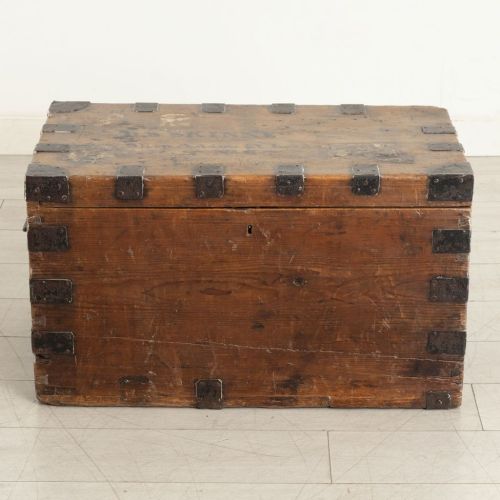
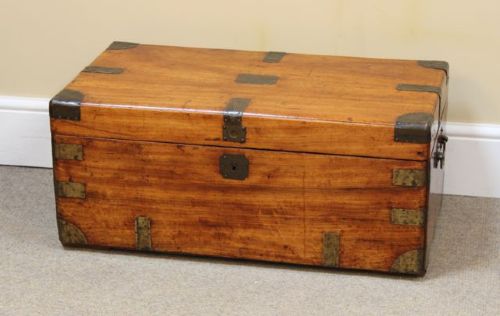
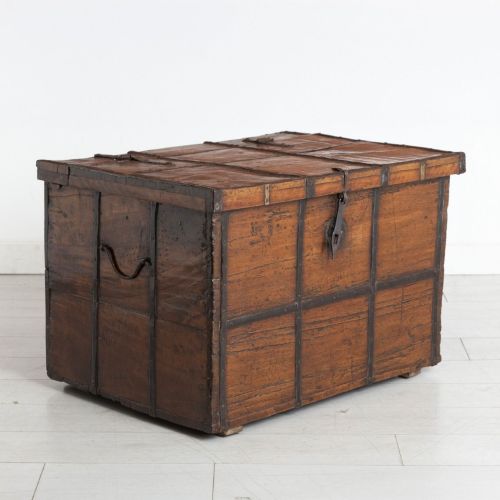
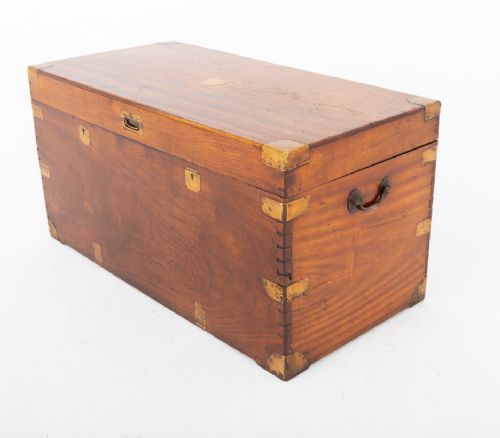
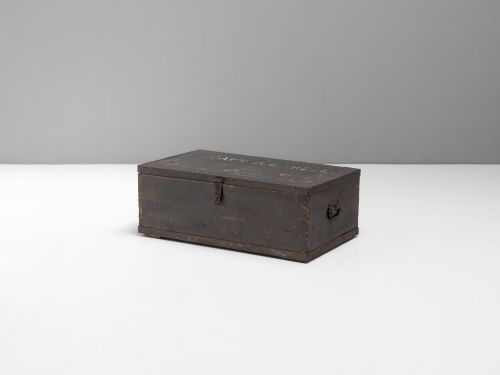
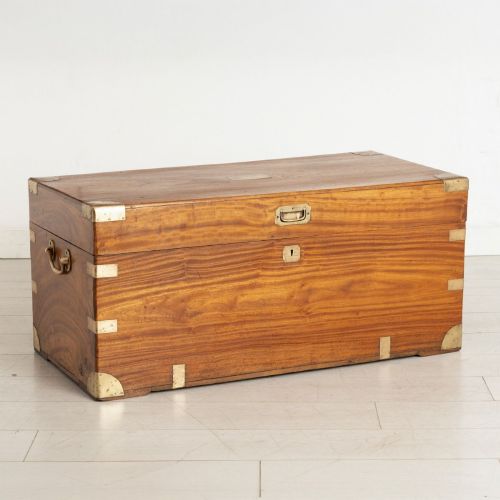
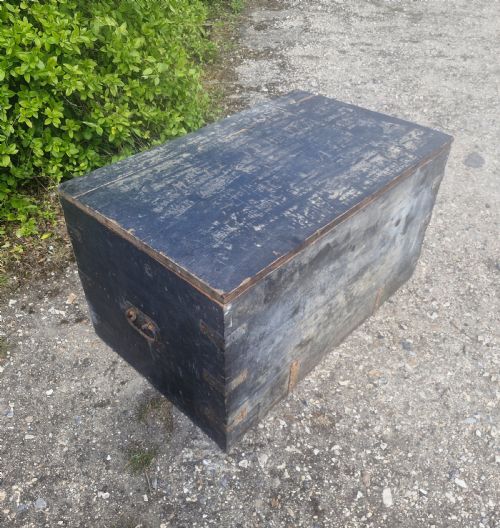
Camphor wood, pine and teak form the primary bodies of these trunks, frequently reinforced with brass or iron corners and carrying handles. Surviving examples range from plain utilitarian pine boxes to brass-bound camphor wood campaign chests equipped with fitted interiors and original keys.
How they were made
Carpenters constructed these boxes using solid timbers such as camphor wood, pine, teak, mahogany and oak, joined to withstand heavy transit and moisture. Camphor wood was selected for its insect-repellent properties, whilst pine and hardwoods provided structural strength for sea voyages.
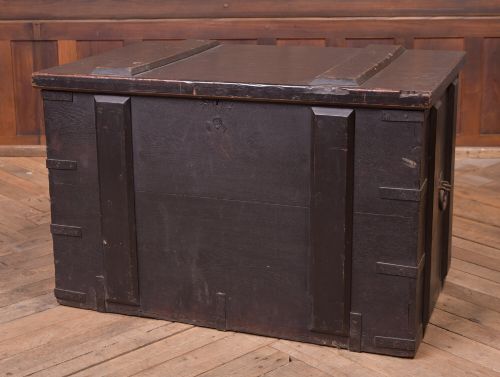
Metalwork played a critical functional role, with blacksmiths and cabinetmakers securing corners, edges and lids with brass strapwork or iron bindings. Recessed brass handles and durable hardware allowed officers and seamen to stow luggage securely aboard ships.
Victorian Sea Chest Retail Price Guide 2026
Typical asking prices for victorian sea chest among the pieces listed under this phrase on Sellingantiques today, from the lower quarter to the upper quarter. They describe what is for sale here now, not the wider market.
Listings feature 19th-century camphor wood, pine, teak, mahogany and oak chests fitted with brass or iron hardware.
What varies in quality
The choice of primary timber dictates much of the distinction between utilitarian pine storage boxes and high-grade campaign furniture. Fragrant camphor wood and dense teak command greater attention than standard painted pine travel trunks.
The integrity of original brass hardware, flush handles, corner braces and fitted internal compartments separates standard utility pieces from superior examples. Surviving keys, intact interior tills and unblemished brass mounts elevate the standing of a trunk.
Holland and Sons·George Waters·T L Aveling
The Victorian Sea Chest Glossary
- Campaign trunk
- A portable chest built for military officers on the move, typically fitted with recessed brass handles and corner brackets to endure harsh transport. These boxes were designed to dismantle or pack efficiently.
- Camphor wood
- An aromatic Southeast Asian timber prized for its distinctive scent and natural resistance to moths and insects. It was widely utilised for naval and military chests destined for tropical climates.
- Scumble pine
- A decorative paint technique applied to pine surfaces to imitate the grain of richer woods like oak or mahogany. Makers used this finish to impart a more expensive appearance to utilitarian travelling boxes.
- Till
- A small internal lidded compartment or sliding tray built inside a chest for storing small valuables, documents or personal items. This internal feature kept essential items separated from bulk blankets or clothing.
Victorian Sea Chest: Frequently Asked Questions
What is a victorian sea chest?
A victorian sea chest is a heavy wooden trunk used by sailors, soldiers and travellers during the nineteenth century to transport personal belongings across oceans and land.
These utilitarian boxes were constructed from durable timbers like camphor wood, pine and teak, often reinforced with brass or iron bindings to survive rough handling at sea.
How were sea chests used aboard ships?
Sailors and naval officers used these chests to store clothing, blankets, navigational instruments and personal valuables in cramped quarters.
The sturdy flat lids allowed the trunks to double as seating or tables within a cabin, whilst rope or metal drop handles kept the containers secure during heavy rolls.
Why use camphor wood for trunks?
Camphor wood was chosen because its strong natural aromatic oil repels moths, silverfish and other insects that damage stored textiles in humid climates.
This made the timber ideal for military officers and merchants travelling through tropical regions where dampness and pests ruined standard fabrics.
How do I clean a pine sea chest?
Dust the surface regularly with a dry cloth and occasionally feed the wood with natural beeswax to preserve the finish without harming the grain.
Avoid harsh modern chemical cleaners or excessive water, particularly on painted pine or antique hardware, to maintain the historical patina.