



Victorian Scroll Leg Table
These robust victorian scroll leg table designs offer practical utility and classical proportion, bringing nineteenth-century craftsmanship directly into modern interiors.
Victorian Scroll Leg Table
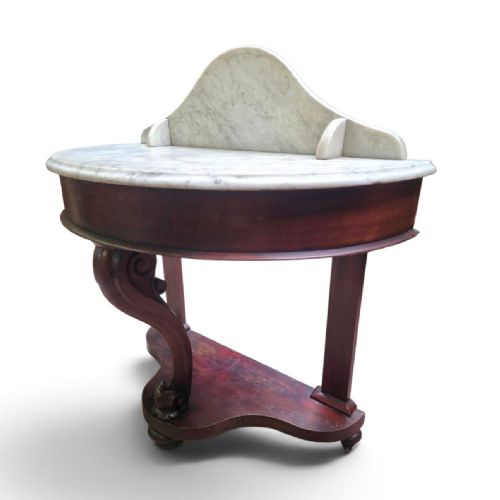
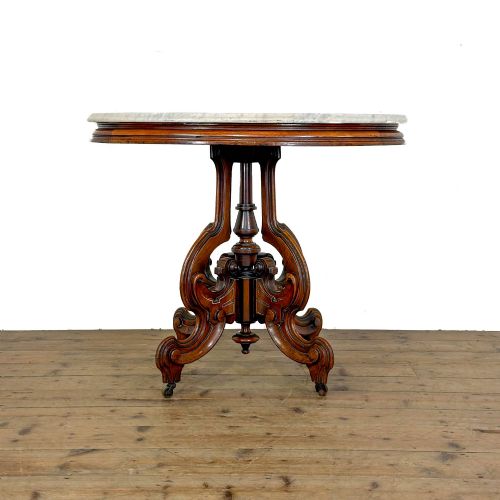
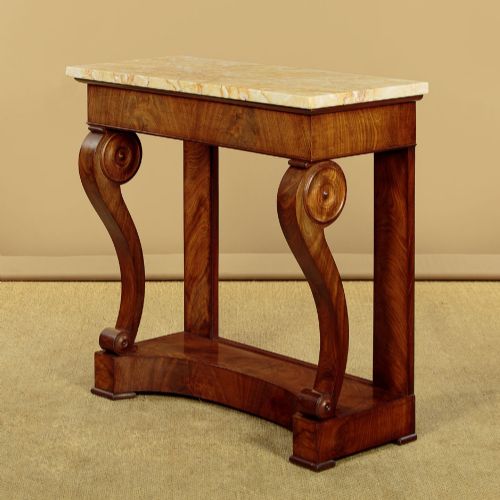
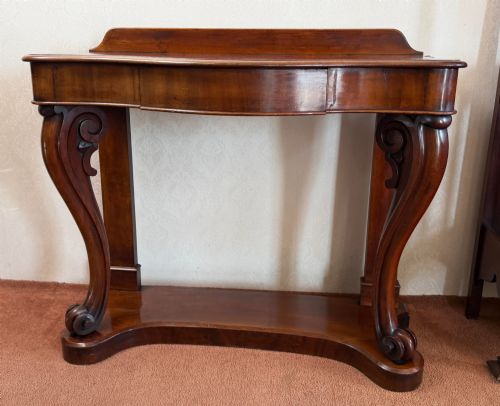
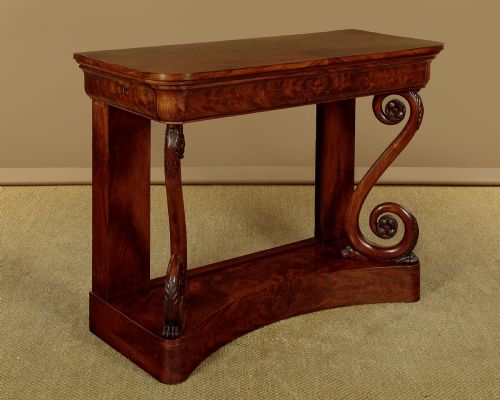
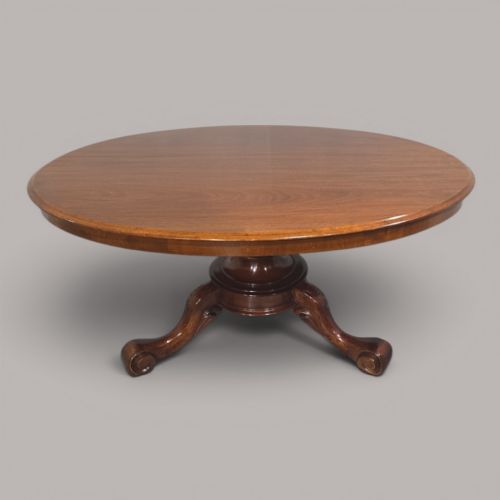
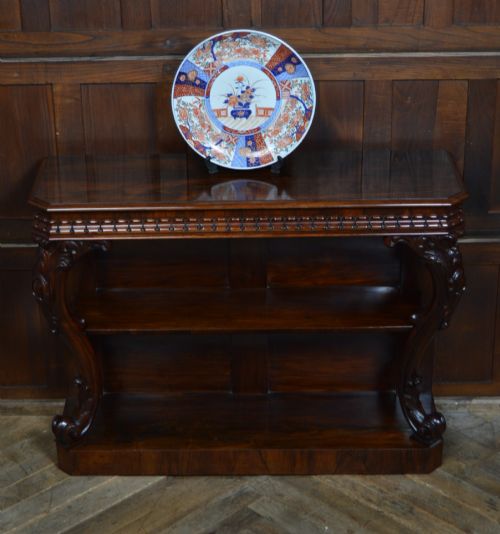
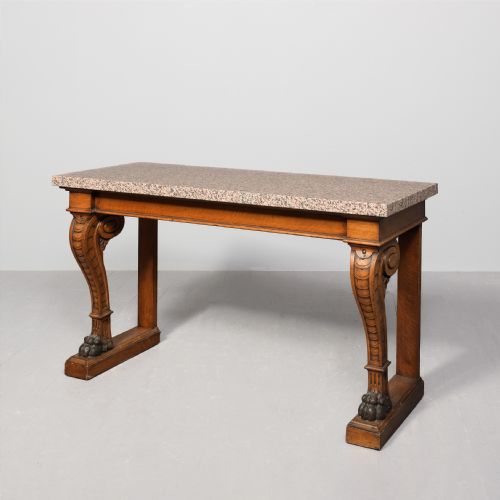
A victorian scroll leg table brings together nineteenth-century cabinet-making and distinct ornamental supports, most frequently appearing on side tables, centre tables, and console tables. Buyers searching this phrase encounter forms shaped during the nineteenth century, with mahogany and walnut serving as the primary timbers.
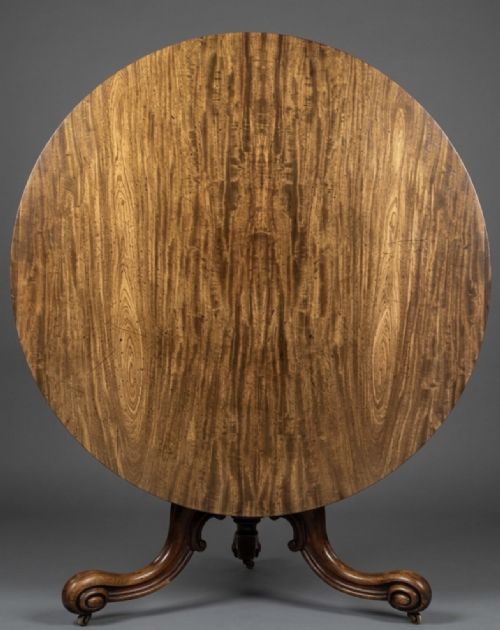
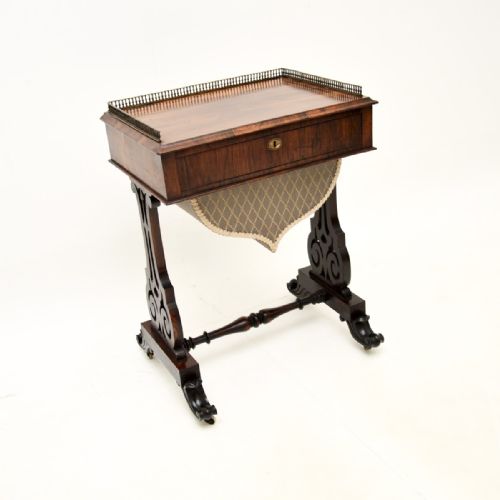
The selection ranges from circular breakfast tables and serpentine console tables to writing desks and occasional tables. Mahogany and rosewood examples dominate the current availability, alongside pieces featuring marble tops and burr walnut veneers.
Origins stretch across English workshops as well as French and Anglo-Indian traditions, showing how cabinet-makers adapted classical scrolls for different domestic settings. These tables functioned as central pieces for reception rooms or practical surfaces for parlours.
Materials and Construction Methods
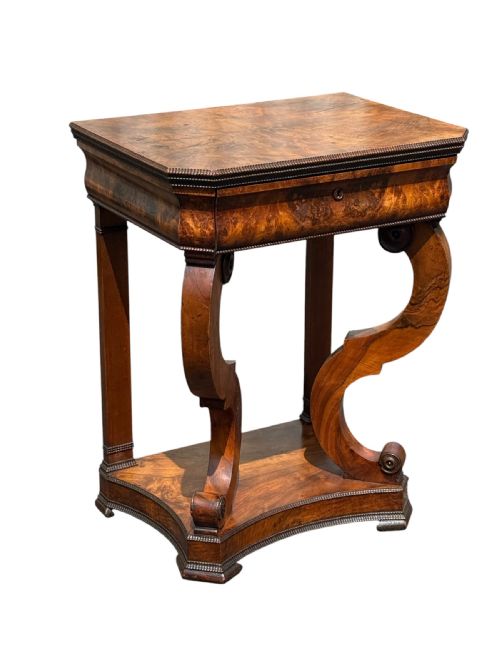
Cabinet-makers relied heavily on solid mahogany and walnut, frequently applying flame mahogany veneer or burr walnut to create rich surface patterns on table tops. Rosewood and padouk also appear in select tables, offering deeper colour and contrasting grain.
Scroll legs were carved from dense timbers or constructed with reinforced internal framing to support marble slabs, leather inserts, and heavy timber tops. Brass castors and ceramic fittings frequently finished the feet on freestanding centre tables.
Several tables include hidden folio stands and hexagonal specimen wood tops, proving Victorians loved organising their papers as much as their flora.
Distinctions in Quality and Execution
The sophistication of the timber figure and the crispness of the carved scrollwork separate standard production from superior cabinet-making. Tables featuring figured walnut, flame mahogany, or detailed marquetry inlay represent more ambitious workshop output.
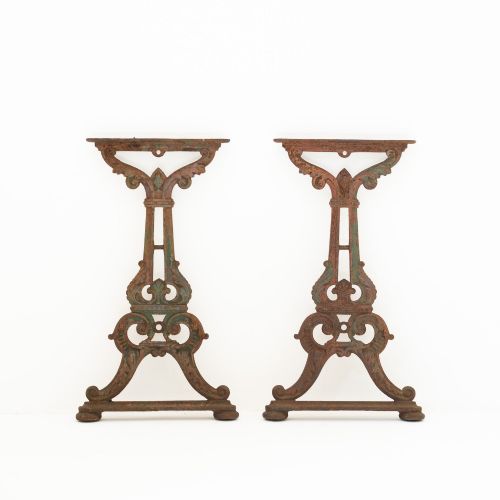
Structural integrity depends on how cleanly the legs join the frieze and whether original brass or cast iron elements remain intact. Higher quality items maintain balanced proportions between the heavy table base and the top surface.
Robert Strahan·Alexander McKenzie of Glasgow
The Victorian Scroll Leg Table Glossary
- Scroll leg
- A furniture support shaped in a curving, scroll-like profile reminiscent of a rolled scroll or classical bracket. This form provides both decorative weight and structural stability.
- Centre table
- A freestanding table designed to stand away from walls so that it can be viewed from all sides. These pieces often feature finished grain patterns across the entire top.
- Console table
- A table designed to stand against a wall, frequently secured with brackets or supported by front scroll legs. They often feature marble tops.
- Burr walnut
- Timber taken from the warted growths on walnut trees, yielding highly figured and complex grain patterns. Cabinet-makers used it as a veneer on high-status tables.
- Pier table
- A low table designed to sit against the wall beneath a pier glass mirror. These tables often incorporated marble tops and decorative carved bases.
Victorian Scroll Leg Table: Frequently Asked Questions
Where did these tables stand?
Victorian scroll leg tables were placed in prominent reception spaces, hallways, and drawing rooms where their decorative bases would be visible. Centre tables stood in the middle of rooms, while console and pier tables rested against walls beneath mirrors.
Smaller occasional and writing tables found use beside seating areas or within private studies, serving specific domestic tasks while matching the heavier furniture of the period.
How do I care for polished wood?
Maintain polished mahogany and walnut surfaces by keeping them away from direct sunlight and sudden changes in room humidity. Regular dusting with a soft, dry cloth preserves the original sheen without building up chemical residues.
Avoid placing damp items or unsealed containers directly on timber or veneer to prevent staining the traditional shellac or wax finishes.
What distinguishes a console table?
Console tables are built specifically to be positioned flat against a wall, often featuring a finished front and sides while the back remains plain. They frequently incorporate heavy marble slabs on top to balance the decorative scroll legs below.
Unlike freestanding centre tables, console tables rely on wall proximity or supplementary fixings for absolute stability.
How are different wood types identified?
Mahogany displays a reddish-brown tone with a straight or slightly interlocking grain, whereas walnut tends towards a richer chocolate brown with darker figuring. Burr walnut and flame mahogany exhibit swirling, highly decorative patterns created by specific cuts of veneer.
Rosewood and padouk offer heavier, denser weight with deep purplish-brown colours and distinct natural oils visible in the grain.