


Victorian Salt Glazed Vessel
A victorian salt glazed vessel is a sturdy utilitarian object turned into a display piece through high-heat firing and chemical salt reaction.
Victorian Salt Glazed Vessel
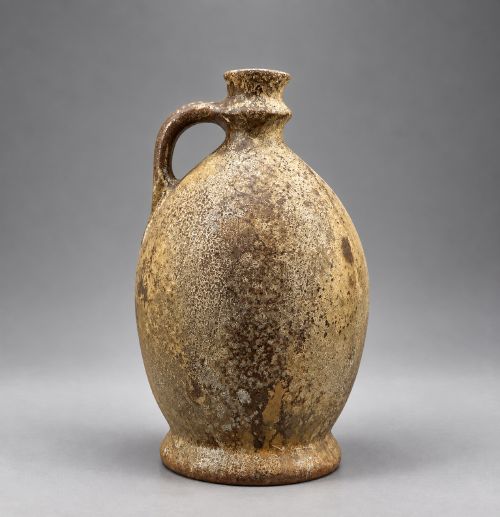
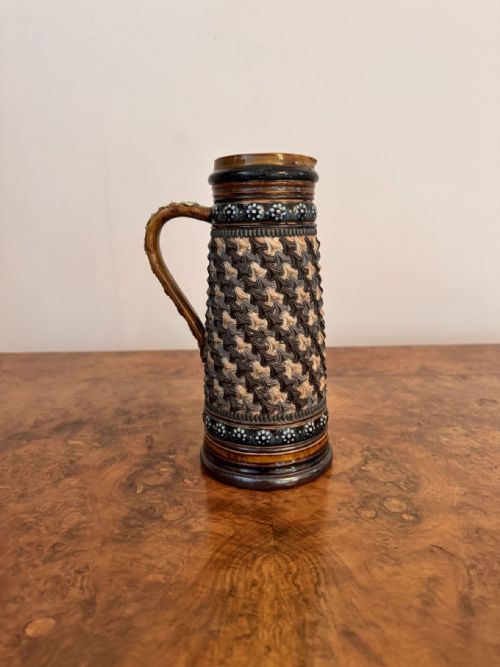
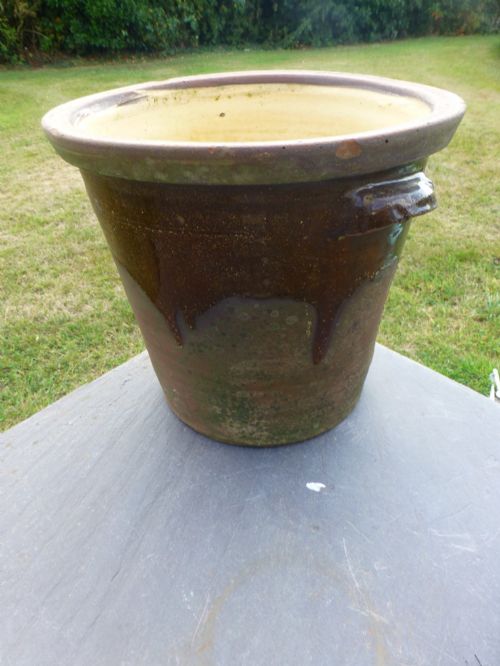
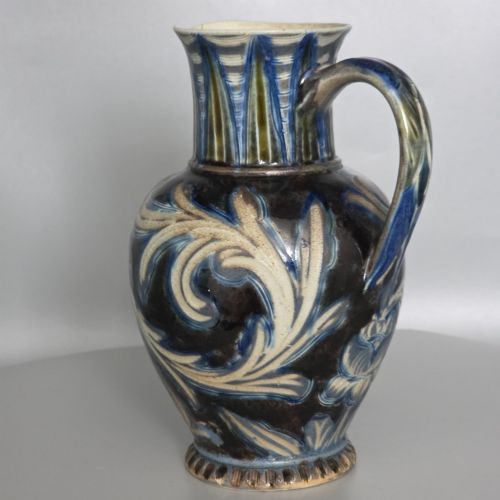
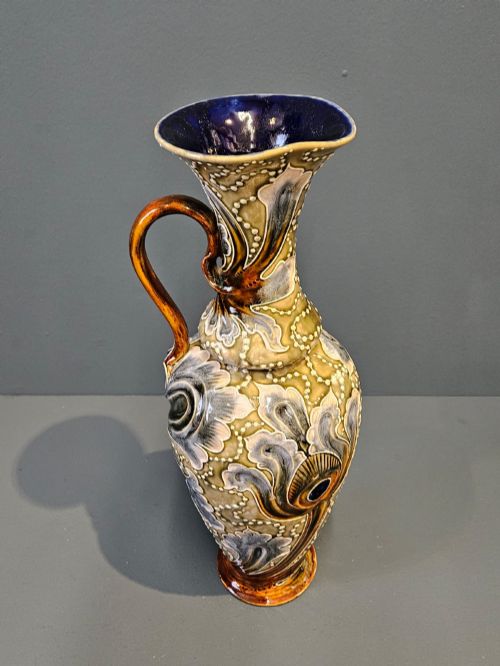
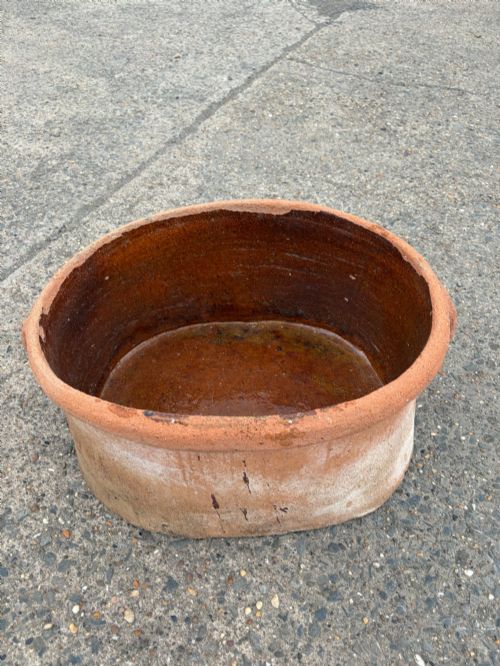
A victorian salt glazed vessel on this page typically appears as a dense ceramic container intended for practical household utility or display. These pieces range from substantial kitchenalia and storage crocks to finely incised decorative jugs and ewers.
The selection reflects both industrial utility and domestic arts, featuring robust stoneware barrels alongside refined art pottery vases. Makers utilised durable clay bodies suited to holding liquids and preserves, resulting in heavy, resilient vessels.
Most items date from the latter half of the nineteenth century, capturing a period when utilitarian pottery gained artistic ambition. Buyers encounter everything from simple regional salters to exhibition-quality presentation pieces bearing factory stamps.
Materials and production methods
Potters built these pieces using dense stoneware and terracotta clays capable of withstanding extreme kiln temperatures. The body material provided a non-porous foundation necessary for vessels designed to hold liquids or foodstuffs.
During the peak of the firing process, common salt was shovelled directly into the kiln fires, vaporising and reacting with the silica in the clay. This chemical union produced the characteristic textured glaze, often described as having an orange-peel finish.
Decoration often involved incised patterns, applied sprigged reliefs, or metallic mounts added after the firing process. Artisans combined these techniques to elevate simple utilitarian forms into decorative works.
Some nineteenth-century tavern patrons faced humiliating splashes from puzzle jugs while trying to decipher the secret path to the liquor.
Distinctions in quality
The artistic ambition of the decoration separates standard utilitarian storage items from exhibition pieces. Hand-incised ornament and careful sprigged detailing indicate a higher level of workshop attention than plain production ware.
The clarity and evenness of the salt glaze texture define the visual appeal of the surface. A well-controlled firing yields a consistent pebbled finish across the entire ceramic body without excessive dry spots or kiln distortion.
The inclusion of factory stamps, artist signatures, or precious metal mounts adds documentary weight and craftsmanship value. Pieces associated with notable ceramic studios demonstrate superior throwing and finishing standards.
Doulton Lambeth·Emily Stormer·C and A Painter·Dee Filter Company
The Victorian Salt Glazed Vessel Glossary
- Salt glaze
- A vitreous coating formed by throwing common salt into the kiln during high-temperature firing. This creates a durable, slightly pitted surface resembling orange peel.
- Stoneware
- A heavy, dense ceramic fired at high temperatures until vitrified and completely non-porous. It requires no internal glaze to hold liquids securely.
- Sprigged relief
- A decorative technique where separately moulded clay motifs are applied to the wet surface of a vessel before firing. These raised details provide textural contrast against the body.
- Jardiniere
- A large ornamental pot or stand designed to hold a potted plant. These vessels often feature rich surface decoration suited for interior display.
- Puzzle jug
- A drinking vessel with a perforated neck and multiple spouts designed to confound the drinker. Users must cover hidden holes with their fingers to drink without spilling.
Victorian Salt Glazed Vessel: Frequently Asked Questions
How were these vessels used originally?
These vessels served primarily practical roles in nineteenth-century domestic and commercial life, functioning as storage crocks, water filters, and tavern jugs. Households relied on their chemical resistance to store liquids, preserves, and foodstuffs safely.
Over time, forms like vases and jardiniere shifted toward purely decorative purposes within the Victorian home. Even utilitarian pieces eventually transitioned from pantry staples to collected ornaments.
How do I clean a salt glazed vessel?
Cleaning requires only warm water and a mild detergent applied with a soft cloth or sponge. Avoid harsh scouring pads that can scratch the historic glaze or damage applied surface details.
Because stoneware is dense and vitrified, it does not absorb moisture easily, but old interiors benefit from gentle rinsing rather than harsh chemical soaking.
How can I date these ceramic pieces?
Dating relies heavily on factory stamps, stylistic cues, and known operating periods of the potteries involved. Mid-to-late nineteenth-century pieces often bear specific impressed marks or registration dates that narrow down their creation.
Comparing the heaviness of the form and the style of the incised decoration against documented examples helps confirm the decade of production.
Where should I display them at home?
These vessels suit sturdy wooden surfaces like sideboards, kitchen dressers, or open shelving where their heavy weight is supported safely. Their neutral earthy tones and textured surfaces complement rustic and traditional interior schemes alike.
Placing them away from high-traffic edges protects their historical integrity while allowing the salt glaze texture to catch natural light.