




Victorian Safe Chest
These robust victorian safe chest pieces combine hidden security with period furniture, offering heavy iron and timber protection for valuables.
Victorian Safe Chest
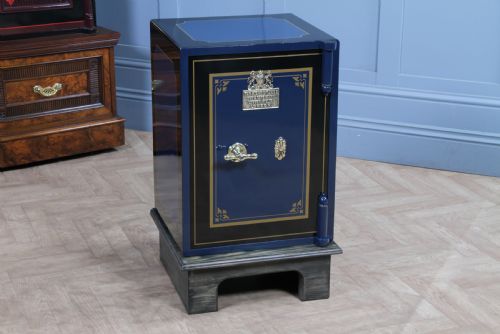
A victorian safe chest bridges the gap between domestic furniture and industrial security, housing iron mechanisms within timber cabinetry or standing as solid metal boxes. Buyers encounter examples ranging from oak and iron-bound silver chests to heavy cast iron locking safes and walnut safe Wellington chests.
The selection includes specialised storage forms such as travelling silver chests, goldsmith strong boxes, and banker's drawers with safe cupboard pedestals. Most pieces originate from the Victorian and nineteenth century periods, with occasional Edwardian and Regency variations appearing in walnut, mahogany, rosewood, and oak.
How They Were Made
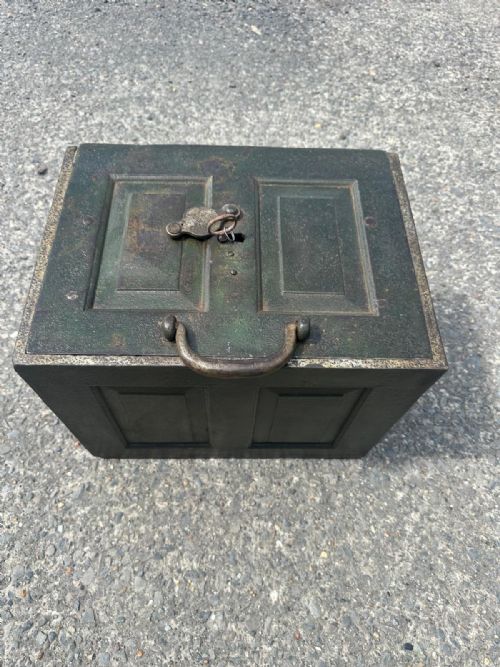
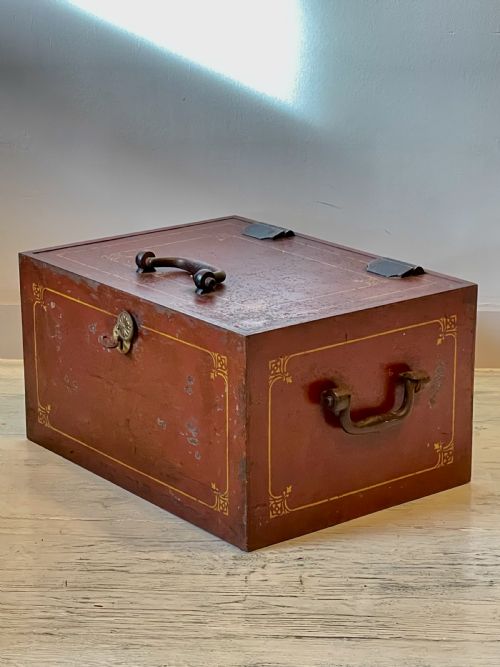
Maker construction relies on heavy cast iron, steel, and brass for internal locking mechanisms and protective plating, paired with structural timber carcases in oak, mahogany, walnut, and rosewood. Iron-bound corners, metal straps, and bronze details reinforce the outer cases of travelling silver chests and strongboxes.
Joinery and metalworking combine to conceal locking bolts, secret letter compartments, and fitted interior trays behind panelled wooden doors or heavy iron lids. Surviving pieces retain original keys, brass maker plaques, and patinated surfaces achieved through decades of handling.
Several trunks still hide secret letter compartments, designed for letters marked only for ladies' eyes.
What Varies In Quality
Quality rests on the integrity of the original cast iron locking mechanism, the presence of an operable original key, and the preservation of the maker's signature or retailer mark. Pieces carrying stamps from known makers exhibit superior casting detail and more complex internal lever arrangements.
The grade of timber selection and metal banding sets finer furniture-grade cabinets apart from utilitarian strongboxes. Fully restored examples with intact fitted interiors, original bronze hardware, and well-maintained wood finishes represent the upper tier of the range.
Tanns Defiance London·Elkington·S Mordan Co·Milners of Liverpool·George Price·John Port of Manchester·Thomas Hudson of Manchester
The Victorian Safe Chest Glossary
- Silver chest
- A heavy timber storage trunk, frequently bound in iron or brass, designed for transporting and securing household silver. These containers often feature fitted internal trays lined for cutlery preservation.
- Strongbox
- A secure metal or iron-bound box utilised for holding currency, documents, or valuables. They rely on heavy cast iron locks and robust handles for transport.
- Wellington chest
- A tall, narrow timber chest featuring a vertical locking strip down one side that secures all drawers simultaneously. When combined with safe elements, it conceals secure storage behind conventional proportions.
- Patent safe
- A secure storage container manufactured under a specific mechanical patent, indicating improved lock design and fire-resistant or drill-resistant wall construction.
Victorian Safe Chest: Frequently Asked Questions
What is a victorian safe chest?
A victorian safe chest is a secure storage piece combining iron or steel locking mechanisms with nineteenth-century cabinetmaking in oak, mahogany, or walnut.
These items range from domestic silver chests to heavy industrial deposit boxes disguised as everyday furniture.
How were silver chests used?
Silver chests were utilised by affluent households to store and transport valuable dining silver, flatware, and hollowware safely.
Many featured fitted compartments and heavy iron carrying handles for transit between town houses and country estates.
Are original keys usually included?
Many surviving pieces retain their original working keys, though some older cast iron locks require specialist attention if keys are absent.
Keys for these strongboxes often feature complex bit patterns corresponding to heavy lever locks inside.
How do I distinguish periods?
Nineteenth-century pieces display heavier cast iron construction and robust oak framing, while Regency examples lean toward refined brass and bronze details.
Edwardian variations tend to feature lighter oak cabinet work adapted for modern office or domestic filing needs.