



Victorian Royal Memorabilia Ceramic
These victorian royal memorabilia ceramic pieces capture nineteenth-century public devotion through portrait figures, jugs, and flasks.
Victorian Royal Memorabilia Ceramic
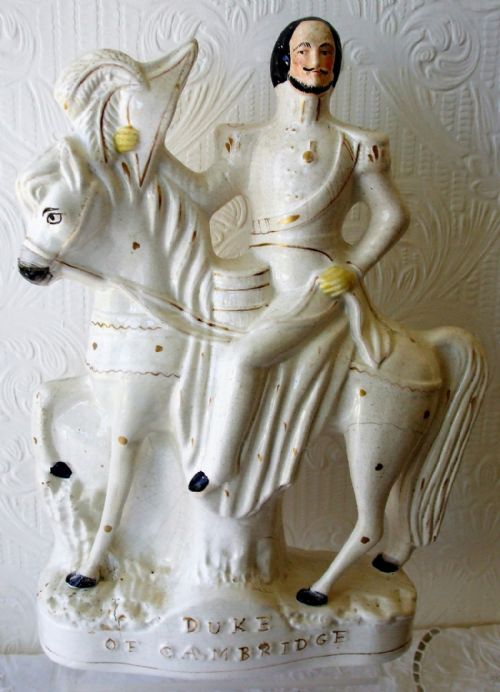
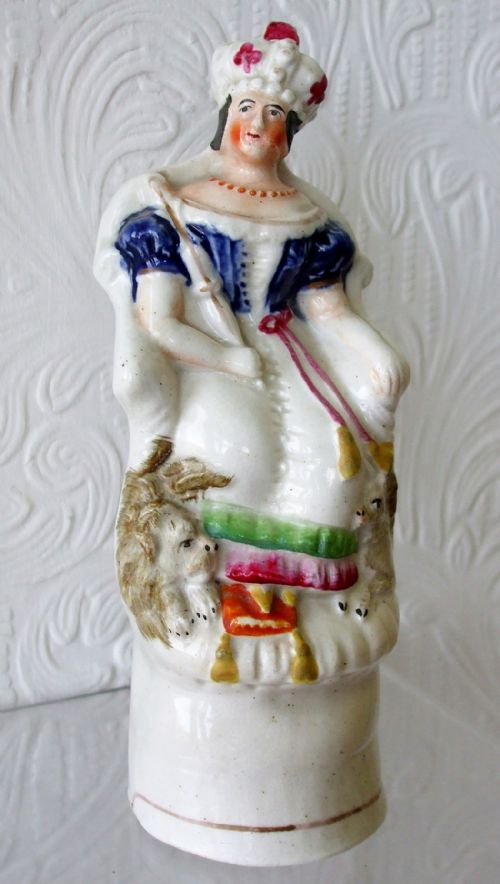
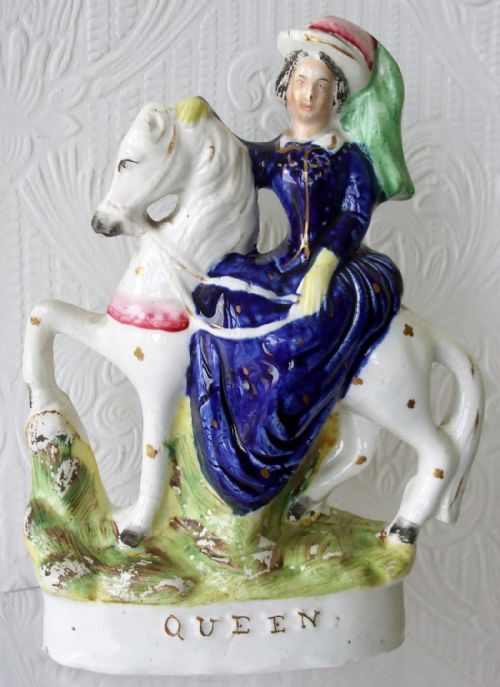
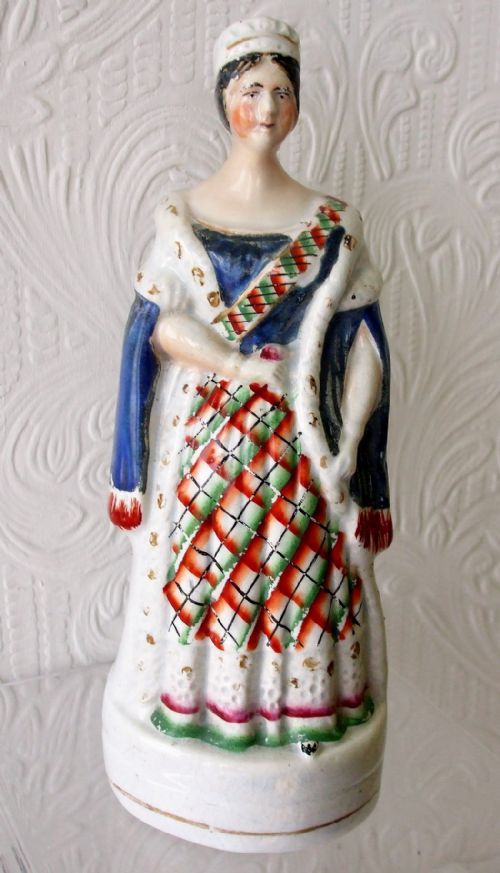
Victorian royal memorabilia ceramic pieces are portrait figures, commemorative jugs, and flasks created to honour members of the British royal family during the nineteenth century. When searching for victorian royal memorabilia ceramic, a buyer encounters Staffordshire pottery figures of Queen Victoria, Prince Albert, and various royal children alongside Doulton vessels.
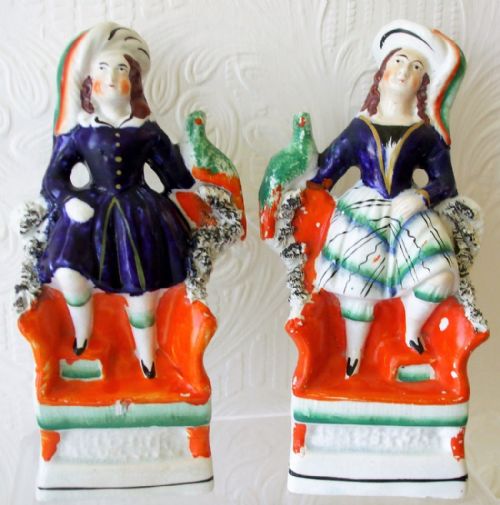
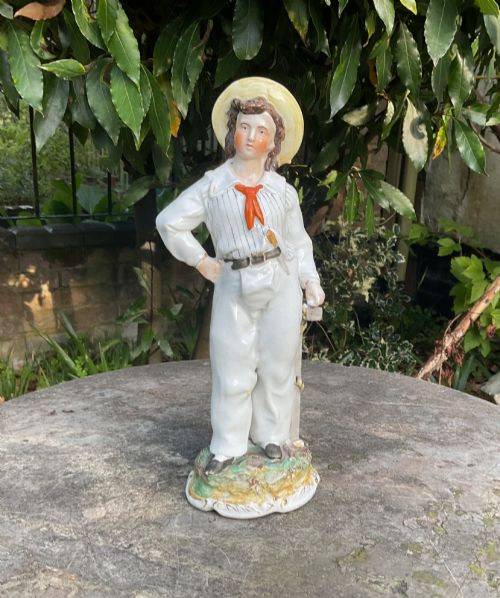
The most common forms on this page are Staffordshire flatback figures depicting Queen Victoria, often shown alongside Prince Albert or family members. These earthenware pieces served as mantelpiece ornaments in nineteenth-century homes to display loyalty to the crown.
Materials and Techniques
Potters shaped these objects primarily from earthenware and stoneware using traditional moulding and casting techniques. Earthenware figures received hand-painted enamel colours and gilt highlights over a glaze.
Stoneware vessels like the Doulton whiskey flasks and jubilee jugs utilise salt glazing and brown glaze finishes. Some pieces incorporate additional elements such as silver plate and cork stoppers.
Victorian Royal Memorabilia Ceramic Retail Price Guide 2026
Typical asking prices for victorian royal memorabilia ceramic among the pieces listed under this phrase on Sellingantiques today, from the lower quarter to the upper quarter. They describe what is for sale here now, not the wider market.
Listings feature earthenware and stoneware pieces from the nineteenth century, including works by Doulton Lambeth and Staffordshire potteries.
Quality Variations
The depth of historical detail, such as clear titling and well-defined uniforms or robes, distinguishes superior portrait figures. Doulton productions vary according to the clarity of their moulded motifs and the consistency of their glazes.
Doulton Lambeth·Royal Doulton
The Victorian Royal Memorabilia Ceramic Glossary
- Flatback
- A figure moulded with a detailed front and a flat, unpainted reverse designed to sit against a wall or mantelpiece. This construction was standard for nineteenth-century Staffordshire pottery.
- Earthenware
- A porous pottery body fired at lower temperatures and glazed to ensure it holds form. It serves as the primary material for Victorian Staffordshire portrait figures.
- Stoneware
- A dense, impermeable ceramic fired at higher temperatures and often salt-glazed. It provides durability for utility vessels like flasks and jugs.
- Glaze
- A glassy coating fused to the ceramic body through firing to seal the porous clay. It protects the painted enamel underneath and gives the piece its sheen.
Victorian Royal Memorabilia Ceramic: Frequently Asked Questions
What do Staffordshire figures depict?
Staffordshire figures portray members of the British royal family including Queen Victoria, Prince Albert, and various princes and princesses. These portrait pieces served as patriotic mantelpiece ornaments.
Potters created them to commemorate royal weddings, jubilees, and public interest in the monarchy during the nineteenth century.
How were jubilee jugs used?
Jubilee jugs functioned as both decorative display items and functional vessels for serving liquids during royal celebrations. Their commemorative designs marked specific historical anniversaries.
Owners typically showcased these ceramic pieces in domestic settings to demonstrate allegiance to the crown.
Are these pieces hand-painted?
Makers shaped the figures in moulds before applying enamel colours and gilt highlights by hand. This decorative work accounts for the individual variations found across portrait figures.
The application of paints over the glaze distinguishes this traditional nineteenth-century Staffordshire technique.
How do I identify flatbacks?
Flatback figures feature fully modelled fronts with detailed uniforms or dresses and a flat, unglazed or plain reverse. This construction allowed the pottery to sit flush against a wall or shelf.
They represent the dominant form of Victorian portrait ceramics on this page.