

Victorian Portrait Ceramic Figure
These Victorian portrait ceramic figures bring royals, generals and performers directly from nineteenth-century parlours into modern homes.
Victorian Portrait Ceramic Figure
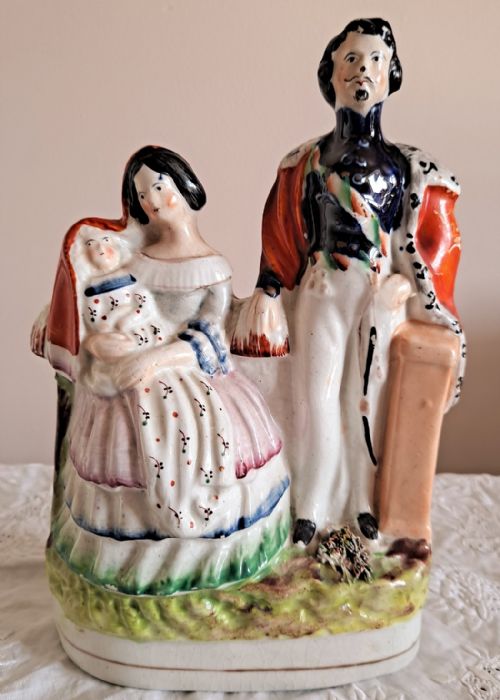
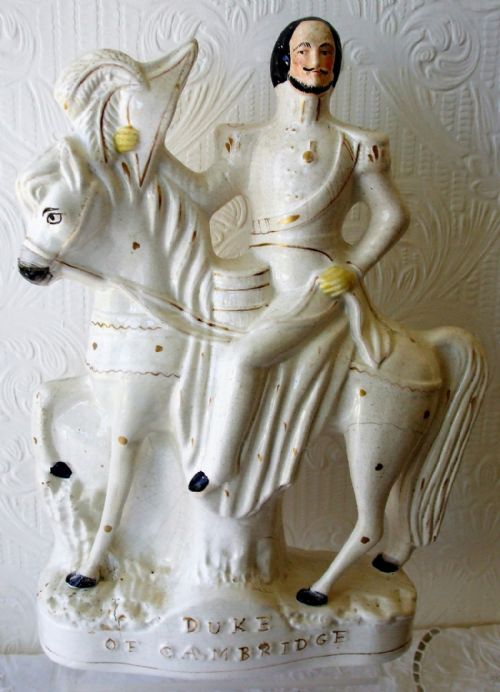
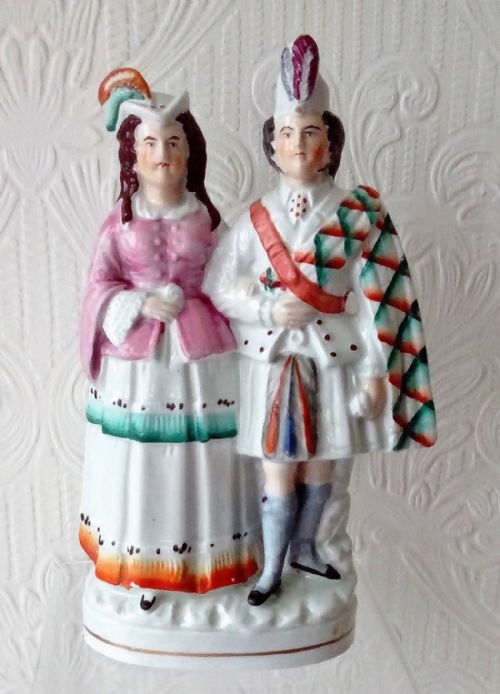
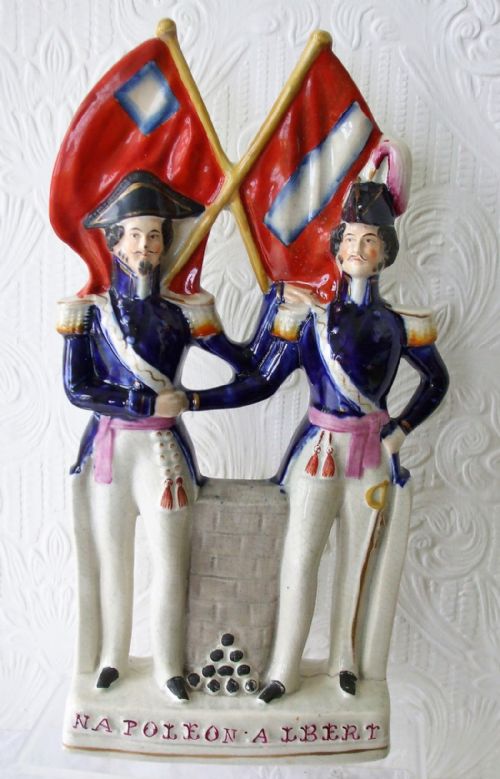
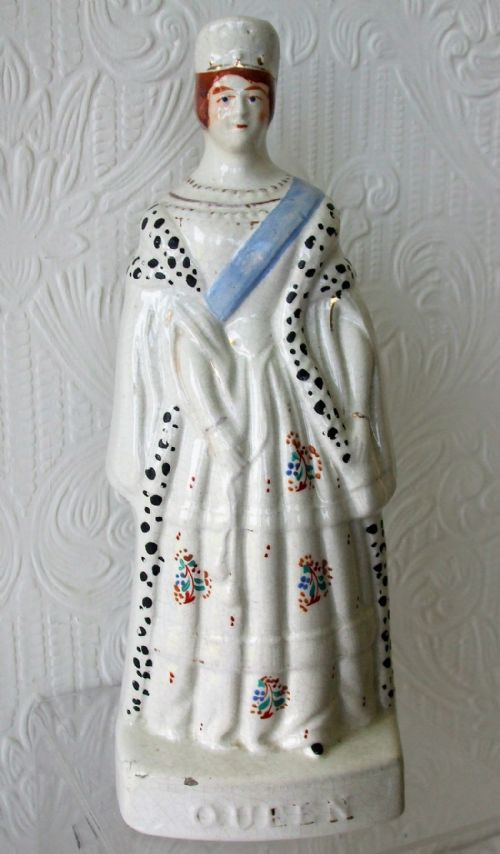
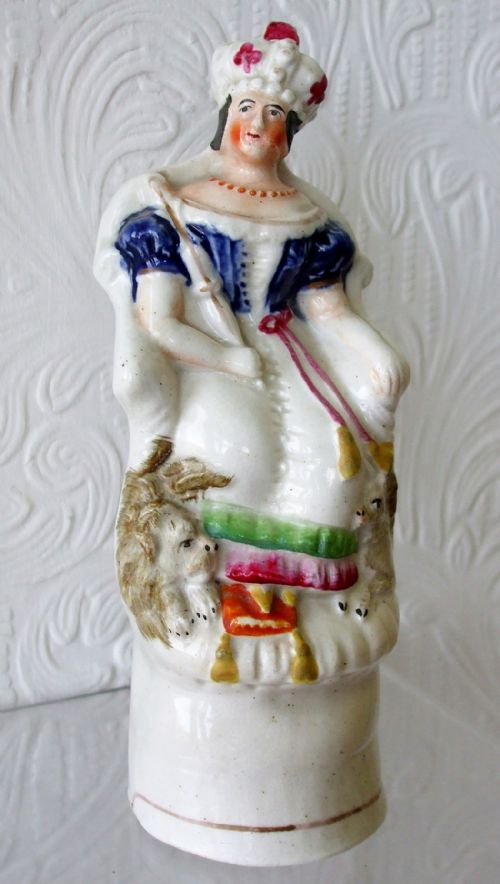
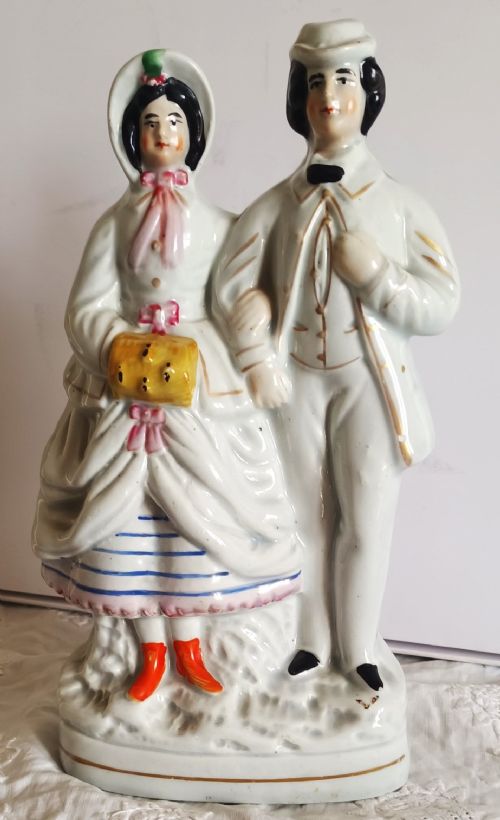
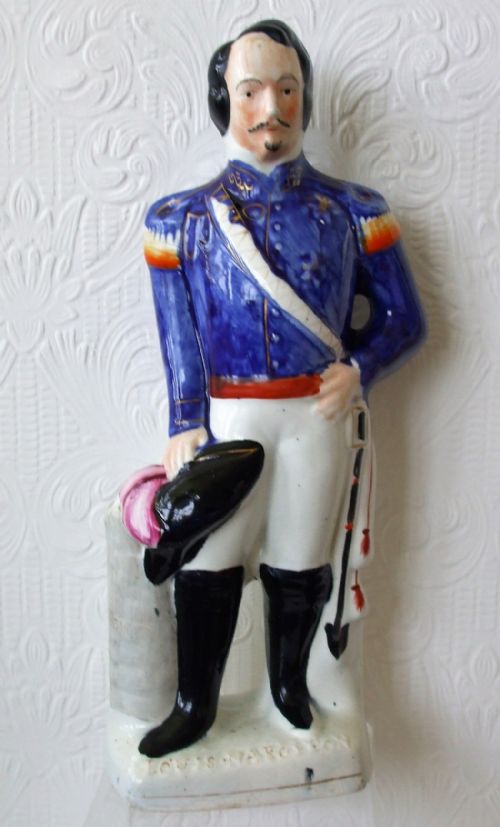
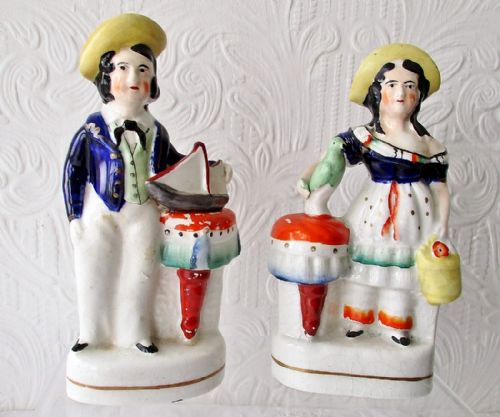
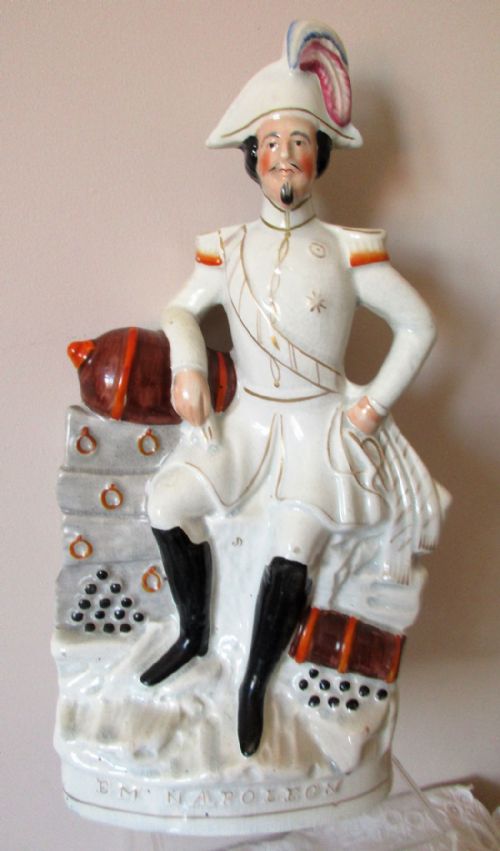
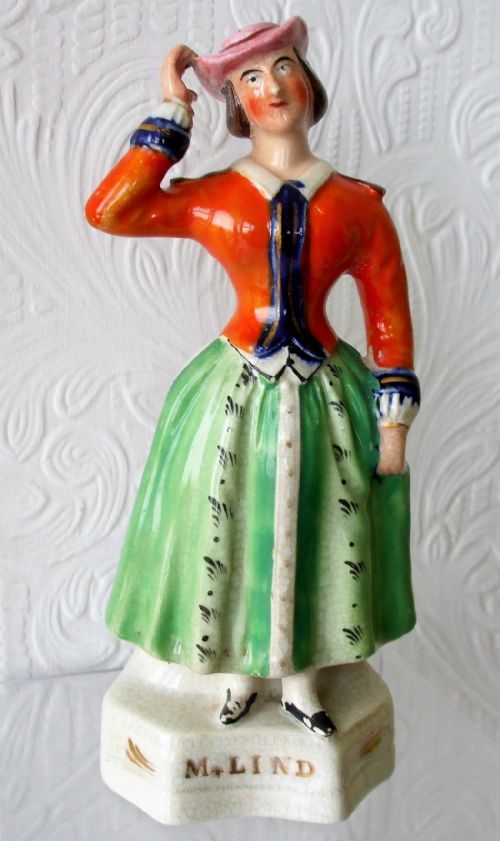
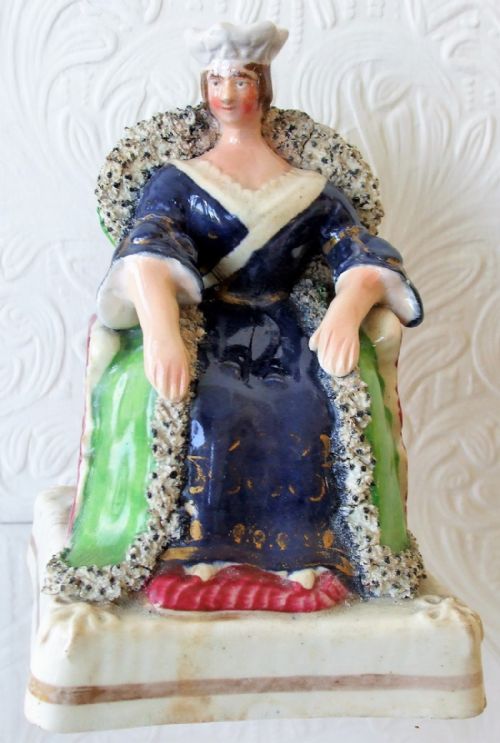
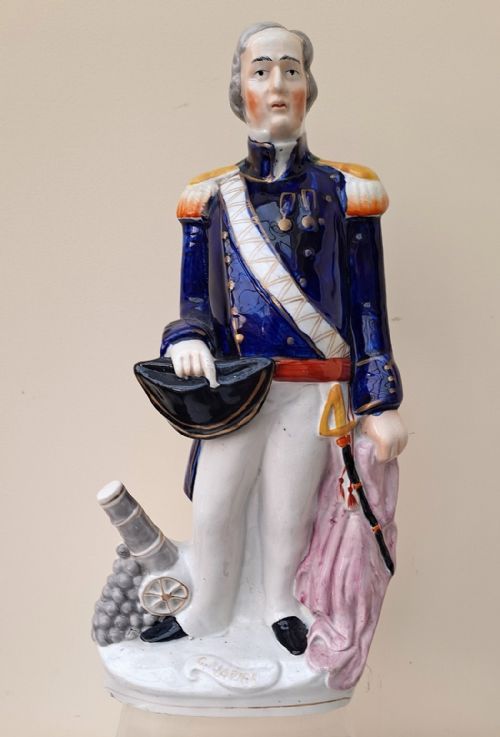
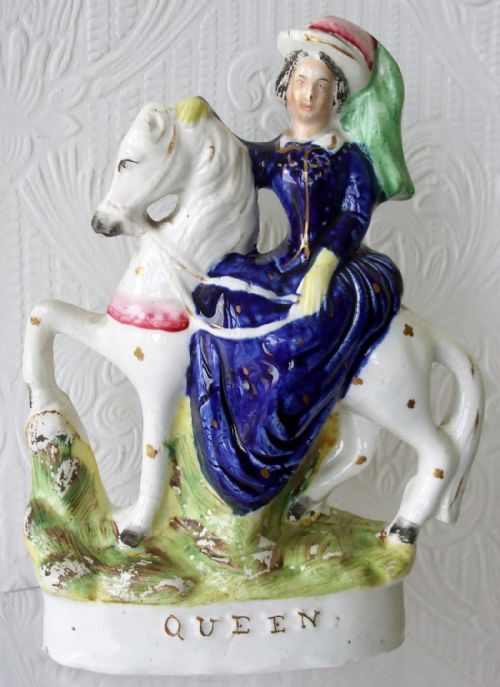
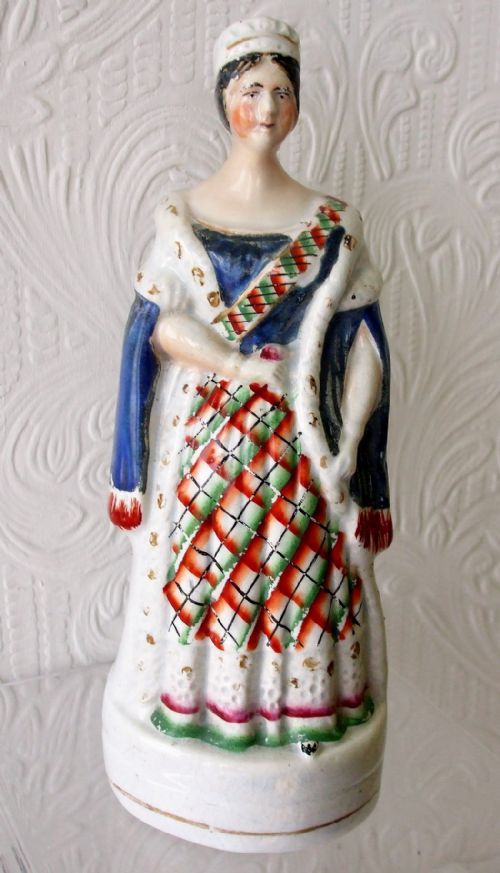
When you search for a victorian portrait ceramic figure, you are looking at nineteenth-century earthenware and porcelain likenesses of monarchs, military leaders, evangelists and literary characters. The most common form on this page is the Staffordshire flatback figure, designed to stand neatly against a wall on a mantelpiece or shelf.
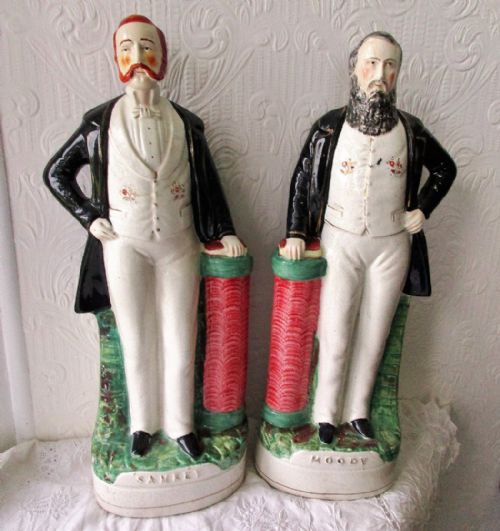
Subjects range from British royalty such as Queen Victoria and the Prince of Wales to continental figures like Napoleon III and religious revivalists like Moody and Sankey. Many pieces celebrate marriages, alliances or political events, capturing public figures in permanent ceramic form.
Moulding, glaze and enamel colour
Potters shaped these figures using press moulds, joining front and back sections before applying a smooth lead glaze to the earthenware body. Some finer works utilise parian ware, a porcelain biscuit that mimics carved marble.
Victorian Portrait Ceramic Figure Retail Price Guide 2026
Typical asking prices for victorian portrait ceramic figure among the pieces listed under this phrase on Sellingantiques today, from the lower quarter to the upper quarter. They describe what is for sale here now, not the wider market.
At least one nineteenth-century potter carved Benjamin Franklin into a mould and labelled the finished figure as Washington.
Modelling, painting and preservation
Quality depends upon the crispness of the moulding and the skill of the hand-painting, separating finely detailed facial expressions from hasty, blurred brushwork. Well-preserved enamel and minimal wear to the gilt or gold leaf elevate a piece.
The clarity of the applied lettering identifying the subject also marks the distinction between standard workshop output and superior studio examples.
Copeland
The Victorian Portrait Ceramic Figure Glossary
- Staffordshire flatback figure
- A pottery figure modelled with a detailed front and a flat, unpainted or simply glazed back intended to face a wall. These objects formed the backbone of nineteenth-century mantelpiece decoration.
- Parian ware
- A fine-grained, unglazed porcelain developed in the nineteenth century to imitate carved marble. It is frequently found in busts of royalty and literary characters.
- Lead glaze
- A glossy coating applied to earthenware before firing to seal the porous clay and enhance the colours of the underlying enamel paint.
- Enamel paint
- Opaque vitreous colours applied over the glaze and fired at a lower temperature. It provides the bright reds, blues and greens seen on nineteenth-century portrait figures.
- Gilt
- A thin layer of gold or gold-like material applied to highlight lettering, crowns and uniform details. Its preservation helps indicate the handling history of a figure.
Victorian Portrait Ceramic Figure: Frequently Asked Questions
What are Staffordshire flatback figures?
Staffordshire flatback figures are nineteenth-century earthenware pottery pieces moulded with decorated fronts and flat backs. They were made to sit flush against walls on mantels and shelves.
Potters created them to commemorate royals, military heroes and contemporary celebrities for ordinary households.
Who do these figures depict?
These figures depict British monarchs, European leaders, military commanders, missionaries and literary characters. Common subjects include Queen Victoria, Napoleon III, and evangelists Moody and Sankey.
Many pieces also mark specific historical events, such as royal weddings or military alliances.
What is parian ware?
Parian ware is a type of fine nineteenth-century porcelain designed to look like carved white marble. It was often used for portrait busts rather than brightly painted earthenware.
The material takes its name from Paros, a Greek island famous for its classical marble.
How should I display them?
Display these figures on sturdy shelves or mantelpieces where their flat backs can rest securely against a wall. Keep them away from direct sunlight to protect the enamel paint and gilt details.
Dust them gently with a dry, soft brush to preserve the surface glaze.