

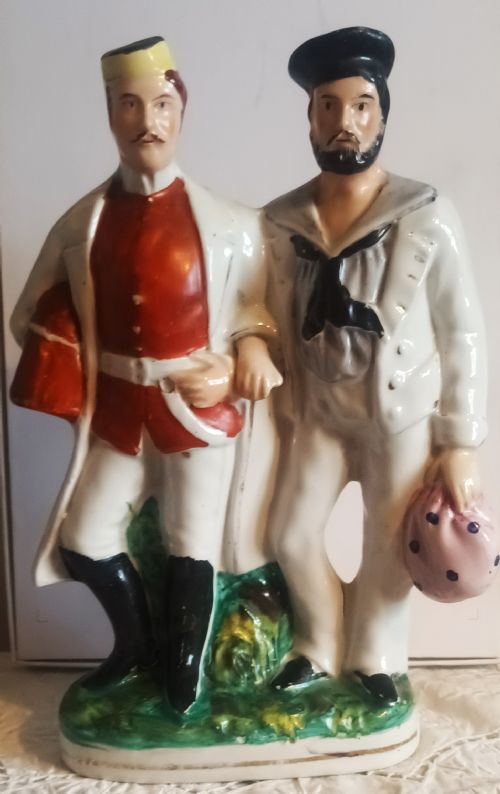


Antique Military Pottery Statue
An antique military pottery statue is a commemorative ceramic figure celebrating notable commanders and allies, offering a tangible link to nineteenth-century history.
Antique Military Pottery Statue
When you search for an antique military pottery statue, you find figures and decorative figurines depicting Victorian portrait subjects alongside earlier ceramic sculpture.
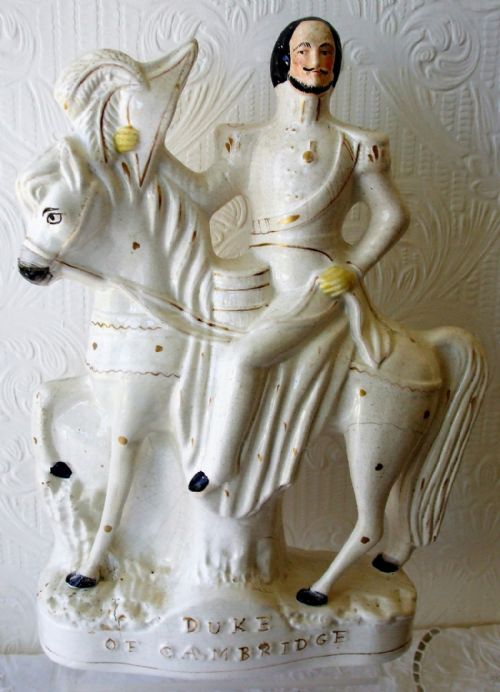
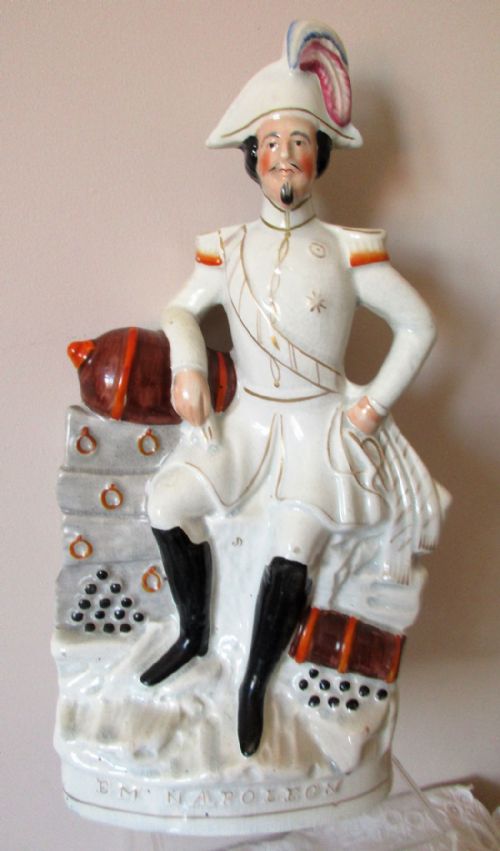
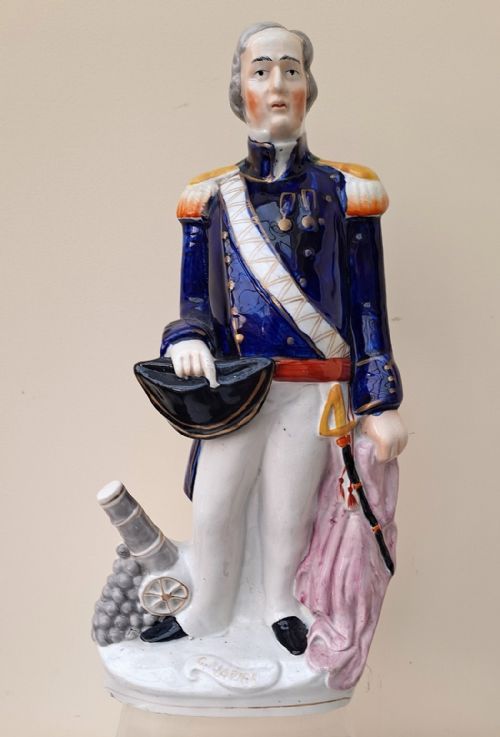
The nineteenth-century pieces dominate this selection, taking the form of Staffordshire pottery royal portrait figures and commanders such as the Duke of Cambridge, Napoleon III, and Admiral Sir Charles Napier.
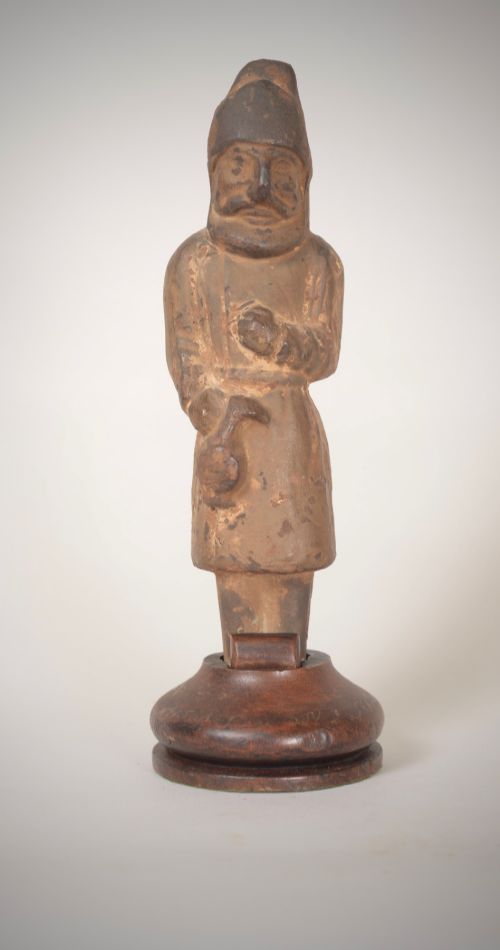
Alongside these Victorian pieces, the offerings extend across different eras to include early works like a Tang dynasty guardian.
These ceramic figures record historical alliances and military leaders through distinct sculptural forms, ranging from single portrait pieces to paired companions in arms.
How they were made
Gilt and gold leaf often highlight specific details on the Victorian portrait figures, adding a decorative accent to the ceramic surface.
Earlier pieces rely on terracotta and traditional glaze techniques, representing the materials of their respective periods.
Antique Military Pottery Statue Retail Price Guide 2026
Typical asking prices for military pottery statue among the pieces listed under this phrase on Sellingantiques today, from the lower quarter to the upper quarter. They describe what is for sale here now, not the wider market.
Current listings span from Pre sixteenth-century terracotta sculpture to nineteenth-century Victorian Staffordshire earthenware and enamel portrait figures.
What varies in quality
The refinement of the modelling dictates the visual success of each figure, separating finely detailed portrait work from simpler, more generalized representations of military subjects.
The application of enamel paint, glaze, and gilding determines the crispness of the uniform details and the overall preservation of the surface decoration.
The historical significance of the depicted commander or royal personage also influences interest among collectors of these portrait figures.
The Antique Military Pottery Statue Glossary
- Earthenware
- Porous pottery fired at lower temperatures. It serves as the primary ceramic body for the nineteenth-century figures found here.
- Enamel
- Vitreous composition fused to the surface of pottery. It provides the bright colours seen on nineteenth-century military uniforms.
- Gilt
- Application of gold leaf or gold powder onto the ceramic surface. This technique highlights buttons, sashes, and titles on portrait figures.
- Terracotta
- Unglazed, brownish-red fired clay. It forms the base material for earlier sculptural objects such as tomb guardians.
- Staffordshire pottery
- Ceramic wares produced in the pottery districts of Staffordshire. These factories manufactured the majority of the Victorian commemorative portrait figures listed here.
Antique Military Pottery Statue: Frequently Asked Questions
What do these statues depict?
These ceramic works mainly portray nineteenth-century military commanders, admirals, and royal figures such as Napoleon III and Admiral Sir Charles Napier.
Some pieces also commemorate alliances through paired subjects, while earlier examples include Tang dynasty guardians.
How were these figures used?
Victorian households displayed these pottery figures on mantelpieces and shelves as patriotic ornaments and conversation pieces celebrating contemporary military heroes.
They served as accessible memorials to famous campaigns and leaders before the widespread use of photography.
How do I care for my figure?
Keep ceramic statues away from direct sunlight to protect the enamel paints and gilding from fading over time.
Dust the surface gently with a soft, dry brush and avoid liquid cleaners that might damage the lead glaze or painted details.
How do I identify a Victorian piece?
Victorian Staffordshire figures typically feature earthenware bodies decorated with enamel paint, lead glaze, and occasional gold leaf highlights.
They often bear the names of commanders or royal figures directly on the base to identify the subject.