


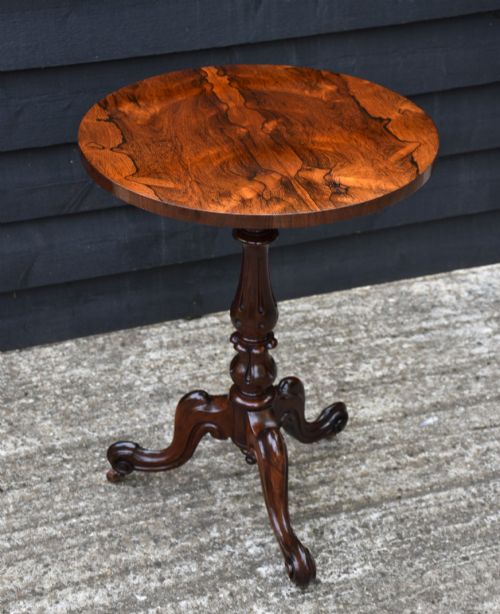
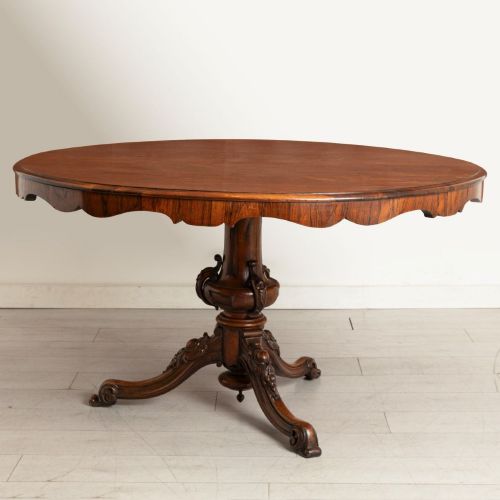
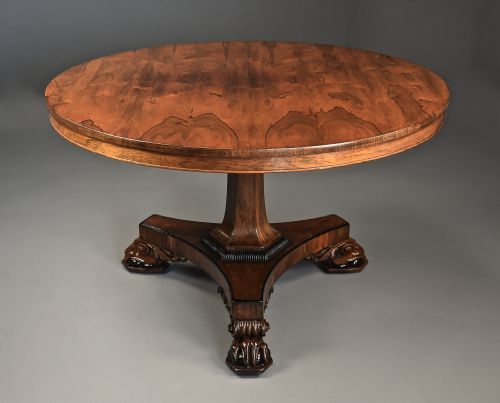
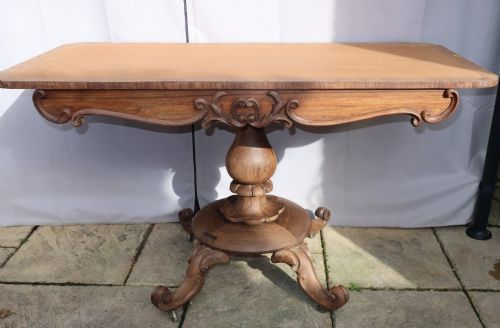
Victorian Rosewood Pedestal Table
A victorian rosewood pedestal table brings the rich, dark grain and solid central pillar of nineteenth-century craftsmanship directly into a room.
Victorian Rosewood Pedestal Table
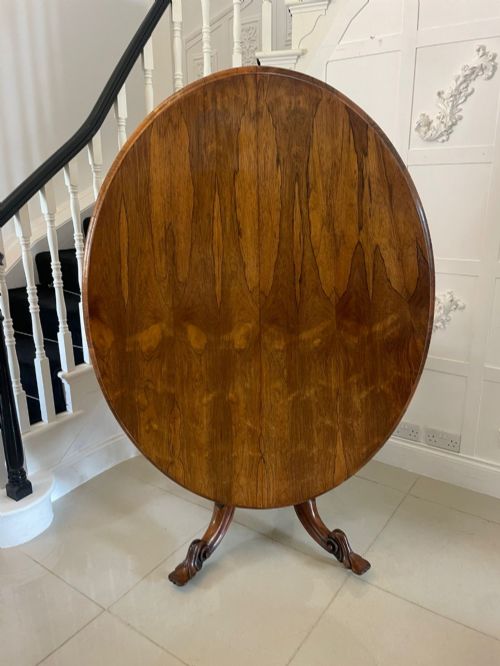
A victorian rosewood pedestal table is a nineteenth-century piece featuring a central column support rather than four corner legs, designed for dining, card games, reading, or display. These tables appear most frequently in circular dining, centre, tilt-top, and card formats dating from the 1850s and 1860s.
The form spans several distinct styles influenced by preceding decades, including William IV, Regency, and early Victorian aesthetics. Makers utilised the dense, figured timber for freestanding placement in the middle of a room or as functional side furniture against a wall.
How they were made
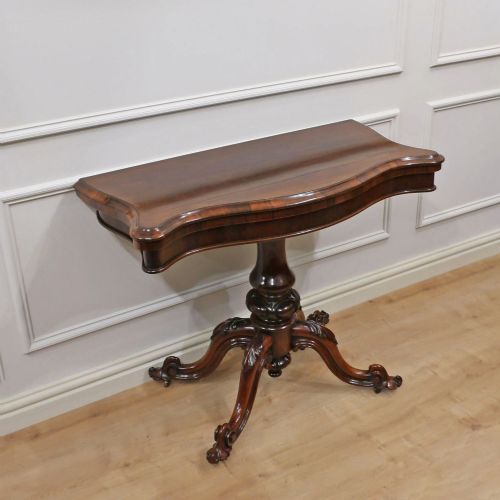
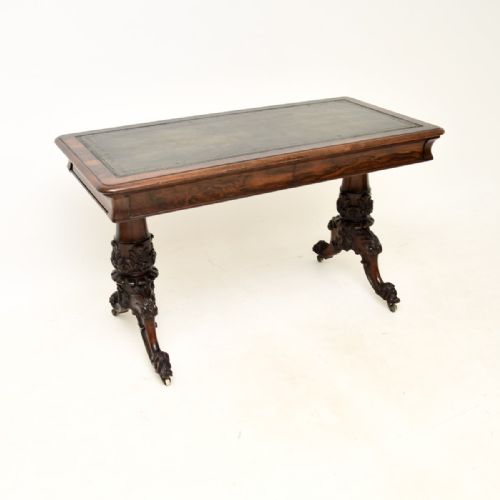
Cabinet makers constructed these pieces using solid rosewood alongside decorative veneers applied to stable hardwood carcases, often incorporating boxwood inlay, brass fittings, and leather inserts. The central pillars frequently feature elaborate hand-carved details supported by solid tripod or platform bases.
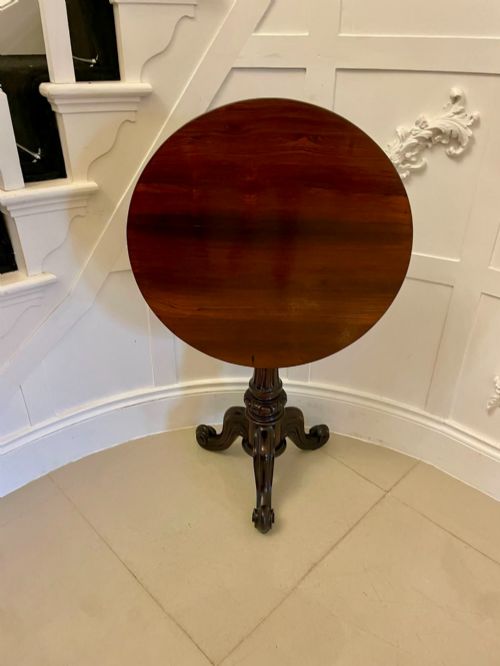
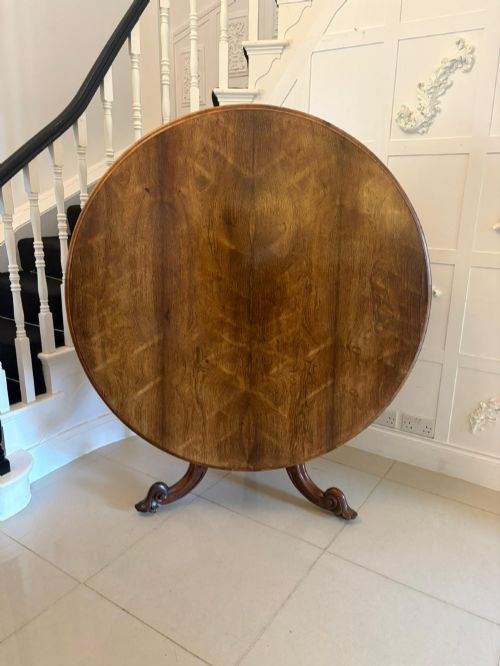
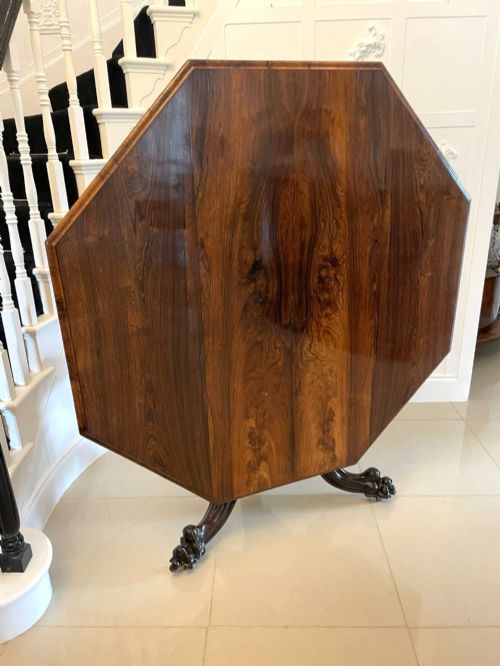
Many examples employ a tilt-top or snap-top mechanism, allowing the circular or octagonal surface to pivot vertically when not in use. This method required precise joinery and robust iron or brass catches to secure the heavy timber top firmly to the pedestal.
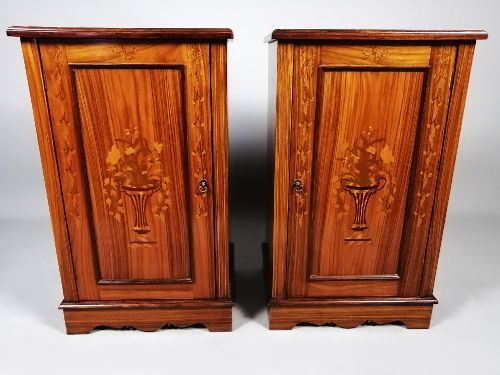
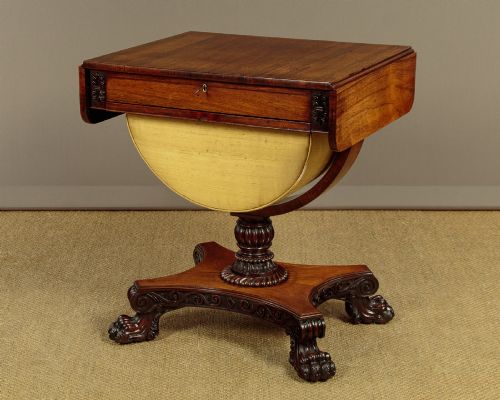
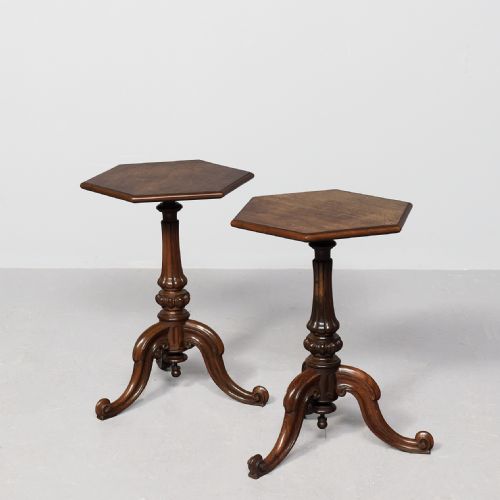
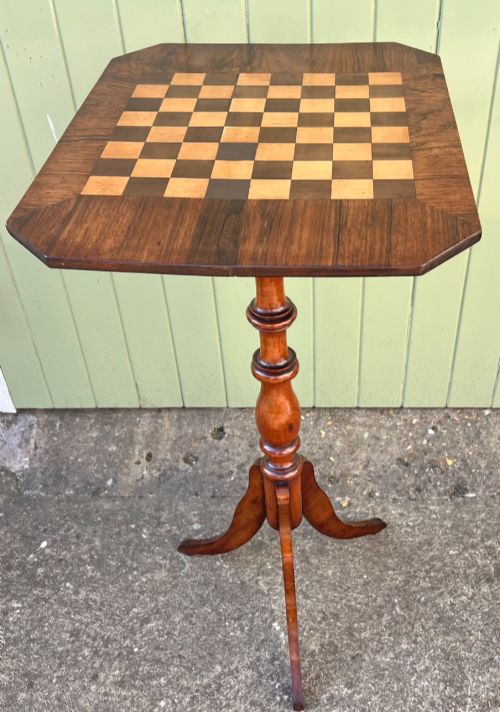
Recorded forms range from large dining and library tables to compact bedside cupboards, work tables, and games surfaces.
What varies in quality
The distinction between standard utility furniture and superior pieces lies in the choice of timber and the depth of carving on the pedestal base. Richly figured grain patterns and crisp, undercut floral or scrolling motifs indicate skilled workshops such as Gillows.
Gillows·Mein of Kelso
The Victorian Rosewood Pedestal Table Glossary
- Pedestal table
- A table supported by a single central column or pillar resting on a weighted base, eliminating the need for corner legs.
- Tilt-top table
- A table featuring a hinged mechanism that allows the top to rotate and lock into a vertical position for compact storage.
- Centre table
- A freestanding piece finished on all sides, designed to sit in the middle of a room rather than against a wall.
- Marquetry
- Decorative patterns formed by fitting together small pieces of coloured wood veneer into a prepared surface.
- Teapoy
- A small cabinet or table originally designed to store and lock away expensive loose tea leaves during the nineteenth century.
Victorian Rosewood Pedestal Table: Frequently Asked Questions
What is a tilt top table used for?
A tilt-top table served as a versatile piece that could be pushed against a perimeter wall when the surface was not needed. Tilting the top vertical also allowed craftsmen to showcase the figured rosewood grain as a decorative wall panel.
In period interiors, these tables moved easily to the centre of the room for evening gatherings, tea service, or reading. The mechanism provided practical space-saving utility in nineteenth-century homes without sacrificing formal appearance.
How do I identify a Victorian rosewood table?
Victorian rosewood tables display a deep, dark reddish-brown timber grain that often shows distinct black figuring and a natural oily lustre. The nineteenth-century manufacturing methods typically involve heavy central pillars, platform or tripod bases, and substantial weight due to the dense hardwood.
Stylistic cues such as brass castors, hand-carved scrolling foliage, and period joinery further confirm the era. Pieces frequently date between the 1840s and 1880s, bridging late Regency influences and the later revival styles.
Can I use a card table for dining?
Period card tables feature fold-over tops supported by a pivoting or swinging leg mechanism, creating a double-sized surface when opened. While they accommodate light gatherings or board games, the internal pivot construction is not engineered for heavy daily dining use.
Using them occasionally for drinks or small meals is acceptable, provided the weight remains moderate. The felt-lined interior typical of games tables also requires protection against spills and moisture.
Where should I place a pedestal centre table?
A pedestal centre table belongs in the middle of a room where its circular or octagonal form can be viewed from all angles. Because these pieces lack corner legs, chairs fit comfortably around the entire perimeter without obstruction.
Placing the table away from direct sunlight protects the sensitive rosewood veneer from fading over time. Pairing the piece with a central ceiling light or chandelier highlights the carved pedestal base and polished top.