
Victorian Rose Gold Chain
When you handle a victorian rose gold chain, you touch a warm alloy that carried pocket watches or encircled wrists over a century ago.
Victorian Rose Gold Chain
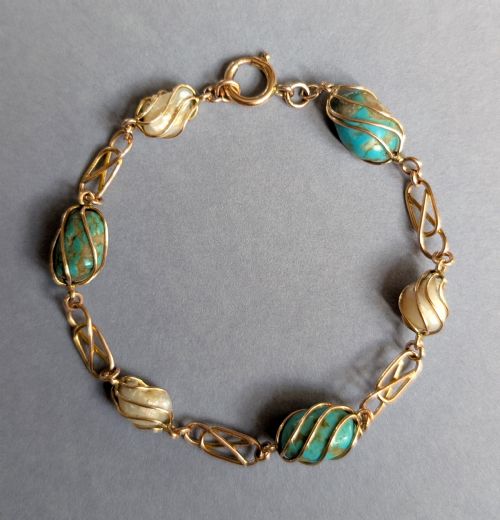
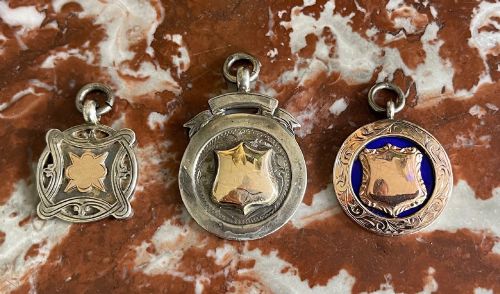
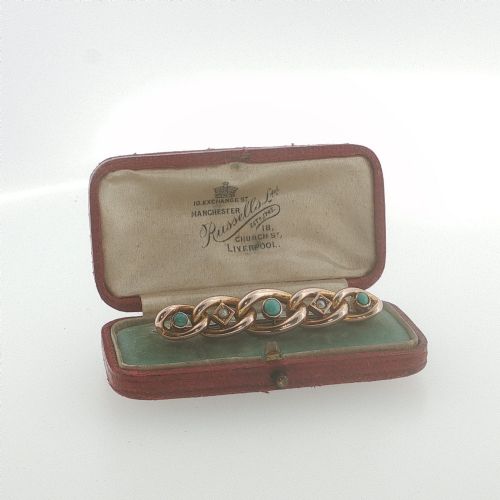
Makers fashioned these ornaments from gold alloyed with copper to achieve that characteristic rosy hue, often pairing the links with turquoise, seed pearls, or silver highlights. They survive from Victorian, Edwardian, and later periods, reflecting shifts in utility from timekeeping accessories to cherished personal adornments.
Materials and Technique
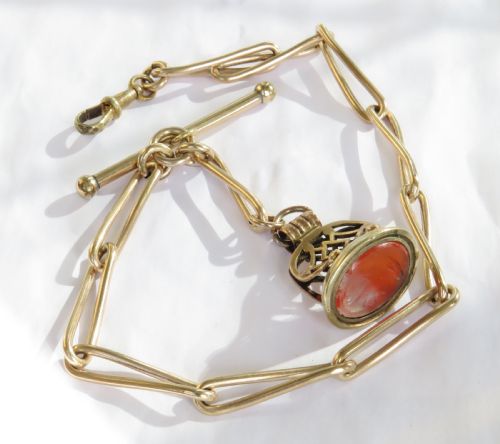
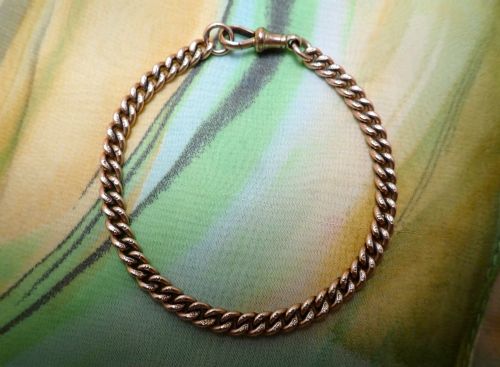
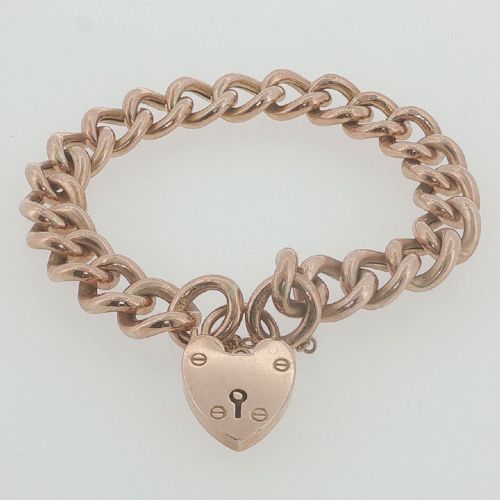
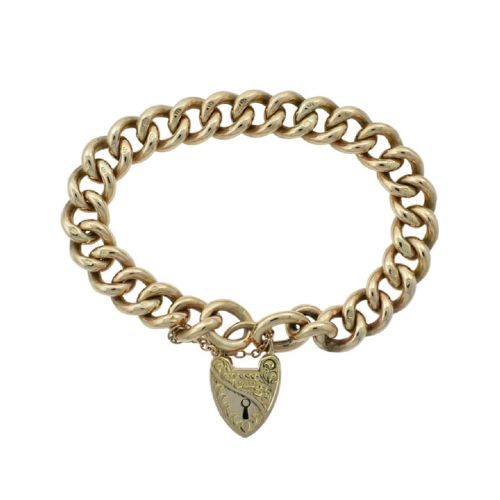
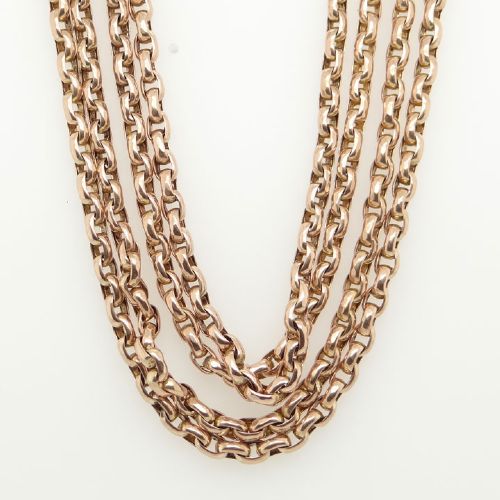
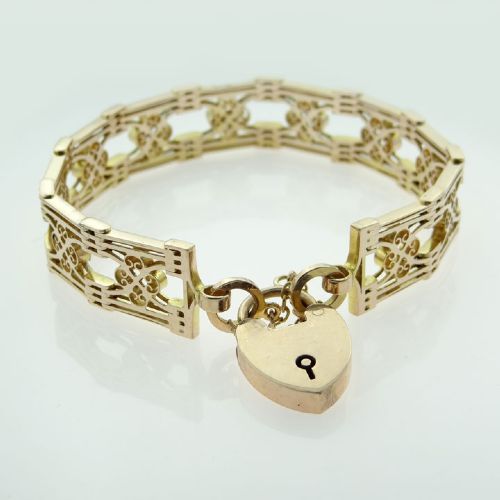
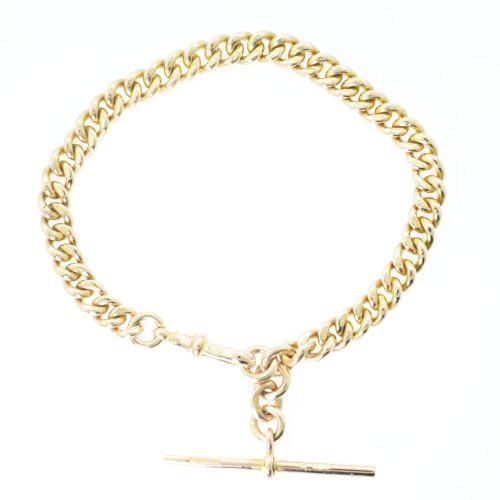
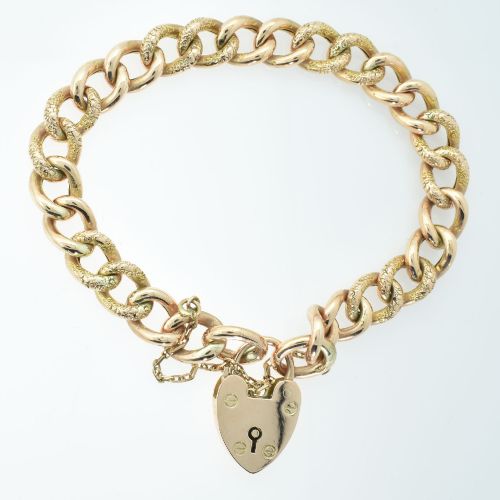
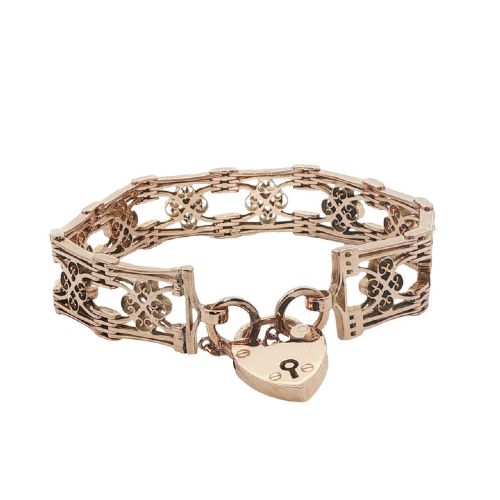
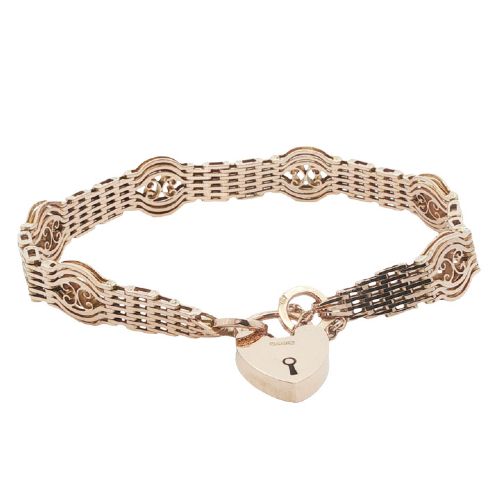
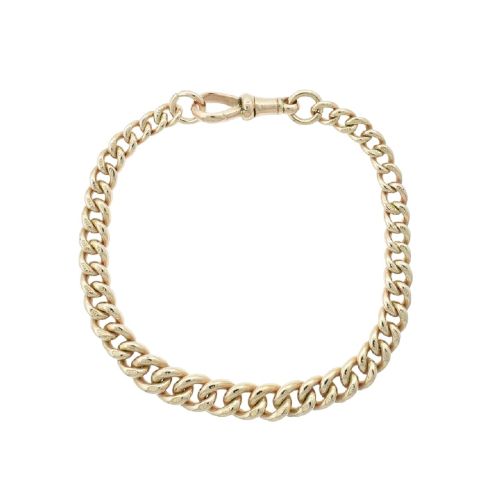
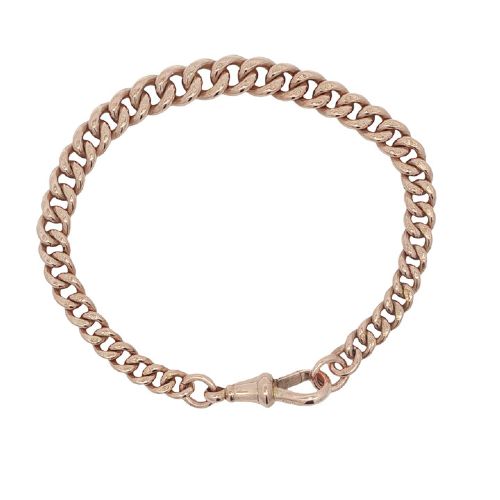
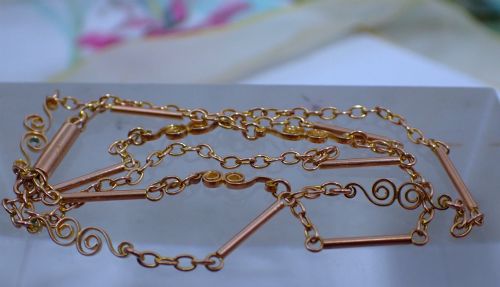
Goldsmiths utilised 9ct and 15ct rose gold, shaping the metal into hollow or solid curb, trombone, paperclip, and fancy star-and-bar links. Many links display half-engraved surface patterns achieved through hand chasing.
Constructed components include swivel dog clips, T-bars, and spring rings that secure the chains, alongside securely set turquoise cabochons and seed pearls held by delicate claw or bezel settings.
Listings feature 9ct rose gold, 15ct gold, silver, turquoise, and seed pearls across Victorian, Edwardian, and 1920s periods.
Judging Quality and Construction
The distinction between ordinary and superior examples rests upon the weight of the metal and the integrity of the links. Solid curb links and heavy gauge wire resist denting and stretching far better than lightweight or rolled gold alternatives.
Finishing details elevate certain pieces above others, such as crisp hand engraving across every link, robust mechanism function in dog clips and padlocks, and well-matched natural gemstones securely positioned in their bezels.
W H Wilmot
The Victorian Rose Gold Chain Glossary
- Dog clip
- A spring-loaded swivel clasp used to attach pendants or secure the ends of a watch chain together. The internal spring mechanism allows the tongue to open and snap shut.
- T-bar
- A short transverse bar attached to the centre of an albert chain. It passed through a waistcoat buttonhole to anchor the watch securely.
- Guard chain
- An exceptionally long chain worn looped around the neck or doubled over. These pieces often held eyeglasses, watches, or decorative fobs.
- Padlock clasp
- A small, functional padlock shape used as a bracelet fastener. They often feature engraved decoration and snap shut with a hidden internal spring.
Victorian Rose Gold Chain: Frequently Asked Questions
How do I wear an antique watch chain as a necklace?
Many albert chains measure a suitable length to wrap around the neck or fasten securely using the existing dog clips and swivel clasps. You can attach the ends together or let the T-bar dangle as a decorative front feature.
Heavier specimens sit snugly against the collarbone, while longer guard chains offer enough length to double over for a layered appearance.
What is the difference between solid and rolled rose gold?
Solid rose gold contains the same gold alloy content throughout the entire thickness of every link, ensuring durability over generations of daily wear. Rolled gold consists of a thin layer of gold mechanically bonded to a base metal core.
Examining the wear points and hallmarks usually reveals whether a chain is solid or plated.
How can I tell a Victorian chain from a later Edwardian one?
Victorian pieces tend to exhibit heavier construction with broad curb links, deep hand engraving, and robust heart padlocks. Edwardian and 1920s examples often introduce lighter fancy links, geometric motifs, or alternative clasp styles.
Hallmarks stamped on the links or dog clips provide definitive dates for British manufactured pieces.
Were these chains originally meant for men or women?
Heavy albert chains and watch chains were primarily worn by men across waistcoats to secure pocket watches during the nineteenth century. Lighter guard chains, charm bracelets, and fancy necklaces were worn by women as fashionable adornments.
Over time, many pocket watch chains transitioned entirely into women's neck chains and bracelets.