


Victorian Rococo Revival China
Victorian rococo revival china brings flamboyant scrolls, hand-painted scenes and gilded porcelain into the home.
Victorian Rococo Revival China
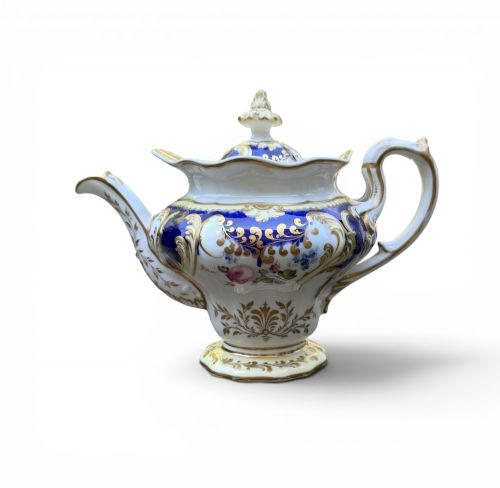
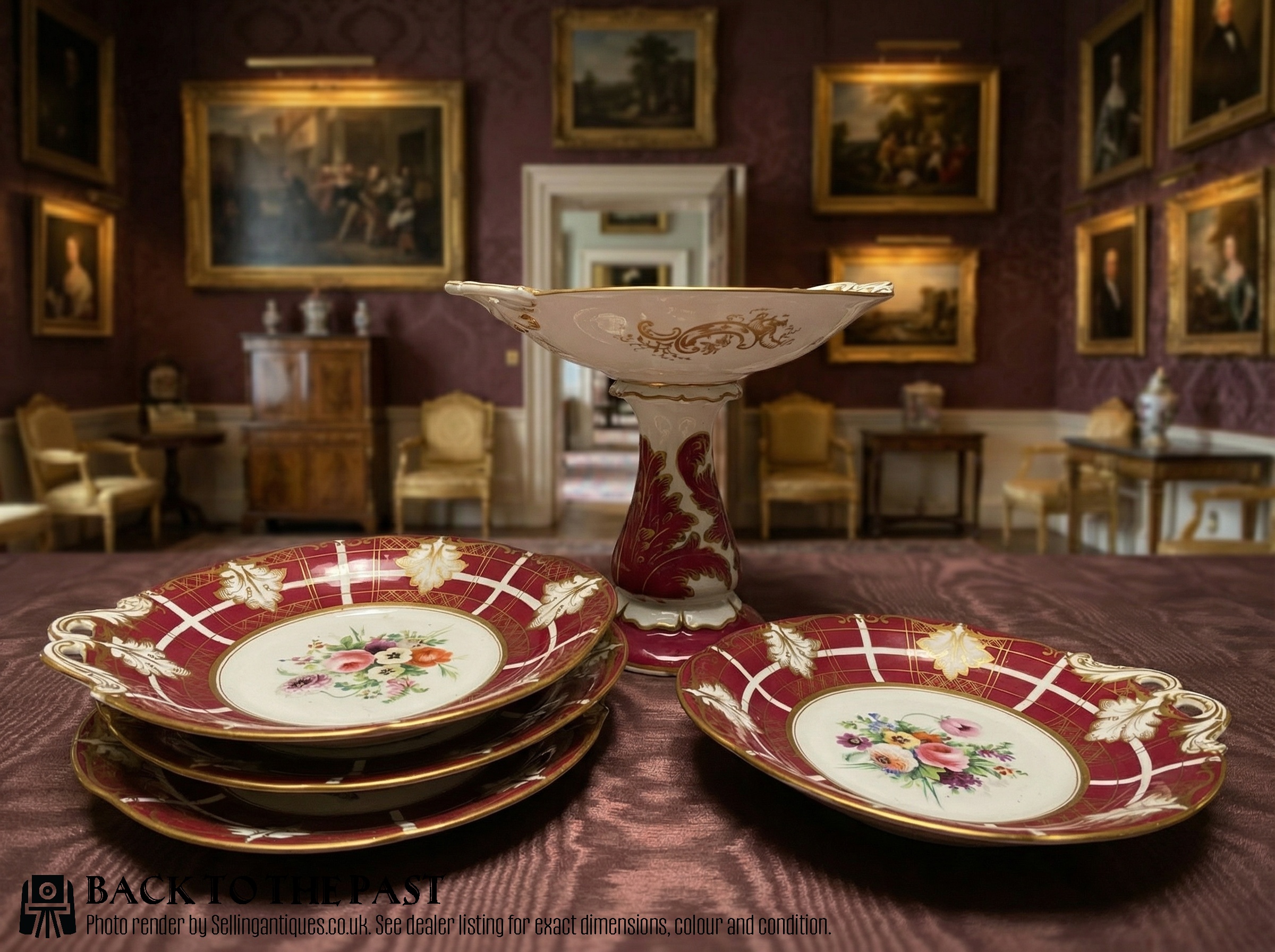
Victorian rococo revival china encompasses ornamental tea ware, dessert services, cabinet plates and figurines produced across the nineteenth century. These pieces draw heavily upon earlier French and English designs, prioritising exuberant scrollwork and asymmetrical forms.
Buyers frequently encounter decorative plates, armorial porcelain, and hand-painted service pieces originating from English and continental factories. Such items reflect a distinct nineteenth-century fascination with exuberant ornamentation and historicist revival styles.
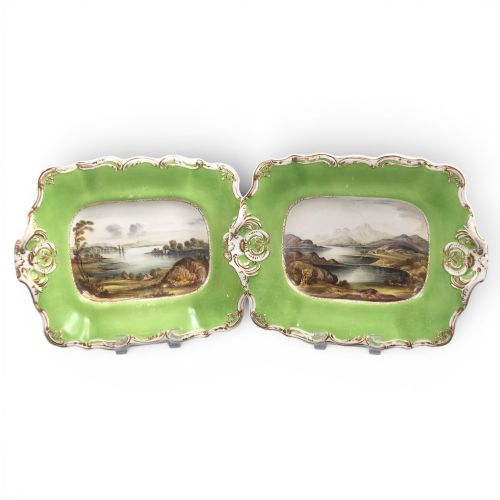
Cabinet pieces and sculptural figures dominate the selection, often featuring painted floral motifs or pastoral scenes after earlier artists. These items served primarily for display in formal reception rooms rather than everyday domestic use.
What varies in quality
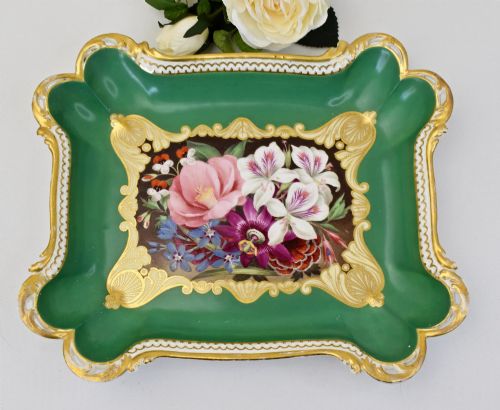
The precision and delicacy of the hand-painted details separate standard production items from exceptional workshop pieces. Superior examples exhibit finely executed brushwork in figurative scenes and floral panels without blurring or misalignment.
The application of heavy gilding and the crispness of moulded rococo scrollwork indicate the skill involved in a piece's creation. Well-preserved enamel colours and intact gold leaf contribute substantially to the visual standing of a service or cabinet plate.
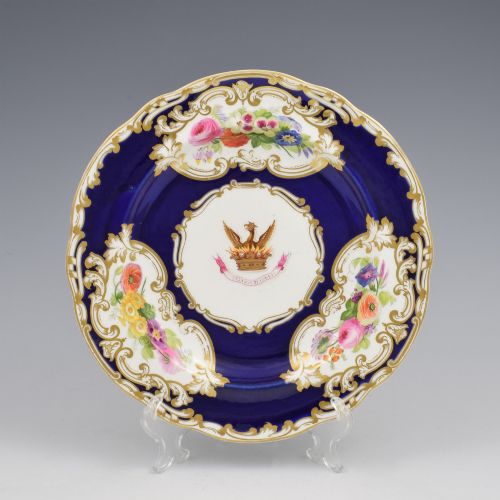
A porcelain phoenix rises in flames across an armorial plate, proving that even a dinner service appreciates theatrical drama.
Copeland and Garrett·Doe and Rogers·Mintons·Triebner Ens and Eckert·Royal Worcester·Jacob Petit·Helena Wolfsohn·Coalport
The Victorian Rococo Revival China Glossary
- Armorial
- Bearing a coat of arms or family crest. These porcelain plates and dishes were commissioned by specific aristocratic or landed families.
- Cabinet plate
- An ornamental plate intended for display in a cabinet or on a wall rather than for dining. They frequently showcase elaborate hand-painted landscapes or portraits.
- Ewer
- A large jug with a flared spout and a decorative handle. In nineteenth-century porcelain, these served largely ornamental purposes.
- Dessert service
- A matching set of plates, tureens and dishes used for serving the final course of a formal meal. Surviving parts often include cream tureens and stands.
- Vitrine
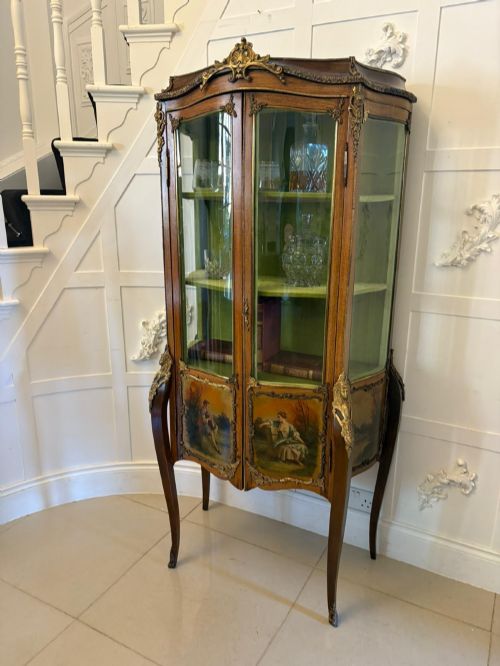
- A glass-fronted display cabinet used for housing porcelain collections. These pieces often incorporate kingwood and ormolu mounts in the revival style.
Victorian Rococo Revival China: Frequently Asked Questions
How were these porcelain pieces used?
Many items functioned as part of formal dessert services for wealthy households, while others served purely as decorative cabinet plates and mantel ornaments.
Figurines and ewers were positioned in drawing rooms to demonstrate the taste and standing of the owner during the nineteenth century.
How do I identify this style?
The style relies on asymmetrical scrolls, C-curves, shell motifs, and abundant gilding applied to porcelain bodies.
It draws inspiration from mid-eighteenth-century French design but employs the manufacturing techniques and brighter colour palettes typical of the Victorian era.
Are these items suitable for daily use?
Most pieces are intended for display rather than functional dining due to fragile hand-painted enamels and delicate gold leaf.
Handling them requires care to preserve the surface decoration and the original glaze from unnecessary wear.
Where were these ceramics manufactured?
Production took place across established English potteries such as Worcester and Stoke-on-Trent, alongside prominent continental factories in France and Germany.
Each region brought distinct regional modeling traditions and painting styles to the rococo revival movement.