


Victorian River Scene Art
Victorian river scene art captures nineteenth-century waterways through oils and watercolours, offering buyers evocative glimpses into pastoral and industrial British landscapes.
Victorian River Scene Art
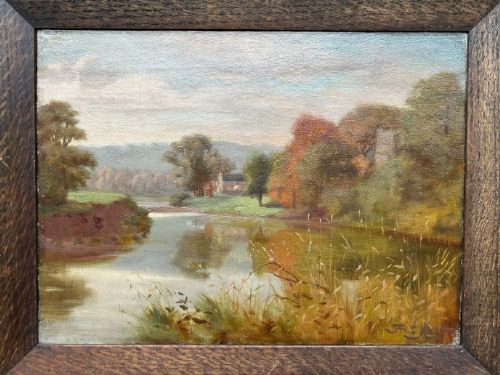
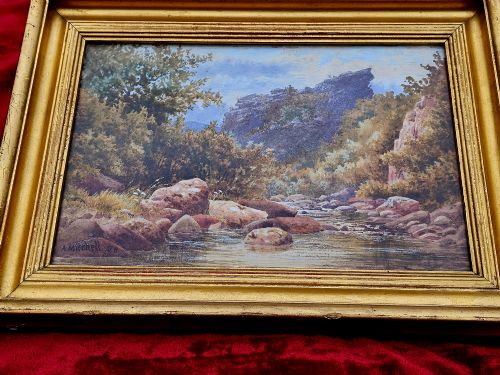
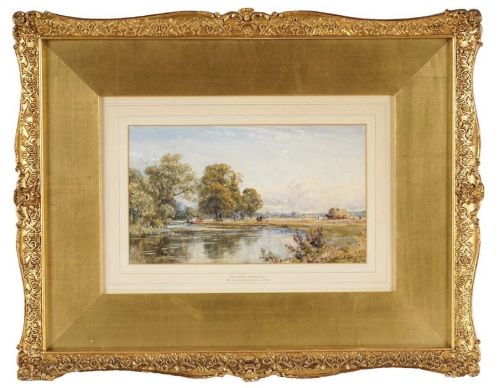
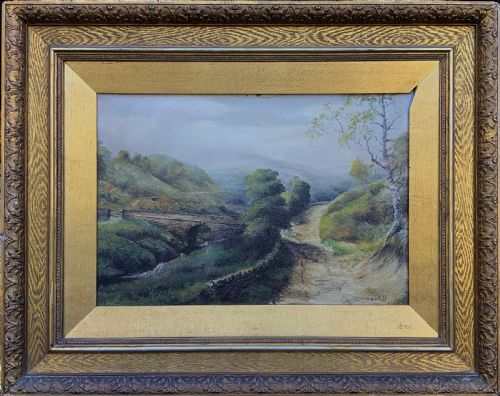
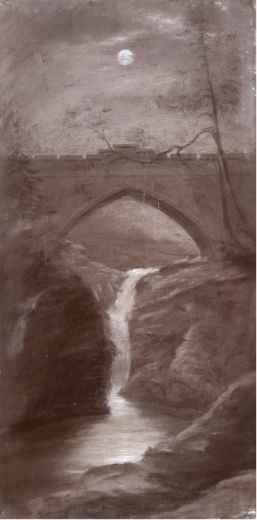
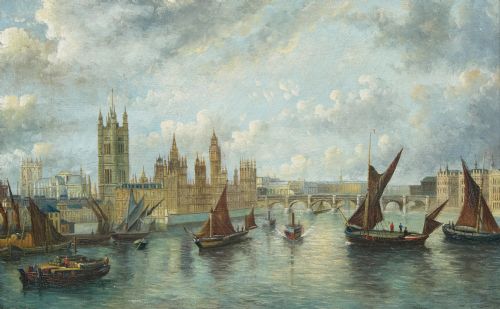
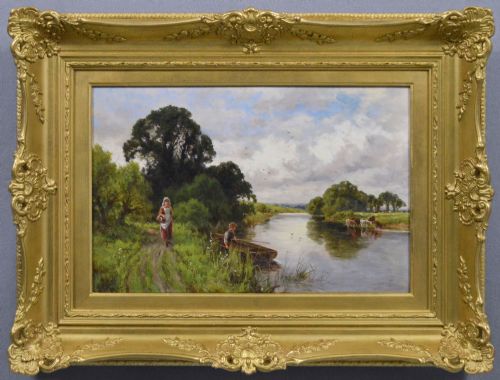
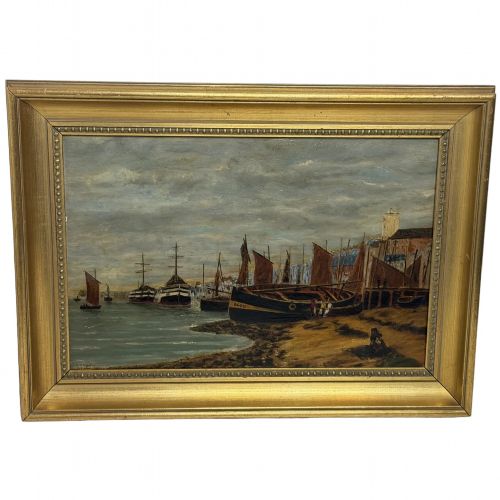
When searching for victorian river scene art, buyers encounter nineteenth-century works depicting British and European waterways, ranging from tranquil pastoral streams to bustling tidal harbours.
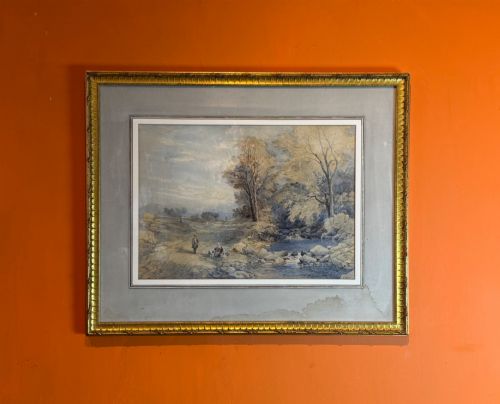
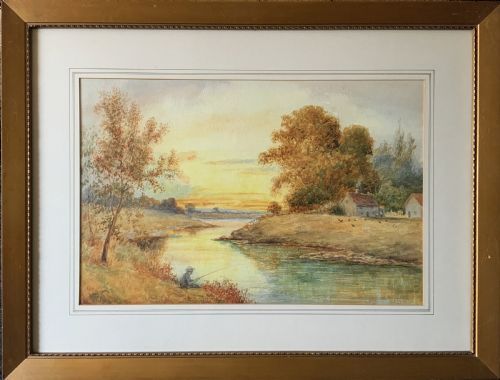
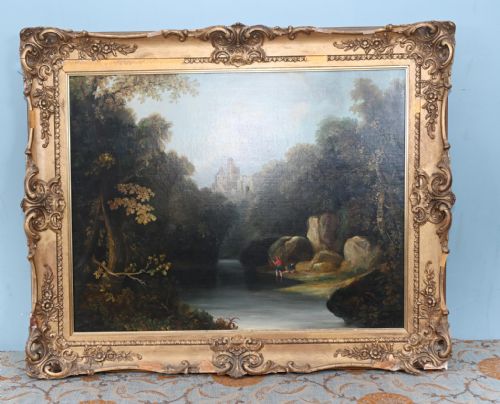
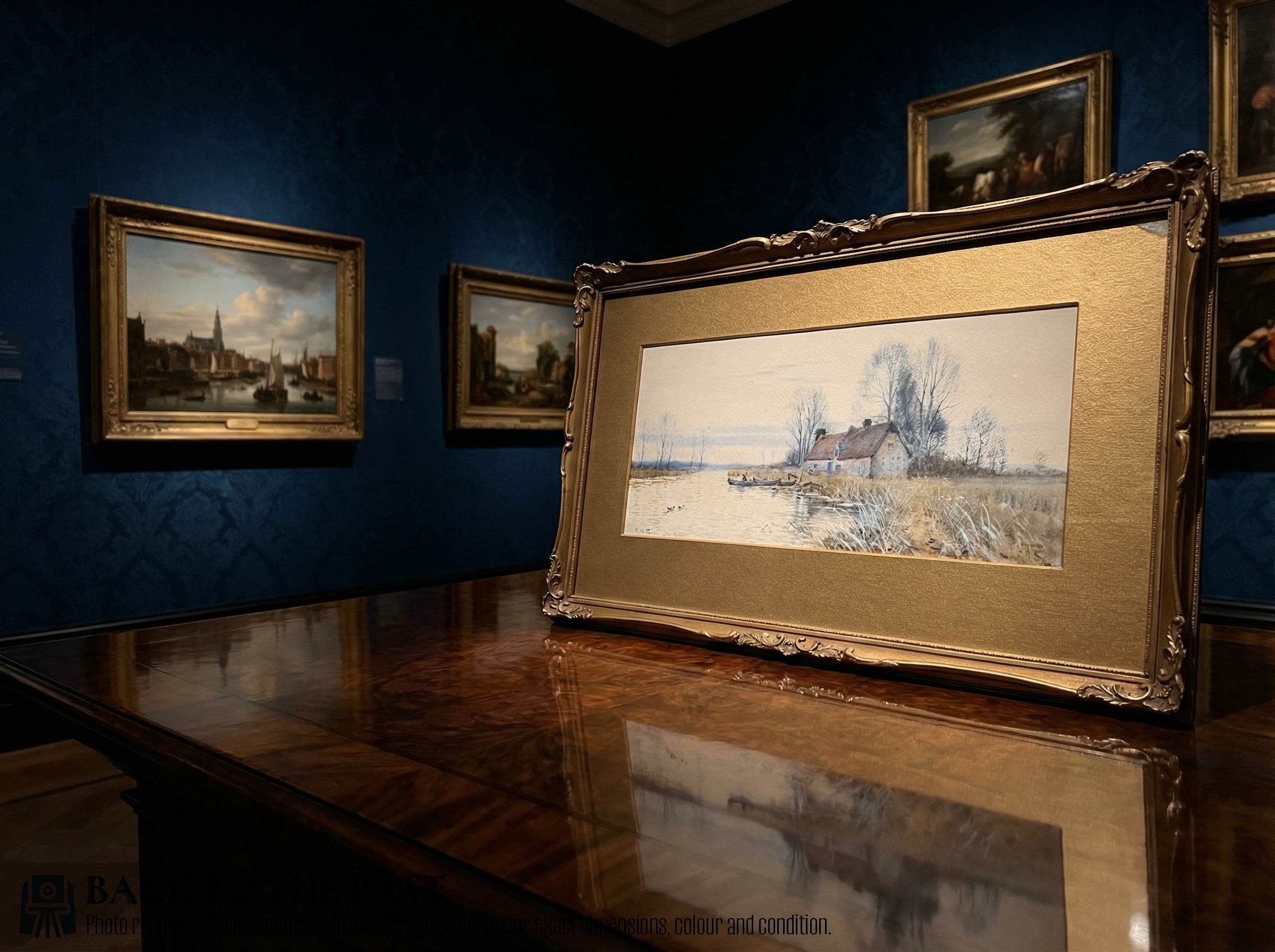
The selections on this page are most commonly watercolours on paper or oil paintings on canvas, frequently framed in period giltwood.
These pieces reflect diverse regional landscapes, including the Thames Valley, Welsh rivers, and Scottish banks, produced during the Victorian and Edwardian eras.
What varies in quality
Brushwork precision and atmospheric depth separate accomplished academic output from more formulaic topographical views.
The harmony of the original framing and the preservation of the delicate paper or canvas surface dictate the overall stature of the piece.
Listings feature works spanning the nineteenth century into the Edwardian era, utilising oil paint, watercolour, and charcoal.
Alfred Young Nutt·Frederick Marriott·A. Mitchell·Robert W. Macbeth·Robert Thorne Waite·Henry H Parker·David Cox·Honore Cavaroc·Thomas Baker·Arthur Herbert Rigg·John Bell·Stuart Lloyd·Thomas Bush Hardy·David Cox Jnr·Thomas Spinks·Robert John Hammond·Frank Hider·Colin H Greenwood·Walter J Watson·James Gunson Atkinson·Robert Winchester Fraser·Alfred Grey RHA·Benjamin Williams Leader·William Pitt·Peter Deakin
The Victorian River Scene Art Glossary
- Oil on Canvas
- Pigment bound in drying oil applied to a woven fabric surface stretched across a wooden frame. This medium allowed artists to build rich textures and deep tones.
- Watercolour
- A paint consisting of colour suspended in a water-soluble binder, traditionally painted on paper. It creates luminous, translucent washes ideal for capturing river light.
- Giltwood
- Carved wood treated with a thin layer of gold leaf, commonly used for period picture frames. It provides a reflective border that complements nineteenth-century canvases.
- Tondo
- A circular painting or relief sculpture. This distinct format offers a specialised composition for landscape scenes.
Victorian River Scene Art: Frequently Asked Questions
What subjects appear in these paintings?
These works depict nineteenth-century waterways, locks, harbours, and rural riverbanks across Britain and Europe.
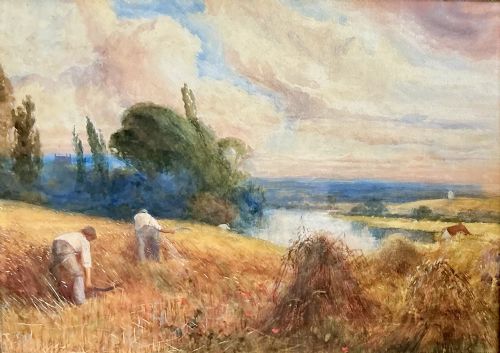
Scenes frequently incorporate figures fishing, harvesting, or cattle watering alongside pastoral landscapes.
Are watercolours or oils more common?
Both mediums appear frequently across nineteenth-century inventories, with watercolours executed on paper and oils painted on canvas.
Artists selected mediums based on whether they wanted translucent atmospheric washes or rich textural depth.
How should I frame these artworks?
Many pieces retain their original giltwood frames, which complement the nineteenth-century aesthetic and protect the edges of the canvas or paper.
Preserving period framing maintains the historical context of the artwork.
How do I date these landscape paintings?
Dates are determined through artist signatures, exhibition records, stylistic traits of the Victorian and Edwardian periods, and framing materials.
Many pieces bear specific dates or reflect the active working periods of listed Royal Academy artists.