



19th Century Oil Scenery
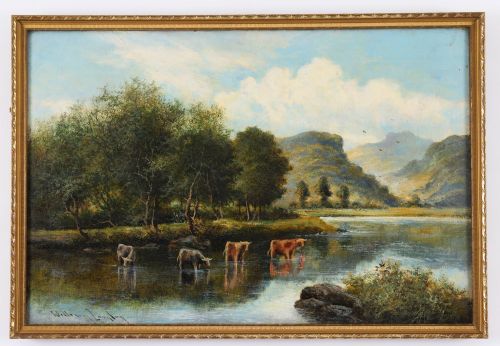
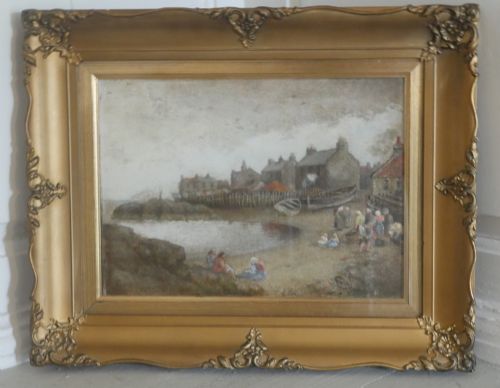
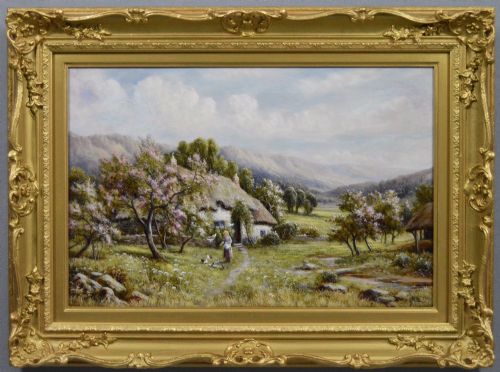
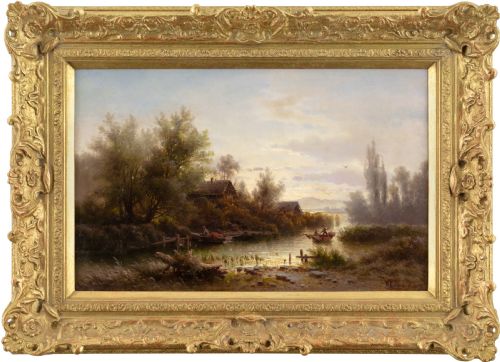
These 19th century oil scenery works capture rural, mountain and river views on canvas, bringing period landscape painting directly into domestic interiors.
19th Century Oil Scenery
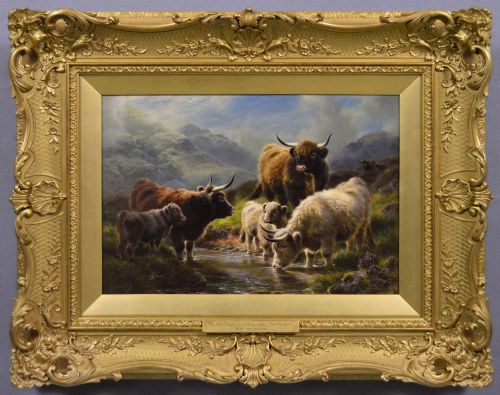
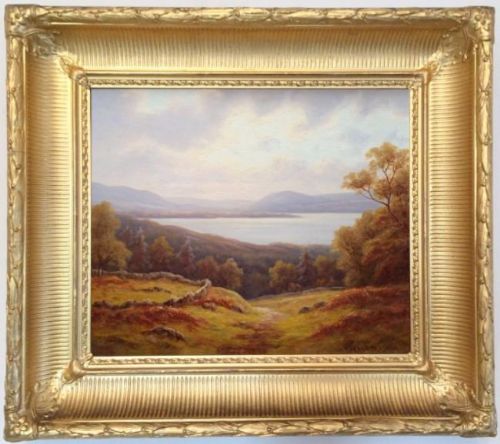
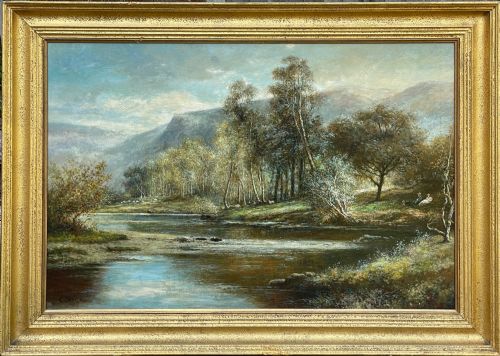
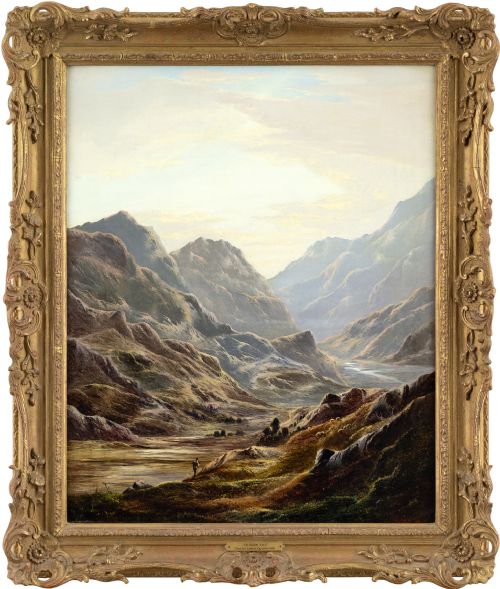
When searching for 19th century oil scenery, collectors encounter framed canvases and wood panels depicting rural vistas, mountain ranges, and coastal harbours from the Victorian era and surrounding decades.
The works on this page span British, Scottish, Welsh, and continental European subjects, ranging from quiet woodland scenes and farmsteads to dramatic alpine peaks and frozen lakes.
Formats vary from intimate cabinet paintings to large gallery pieces, frequently housed in their original gilt wood and gesso frames.
Technique and Materials
Artists built these compositions using oil paint on stretched canvas or prepared wood panels, applying pigment to capture natural light and atmospheric depth.
Frames are constructed from wood, finished with layers of gesso and gold leaf to create ornate giltwood surrounds that complement the pastoral or mountainous subjects.
19th Century Oil Scenery Retail Price Guide 2026
Typical asking prices for 19th century oil scenery among the pieces listed under this phrase on Sellingantiques today, from the lower quarter to the upper quarter. They describe what is for sale here now, not the wider market.
The listings span the Victorian period into the early twentieth century, utilising oil on canvas, wood panels, and giltwood frames.
Judging Quality
Quality rests upon the artist's handling of light, brushwork precision, and the psychological or atmospheric resonance of the landscape.
The preservation of the original gilt wood frame and the stability of the canvas ground contribute substantially to the standing of any given piece.
Edward Mills·Thomas W Lascelles·Robert John Hammond·Albert Rieger·William Watson Jnr·Charles Leslie·Everett Watson Mellor·John Grenville Fennell·Sidney Richard Percy·John Wright Oakes·William Mellor·Karl Herrle·Harry Pennell·John Falconar Slater·Stephen Enoch Hogley·Alfred de Breanski·Alexis De Leeuw·Frederick Golden Short·Alfred de Breanski Snr·J McIntyre·John B MacDonald·James Poole·Hubert Sattler·Daniel Sherrin
The 19th Century Oil Scenery Glossary
- Gesso
- A plaster-like mixture applied to wood frames as a smooth base before gilding with gold leaf.
- Oil Paint
- Pigment mixed with a drying oil, typically linseed, allowing for rich colour blending and textured impasto application.
- Wood Panel
- A rigid wooden support used by artists as an alternative to stretched canvas during the period.
- Giltwood
- Wood carved and coated with gold leaf or gold paint, standard for framing Victorian fine art paintings.
19th Century Oil Scenery: Frequently Asked Questions
How should I clean an old oil painting?
Surface dust can be removed gently with a soft, dry brush, avoiding any moisture or household cleaners.
Professional conservation is required for deep cleaning or varnish removal to prevent damaging the delicate oil layers.
Are original frames important?
Period gilt wood and gesso frames provide historical context and complement the aesthetic balance of the artwork.
Matching frames enhance visual harmony, though many centuries-old canvases have been reframed over time.
Where were these landscapes painted?
Artists travelled widely across British, Scottish, and Welsh terrain, capturing specific locations like Loch Lomond, Glen Tilt, and Moel Siabod.
Continental destinations such as Bavarian castles and Swiss mountains also appear frequently in the record.
How do I identify the date of a canvas?
Signatures, inscriptions on the reverse, and exhibition labels often provide direct clues to the creation year.
Stylistic markers like Victorian realism or romanticism align the work with specific decades between the early nineteenth and early twentieth centuries.