
Gold Frame River Landscape
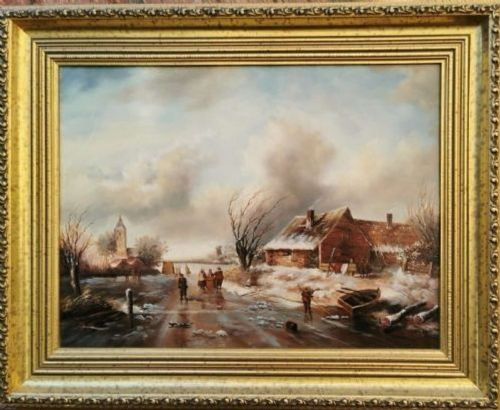
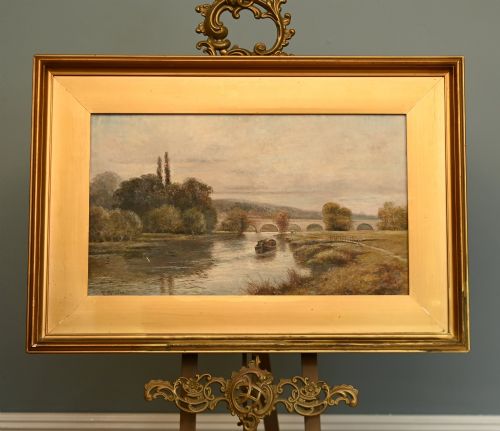
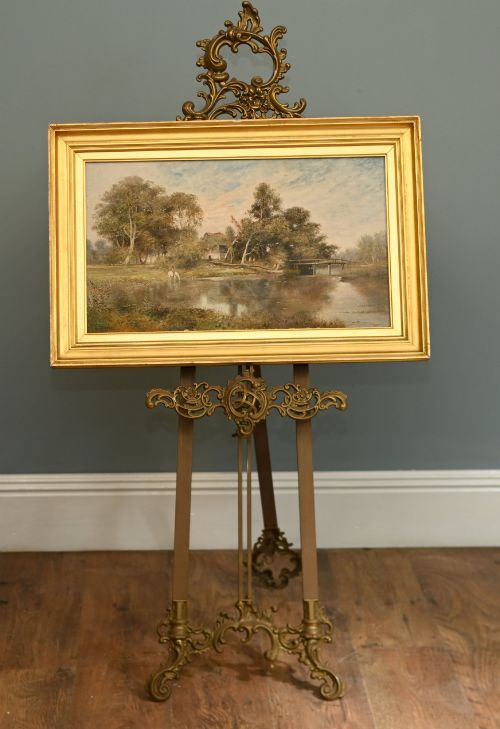
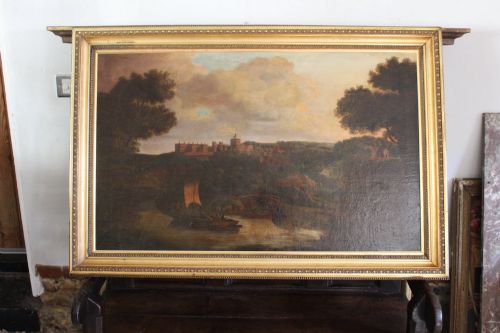
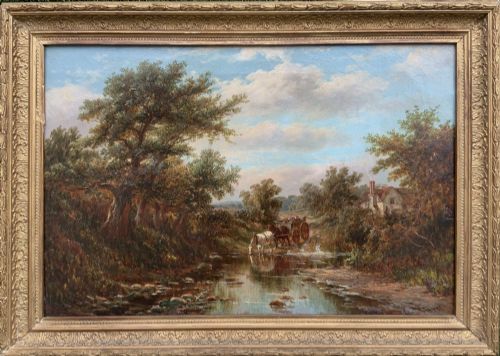
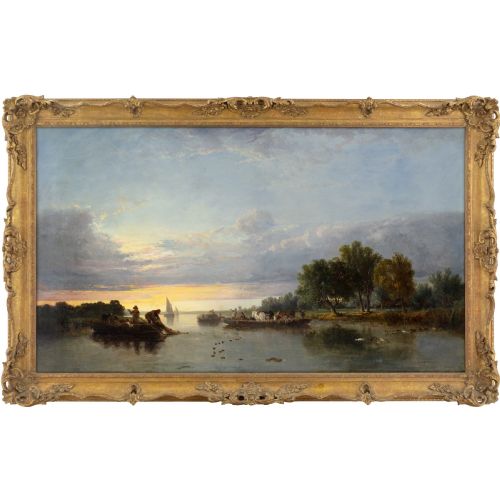
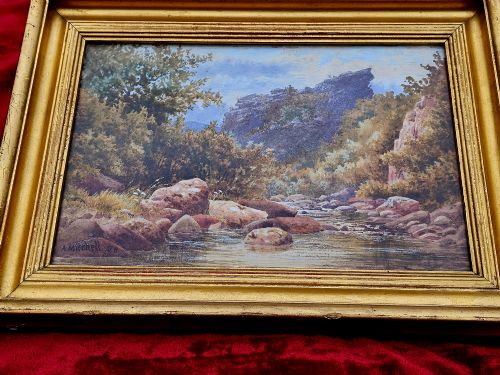
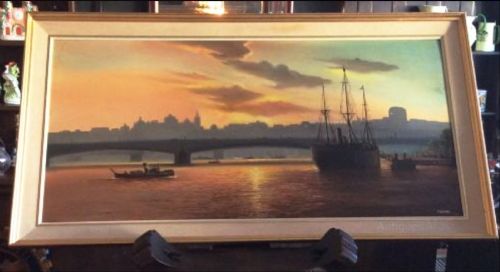
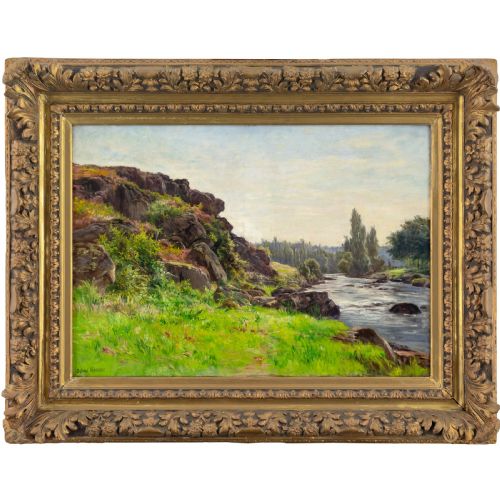
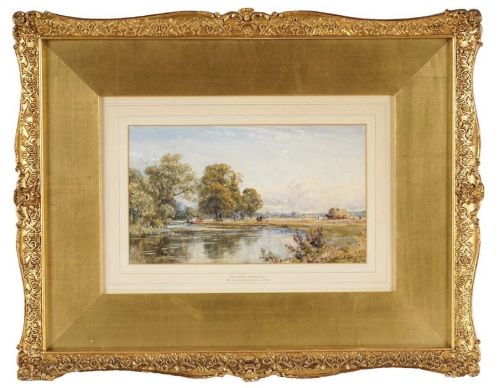
A gold frame river landscape captures tranquil waterways and luminous skies through the enduring tradition of oil and watercolour painting.
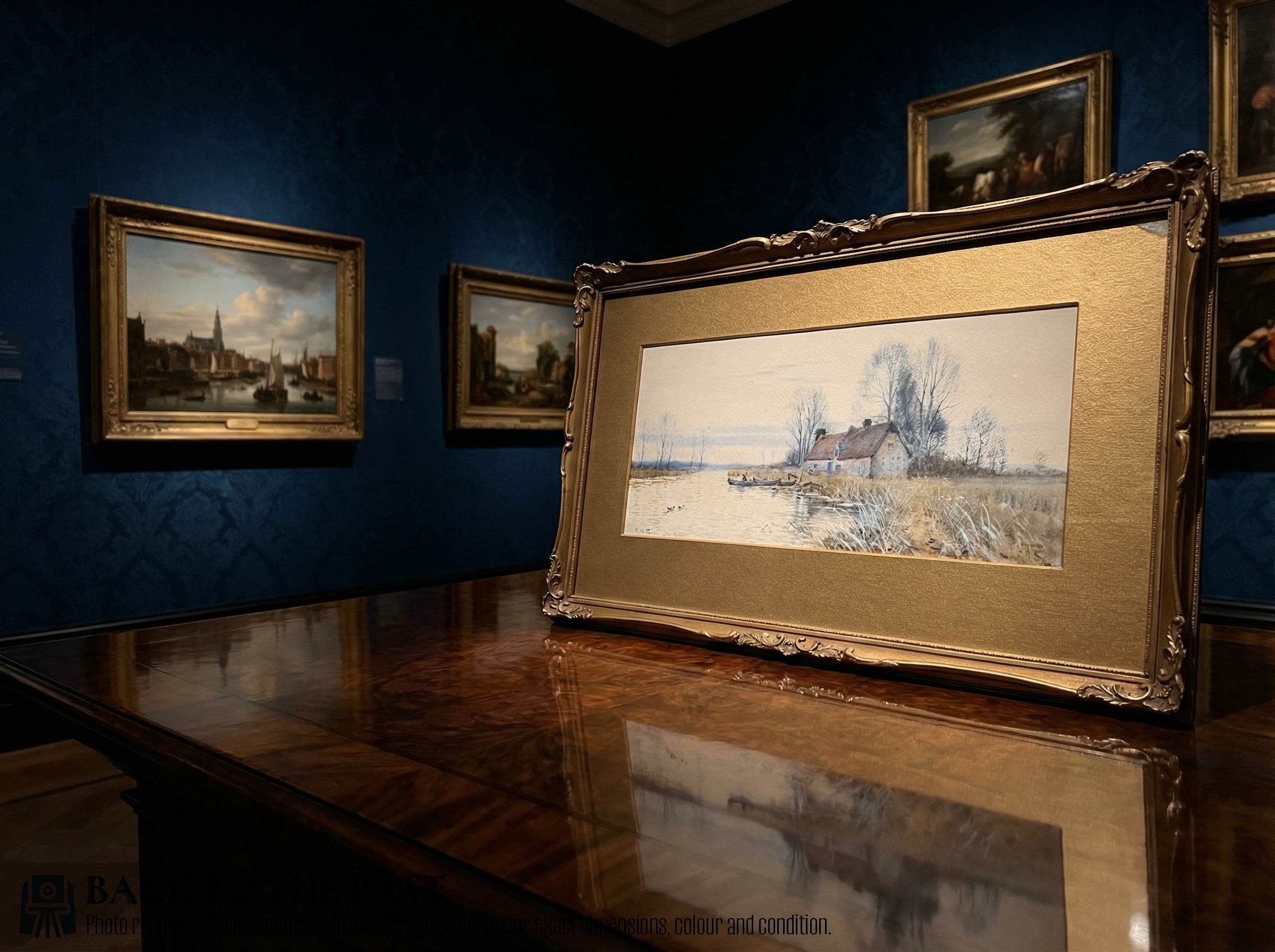
Gold Frame River Landscape
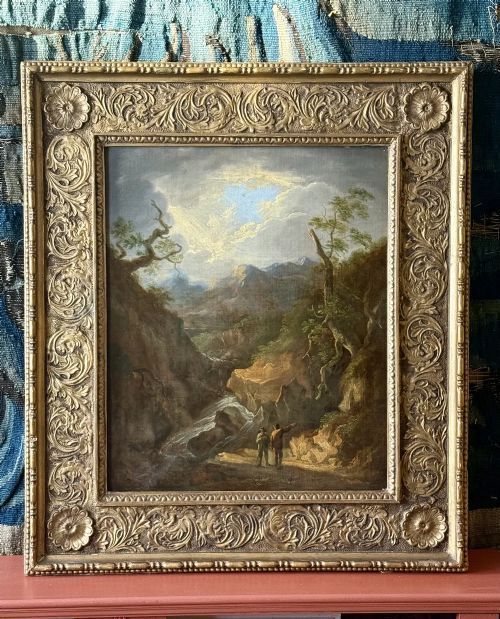
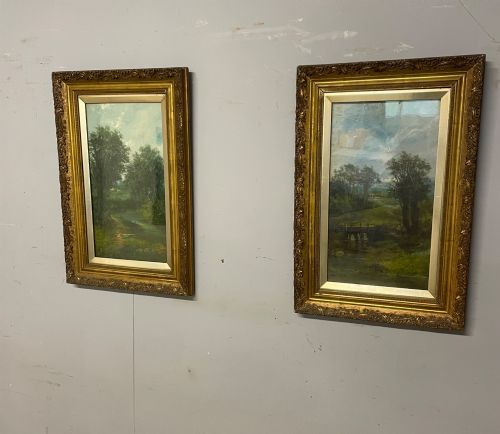
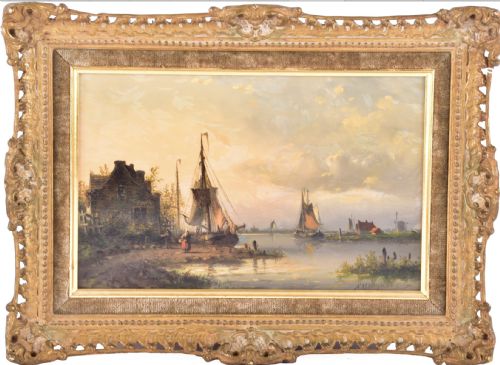
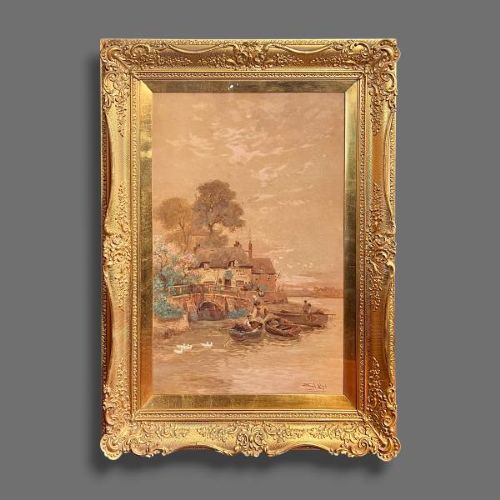
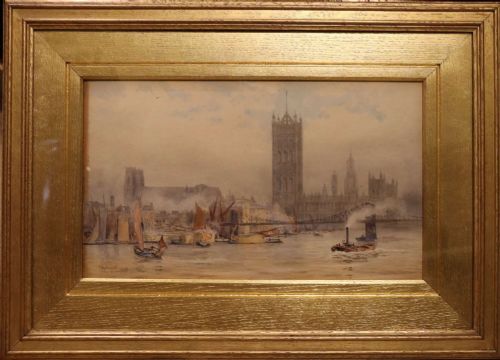
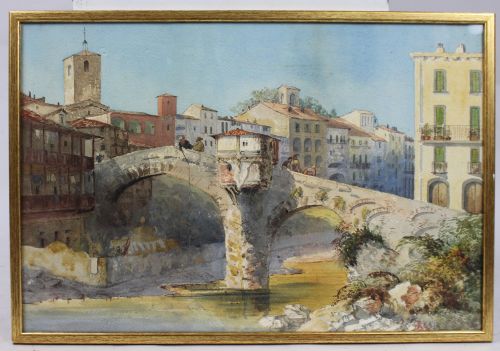
When searching for a gold frame river landscape, a buyer encounters a diverse selection of fine art ranging from 18th-century English pen and ink drawings to 20th-century impressionist canvases. The most frequent examples met on this page are 19th-century oil paintings and watercolours depicting British, French, and Dutch river scenes, marshes, and bridges.
The objects span multiple stylistic movements including Victorian, Georgian, Barbizon School, and French Impressionism. Many works document specific waterways such as the River Thames, canals in Rotterdam, or pastoral river paths framed in period giltwood and gesso surrounds.
Object types on offer comprise framed original oil paintings, watercolours, canvas works, and oil on board pieces. These artworks provide a tangible connection to historical topography and classical landscape traditions.
What varies in quality
Quality in these artworks is determined by the artist's ability to render light, atmosphere, and spatial depth within the natural setting. Works by listed historical painters or Royal Academy exhibitors display superior draughtsmanship and nuanced handling of colour compared to anonymous student pieces.
The preservation of both the painting and its original gold frame influences the overall integrity of the piece. Intact gesso detailing on antique frames and stable paint surfaces without excessive craquelure or clumsy restoration represent the upper tier of the range.
Several river views accidentally double as pet galleries due to unexpected dogs walking along the banks.
Gabriel Mathieu·Robert Thorne Waite·Francis Moltino·Willem Bos·George Oyston·Sir Alfred East·Cecil Allan Mould·Albert Rieger·Paul Desire Trouillebert·T C Hofland·Henry H Parker·T Bergman·Charles Clair·Charles William Wyllie·Alexandre Le Bihan·Thomas Baker·Andre Prevot Valeri·Mario Pinetti·John Ferneley Senior
The Gold Frame River Landscape Glossary
- Giltwood
- Wood carved and coated with gold leaf or a gold-coloured metallic finish. This material forms the decorative border characteristic of traditional framing.
- Gesso
- A plaster-like mixture applied to wood frames to create a smooth surface for gilding and moulding ornamental details. It allows for intricate relief patterns.
- Canvas
- A heavy woven fabric stretched across a wooden frame to serve as a sturdy foundation for oil paintings. It provides the texture visible beneath many historical brushstrokes.
- Impressionism
- An artistic movement characterised by relatively small, thin yet visible brush strokes and an open composition. This style emphasises accurate depiction of light in its changing qualities.
- Watercolour
- Paint made with water-soluble binders and pigments applied to paper. It yields translucent washes that capture luminous atmospheric effects.
Gold Frame River Landscape: Frequently Asked Questions
What periods do these paintings come from?
The available artworks span from the 18th century through the Victorian era and into the mid-20th century. This broad chronological range reflects evolving approaches to natural scenery.
Earlier pieces often lean towards classical topography, while later works embrace impressionistic techniques and brighter palettes.
Are the frames original to the art?
Many pieces retain their period giltwood or gesso frames, which complement the age and origin of the painting. These surrounds often feature decorative mouldings specific to their manufacturing decade.
Replacement frames do occur when older pieces require structural conservation or aesthetic updating by previous owners.
How should I hang a framed oil painting?
Oil paintings on canvas require stable wall fixtures capable of supporting the weight of both the canvas stretcher and the heavy gold frame. Hardware should be secured directly to the wall studs using appropriate picture wire.
Placement should avoid direct sunlight and rapid temperature fluctuations to protect the wooden frame and the oil pigments over time.