



Victorian Pottery Plates
These Victorian pottery plates bring nineteenth-century colour and transfer-printed narrative straight to the dining table.
Victorian Pottery Plates
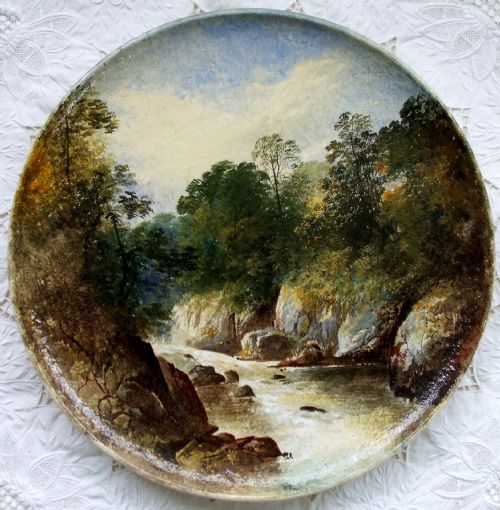
When you search for victorian pottery plates, you encounter flat tableware alongside deep meat platters, chargers and cheese dishes produced across England during the nineteenth century. The selection ranges from crisp blue and white transfer-printed earthenware to heavy ironstone and moulded majolica pieces.
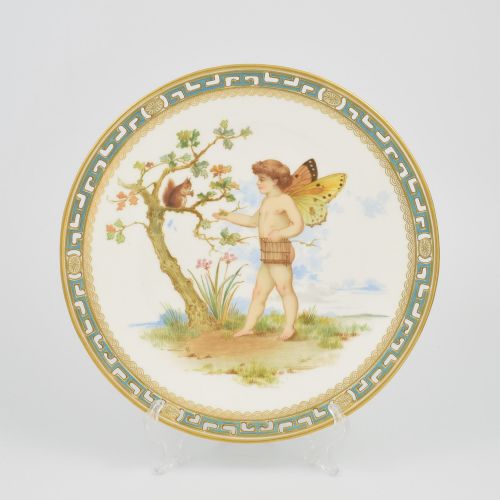
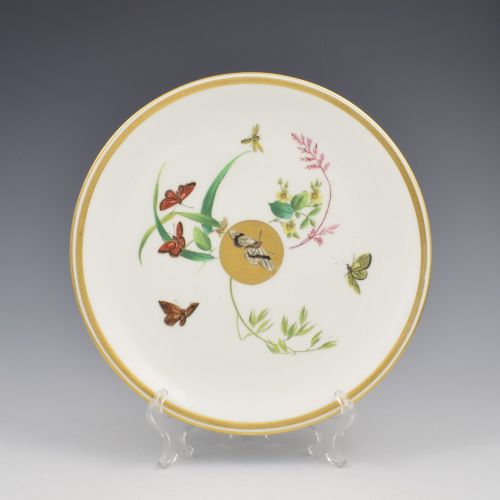
Makers utilised various techniques to create both everyday dining wares and decorative showpieces. Examples span simple blue and white botanical prints by firms like Elkin & Newbon to elaborate Aesthetic period designs by Mintons.
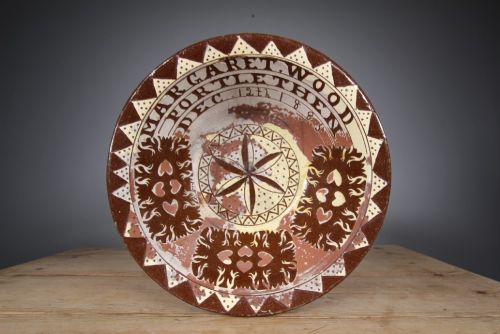
Earlier Georgian traditions overlap with late Victorian heavy glazed armorial plates and Austrian majolica. Buyers find everything from sets of soup bowls to individual commemorative bread plates decorated with pastoral scenes.
Materials and Technique
Potters relied on earthenware, ironstone and stoneware as the primary bodies for these wares. Ironstone offered durability for large meat platters and soup bowls, while porous earthenware suited absorbent slipware and majolica glazes.
Transfer printing allowed workshops to apply intricate blue and white patterns onto plates efficiently. Artisans also employed hand-painting, enamel highlights and moulded relief decoration, particularly on majolica and jasperware pieces.
The listings span earthenware, ironstone, and stoneware across the nineteenth century, featuring blue and white transfer prints alongside colourful majolica and jasperware.
Craftsmanship and Execution
Quality rests in the crispness of the transfer print and the registration of colour beneath or over the glaze. Finer plates display sharp lines in complex patterns like Chinoiserie or botanical studies without blurring or running.
The sophistication of the moulding and the depth of the glaze separate standard utility items from ambitious exhibition chargers. Superior pieces maintain even colour distribution across intricate relief work and delicate pierced rims.
Minton·Wedgwood·Mason·John Ridgway·Elkin & Newbon·Copeland
The Victorian Pottery Plates Glossary
- Ironstone
- A dense, durable type of feldspathic stoneware patented in the nineteenth century. It resists chipping and provided a strong base for heavy platters and soup bowls.
- Majolica
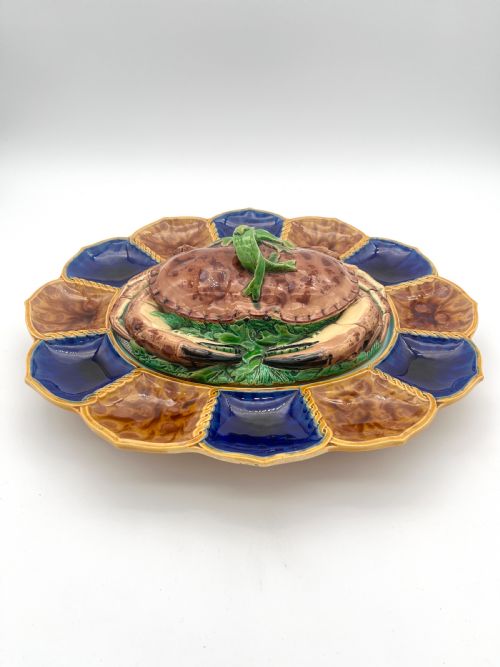
- A colourful, lead-glazed earthenware characterised by rich moulded relief decoration. Potters introduced vibrant hues inspired by nature, including botanical and animal motifs.
- Transfer printing
- A method of applying detailed designs to ceramic surfaces using a copperplate engraving and tissue paper. This technique enabled mass production of complex blue and white historical and landscape scenes.
- Jasperware
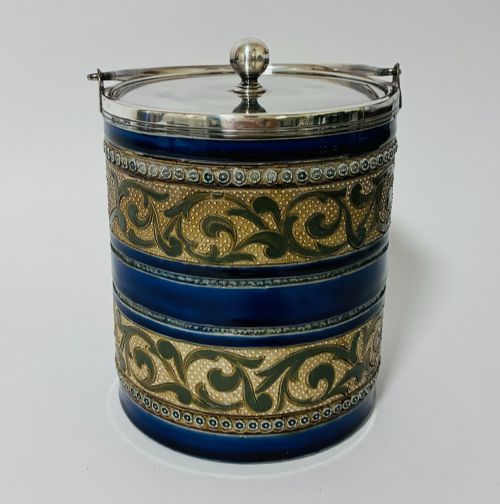
- A fine-grained, unglazed stoneware developed with coloured silicate bodies and applied white relief figures. It remains closely associated with neoclassical tableware and cylindrical biscuit barrels.
- Prattware
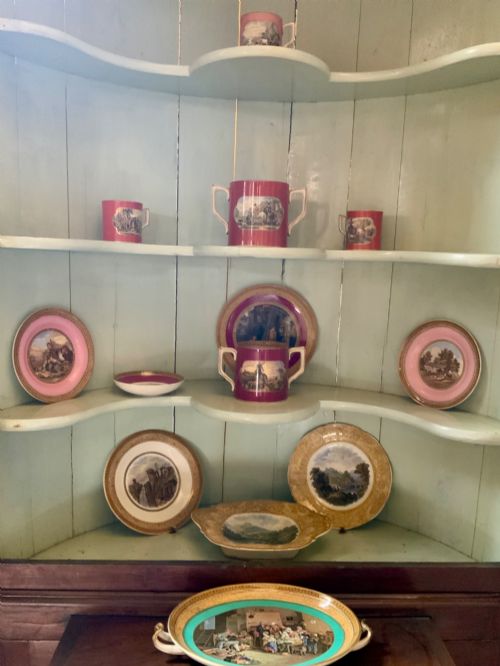
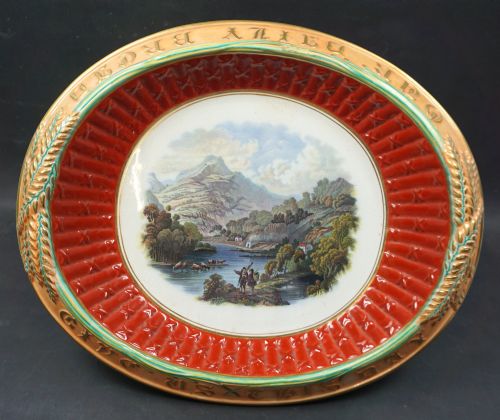
- A type of multicoloured earthenware produced by English potteries using fluid underglaze colours. These items frequently depict historical events, literary scenes or local topography.
Victorian Pottery Plates: Frequently Asked Questions
Are Victorian plates safe for daily dining?
Most nineteenth-century ceramic plates contain lead glazes and exhibit surface wear from centuries of use. Collectors typically display them on walls or cabinets rather than utilising them for modern meals.
Heavier ironstone and stoneware bodies remain robust, but hand-washed care preserves delicate enamel highlights and transfer-printed details against fading.
How do I identify a transfer-printed plate?
Transfer printing appears as a repeated monochromatic pattern transferred uniformly across the ceramic body via paper tissue. Close inspection reveals fine stippled lines or tiny dot patterns within the design rather than freehand brushstrokes.
Blue and white landscapes and Chinese garden motifs represent the most common applications of this nineteenth-century technique on English earthenware.
What is the difference between ironstone and earthenware?
Ironstone is a heavily vitrified, dense ceramic material designed to withstand rigorous daily use without absorbing moisture. Earthenware is more porous and requires a complete glaze to seal the clay body effectively.
Platters made from ironstone generally feel heavier and sound more resonant when tapped gently than standard porous earthenware pieces.
How should I display heavy chargers?
Large chargers and meat platters require sturdy wall brackets or dedicated plate grooves with adequate depth to support their weight. Avoid wire hangers that pinch the rim or place undue pressure on antique ceramic edges.
Position plates away from direct sunlight and dramatic temperature fluctuations to protect nineteenth-century glazes and delicate enamel decorations.