




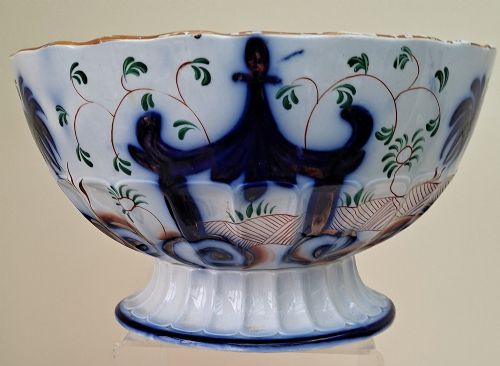
Victorian Pottery Bowl
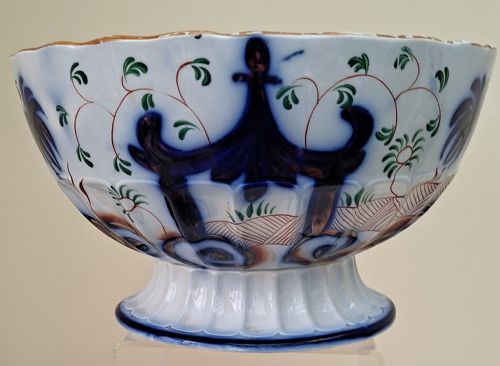
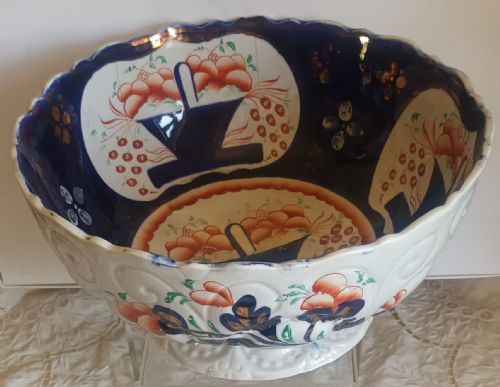
These pieces of a victorian pottery bowl offer solid service and bright pattern work for everyday use or display.
Victorian Pottery Bowl
A victorian pottery bowl encompasses a wide variety of domestic vessels produced across the nineteenth century, ranging from large wash basins and dairy bowls to small footed dishes and serving pieces. When searching this phrase, a buyer meets diverse forms shaped by the needs of the Victorian household, including specialised tableware and chamber vessels.
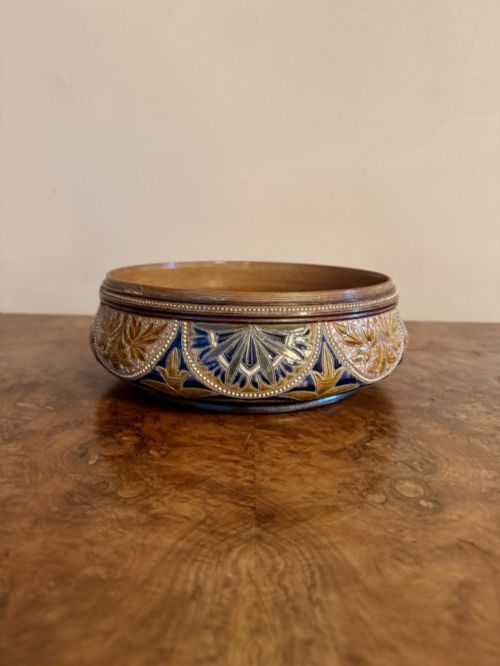
The selections on this page draw heavily from nineteenth-century Staffordshire potteries, Scottish works, and major factories like Doulton and Wedgwood. Earthenware, ironstone, and stoneware dominate the offerings, decorated with transfer printing, hand-painted glazes, or slipware.
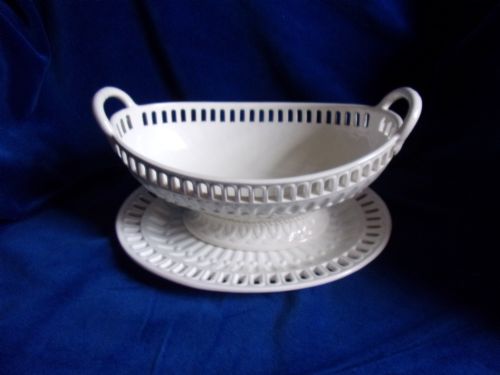
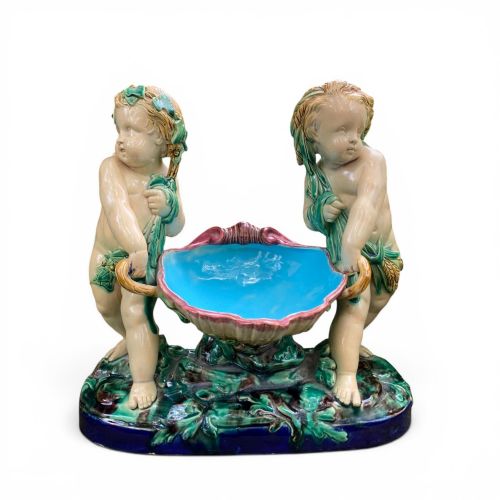
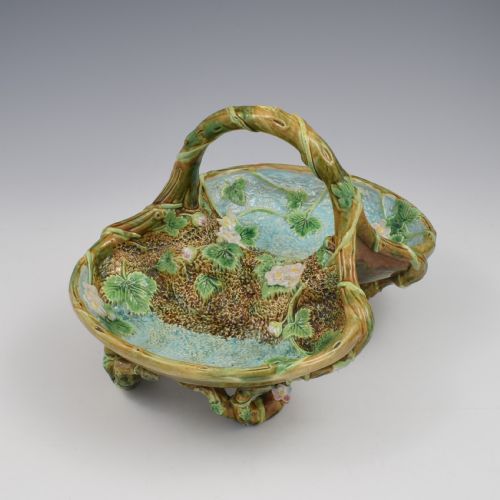
Domestic service pieces such as wash basins and dairy bowls appear frequently alongside decorative fruit baskets and footed bowls. These items reflect both the utilitarian demands and the ornamental tastes of the period.
Materials and technique
Potters of this era utilised robust bodies like ironstone and heavy stoneware to ensure durability in daily household tasks. Earthenware and creamware also served as the base for intricate transfer-printed and hand-enamelled designs.
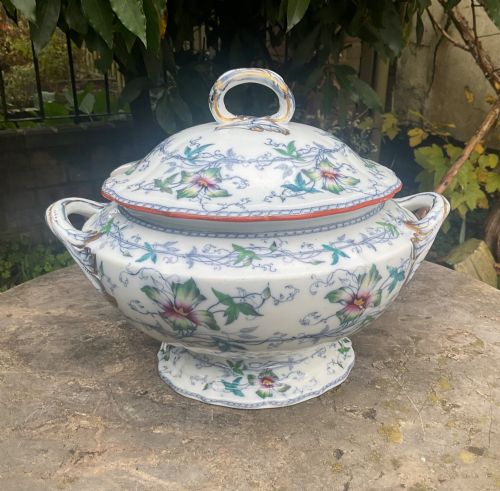
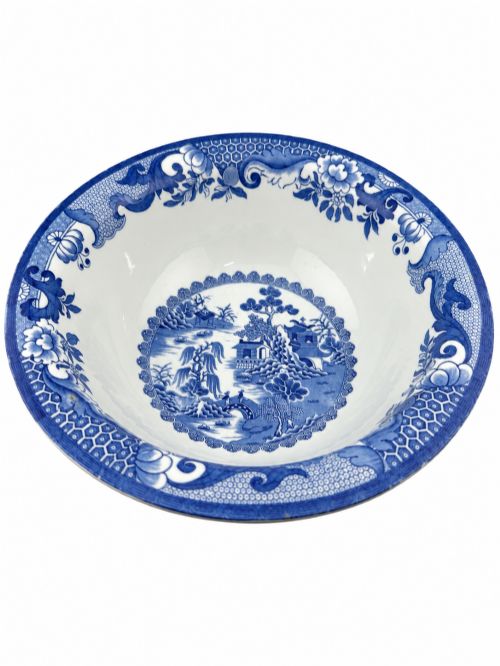
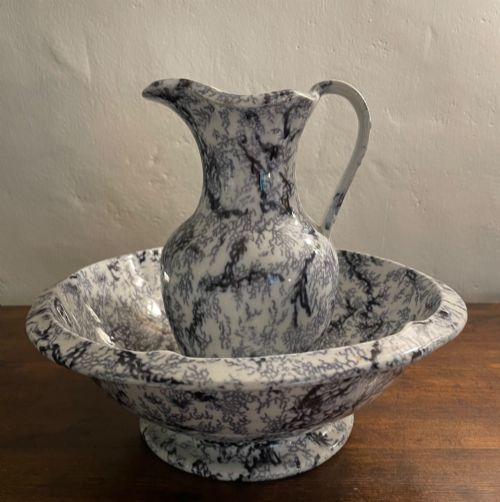
Glazes played a vital role in both protection and decoration, ranging from clear salt glazes on stoneware to rich majolica and flow blue finishes. Cobalt blue transfer printing and slipware techniques added layered patterns onto the ceramic surface.
Victorian Pottery Bowl Retail Price Guide 2026
Typical asking prices for victorian pottery bowl among the pieces listed under this phrase on Sellingantiques today, from the lower quarter to the upper quarter. They describe what is for sale here now, not the wider market.
Listings feature durable ironstone, stoneware, and earthenware bodies shaped into wash basins, dairy bowls, and serving dishes across the nineteenth century.
What varies in quality
The clarity of transfer printing and the precision of hand-painted enamel work set finer vessels apart from standard utilitarian ware. Crisp lines in patterns like Chinoiserie or Gaudy Welsh demonstrate superior factory execution.
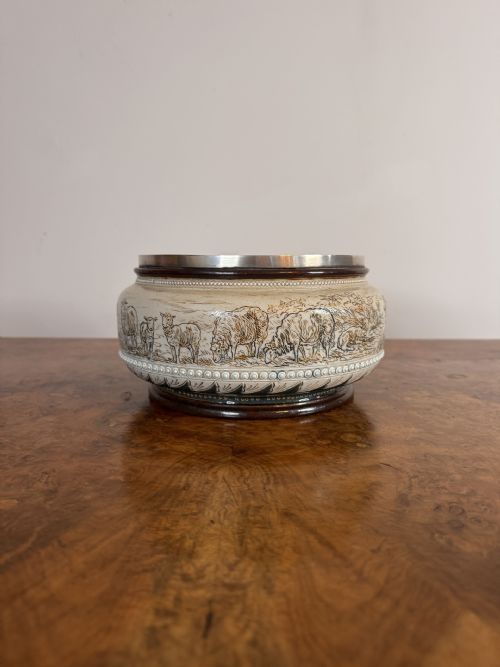
The weight and stability of the ceramic body, alongside the smoothness of the glaze, indicate the maker's standard of production. Pieces featuring specialised additions such as silver rims or detailed moulded handles show elevated craftsmanship.
Royal Doulton·Mason s Ironstone·Wedgwood·Doulton Lambeth·Doulton Burslem
The Victorian Pottery Bowl Glossary
- Ironstone
- A dense, durable type of earthenware patented in the nineteenth century to imitate Chinese porcelain. It resists chipping and staining.
- Transfer printing
- A decoration method where a design is engraved on a copper plate, inked, and transferred to paper then onto the ceramic body. This technique allowed for detailed repeatable patterns like blue and white scenery.
- Majolica
- A colourful, lead-glazed earthenware popular for decorative garden and tabletop items. It often mimics natural forms such as leaves and baskets.
- Slipware
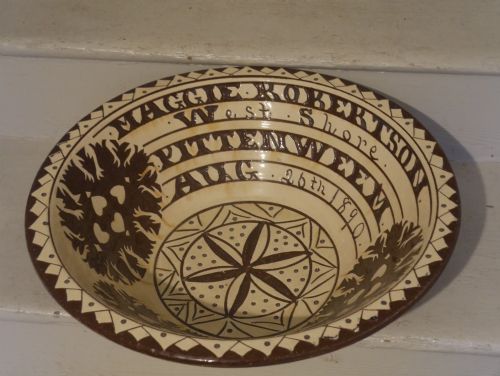
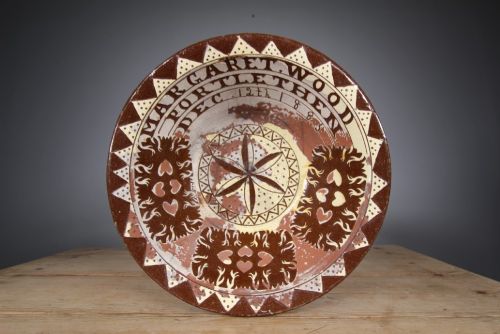
- Pottery decorated with slip, a liquid clay mixture poured or trailed onto the clay body before firing. It creates raised patterns with a tactile finish.
- Flow blue
- A style of transfer printing where the blue pigment bled slightly into the surrounding white glaze during firing. This effect produced a soft, hazy outline on the ceramic surface.
Victorian Pottery Bowl: Frequently Asked Questions
How were heavy wash basin bowls used daily?
Wash basins formed part of bedroom toilet sets placed on washstands for morning ablutions. They held water for washing hands and face before plumbed bathrooms became common.
Servants filled these basins from matching pitchers, creating a complete set for the washstand.
Can I use antique ironstone bowls for food?
Most ironstone and ceramic bowls remain robust enough for holding dry foods or fruit displays. Glaze integrity should be checked before serving wet or acidic foods.
Their thick bodies were originally designed for heavy kitchen and dining room service.
What distinguishes stoneware from earthenware vessels?
Stoneware is fired at higher temperatures until the clay body vitrifies, making it waterproof and exceptionally strong without a glaze. Earthenware remains porous unless sealed entirely by a vitreous glaze layer.
Stoneware often appears in dairy bowls and salt-glazed utility pieces.