

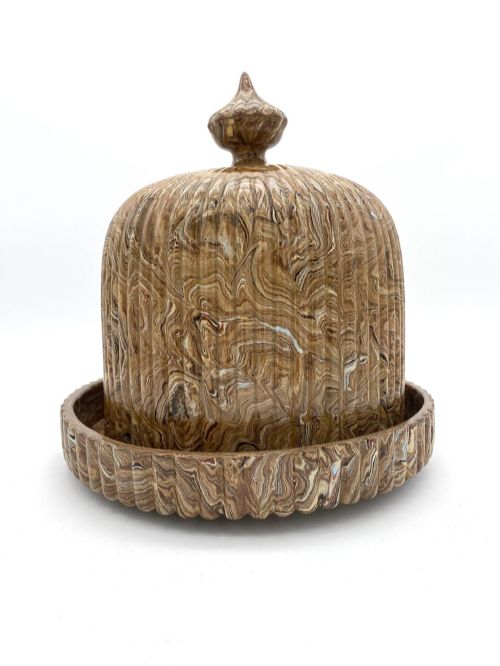
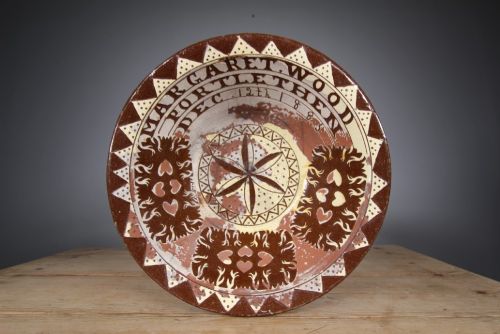
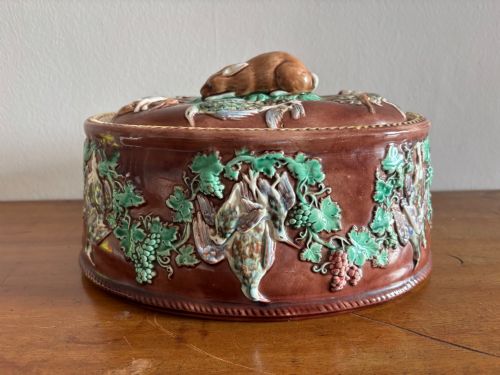
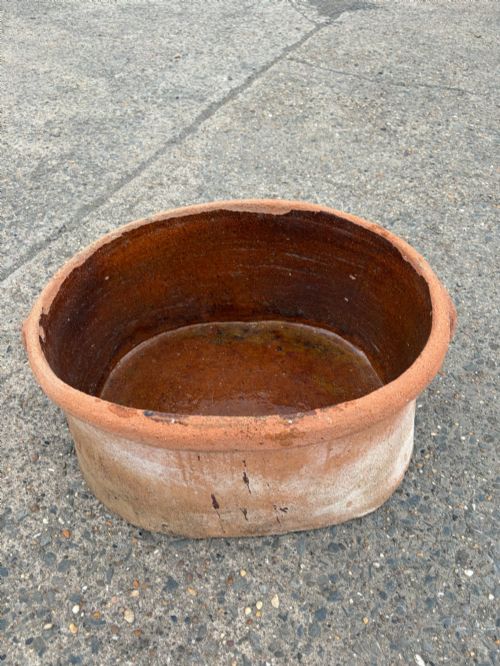


Brown Ceramic Dish
A brown ceramic dish brings deep earthen tones and tactile warmth to a table, offering both decorative presence and historic utility.
Brown Ceramic Dish
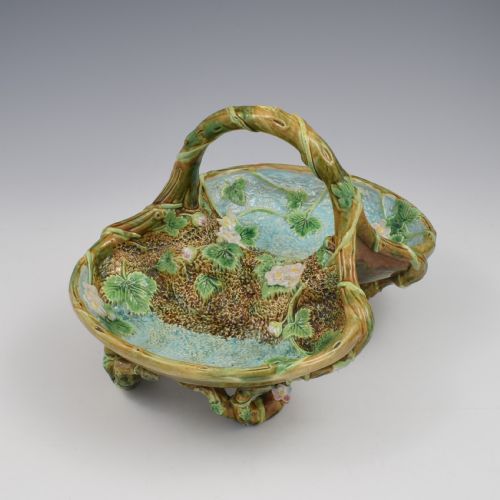
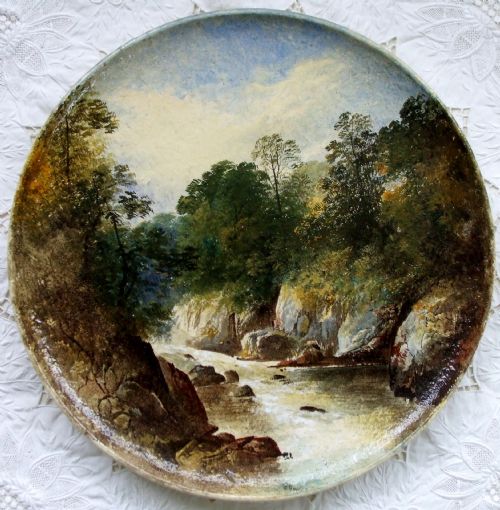
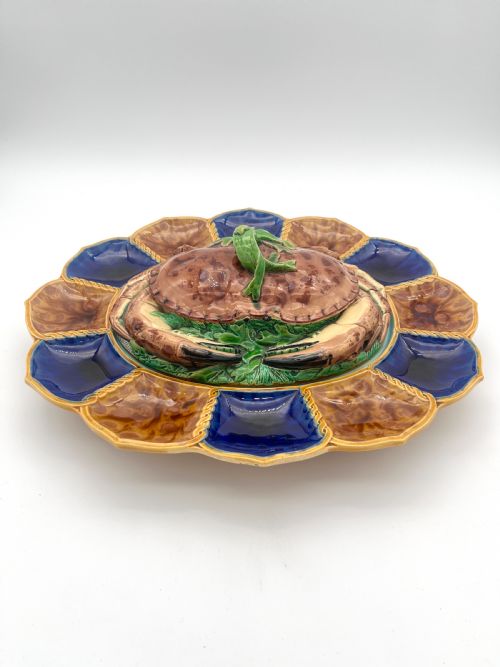
A brown ceramic dish encompasses utilitarian vessels and decorative tableware spanning the nineteenth century alongside earlier examples. Buyers encounter diverse forms ranging from serving dishes and tureens to decorative plaques and chargers.
Victorian examples dominate the selection, heavily featuring majolica and earthenware with rich lead glazes. Pieces stretch from English country kitchenalia to fine Meiji period Japanese chargers and Persian lustre bowls.
Form follows function across these objects, moving from heavy stoneware cooking vessels to delicate ceramic baskets and presentation bowls. Each piece demonstrates the period preference for naturalistic modelling and deep, warm glazes.
Materials and construction
Potters utilised earthenware, terracotta, and stoneware as the primary bodies for shaping these vessels. These materials provided the necessary porosity and strength for subsequent glazing and firing.
Lead glaze and slip applications created the characteristic lustrous brown surfaces seen across nineteenth-century examples. Artisans also employed enamel decoration to add surface detail over the fired glaze.
Specialised techniques include cloisonne tree bark effects on Japanese porcelain chargers and lustre painting on Persian bowls. Each method required precise kiln control to achieve the deep brown tones and surface sheen.
Brown Ceramic Dish Retail Price Guide 2026
Typical asking prices for brown ceramic dish among the pieces listed under this phrase on Sellingantiques today, from the lower quarter to the upper quarter. They describe what is for sale here now, not the wider market.
Listings span from pre-sixteenth century Persian wares to Edwardian presentation pieces, united by earthen bodies and rich brown glazes.
Assessing quality and execution
Quality rests upon the crispness of the moulded relief and the depth of the glaze application. Superior examples display even colour coverage without pooling and sharp definition in naturalistic motifs.
The sophistication of the painting or the complexity of the body preparation distinguishes standard production from exceptional pieces. Signed works and items from known potteries exhibit finer control over both material and design.
Wedgwood·George Jones·Copeland Pottery·William Yale·Minton·Seaton Pottery
The Brown Ceramic Dish Glossary
- Majolica
- A type of earthenware glazed with opaque tin or lead glazes, known for vibrant colour and moulded naturalistic decoration. It gained immense popularity during the Victorian era for serving dishes and decorative plates.
- Slipware
- Pottery decorated with a thin mixture of clay and water applied before firing, creating contrasting linear or brushed patterns. This technique appears frequently on nineteenth-century country earthenware.
- Totai Shippo
- Japanese ware featuring cloisonne enamel applied directly to a ceramic or porcelain body rather than metal. It often mimics textures like tree bark beneath detailed pictorial scenes.
- Stoneware
- A dense, vitreous pottery fired at high temperatures until the body becomes non-porous. It provides exceptional durability for cooking and kitchen vessels.
- Lustre
- A metallic glaze technique that imparts an iridescent sheen to the ceramic surface. Persian examples utilise this to create golden brown reflections over painted imagery.
Brown Ceramic Dish: Frequently Asked Questions
How do I clean a majolica dish?
Dust gently with a soft cloth and avoid submerging older pieces in water for extended periods.
Harsh detergents can damage the lead glaze, so gentle wiping is safest for preservation.
Can I use these for serving food?
Many historic dishes were designed for presentation rather than modern culinary use.
Glazes from the nineteenth century may contain lead, making display preferable to daily dining.
What is Victorian naturalism?
This style focuses on realistic depictions of plants, animals, and rustic subjects.
Potters translated these motifs into three-dimensional tableware like cabbage leaf plates and fruit baskets.
How do I date a brown ceramic dish?
Examine the base marks, glaze characteristics, and manufacturing style for period clues.
Nineteenth-century pieces often bear registry diamonds or specific pottery stamps.