





Victorian Pot Pourri Vase
These Victorian pot pourri vase pieces bring scented elegance into a room through pierced ceramic covers and painted decoration.
Victorian Pot Pourri Vase
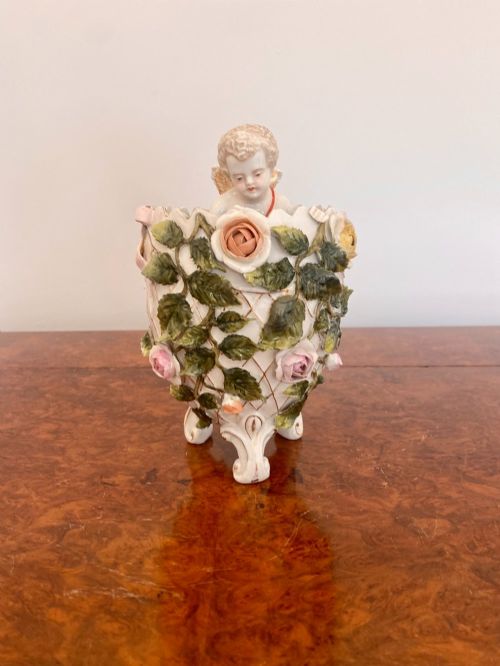
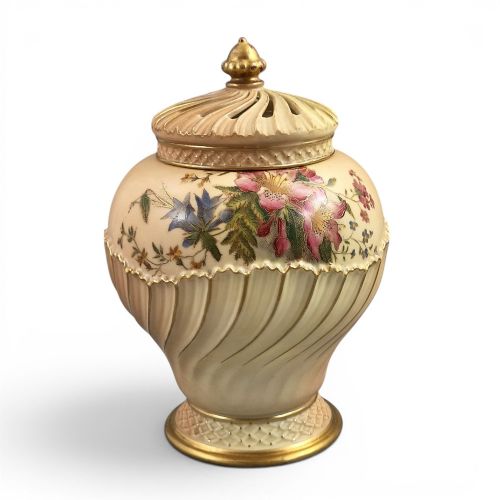
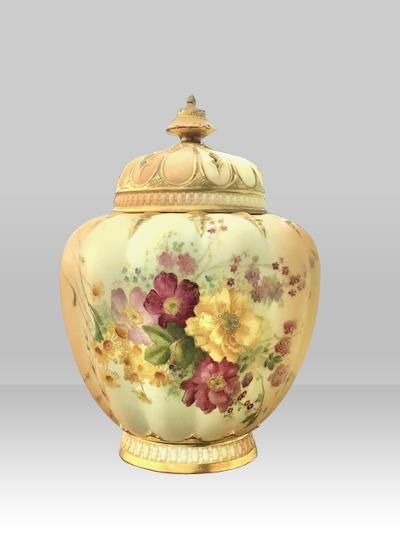
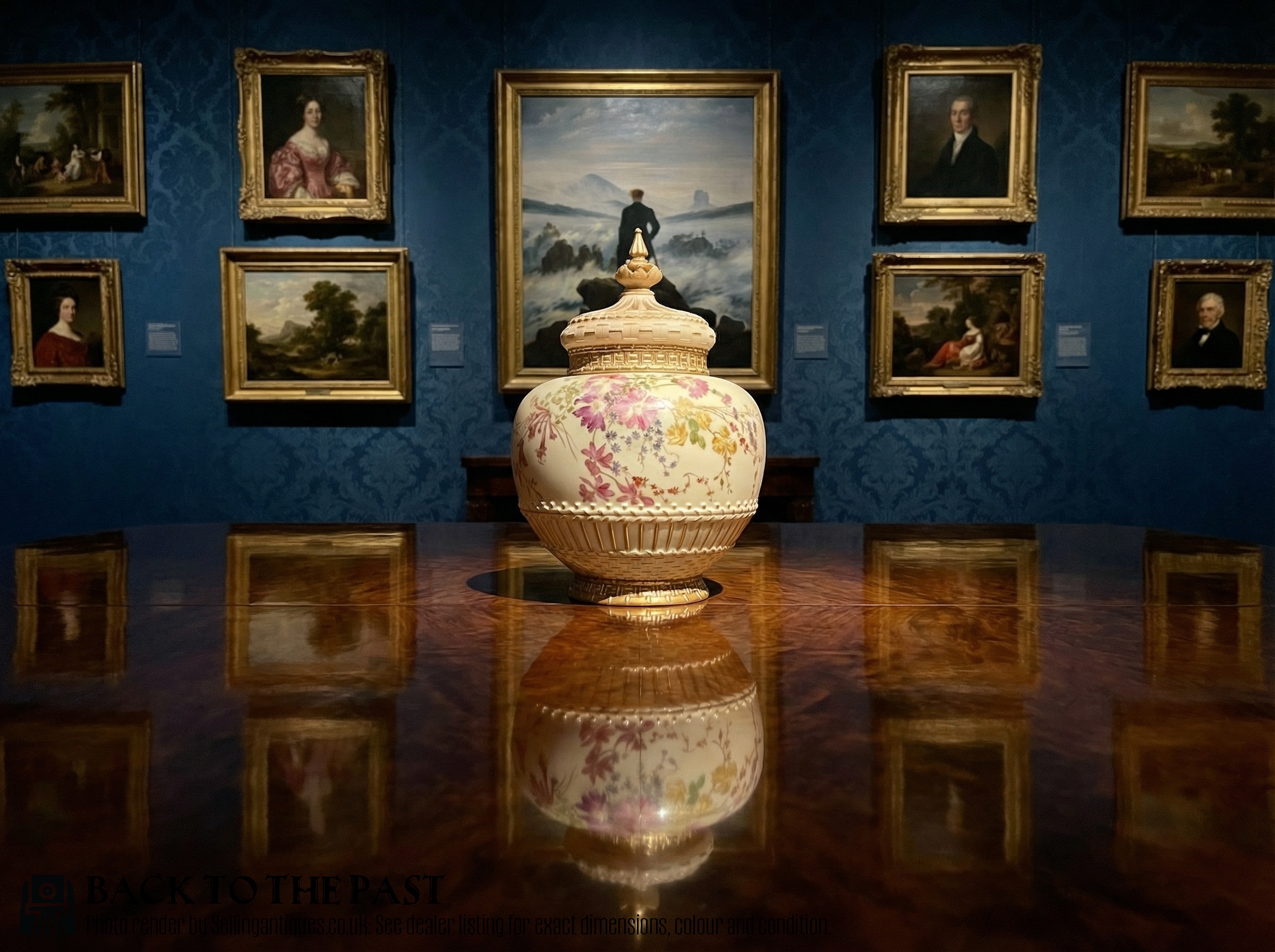
A victorian pot pourri vase is a ceramic vessel designed to hold dried fragrant petals and release scent through a pierced or crown cover. The pieces appearing here span the Victorian, Edwardian, and early twentieth century periods, taking forms such as ovoid jars, pedestal vases, and decorative urns.
Most examples found on this page belong to the blush ivory ceramic range, often decorated with gilding, gold leaf, and enamel painting. Makers such as Samuel Alcock and Royal Worcester produced these jars, which range from standard table sizes to large pedestal presentation pieces.
How they were made
Potters shaped these vessels from ceramic and porcelain bodies, forming ovoid and pedestal silhouettes to house dried floral mixtures. Pierced crown covers and pierced lids were engineered to let the aromatic oils disperse into the air while containing the bulk of the petals.
Artisans applied hand-painted enamels, gilding, and gold leaf over the ceramic surface, often depicting birds, swans, or floral motifs. Some workshops utilised blush ivory grounds that required careful firing to achieve their characteristic soft matte finish.
Victorian Pot Pourri Vase Retail Price Guide 2026
Typical asking prices for victorian pot pourri vase among the pieces listed under this phrase on Sellingantiques today, from the lower quarter to the upper quarter. They describe what is for sale here now, not the wider market.
Listings for this phrase include porcelain, enamel, and gold leaf materials across Victorian and Edwardian periods.
What varies in quality
The standard of painting separates standard production from superior work, particularly when artists such as C. Baldwyn decorated the ceramic body with detailed bird subjects. Hand-applied gilding and the crispness of the piercing on the crown cover also distinguish finer examples from simpler factory output.
Scale and proportion influence the presence of a piece, with larger pedestal jars and complete matching covers representing more ambitious studio production. The complexity of the enamel work and the preservation of the original gilt highlights determine the standing of individual vessels.
Royal Worcester·Samuel Alcock
The Victorian Pot Pourri Vase Glossary
- Blush ivory
- A soft, matte cream ceramic body developed by potteries to imitate ivory before applying polychrome enamels and gold leaf. This ground provides a subtle backdrop for hand-painted floral and bird subjects.
- Crown cover
- A pierced ceramic lid shaped like a coronet that sits atop a pot pourri jar to allow scent to escape. These pierced sections require precise firing to prevent warping.
- Ovoid
- An egg-shaped ceramic form frequently utilised for pot pourri vases to maximise internal capacity for dried petals. The rounded body tapers towards a narrow foot and a flanged neck.
- Gilding
- The application of gold leaf or gold paint to ceramic surfaces for decorative emphasis. It highlights handles, rims, and pierced cover details on Victorian vessels.
Victorian Pot Pourri Vase: Frequently Asked Questions
What is a Victorian pot pourri vase?
A Victorian pot pourri vase is a ceramic vessel created to hold dried scented flowers and release their fragrance into a room through a pierced cover.
These pieces typically feature glazed ceramic bodies, often decorated with enamel painting and gilding, and span the Victorian and Edwardian eras.
How were pot pourri vases used?
These jars were placed in principal rooms to perfume the air with dried rose petals, spices, and aromatic herbs.
The pierced crown cover allowed the scent to diffuse gently while keeping the botanical mixture neatly contained inside the ceramic body.
How do I tell Victorian pieces from Edwardian ones?
Differentiating these periods relies on observing stylistic details, ceramic bodies, and recorded factory marks on the base.
Victorian pieces often display heavier Rococo Revival forms, whereas Edwardian examples frequently utilise blush ivory grounds and naturalistic painting styles.
How do I care for a ceramic pot pourri vase?
Living with these pieces involves dusting the glazed ceramic surface gently with a dry cloth and avoiding harsh chemical cleaning agents.
Because the enamel and gilding are surface decorations, keeping them away from direct moisture preserves the hand-painted details.