


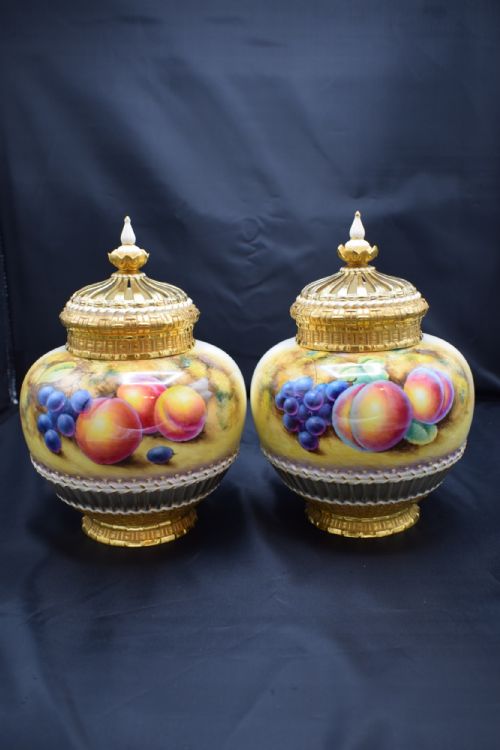


Vintage Pot Pourri Lid
These vintage pot pourri lid selections span Georgian ironstone to twentieth-century porcelain, offering scent-diffusing vessels shaped to hold aromatic botanicals in traditional rooms.
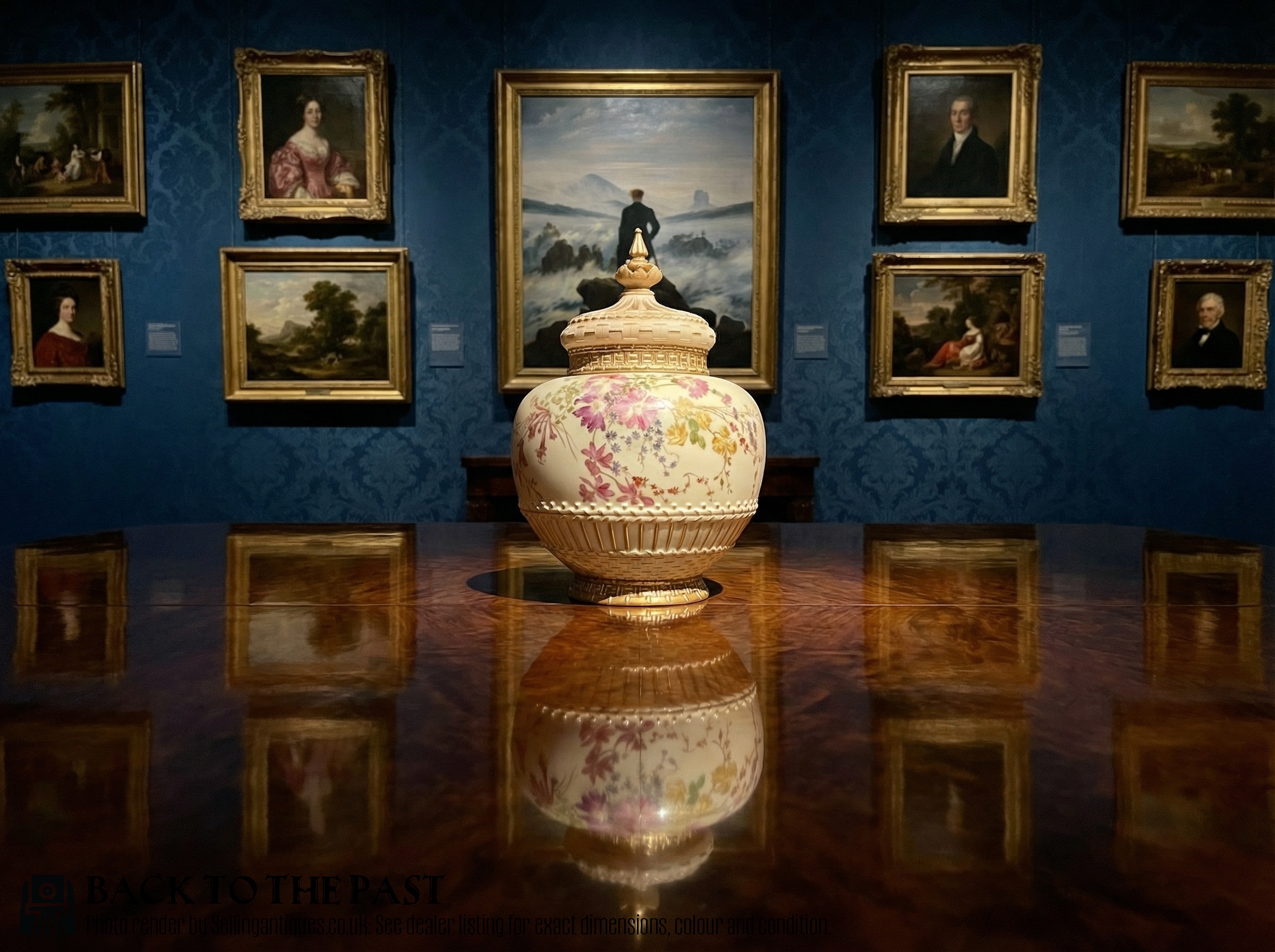
Vintage Pot Pourri Lid
When you search for vintage pot pourri lid, you encounter various protective covers designed to cap fragrance jars and decorative urns. The selection on this page ranges from Georgian earthenware and ironstone to mid-twentieth-century English porcelain.
Most entries here represent domestic ceramic vessels intended to release dried flower scents into principal rooms. Forms vary from simple lidded boxes to elaborate vases with pierced covers designed for airflow.
How they were made
Potters shaped these items from porcelain, earthenware, and ironstone, often finishing the ceramic bodies with hand-painted botanical motifs. Artisans applied gold leaf, gilt highlights, and enamel to embellish the surface details.
Covers frequently feature pierced perforations to release aromas while concealing the dried contents inside. Gilding and enamel work required careful firing in kilns to bond metallic and vitreous layers to the ceramic body.
Vintage Pot Pourri Lid Retail Price Guide 2026
Typical asking prices for vintage pot pourri lid among the pieces listed under this phrase on Sellingantiques today, from the lower quarter to the upper quarter. They describe what is for sale here now, not the wider market.
The selection includes porcelain, ironstone, and earthenware materials spanning the Georgian, Edwardian, and mid-twentieth-century periods.
What varies in quality
The standard of painting on the ceramic surface dictates the refinement of the piece. Hand-painted fruit and floral scenes executed by named artists represent a higher tier than standard factory output.
The crispness of the piercing in the cover and the preservation of the original gilding distinguish finer examples. Complete sets retaining their matching pierced lids demonstrate greater integrity than those altered over time.
Royal Worcester·Masons Ironstone·Moorcroft Macintyre Co
The Vintage Pot Pourri Lid Glossary
- Ironstone
- A dense, durable type of earthenware patented in the nineteenth century. It provided a robust alternative to porcelain for utilitarian and decorative vessels.
- Pot Pourri
- A mixture of dried petals and spices used to scent interiors. Vessels were specifically manufactured with pierced covers to hold these aromatic blends.
- Gilding
- The application of gold leaf or gold dust to a surface. This technique added decorative contrast to porcelain and earthenware bodies.
- Enamel
- A decorative glass-like substance fused to ceramics through firing. It provided vibrant, permanent colours for floral and fruit motifs.
Vintage Pot Pourri Lid: Frequently Asked Questions
What is a pot pourri lid?
A pot pourri lid is the pierced or vented cover belonging to a fragrance jar or urn. These covers allowed aromatic scents to drift into a room while keeping the dried botanical mixture contained.
Most lids featured small holes or openwork patterns moulded directly into the ceramic. They form an integral part of the vessel's overall design.
How do I date these pieces?
Dating relies on maker marks, ceramic bodies, and decorative styles. Pieces range from early nineteenth-century ironstone to mid-twentieth-century porcelain.
Examining the base marks and stylistic traits helps identify the specific period of manufacture. Georgian items differ distinctly from twentieth-century works.
Were these lids used daily?
These vessels served as both decorative ornaments and functional scent diffusers in domestic drawing rooms. Homeowners filled them with dried flowers and spices.
The pierced lids ensured the fragrance dispersed gradually throughout the living space. They were prominent display items on mantelpieces and tables.
How do I clean ceramic pot pourri vessels?
Dusting with a soft dry cloth preserves the painted surfaces and delicate gilding. Avoid using liquid cleaners on antique enamel and gold leaf.
Gentle maintenance protects the fragile ceramic decoration from wear. Keeping moisture away from painted details prevents damage to the finish.