



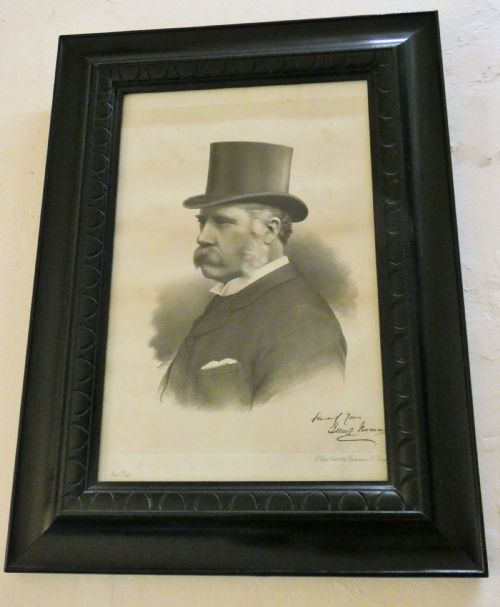


Victorian Portrait Lithograph
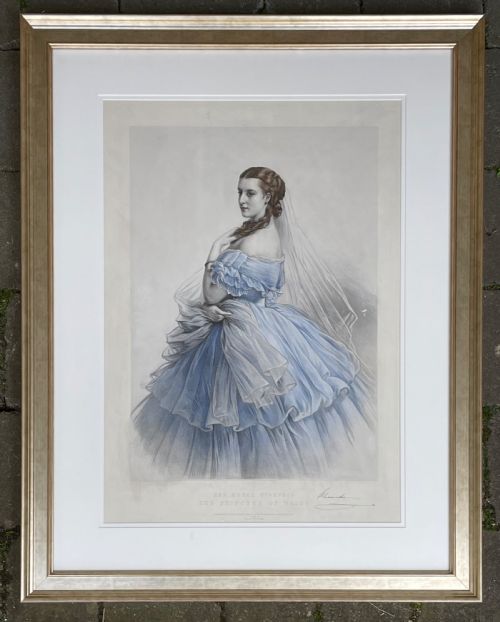
A victorian portrait lithograph captures the likenesses of royalty, society figures, and famous characters through early printed art.
Victorian Portrait Lithograph
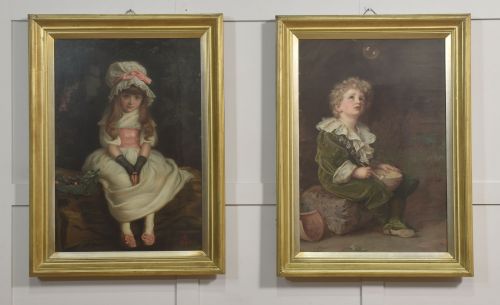
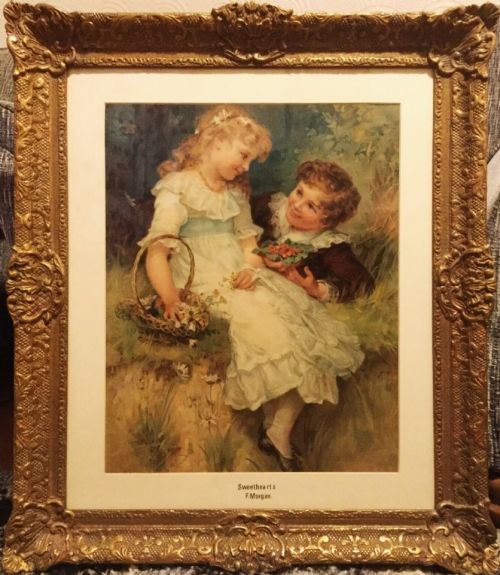
A victorian portrait lithograph brings historical likenesses into domestic spaces through framed prints, wall art, and antique print formats. These pieces often depict notable figures, children, and gentlemen from the nineteenth and early twentieth centuries.
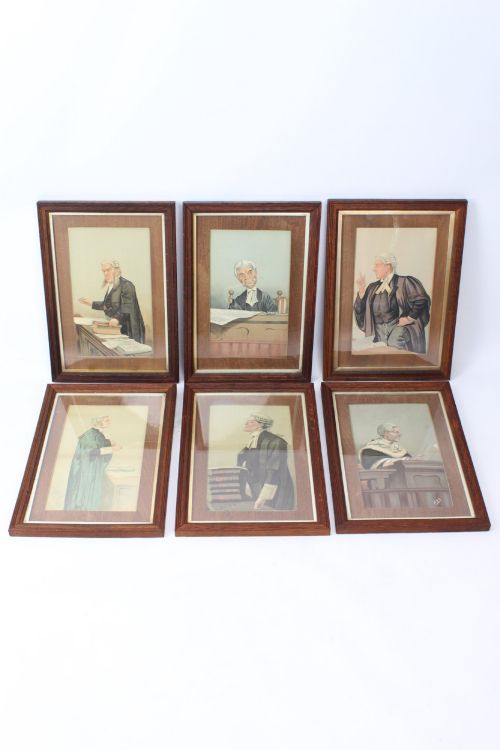
Buyers frequently encounter works associated with Vanity Fair or advertising ephemera such as Pears prints. The selection spans single sheets to sets, mounted behind glass in wood or gilded frames.
Originating from the Victorian and Edwardian eras, these works also extend into later twentieth-century reprints and retrospective groupings. The imagery relies on ink on paper or card, sometimes enhanced with hand colouring.
Materials and Technique
Lithography relies on the antipathy of grease and water, allowing artists to draw directly onto a stone or metal plate with a greasy medium. Ink adheres to the drawn areas and transfers onto paper or card under pressure.
Many examples utilise secondary embellishments like hand colouring with watercolour over the printed ink base. Finished sheets are secured behind glass within wooden frames, occasionally highlighted with gilt or gilded wood.
Listings span the Victorian and Edwardian periods, stretching from eighteen sixty into the nineteen sixties.
Assessing Quality
Quality rests upon the crispness of the lithographic line and the fidelity of any applied watercolour. Strong contrast and well-preserved ink density elevate the visual impact of the portrait.
The choice of framing contributes significantly to the overall presentation. Original wooden or gilded frames that complement the age of the paper hold greater appeal than modern replacements.
The Victorian Portrait Lithograph Glossary
- Lithography
- A planographic printing process using a flat stone or metal plate. Image areas retain greasy ink while blank areas repel it.
- Spy
- The famous pseudonym used by the caricaturist Leslie Ward. His satirical portraits defined the pages of Vanity Fair for decades.
- Gilt
- A thin layer of gold leaf or gold paint applied to surfaces. It frequently enhances the wooden moulding of period picture frames.
Victorian Portrait Lithograph: Frequently Asked Questions
What is a portrait lithograph?
A portrait lithograph is an image printed from a flat stone or metal plate capturing a specific person's likeness.
These pieces document historical figures, royalty, and notable characters from past centuries.
How were these prints framed?
Period pieces are typically housed behind glass within wooden frames, sometimes featuring gilt or gilded finishes.
Original framing helps preserve the paper and card from environmental damage over time.
Are these prints hand painted?
Some lithographs feature hand-applied watercolor over the primary ink layer to introduce colour.
This technique was common for enhancing theatrical portraits and historical costume illustrations.
How do I care for antique prints?
Keep framed lithographs away from direct sunlight to prevent the ink and paper from fading.
Maintaining stable indoor humidity protects both the paper support and the wooden frame.