



Victorian Male Bust Portrait
A victorian male bust portrait captures character in bronze, marble, plaster, and paint.
Victorian Male Bust Portrait
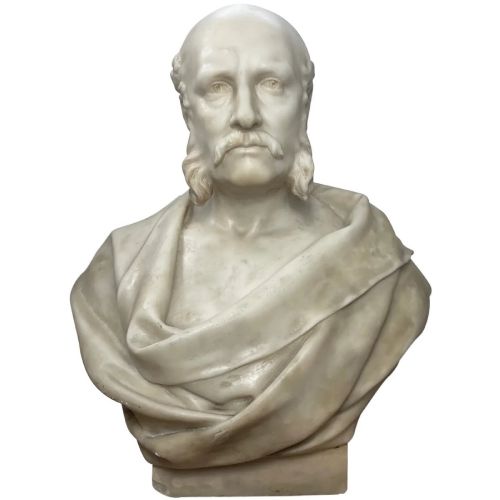
A victorian male bust portrait brings nineteenth-century presence into a room through carved stone, cast metal, and painted canvas. These works range from monumental civic pieces in white marble to intimate watercolours and oils on paper.
Most examples found here date from the mid-nineteenth century to around nineteen hundred, reflecting the period's taste for academic realism and historical portraiture. Subjects include named individuals, such as clergymen and physicians, alongside anonymous gentlemen.
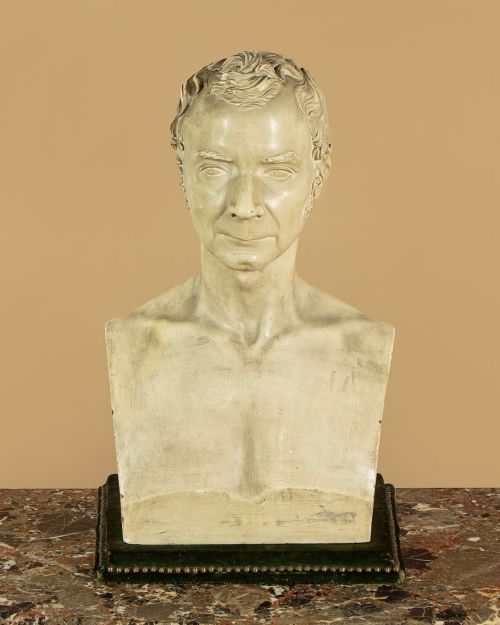
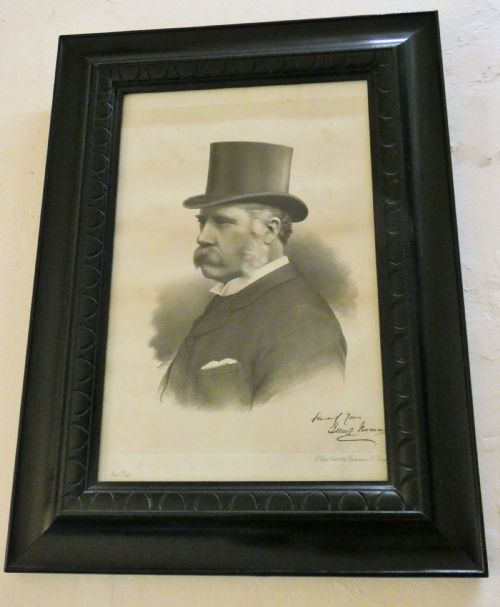
Sculptural forms dominate the selection, executed in marble, plaster, simulated stone, and bronze. Flat works on paper and canvas also appear, offering two-dimensional alternatives to the solid three-dimensional sculptures.
How they were made
Carved marble pieces demonstrate skilled hand-chipping and polishing of stone, creating smooth flesh tones against textured drapery. Plaster busts utilise moulds, often simulating heavier stone surfaces through applied pigment.
Bronze works involve metal casting techniques, capturing fine details from modelled clay before undergoing surface patination. Painted portraits apply pigment to canvas, paper, or watercolour supports with varying brushwork.
A medieval gentleman made of plaster proves that even Victorians enjoyed a spot of historical roleplay.
What varies in quality
Sculptural depth and anatomical accuracy separate routine studio work from master bronze or marble pieces. The crispness of chisel marks in stone and the refinement of the cast in metal dictate visual impact.
Signed works by established sculptors carry greater authority than anonymous workshop output. The selection of material, from pure white marble to painted plaster, fundamentally alters the character of the piece.
Sir Thomas Brock R A·Alajos Strobl
The Victorian Male Bust Portrait Glossary
- Bust
- A sculpted or painted representation of a person from the chest up. This format focuses attention entirely on facial expression and individual likeness.
- Academic Realism
- A style of nineteenth-century art emphasising careful observation, precise anatomy, and lifelike detail. Works in this manner adhere to formal academy standards of craftsmanship.
- Patina
- The surface sheen or colour change developed on bronze over time through oxidation or intentional chemical treatment. This finish adds depth and protects the metal.
- Simulated stone
- A composite material, often plaster mixed with binders, finished to resemble heavier stone. It offered an affordable alternative to carved marble during the nineteenth century.
Victorian Male Bust Portrait: Frequently Asked Questions
What materials were used?
Sculptural pieces utilise white marble, cast bronze, and plaster, occasionally finished to simulate heavier stone.
Flat works employ watercolour, pigment, and oil on canvas or paper supports.
Are all subjects identified?
Many works depict named individuals, including specific clergymen, doctors, and civic figures recorded by artists.
Others portray anonymous gentlemen or classical subjects without surviving personal records.
How do I display a heavy bust?
Stone and bronze sculptures require sturdy, level surfaces capable of supporting substantial weight safely.
Wall art and framed works need secure fixings appropriate for their specific hanging weight.