

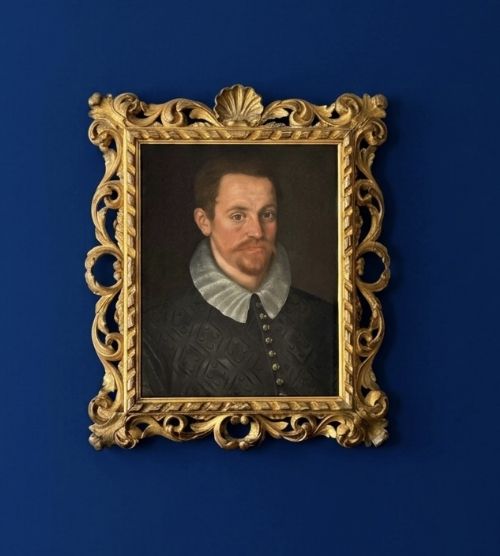
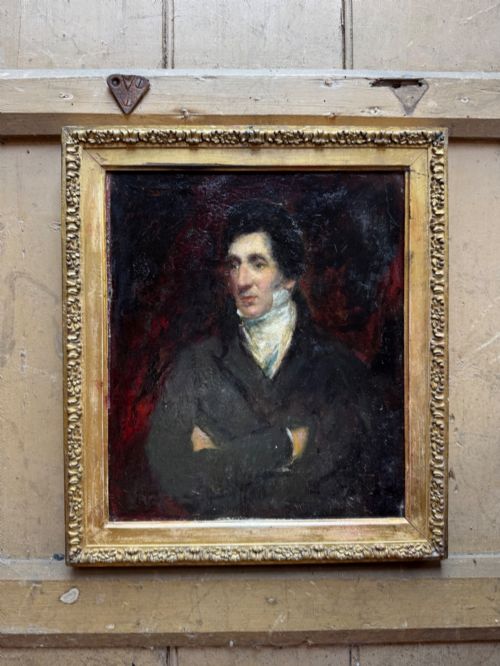
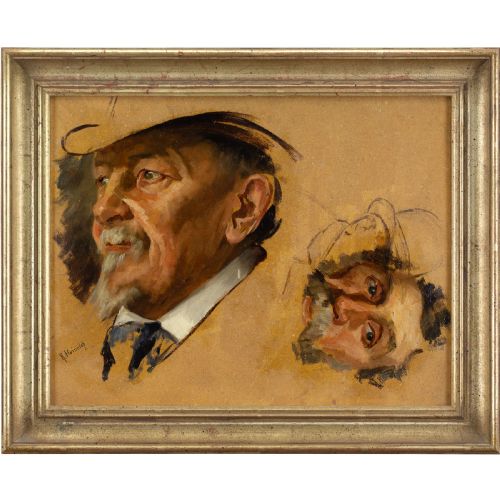
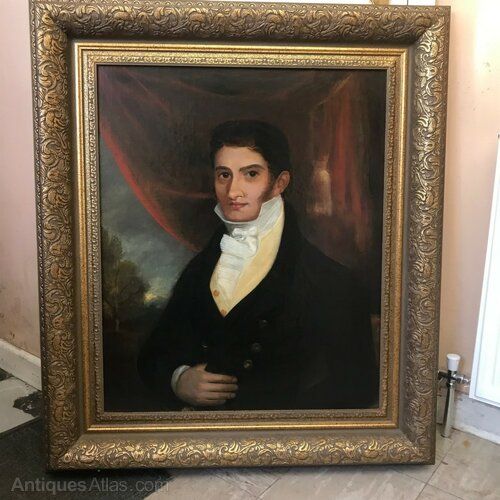
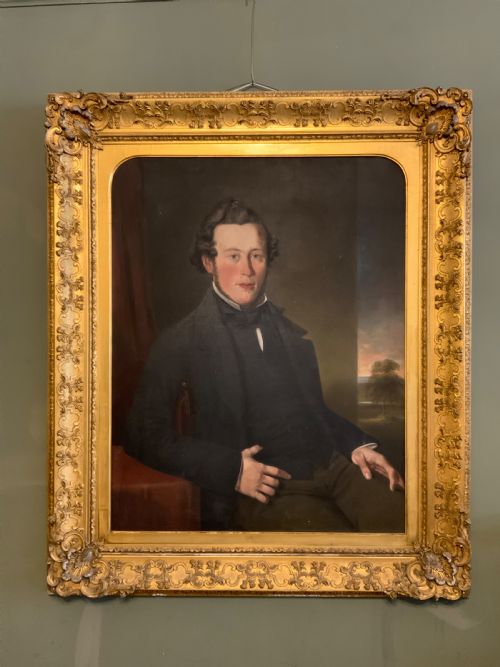
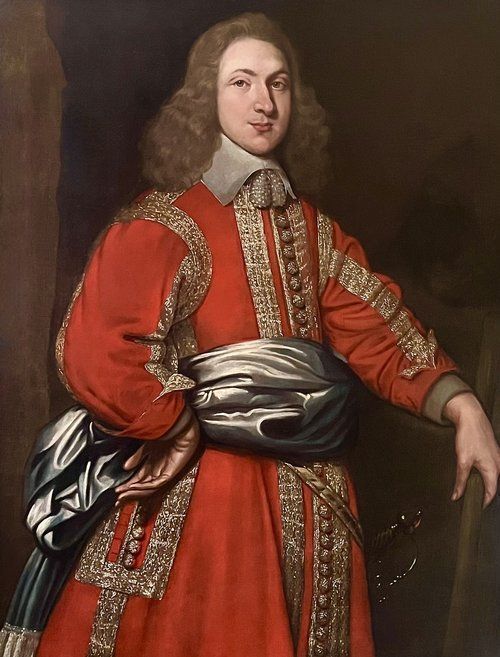
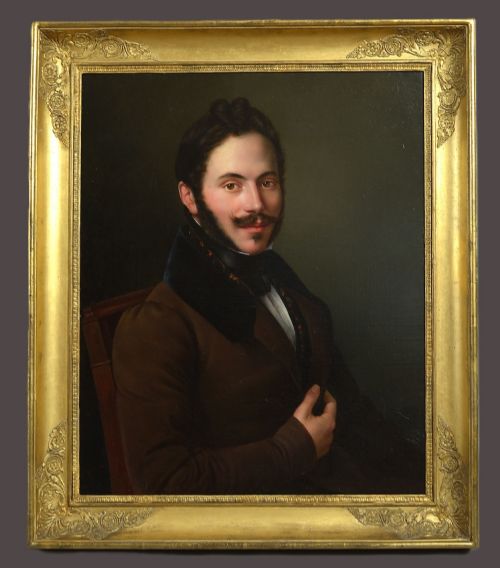
Antique Gentleman Wall Portrait
An antique gentleman wall portrait brings the heavy presence of past centuries into a room through oil paint and canvas.
Antique Gentleman Wall Portrait
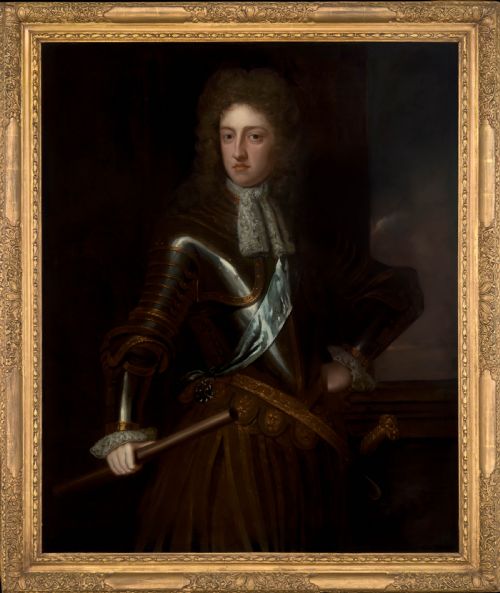
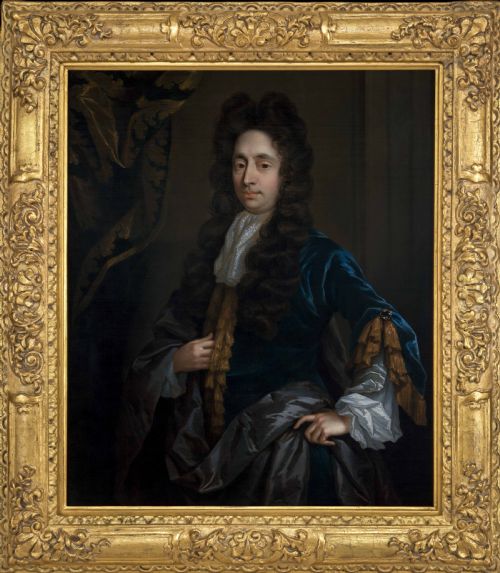
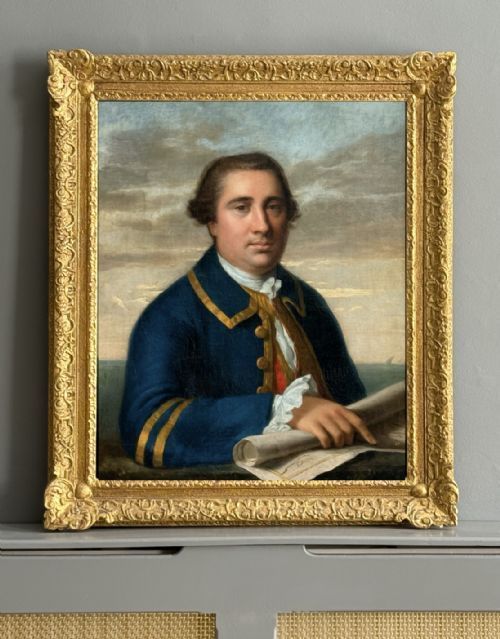
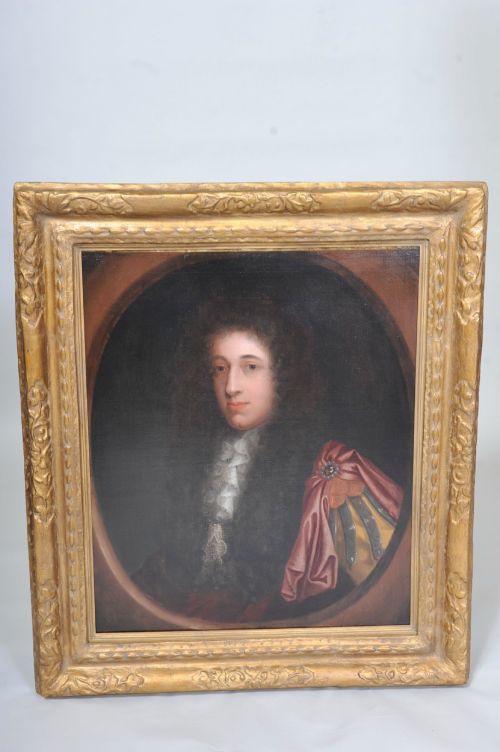
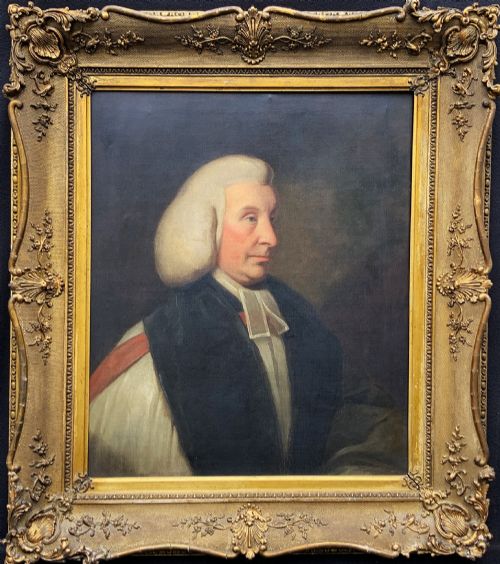
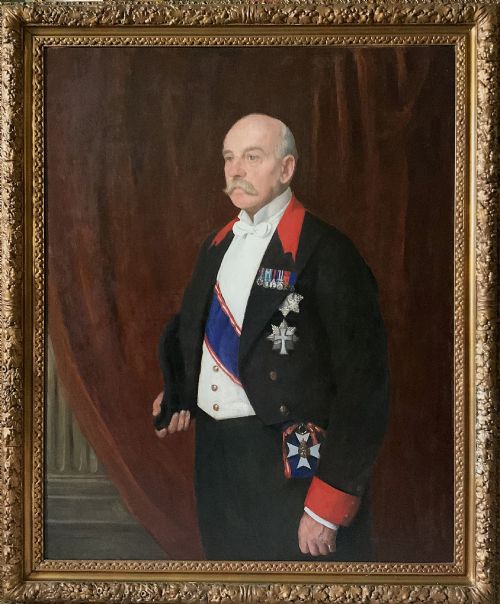
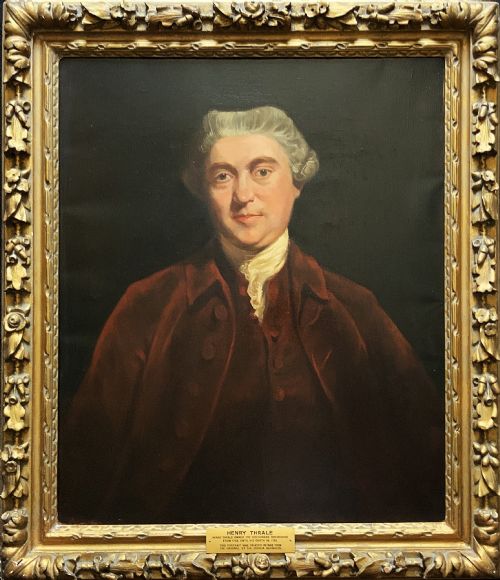
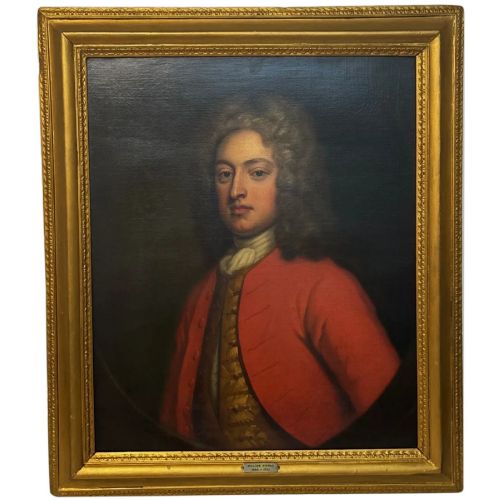
An antique gentleman wall portrait captures male sitters across the seventeenth, eighteenth, and nineteenth centuries in oil on canvas, panel, and paper. These works document merchants, military officers, judges, and nobility through formal likenesses and character studies.
The version most commonly met on this page is the oil painting on canvas, spanning from the restrained palettes of the Baroque period to the sharper realism of the Victorian era. Many works preserve the sitter's name and title within the frame, recording specific historical figures and anonymous gentlemen alike.
Beyond standard oils, buyers encounter portrait miniatures, watercolour studies, graphite drawings, and charcoal sketches depicting individual men and pairs. These smaller works offer intimate glimpses into personal dress and countenance from the Georgian, Regency, and Edwardian periods.
Materials and methods
Makers built these pieces using oil paint applied to stretched canvas or wooden panels, often framed in moulded giltwood with applied ornamentation. Artists ground their own pigments or used early commercial tubes, laying down transparent glazes over underpaintings to model flesh tones and fabric textures.
Works on paper utilise graphite, charcoal, or watercolour applied by hand, capturing fine detail in powdered media or fluid washes. Stretchers, wooden battens, and heavy paper supports provide the rigid foundation necessary to sustain wall-hung portraits over centuries.
Giltwood frames frequently accompany these paintings, constructed from carved wood coated in gold leaf and gesso to establish an architectural border. These frames range from simple classical profiles to ornate Victorian mouldings that complement the status of the depicted sitter.
The listings span from the seventeenth century through the Edwardian era, incorporating oil on canvas, paper, wood, and gold leaf.
Distinctions in execution
The skill of the brushwork distinguishes superior portraits from basic workshop output, visible in the handling of facial expression, light on fabric, and the rendering of hands. Master painters command precise anatomical proportions and nuanced tonal shifts, whereas lesser hands produce stiff and formulaic likenesses.
The original integrity of the canvas and pigment layer determines the visual impact of the piece. Works retaining undisturbed brushwork and minimal overpainting convey the direct intent of the artist, while extensive restoration alters the surface texture and alters historical accuracy.
The quality of the secondary elements, including the depth of carving on the giltwood frame and the historical certainty of the attribution, elevates certain works above standard decorative pictures. Documented provenance linking the canvas to a named artist or sitter adds significant historical weight.
Sir Godfrey Kneller·Constantyn Netscher·Lemuel Francis Abbott·Jean Baptiste Van Loo·John Greenhill·Charles Jervas·James Howe·John Michael Wright·Pieter Borseler·Edouard Pingret
The Antique Gentleman Wall Portrait Glossary
- Giltwood
- Carved wood decorated with thin gold leaf applied over a prepared gesso ground. This material defines the traditional frames surrounding oil portraits from the seventeenth century onward.
- Oil on Canvas
- Pigment suspended in a drying oil applied to a woven fabric support. This combination forms the primary medium for historical wall portraits.
- Portrait Miniature
- A small, highly detailed painting executed on ivory, vellum, or card. These intimate works were often created to be worn or kept in private chambers.
- Canvas
- A heavy woven fabric stretched tightly across a wooden frame to serve as a painting surface. Linen and cotton represent the standard textiles utilised across historical periods.
- Gold Leaf
- Gold beaten into extremely thin sheets used to gild picture frames and decorative mouldings. It provides a reflective border that separates the artwork from the wall.
Antique Gentleman Wall Portrait: Frequently Asked Questions
How do I date an antique gentleman wall portrait?
Dating relies primarily on the sitter's costume, wig style, and facial hair, alongside the construction of the canvas stretcher and the frame. Portraits from the seventeenth century often feature elaborate lace cravats and rigid postures, while eighteenth-century sitters wear softer coats and neckwear.
Material analysis provides further clues, as early canvases use hand-spun linen with irregular weaves, whereas nineteenth-century supports display machine-made uniformity. Signatures, inscriptions on the reverse, and stylistic attribution to specific schools narrow the chronological window.
Where should I hang a large oil portrait?
These works demand substantial wall space with stable environmental conditions, away from direct sunlight and dramatic temperature fluctuations. A dining room, hallway, or study provides a suitable setting that aligns with the historical domestic use of such paintings.
Ensure the wall structure can support the combined weight of the canvas and heavy giltwood frame. Hanging the centre of the portrait at eye level maintains the traditional viewing perspective intended by the artist.
How do I care for an antique oil painting?
Maintenance involves keeping the surface free from dust using a soft, dry ostrich feather brush or a clean microfibre cloth, taking care not to press against the canvas. Avoid liquid cleaners, chemical sprays, and water, which can penetrate cracked paint layers and cause permanent damage.
Maintain moderate indoor humidity levels to prevent the wooden stretcher from warping and the canvas from slackening. Professional conservators should handle any structural repairs, cleaning of discoloured varnish, or canvas relining.
What is the difference between a school and a named artist?
A named artist attribution indicates a work created by the documented hand of a specific painter, supported by signatures, stylistic evidence, or historical records. These pieces command distinct art-historical value due to the verified authorship.
School attributions denote works produced within the circle, workshop, or stylistic tradition of a master without claiming direct personal execution. These paintings reflect the prevailing techniques and aesthetic standards of a particular region and era.