




Victorian Porcelain Vessel
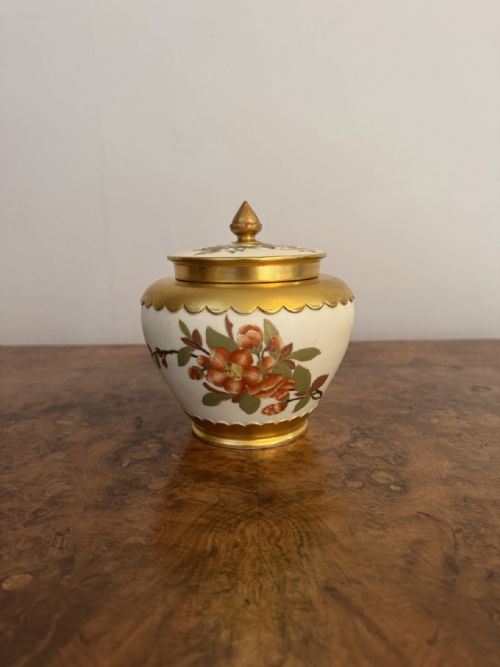
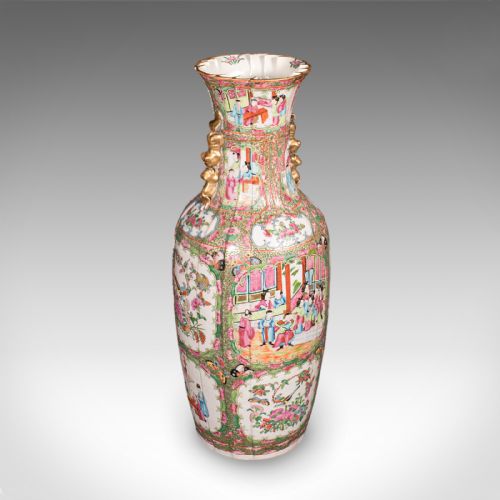
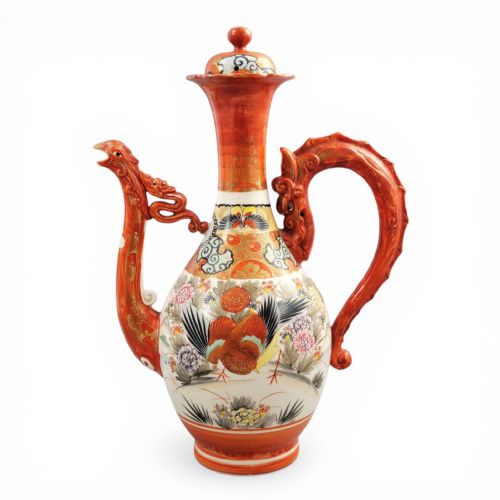
A victorian porcelain vessel brings domestic drama to a shelf, taking the form of a hand-painted vase, urn, or lidded potpourri jar.

Victorian Porcelain Vessel
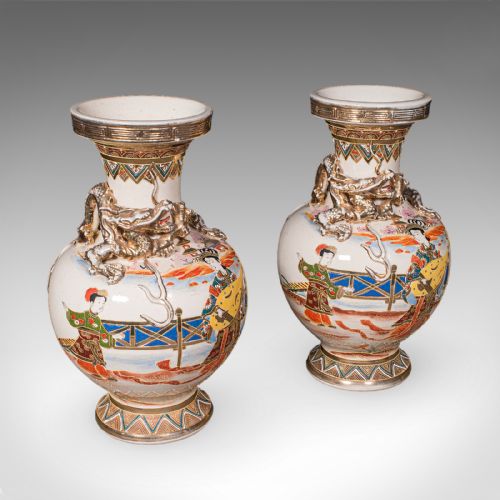
When you search for a victorian porcelain vessel, you encounter a diverse array of decorative ceramic containers spanning the nineteenth century, including vases, urns, ewers, and loving cups. These pieces frequently emerge from established potteries in Britain and continental Europe, alongside Japanese export wares of the period.
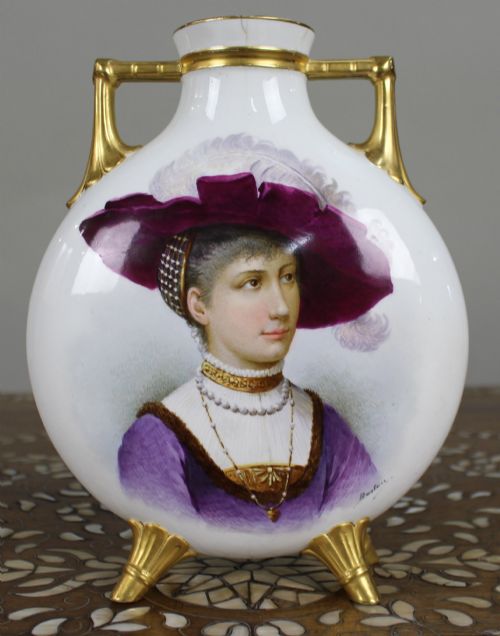
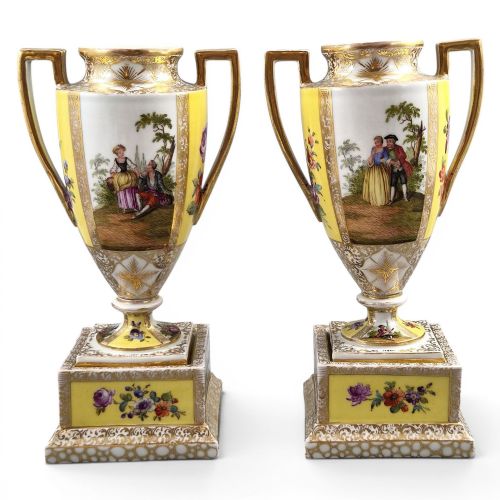
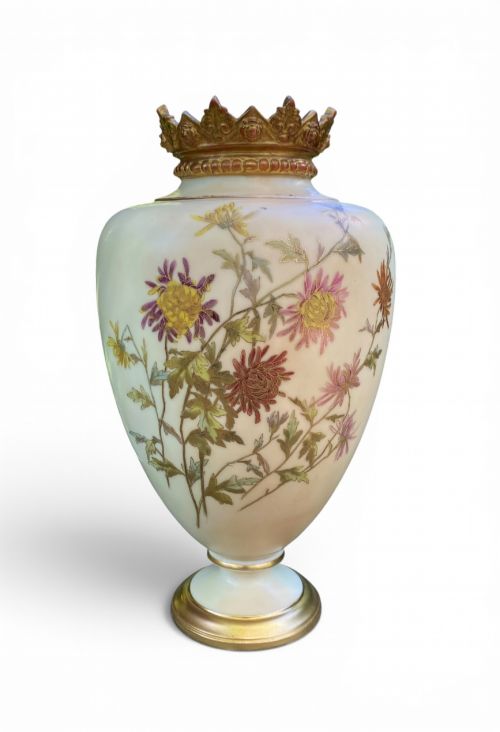
The selection on this page centres primarily on British production from factories such as Royal Worcester and Minton, alongside continental porcelain from Vienna, Dresden, and Sitzendorf. Forms range from simple baluster vases and moon flasks to elaborate lidded jars and jardinières.
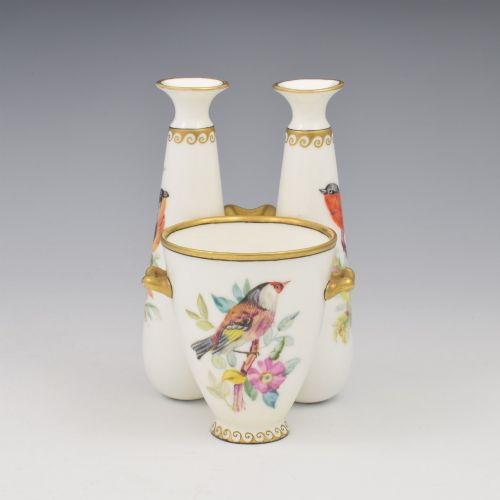
Makers often drew inspiration from Rococo Revival, Neo-Classical, and Aesthetic Movement styles, incorporating hand-painted floral motifs, birds, and figural scenes. Buyers will find both cabinet-sized cabinet pieces and larger centrepiece vessels intended for prominent display.
How they were made
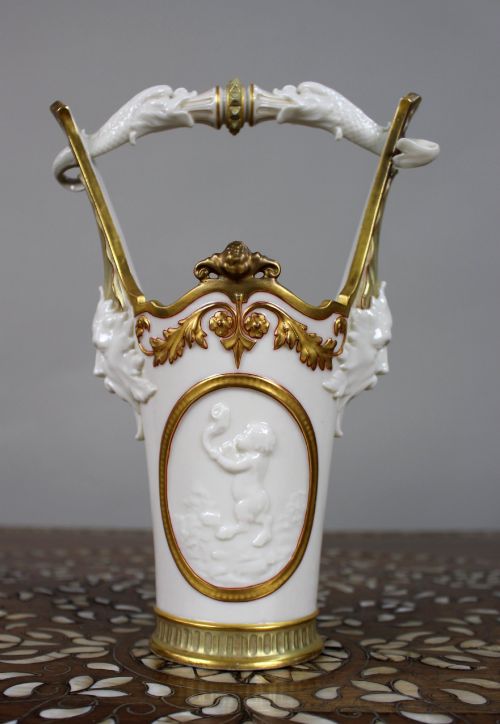
Potters shaped these vessels using fine ceramic and porcelain bodies, frequently applying intricate mouldings and pierced handles before the initial firing. Artisans then hand-painted the surfaces with enamel colours, depicting subjects from ornithological studies to allegorical woodland scenes.
Many examples incorporate generous applications of gold leaf and heavy gilding to accent rims, handles, and painted panels. Glazes provide a smooth, vitrified surface that preserves the underlying pigments across decades of handling.
Listings feature porcelain, earthenware, and ceramic bodies decorated with hand-painted enamel and heavy gold leaf.
What varies in quality
The distinction between ordinary and exceptional pieces rests upon the execution of the hand-painted decoration and the crispness of the porcelain mould. Works bearing the signatures of named artists or originating from premier workshops demonstrate superior brushwork and more complex palette choices.
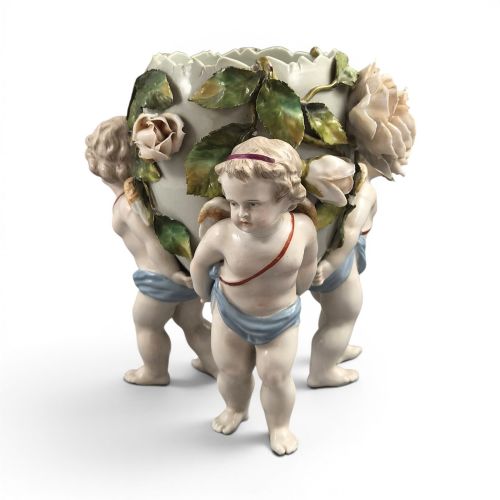
Ambitious forms featuring intricate pierced gilding, modelled cherubs, or multi-figure scenes require a higher level of technical skill in both the kiln and the studio. The weight and presence of the ceramic body, combined with the preservation of the enamel and gilt details, dictate the upper tier of the range.
Royal Worcester·Samuel Alcock and Co·Royal Crown Derby·Helena Wolfsohn Dresden·Royal Doulton
The Victorian Porcelain Vessel Glossary
- Porcelain
- A white, vitrified ceramic material made from kaolin and petuntse, fired at high temperatures to achieve impermeability and translucency. It forms the essential substrate for fine Victorian decorative vessels.
- Gilding
- The application of gold leaf or powdered gold paint to ceramic surfaces. It is typically fired onto the glaze to highlight rims, handles, and panel borders.
- Baluster
- A vertical architectural form with a rounded lower body tapering to a narrower neck. Many ceramic vases adopt this stable, classical silhouette.
- Potpourri
- A mixture of dried petals and spices held within a vessel designed with pierced lids to release fragrance. Victorian lidded pots often served this domestic purpose.
- Ewer
- A large jug with a flared spout and an arched handle, originating from washing vessels but produced in the Victorian period purely for ornamental display.
Victorian Porcelain Vessel: Frequently Asked Questions
What is a victorian porcelain vessel used for?
These pieces served primarily as decorative ornaments within nineteenth-century drawing rooms and parlours, displayed on mantelpieces or tables. Specific forms like potpourri pots and jardinières held scented dried flowers or indoor plants.
Larger urns and centrepieces functioned as pure focal points to showcase the wealth and refined taste of the household. Today, collectors use them to add historical colour and tactile interest to interior spaces.
How do I identify a Royal Worcester piece?
Royal Worcester items often feature distinct factory date codes, pattern numbers, and specific painter signatures on the base or within the design. The factory is renowned for its hand-painted ornithological subjects, floral sprays, and raised paste gilding.
Pieces frequently reflect the Aesthetic Movement or classical revivals popular during the late nineteenth century. Their porcelain bodies are typically crisp in detail and substantial in weight.
Are Japanese pieces considered victorian?
Japanese export ceramics from the Meiji period frequently appear alongside British wares because they were imported heavily during the late Victorian era. Satsuma and Kutani wares of this time shared aesthetic space with European designs, particularly influencing the British Aesthetic Movement.
Such pieces are catalogued under the Victorian umbrella when retailers and collectors group them by the period of their British importation and contemporary display.
How should I clean a painted porcelain vessel?
Dust these delicate ceramic surfaces gently with a soft, dry brush to prevent the accumulation of dirt within crevices and pierced handles. Avoid using water, abrasive cloths, or chemical cleaning agents, as these can lift fragile enamel paints and wear away the gold leaf.
Keep pieces out of direct sunlight to prevent the hand-painted pigments from fading over time. Handle them only by the body rather than relying on delicate applied handles or removable lids.