

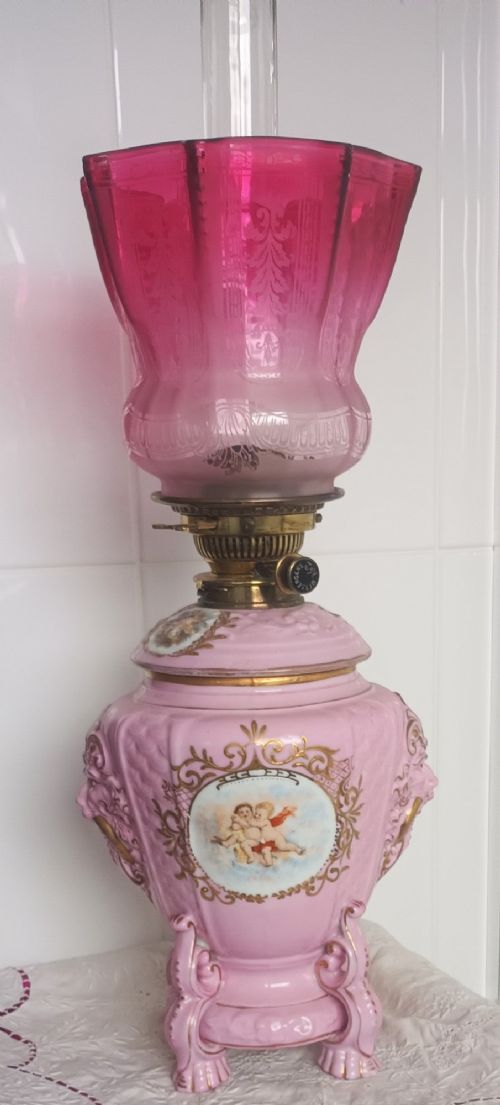
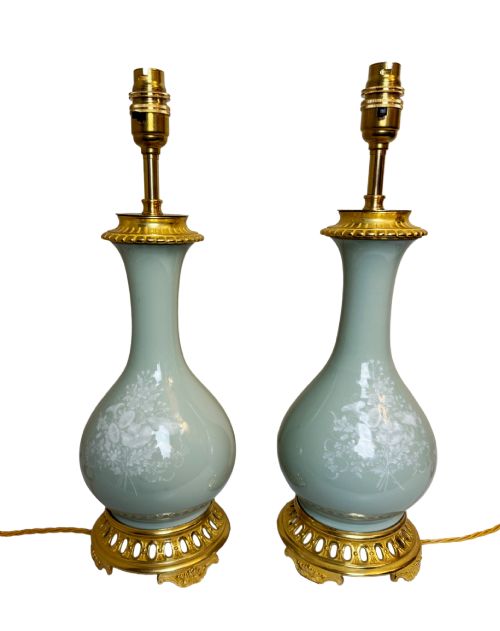
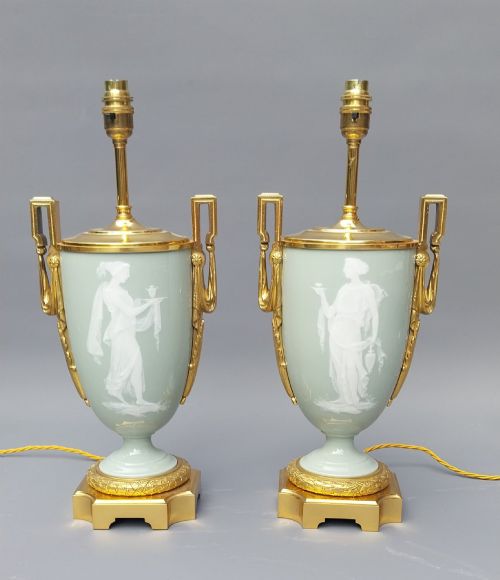
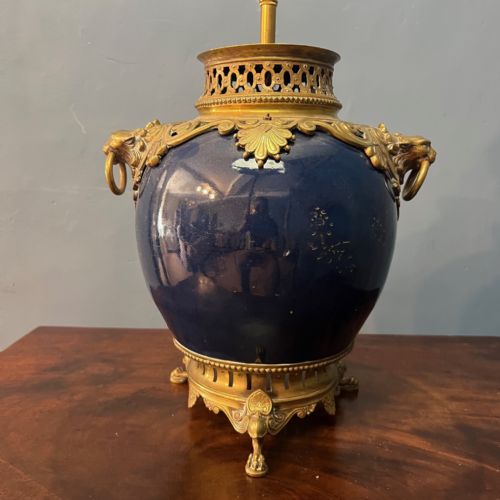

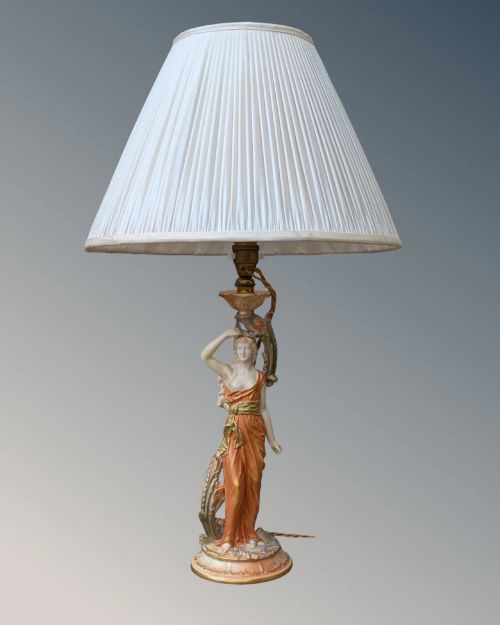


Victorian Porcelain Table Lamps
These victorian porcelain table lamps combine delicate ceramics with heavy metal mounts to light rooms with nineteenth-century character.
Victorian Porcelain Table Lamps
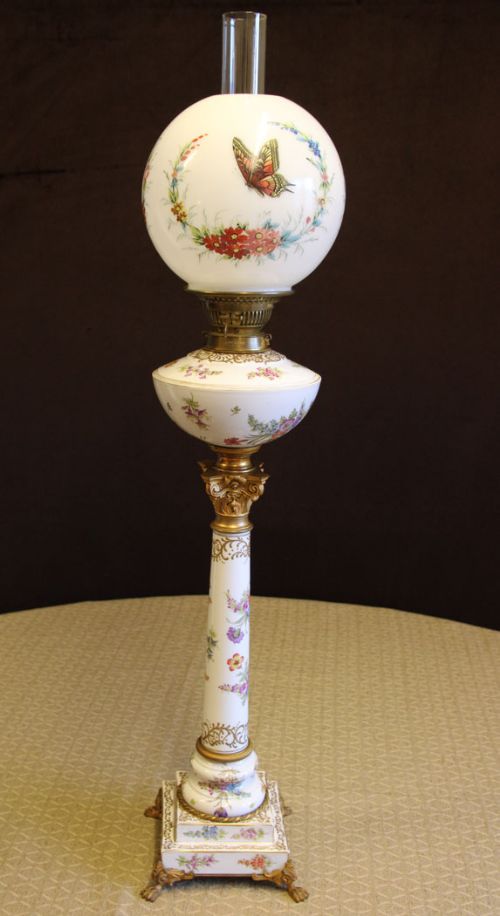
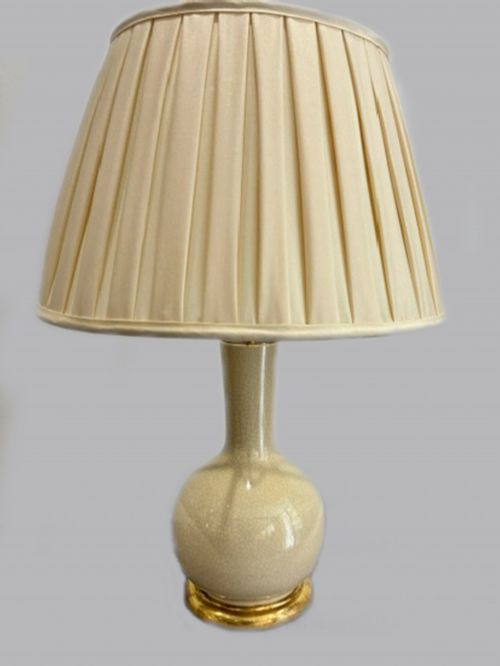
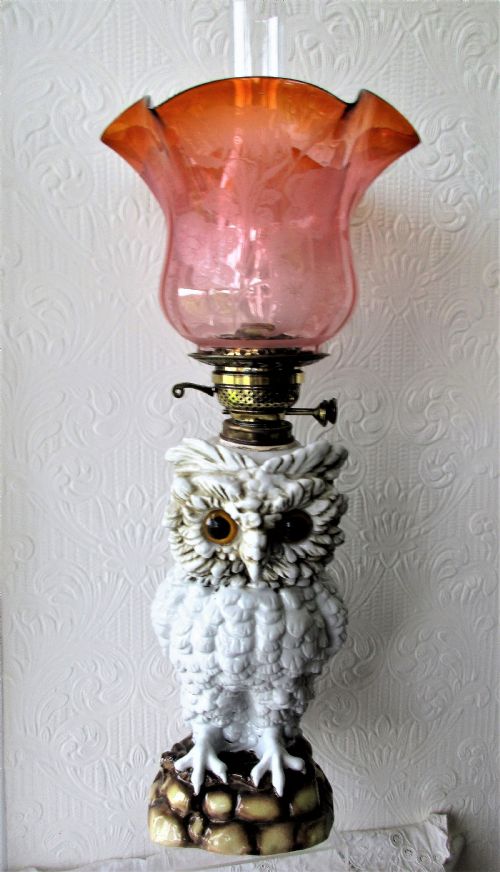
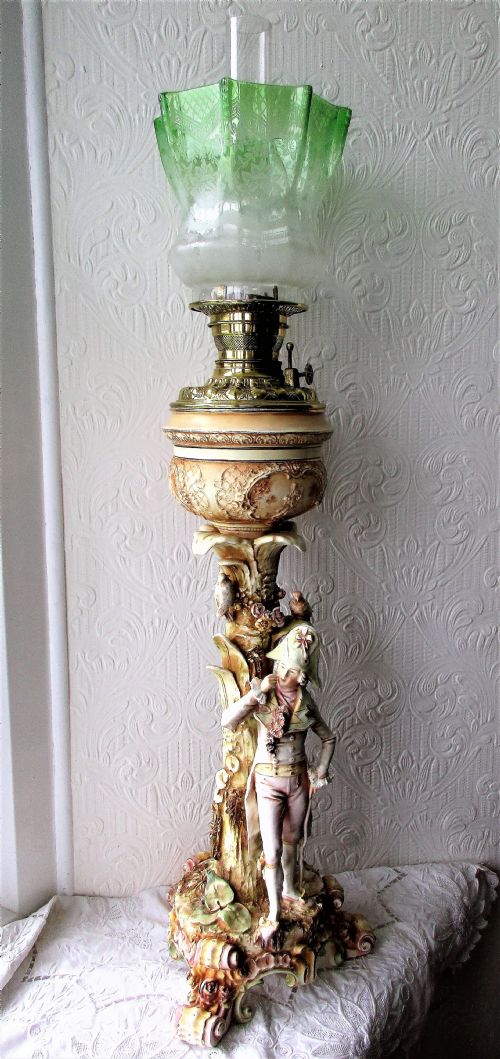
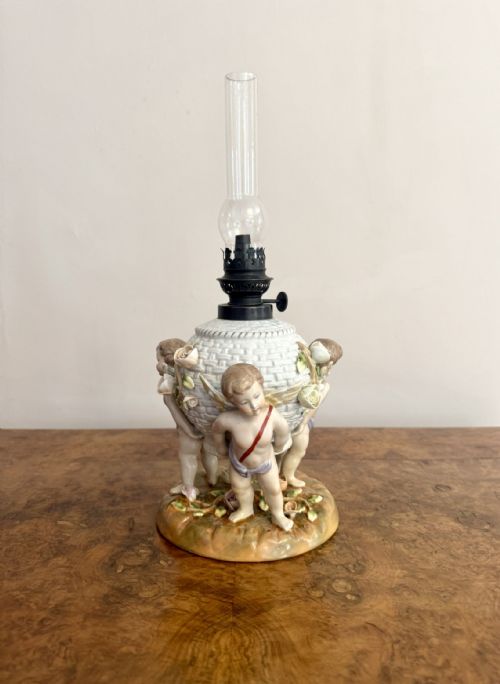
Victorian porcelain table lamps encompass converted oil lamps, mounted vases, and figural sculptures fitted for electric illumination. These pieces originate from nineteenth-century workshops in Britain, France, Germany, and China, reflecting international tastes of the period.
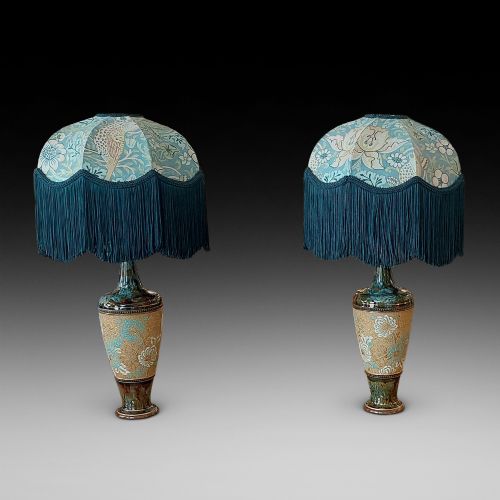
The inventory on this page relies heavily on pairs and single examples utilising porcelain bodies combined with brass, ormolu, or gilt bronze. Vases and oil lamps dominate the forms, frequently bearing historical revival styles from Rococo to Neoclassical.
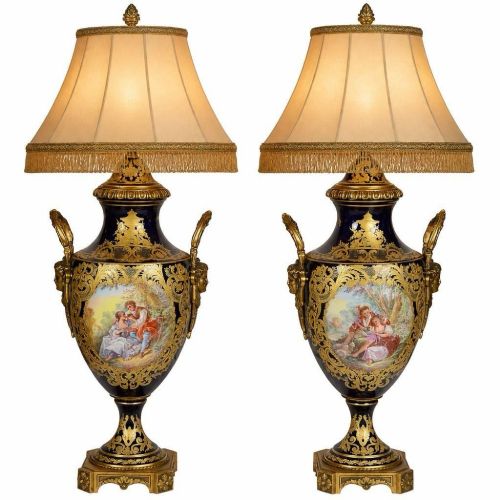
Makers and regional styles such as Sitzendorf, Sevres style, Meissen, and Chinese export wares like Canton Famille Rose appear regularly among the listings. Buyers encounter both monumental mantle pieces and smaller cabinet vessels repurposed for domestic lighting.
Materials and Technique
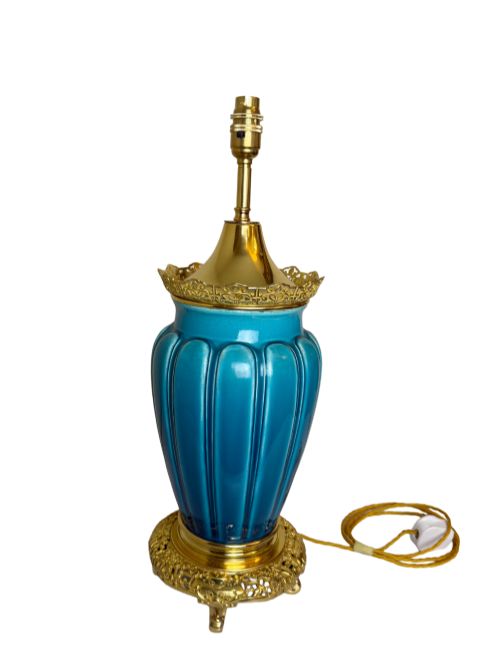
Construction centres on fired ceramic bodies paired with cast metal mounts in brass, ormolu, or gilt bronze. Artisans shaped porcelain through throwing or moulding, applying specialist glazes including crackle ware, celadon, and turquoise blue.
Decoration often involves pate-sur-pate technique, hand-painted floral motifs, or detailed figural modelling such as birds, dogs, and cherubs. Metal components are cast and chased to secure the porcelain vessels and provide stable bases for lighting hardware.
Victorian Porcelain Table Lamps Retail Price Guide 2026
Typical asking prices for victorian porcelain table lamps among the pieces listed under this phrase on Sellingantiques today, from the lower quarter to the upper quarter. They describe what is for sale here now, not the wider market.
Current listings feature porcelain, brass, glass, ormolu, gilt bronze, and silk across periods spanning 1870 to 1920.
Craftsmanship and Proportion
The integration of metal mounts marks the division between standard production and top-tier pieces. Heavier, finely chased ormolu or gilt bronze mounts that complement the porcelain body indicate higher workshop standards than simple stamped brass fittings.
Royal Doulton·Sitzendorf·Royal Worcester·Meissen·Samuel Alcock
The Victorian Porcelain Table Lamps Glossary
- Pate-sur-pate
- A ceramic technique where wet white slip is built up layer by layer on a coloured porcelain body to create a low relief cameo effect. This demanding process requires immense skill from the ceramic artist.
- Ormolu
- Finely chopped high-karat gold cast and mercury-gilded onto a bronze base, used extensively for mounts on nineteenth-century lamps. The finish yields a warm, rich lustre distinct from modern electroplating.
- Sevres style
- A descriptor for porcelain decorated in the manner of the historic French state factory, known for rich blue grounds and gilded cartouches. Pieces carrying this label imitate the opulent aesthetic of royal French commissions.
- Famille Rose
- A major palette of Chinese ceramic glazes distinguished by opaque pink enamels introduced during the Qing dynasty. This palette decorated many export vases later converted into lighting.
- Crackle ware
- A ceramic glaze patterned with a network of fine micro-cracks intentionally induced during the cooling process. The effect adds texture and an appearance of great age to the porcelain body.
Victorian Porcelain Table Lamps: Frequently Asked Questions
How do I convert an oil lamp?
Many Victorian porcelain table lamps began life as burning lamps and have since received modern electrical wiring. Professional conversion typically involves running a cord through the original burner mechanism without damaging the ceramic body.
Retaining the original burner parts preserves the historic integrity of the piece while allowing safe daily use. Buyers should check whether the wiring permits contemporary plugs and standard bulbs.
What styles are common?
The pieces span various nineteenth-century revivals including Rococo, Neoclassical, and French Chateau aesthetics. Chinoiserie and Japanese Imari influences also appear through imported export porcelains mounted in Europe.
These diverse styles reflect the eclectic taste of Victorian interiors, where Asian ceramics sat alongside continental European porcelain figures and French ormolu mounts.
How do I clean porcelain lamps?
Maintenance requires gentle dusting with a soft, dry cloth to protect hand-painted enamels and delicate gilt highlights. Moisture should be kept away from unglazed areas and older metal mounts to prevent corrosion.
Harsh chemical cleaning agents must be avoided entirely because they strip fragile nineteenth-century gilding and damage historic glaze surfaces.
Are these lamps supplied with shades?
Some listings include fabric or silk shades accompanying the base, while others offer the porcelain body alone. When shades are present, they complement the period aesthetic of the ceramic base.
Buyers purchasing base-only options can select custom lampshades that match their interior decor and scale correctly with the height of the lamp.