



Victorian Porcelain Portrait
A victorian porcelain portrait captures meticulous likenesses upon glazed ceramic surfaces, offering a tangible link to nineteenth-century portraiture.
Victorian Porcelain Portrait
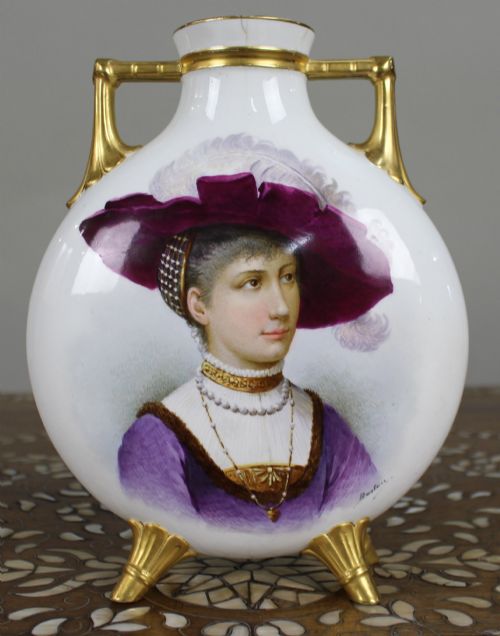
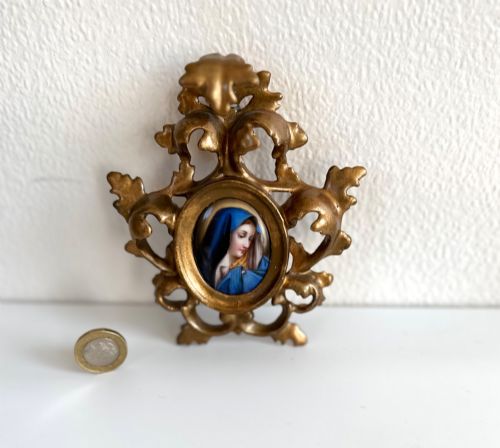
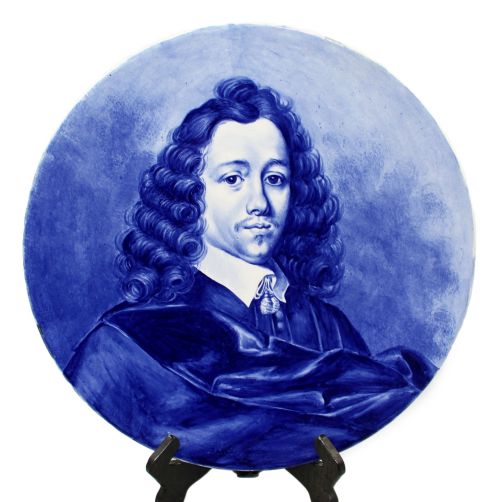
A victorian porcelain portrait encompasses various nineteenth-century decorative forms, ranging from framed hand-painted wall plaques and miniature cabinet pieces to commemorative earthenware figures of royalty and public figures. These objects bridge the worlds of fine art and ceramic craft, reflecting the Victorian appetite for portraiture across different domestic scales.
The selections on this page are dominated by painted plaques from European factories, Staffordshire earthenware and porcelain figures depicting historical personages, and cabinet plates or vases featuring detailed facial studies. Buyers frequently encounter German, French, and English workshops utilising traditional firing and painting methods to achieve lasting permanence.
Materials and Techniques
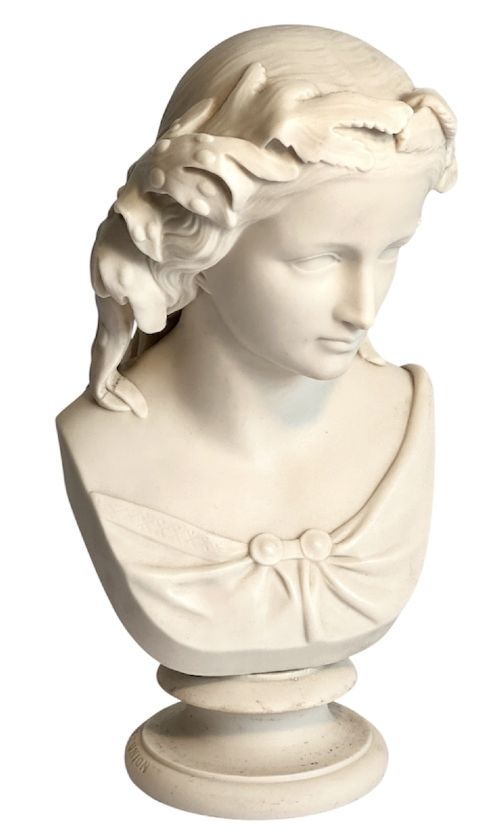
Makers utilised fine porcelain, parian porcelain, and earthenware as the foundational canvas for miniature paintings and sculptural busts. These ceramic bodies were shaped through casting or moulding before receiving specialised glazes that accepted polychrome enamel decoration and gilding.
Artisans applied hand-painted pigments in successive layers, firing the pieces multiple times to fuse the metallic oxides permanently into the glaze. Details such as gilt borders, gold leaf, and elaborate ormolu frames were added subsequently to elevate the visual impact of the portrait.
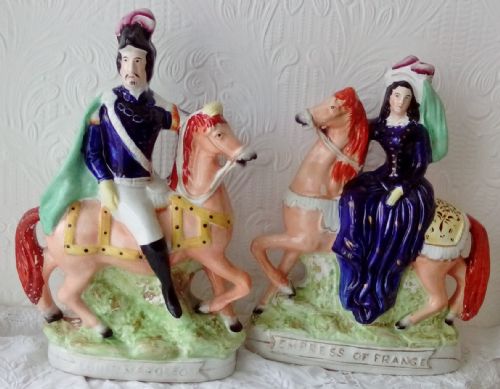
Several Victorian figures immortalise political scandals by grouping Napoleon III, the Empress, and the Prince together in glazed ceramic.
Assessing Standard
Subtleties in framing and provenance further distinguish superior examples, as factory marks from renowned institutions like KPM or Royal Vienna indicate rigorous standards of porcelain body preparation and artistic execution.
KPM·Coalport·Royal Vienna·Royal Bonn
The Victorian Porcelain Portrait Glossary
- Parian Porcelain
- A bisquit porcelain developed in the nineteenth century to imitate marble, frequently utilised for portrait busts and sculptural figures. Its matte surface captures fine anatomical details with notable clarity.
- Cabinet Plate
- A decorative porcelain plate intended for display in a cabinet rather than for dining. These often feature hand-painted portrait scenes or exhibition markings.
- Moon Flask
- A flattened, circular vase form with a narrow neck and small loop handles, popular during the nineteenth century for decorative hand-painted scenes.
- Ormolu
- Gilded bronze or brass mountings applied to decorative objects and picture frames. It provides an ornate metallic border for porcelain plaques.
- Flatback Figure
- A type of Staffordshire pottery figure moulded with a flat, unpainted reverse intended to stand against a wall on a mantelpiece.
Victorian Porcelain Portrait: Frequently Asked Questions
How should I clean a painted porcelain plaque?
Dust gently with a soft, dry brush to prevent abrasive particles from scratching the delicate enamel surface or wearing away the gilding.
Avoid liquid cleaners entirely, as moisture can seep behind the plaque or damage older adhesives used within the frame.
Were these portraits meant for display on walls?
Many nineteenth-century portrait plaques were framed specifically for wall hanging, functioning much like traditional oil paintings in domestic interiors.
Other formats, such as cabinet plates and porcelain boxes, were designed for horizontal display on furniture or storage within specialised glass cabinets.
How can I identify nineteenth century Staffordshire figures?
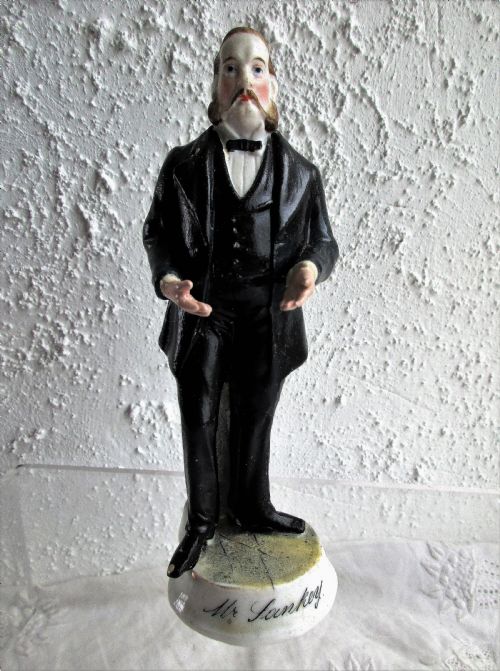
Staffordshire portrait figures are typically earthenware modelled with characteristic hand-painted glazes, often depicting monarchs, statesmen, or literary figures with flat backs.
They generally lack precise factory marks, relying instead on painted title lettering or distinctive modelling styles common to English potteries of the era.