



Victorian Porcelain Art
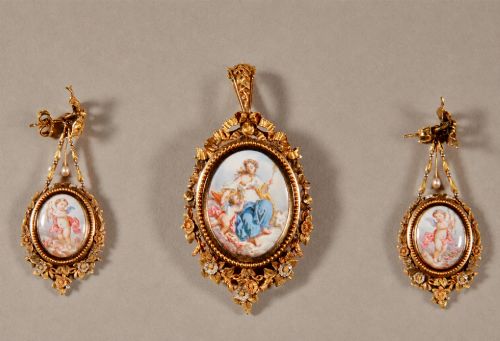
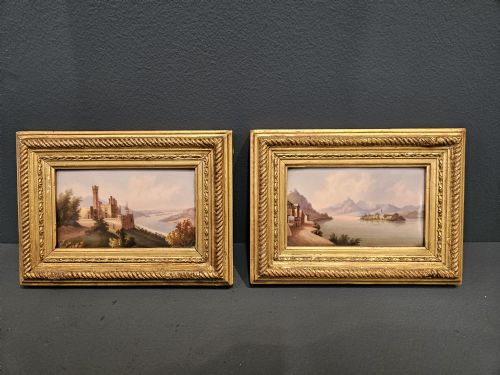
When you handle victorian porcelain art, you find pieces ranging from hand-painted wall plaques to sculptural figures that capture nineteenth-century craftsmanship at its peak.
Victorian Porcelain Art
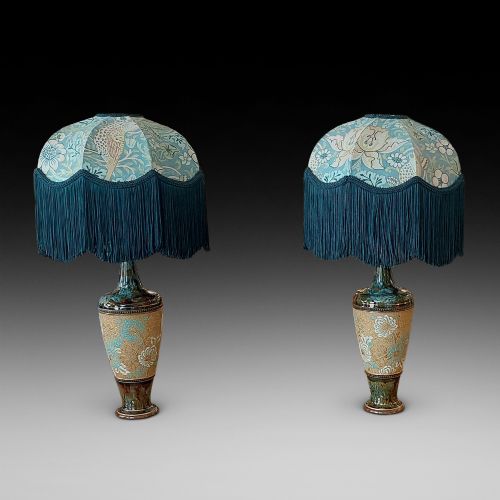
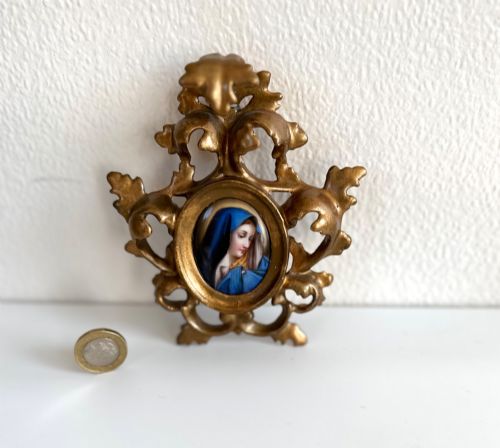
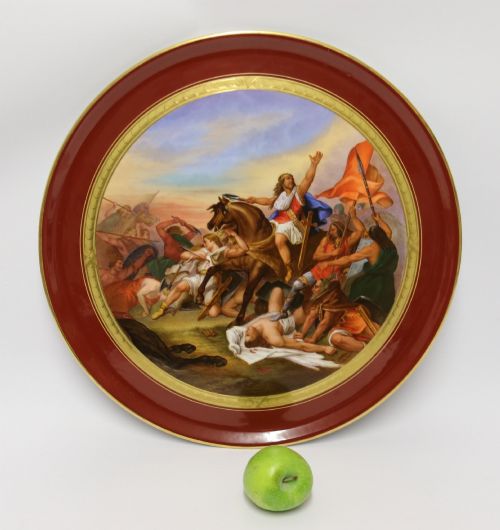
Victorian porcelain art encompasses a diverse range of decorative items, from hand-painted wall plaques and miniatures to vases, chargers, and sculptural figures.
You will frequently encounter items originating from nineteenth-century European makers, with Berlin, English, and French works appearing alongside pieces produced during the subsequent Arts and Crafts and Art Nouveau periods.
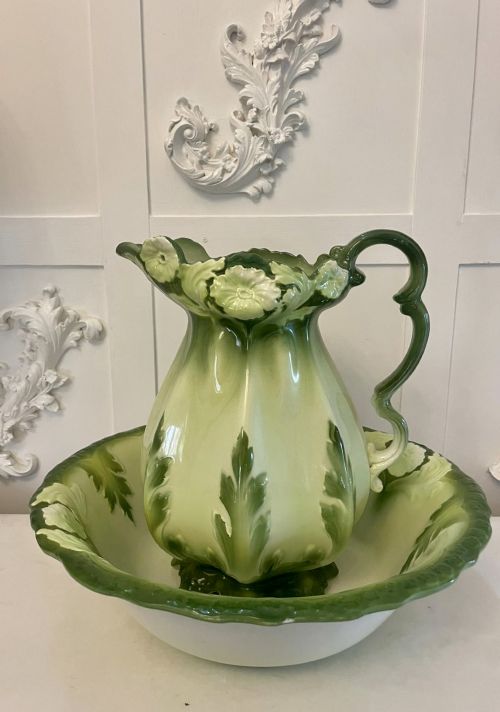
The selection includes functional vessels like wash jug and bowl sets alongside purely ornamental plaques depicting portraits, still lifes, and classical scenes.
Materials and Techniques
The manufacturing process relies primarily on ceramic, porcelain, and earthenware bodies, often enhanced with intricate glaze work and detailed hand-painting.
Makers applied gold leaf and giltwood accents to highlight sculptural details, while specialised techniques like pate-sur-pate built up raised white designs upon contrasting coloured slip backgrounds.
Victorian Porcelain Art Retail Price Guide 2026
Typical asking prices for victorian porcelain art among the pieces listed under this phrase on Sellingantiques today, from the lower quarter to the upper quarter. They describe what is for sale here now, not the wider market.
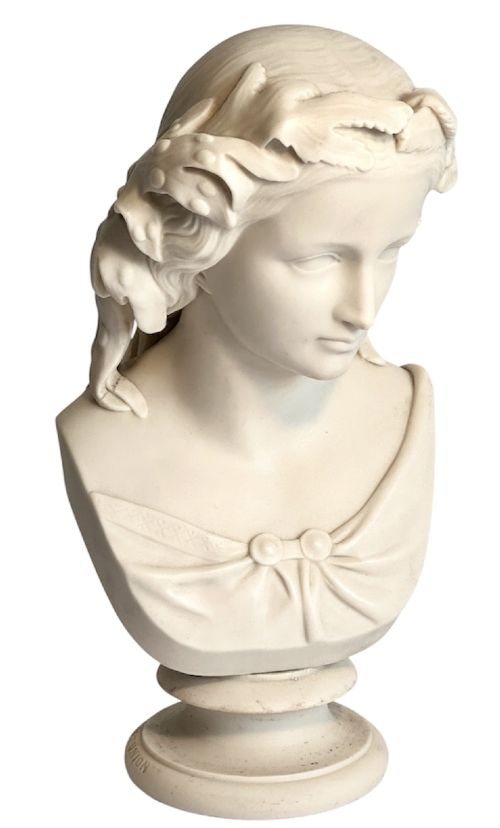
Materials span traditional ceramic bodies and Parian ware alongside functional brass and wood mountings.
Judging Quality
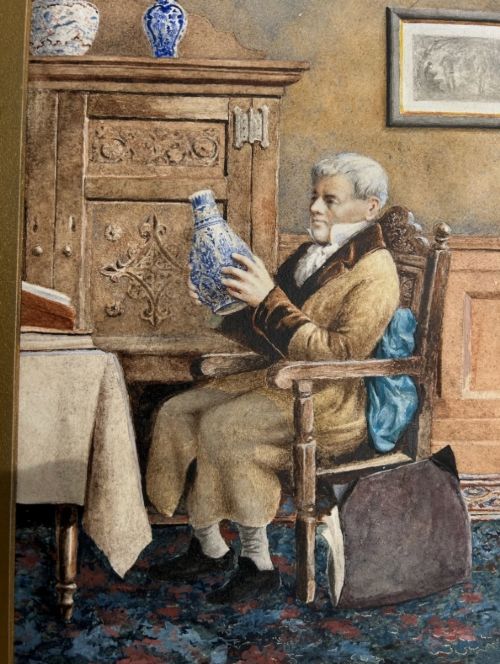
Quality rests upon the precision of the hand-painting, particularly in portraiture and still-life plaques where fine brushwork defines the expression and depth of the subject.
The sophistication of the modelling on figures and the crispness of gilded or carved frames distinguish standard production pieces from exceptional works of art.
KPM·Royal Doulton·Copeland·Ernst Wahliss·Royal Dux·Moorcroft Macintyre·Minton·Royal Bonn
The Victorian Porcelain Art Glossary
- Porcelain
- A hard, white, vitrified ceramic material fired at high temperatures. It provides a smooth, non-porous canvas ideal for detailed enamel painting.
- Parian ware
- A fine-grained unglazed porcelain resembling white marble, developed in the nineteenth century for classical busts and statuary figures.
- Pate-sur-pate
- A ceramic technique where wet porcelain slip is applied layer upon layer to form a low relief design on a darker ground.
- Giltwood
- Wood that has been treated with gold leaf or gold paint, frequently used for framing decorative porcelain panels.
- Charger
- A large ornamental decorative plate intended for display on a wall or sideboard rather than for dining use.
Victorian Porcelain Art: Frequently Asked Questions
How do I hang a porcelain plaque?
Wall plaques usually require secure framing with integrated brackets designed to support the weight of the ceramic panel safely.
Ensure you use appropriate wall fixings suited to the weight of the specific plaque and frame combination.
Are these items suitable for daily use?
Most pieces designed as art objects, such as decorative plaques and statuary, are intended for visual display rather than practical utility.
Vessels like vases and jardinieres can hold dried arrangements, though antique glazes require gentle handling and maintenance.
How do I clean antique porcelain?
Dust surfaces gently with a soft, dry brush or microfibre cloth to remove accumulated particles without disturbing delicate painted details.
Avoid using harsh chemical cleaners or submerging painted and gilded items in water.
How can I tell the period?
Examine the back of the piece for maker marks, impressed registration numbers, or studio signatures that indicate the active years of the manufacturer.
The painting style, frame construction, and ceramic body also provide strong indicators of nineteenth-century or early twentieth-century origins.