

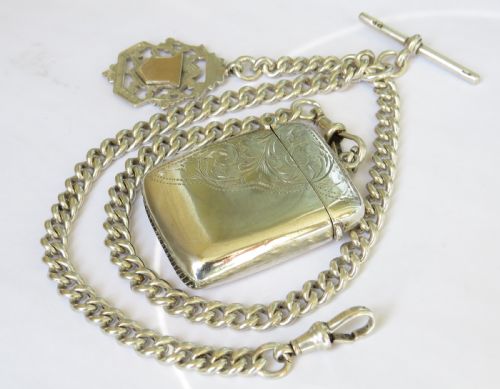


Victorian Pocket Watch Holder
A victorian pocket watch holder keeps a timepiece safe at night, combining practical utility with the ornate tastes of the nineteenth century.
Victorian Pocket Watch Holder
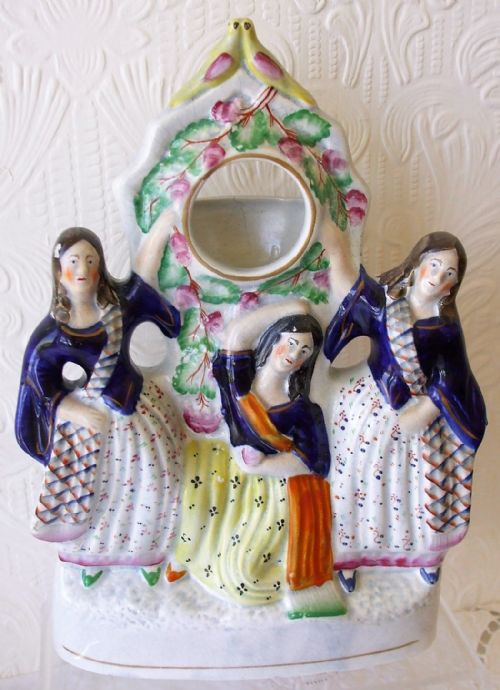
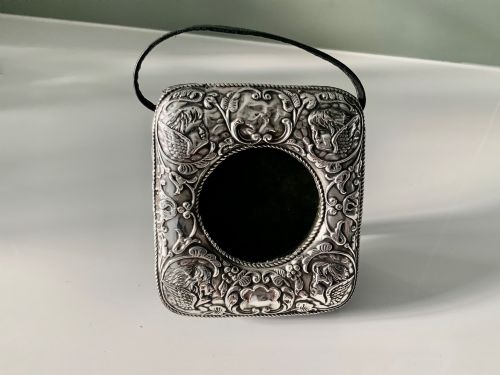
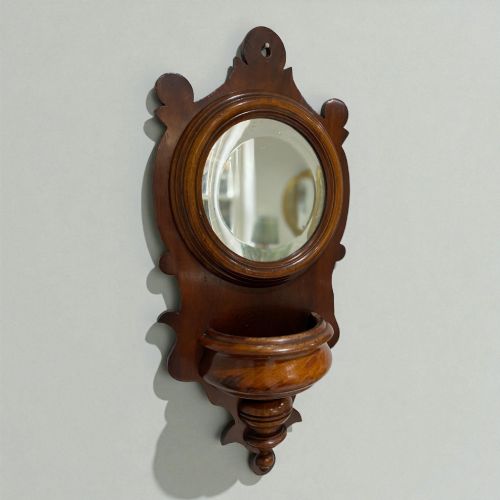
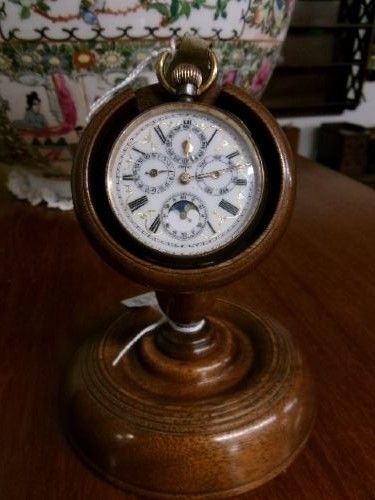
A victorian pocket watch holder takes several distinct shapes across the inventory, ranging from ceramic figure groups to standing metal frames. The most common ceramic iterations portray decorative figural subjects such as The Three Graces, whilst metal and velvet examples offer compact bedside utility.
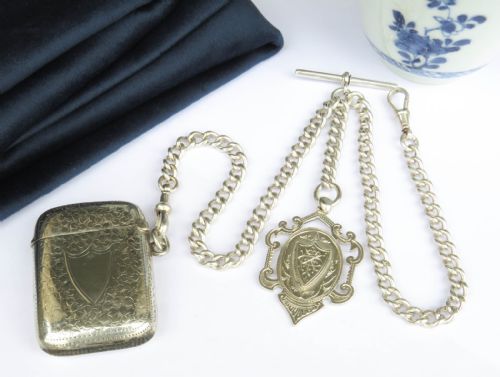
Most pieces date from the nineteenth century, including specific years like eighteen-eighty and eighteen-ninety, alongside related Edwardian variations. Alongside dedicated stands, the selection includes companion items like watch chains, sovereign cases and vesta boxes that share the same period aesthetic.
Materials and construction
Makers utilised earthenware and glazed ceramic to model elaborate figural watch holders, often enriched with hand-painted details. Cast brass and gilt bronze provided sturdy structures for metal stands, whilst enamel added colourful surface decoration.
Soft materials like velvet frequently lined the interior compartments of boxes and stands to protect delicate watch cases from scratches. Sterling silver appeared extensively in related pocket watch accessories and mounted boxes during the late nineteenth century.
Victorian Pocket Watch Holder Retail Price Guide 2026
Typical asking prices for victorian pocket watch holder among the pieces listed under this phrase on Sellingantiques today, from the lower quarter to the upper quarter. They describe what is for sale here now, not the wider market.
Materials recorded across the inventory include sterling silver, earthenware, velvet, brass, glass, and champleve enamel.
Judging the standard
The distinction between standard and superior pieces rests on the crispness of the modelling and the preservation of original surfaces. Staffordshire pottery examples show variation in the depth of the glaze and the precision of the figural painting.
Metal stands exhibit quality through the intricacy of their cast ornament, whether in the fine chasing of brass or the application of champleve enamel. Pieces that retain their original structural integrity without restoration command greater attention from collectors.
The Victorian Pocket Watch Holder Glossary
- Staffordshire pottery
- Earthenware produced in the Staffordshire potteries of England. These works created popular figural groups and watch holders during the nineteenth century.
- Vesta case
- A small box designed to hold matches, frequently carried in the pocket or attached to a watch chain. They are commonly fashioned from sterling silver in the Victorian period.
- Sovereign case
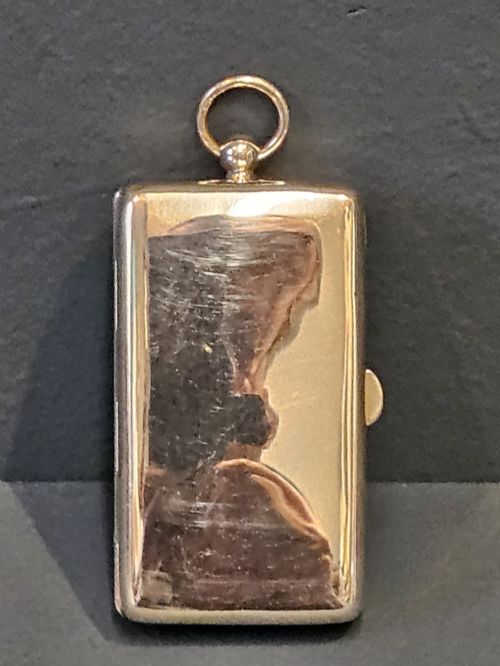
- A small round container engineered to hold gold sovereign coins securely. They often match the pocket watch chains worn during the late nineteenth century.
- Champleve enamel
- A technique where troughs are carved into a metal surface and filled with vitreous enamel powder before firing. This method decorates novelty desk clocks and watch stands.
- Treen
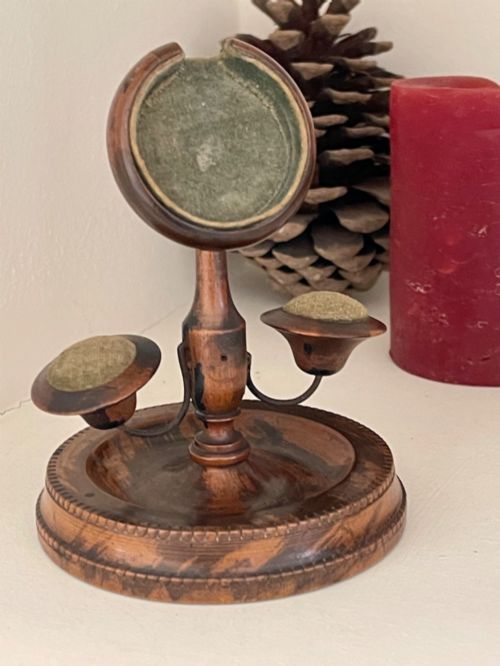
- Small handmade wooden domestic objects. Victorian treen watch holders display the turning and carving skills of nineteenth-century artisans.
Victorian Pocket Watch Holder: Frequently Asked Questions
What is a victorian pocket watch holder?
A victorian pocket watch holder is a decorative stand or small box designed to hold a pocket watch when it was not being worn. These pieces sat on bedside tables or dressing chests to keep timepieces safe and visible.
They appear in ceramic, brass and glass forms, reflecting the varied domestic tastes of the nineteenth century. Many incorporate specific figures or architectural motifs characteristic of the period.
How were they used?
Owners placed their pocket watches into the small hooks or cradles provided on the stands each night before sleeping. This kept the watch elevated and easy to consult upon waking.
Some designs combined the watch hook with compartments for sewing implements or small personal items. Desk versions kept the timepiece upright for steady viewing during daytime hours.
How do I date a piece?
Dating relies on the stylistic markers of the nineteenth century, including specific aesthetic movements and manufacturing methods. Ceramic pieces often display the characteristic earthenware bodies and glaze types of Staffordshire potteries from eighteen-eighty onwards.
Metal examples can sometimes be linked to specific decades through hallmarking on silver components or the casting techniques employed in brass and gilt bronze.
How do I care for one?
Care depends entirely on the primary material of the holder, requiring gentle dusting for ceramics and treen. Metal elements in brass or silver benefit from minimal intervention to preserve their natural surface character.
Velvet linings should be kept away from moisture to prevent staining or degradation of the fabric. Placing the stand away from direct sunlight protects enamel colours from fading.