


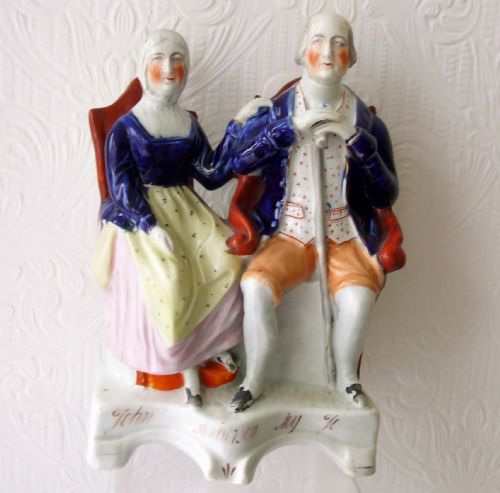


Victorian Earthenware Figure Group
These robust victorian earthenware figure group pieces bring nineteenth century domestic life and popular narrative straight into the room.
Victorian Earthenware Figure Group
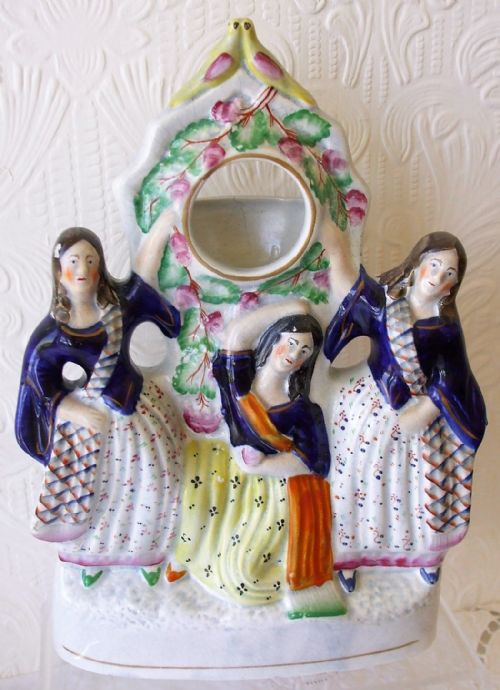
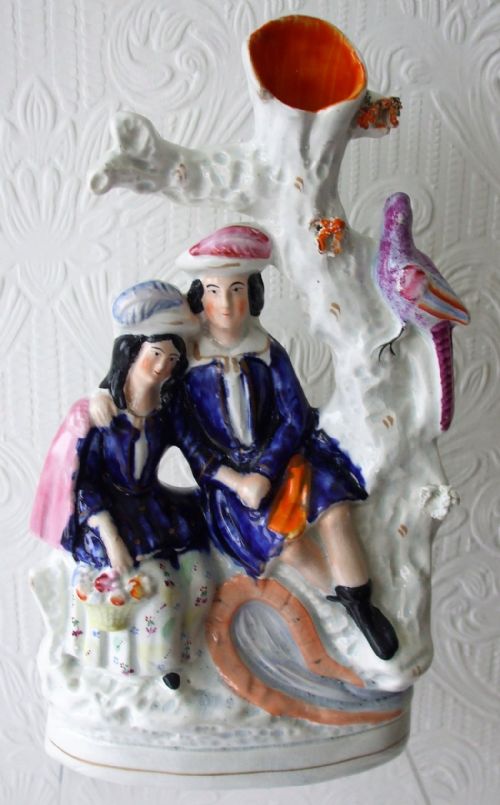
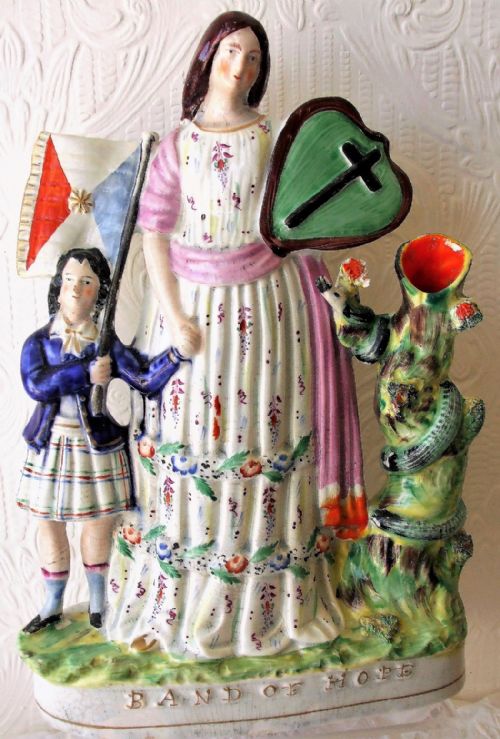
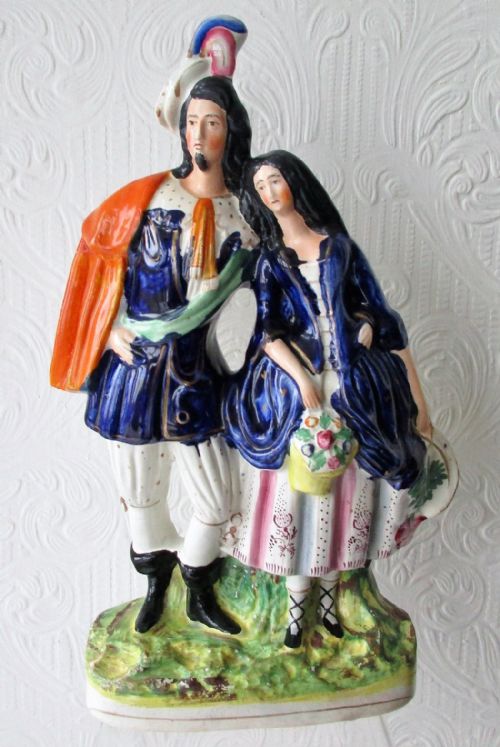
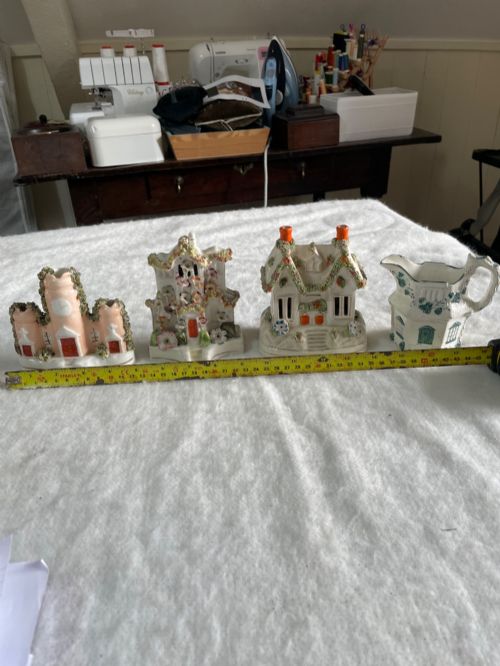
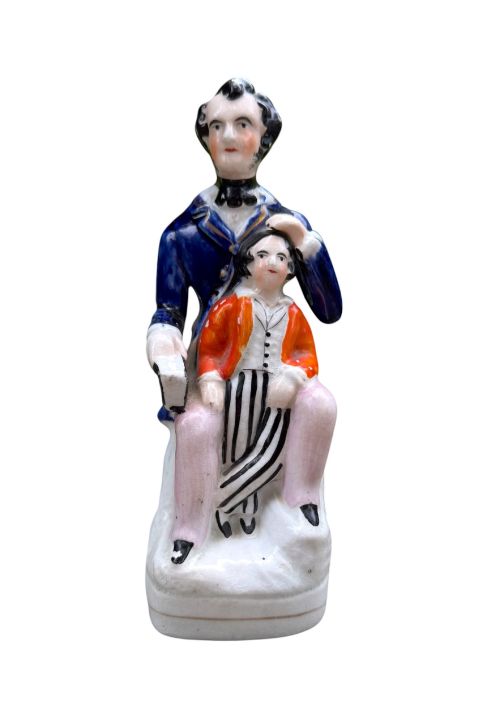
A victorian earthenware figure group represents a distinct branch of nineteenth century pottery, focusing on figurative subjects rather than tableware. Most examples found here belong to the Staffordshire tradition, taking the form of flatbacks designed to sit flush against a cottage mantelpiece.
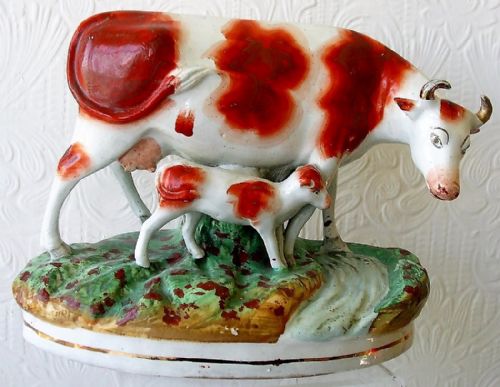
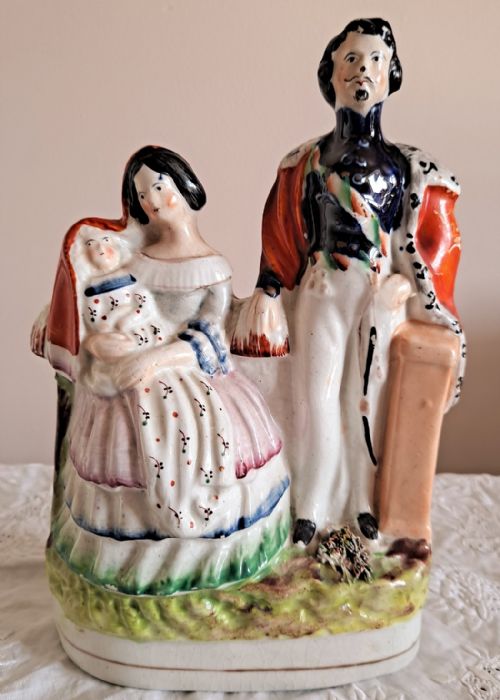
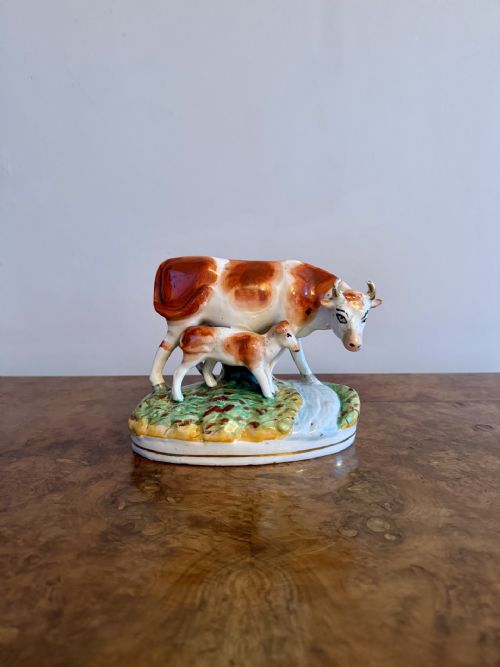
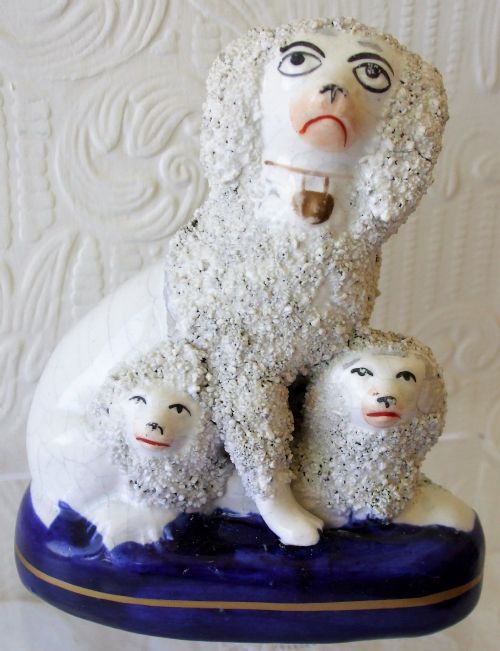
The subjects draw heavily from contemporary events, literature, and pastoral scenes. You will frequently encounter literary pairs, royal portraits, and domestic animals such as poodles, cows with calves, and swans.
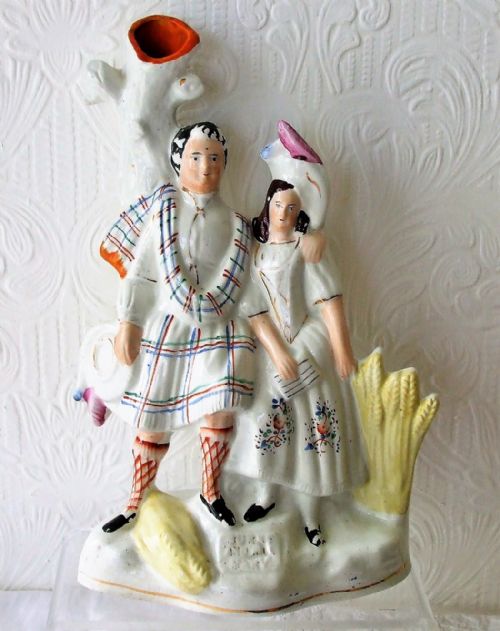
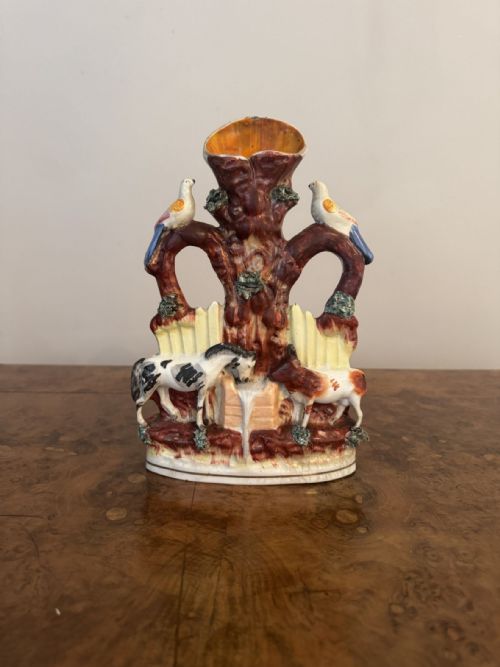
Many of these pieces double as functional objects, appearing as spill vases for holding matches or as watch holders. The makers produced them in large numbers to satisfy a growing demand for cheerful, decorative mantel ornaments among the Victorian middle class.
Materials and technique
Potters shaped these figures from local earthenware clay, often using moulds to press out the body and the flat back separately before joining them. Artisans then applied a lead glaze over the ceramic base to seal the porous clay and provide a smooth, glossy surface.
Victorian Earthenware Figure Group Retail Price Guide 2026
Typical asking prices for victorian earthenware figure group among the pieces listed under this phrase on Sellingantiques today, from the lower quarter to the upper quarter. They describe what is for sale here now, not the wider market.
Materials recorded across the selection include lead glaze, enamel paint, ceramic bodies, and gilt highlights.
What separates the best from the rest
Quality in a victorian earthenware figure group rests upon the crispness of the moulding and the care taken with the enamel painting. Finer pieces retain sharp facial expressions and clean separation between colours without messy bleeding under the glaze.
The ambition of the subject also plays a role, moving from simple animal pairings to complex multi-figure historical or literary groups that demand greater skill from the modeller.
The Victorian Earthenware Figure Group Glossary
- Flatback
- A ceramic figure modelled in the round at the front with a flat, unpainted reverse intended to face a wall.
- Spill vase
- A hollow vertical cylinder incorporated into a figure group, designed to hold wooden spills for lighting pipes or fires.
- Lead glaze
- A glossy coating containing lead oxide applied to earthenware to waterproof the porous body and brighten the colours.
- Enamel paint
- Coloured vitreous pigments applied over the fired glaze and fixed with a low-temperature firing.
Victorian Earthenware Figure Group: Frequently Asked Questions
Where were these figures made?
The vast majority originate from the potteries in Staffordshire, England, during the nineteenth century. Entire communities specialised in producing these accessible ornaments for everyday homes.
Potters utilised local clay beds and simple moulding techniques to turn out thousands of figures that depicted everything from royal families to local literary characters.
How were spill vase groups used?
Spill vases served a practical purpose on the Victorian mantelpiece by holding thin wooden spills used to transfer fire from the hearth to candles or pipes. The attached figure group turned a mundane household item into a decorative ornament.
Households kept them within easy reach of the fireplace while enjoying the colourful narrative scenes modelled around the central tube.
What subjects are most common?
Literary characters, pastoral couples, and contemporary political figures appear frequently across nineteenth century pottery. Animals such as poodles, stags, and cows with calves also make up a large share of the output.
Makers responded quickly to public interest, recording events like the Crimean War or popular poems alongside traditional country scenes.
How do I care for antique earthenware?
Keep these glazed ceramic pieces out of direct sunlight and away from damp environments to protect the fragile enamel paints. Dust them gently with a dry, soft brush rather than using water or cleaning solutions.
Earthenware remains porous if the glaze has small cracks, so avoiding moisture preserves the surface finish for the future.