

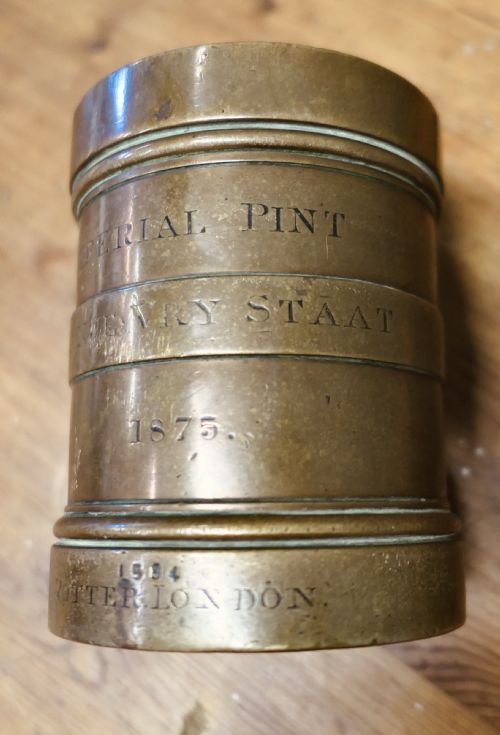
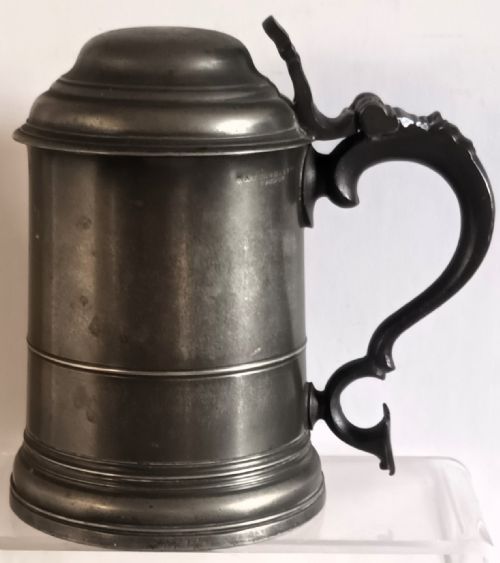


Victorian Pint Measure
These Victorian pint measure items bring authentic tavern and kitchen utility into your home, offering tactile pieces of nineteenth-century life.
Victorian Pint Measure
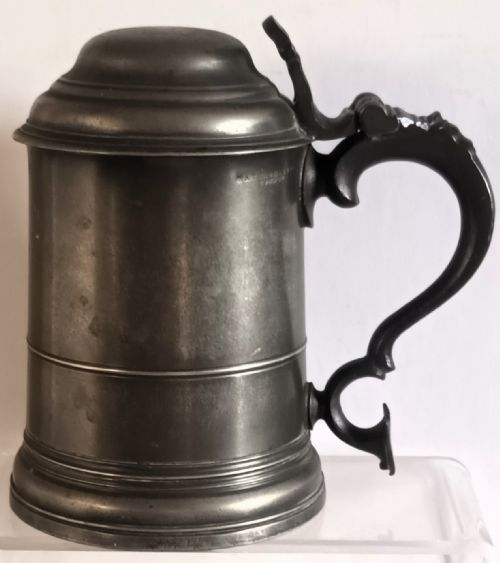
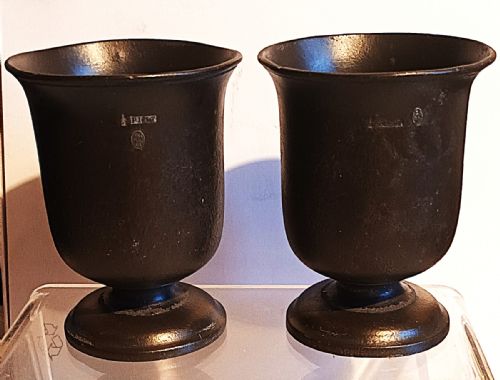
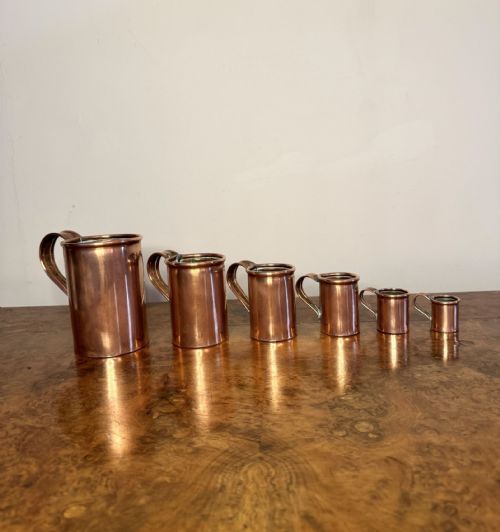
When you search for a victorian pint measure, you are looking at utilitarian drinkware and capacity standards shaped from heavy metals during the nineteenth century. These items include copper sets, imperial lidded examples, and bell-shaped vessels designed for daily service in taverns and households.
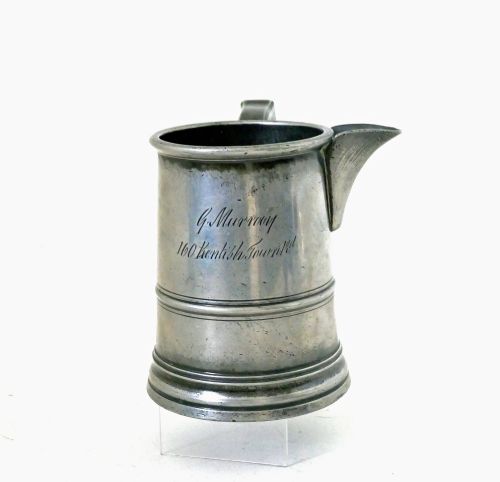
The pieces you are most likely to meet on this page include copper measurers and pewter tavern items spanning the nineteenth century. They range from single imperial vessels to graduated sets bearing verification stamps.
Makers such as Watts & Harton and Potter of London appear in the records alongside provincial pieces from Glasgow and London. Each object reflects the rigorous standards of measurement required in British establishments of the era.
Crafting the metal
These items are constructed primarily from pewter, copper, and bronze, often shaped by hammering, casting, or spinning the metal. Many pewter vessels incorporate tin linings to ensure safety and durability for holding ale and other liquids.
The surfaces show tool marks, engraving, and imperial touchmarks applied to certify capacity. Graduated sets demonstrate skilled forming, nesting smoothly together from small measures up to larger pints and quarts.
Victorian Pint Measure Retail Price Guide 2026
Typical asking prices for victorian pint measure among the pieces listed under this phrase on Sellingantiques today, from the lower quarter to the upper quarter. They describe what is for sale here now, not the wider market.
Judging the quality
Quality rests in the weight of the metal, the crispness of the imperial touchmarks, and the integrity of the original form. Heavy copper sets and thick pewter tankards retain their structural balance far better than thinner, heavily polished alternatives.
Crisp regional verification stamps and legible maker inscriptions elevate a piece above unmarked domesticware. Original surface patination without excessive modern intervention preserves the true character of these working antiques.
Watts and Harton·Potter of London
The Victorian Pint Measure Glossary
- Imperial pint
- A unit of liquid capacity established by British legislation in the nineteenth century. It equals twenty fluid ounces.
- Touchmark
- A stamped seal applied by a metalworker or official inspector to guarantee purity and measure. These marks often identify the maker and the region.
- Bell-shaped tankard
- A drinking vessel featuring a distinctive flared profile resembling a church bell. This silhouette provides stability on tavern tables.
- VR stamp
- A crown mark denoting Victoria Regina, used by inspectors to verify that a measure met official capacity standards. Such royal ciphers date the pieces reliably.
Victorian Pint Measure: Frequently Asked Questions
What were these measures used for?
These vessels served as standard units for dispensing ale, beer, and other liquids in nineteenth-century taverns and domestic kitchens. They ensured customers received accurate quantities.
Publicans relied on them for daily service, while merchants used them as verified capacity standards for trade.
How do I display them at home?
Copper and pewter measures sit well on open wooden shelving, dressers, or kitchen mantels where their metallic surfaces catch the light. Grouping graduated sets together creates an effective visual display.
Avoid damp environments to protect the metal surfaces and maintain their historical patination.
How can I tell the period?
Dating relies on official verification stamps, maker touches, and specific vessel styles like the bell-shaped tankard. Imperial standards became strictly regulated during the nineteenth century.
Inscriptions naming specific towns or street addresses also help narrow down the date of manufacture.
Are copper and pewter safe to use?
While these pieces are primarily intended for display as antiques, historical pewter often contains a tin lining. Modern use for acidic beverages is generally discouraged.
Gentle cleaning with a soft cloth preserves the historic surface without stripping the aged patina.