
Victorian Pine Kitchen Cupboard
When you search for a victorian pine kitchen cupboard, you find practical utility pieces built from durable softwood for everyday use in nineteenth-century domestic spaces.
Victorian Pine Kitchen Cupboard
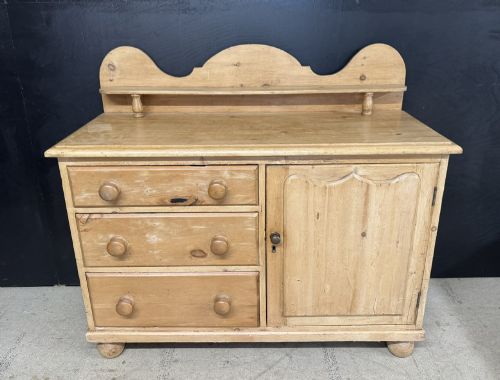
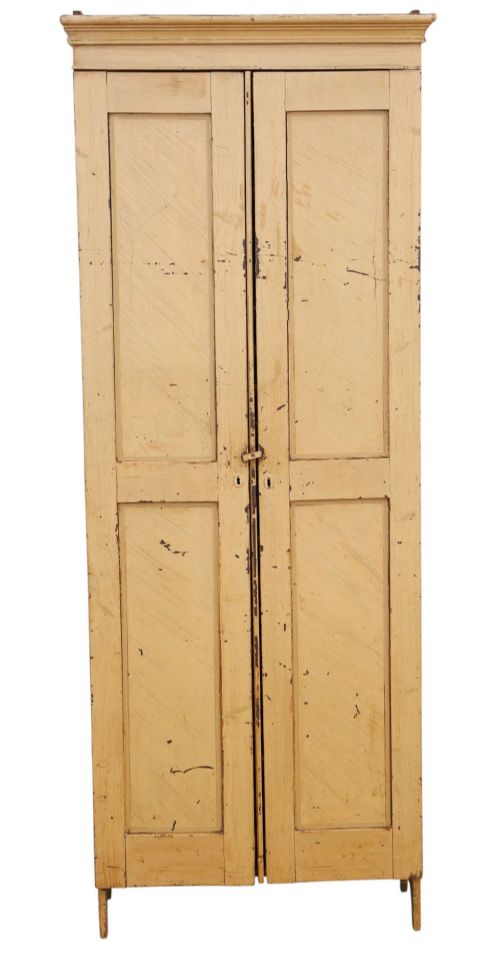
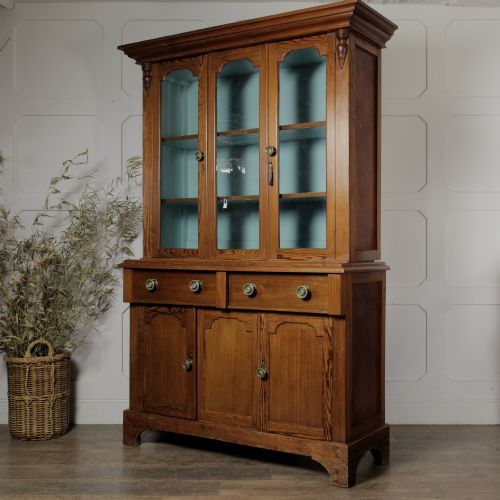
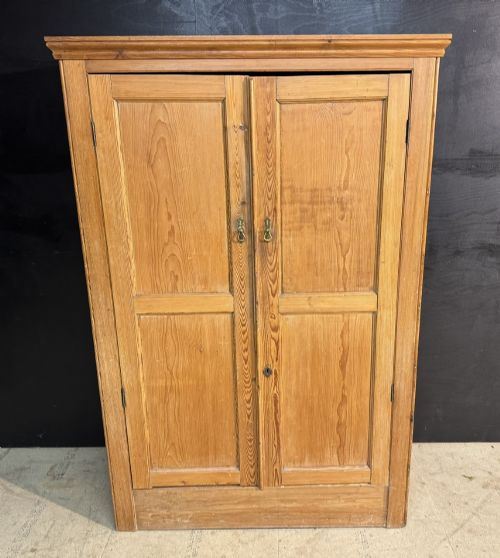
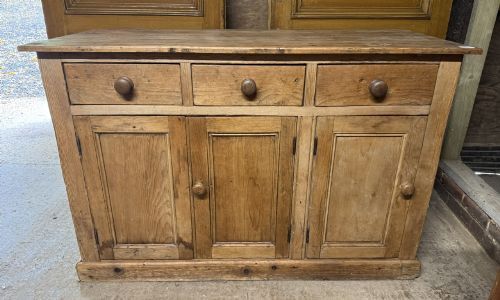
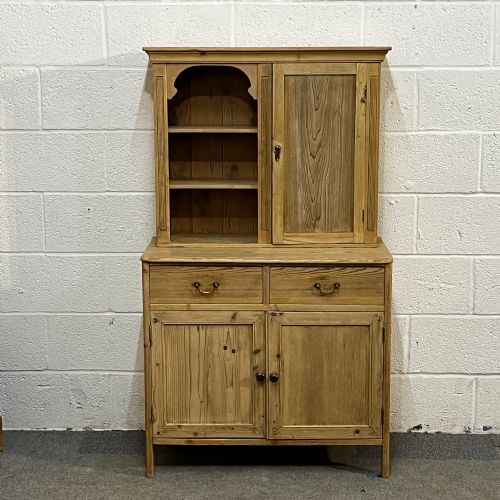
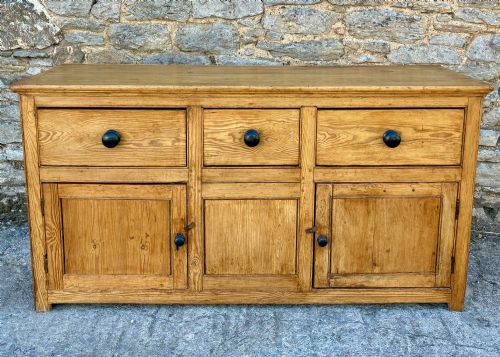
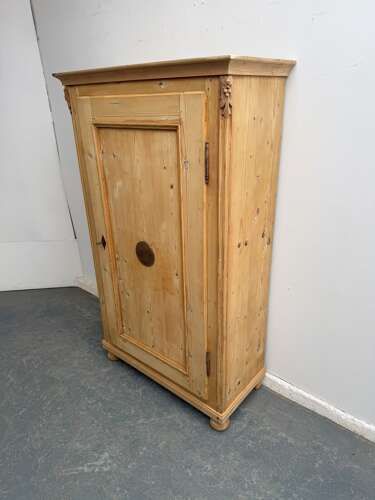
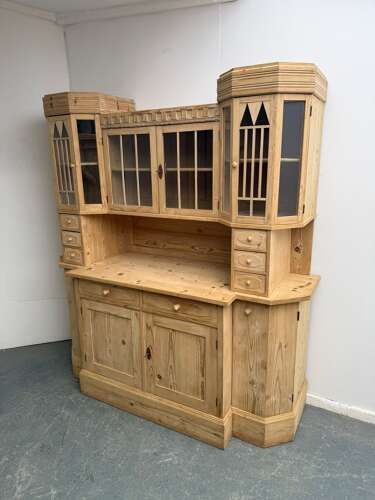
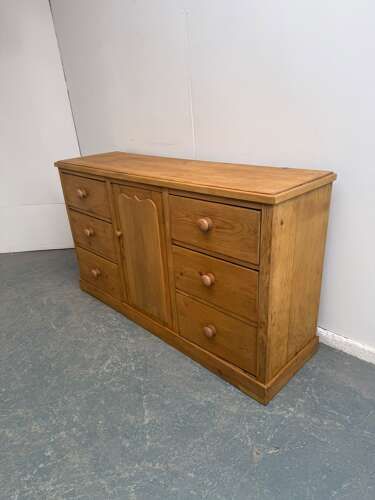
A victorian pine kitchen cupboard serves as a functional storage piece originating primarily from the nineteenth century, encompassing forms such as housekeepers cupboards, larder cabinets, and dresser bases. These items reflect the domestic requirements of country kitchens, farmhouses, and school rooms where sturdy storage was essential.
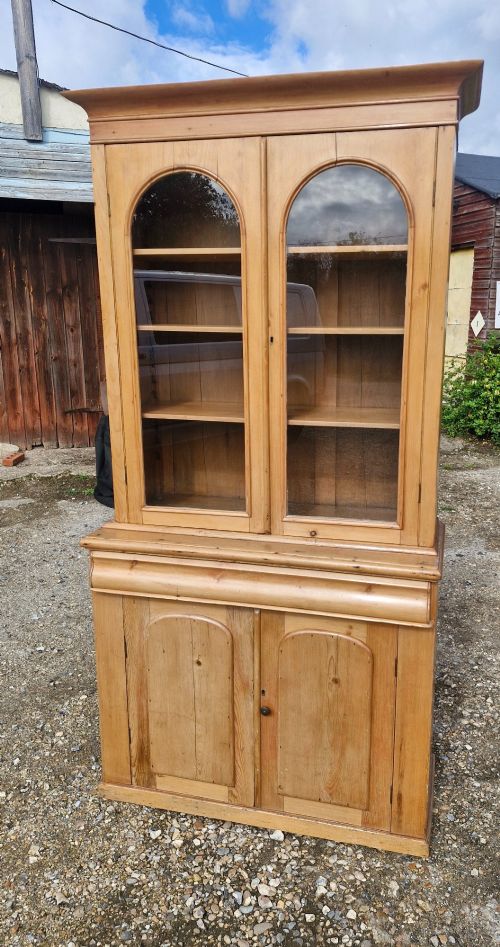
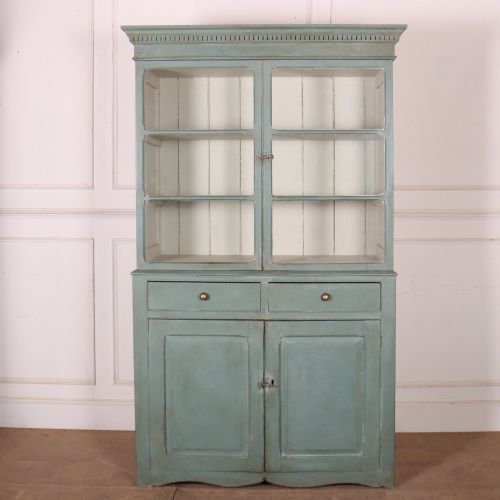
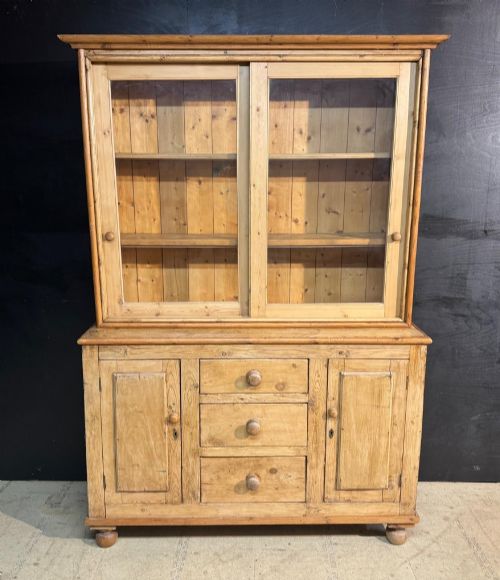
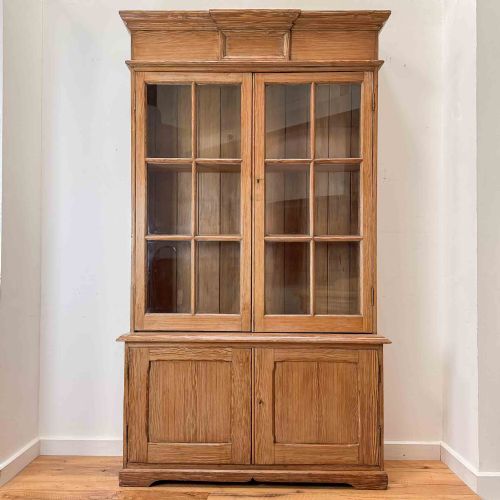
The variations include tall narrow configurations, two-part cabinets with glazed doors, and multi-drawer dresser bases. Many examples exhibit regional vernacular traits, including English, Scottish, Welsh, and continental European influences.
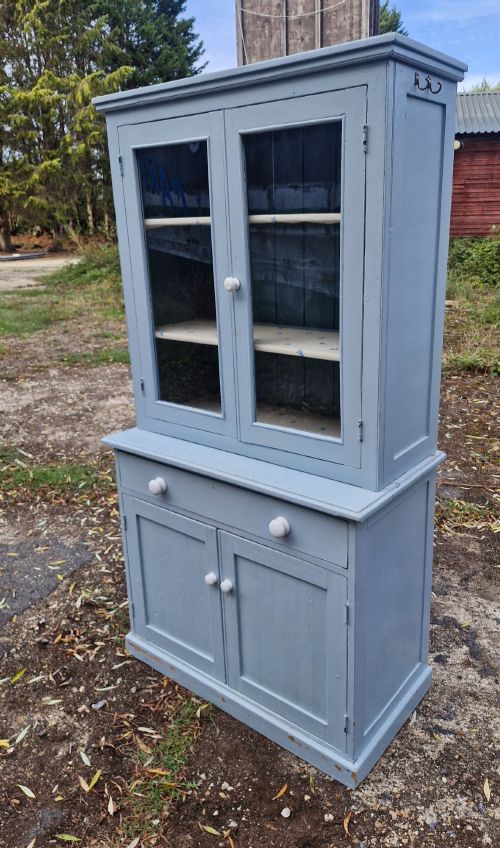
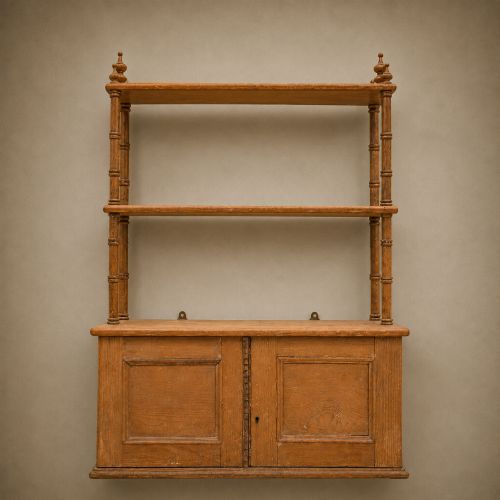
Surviving pieces frequently appear either stripped to reveal the natural grain of the wood or finished in original or later paint layers. Buyers encounter both single-door wall units and massive multi-door floor-standing storage furniture.
Materials and construction
Makers constructed these utility items predominantly from pine and pitch pine, supplemented by secondary hardwoods or structural timbers where necessary. Hardware fittings commonly incorporated brass, iron, and metal elements for hinges, latches, and drawer pulls.
Glazing appeared on display cabinets and bookcase tops using glass panes secured with wooden glazing bars. Surfaces were often left bare for waxing, painted in cream, teal, or other pigments, or finished with scumble glazes to imitate finer timbers.
Listings feature pine and pitch pine constructions complemented by glass, brass, and iron hardware across Victorian and Edwardian periods.
Distinctions in quality
The standard of a piece depends on the integrity of its original construction, including pegged joints, panelled doors, and well-fitted drawers rather than mass-produced modern fixings. Proportion and scale also dictate desirability, particularly where narrow footprints or unusually tall designs meet specific room dimensions.
Surface treatment significantly influences character, with retained original paint or early scumble finishes holding distinct appeal compared to repeated modern stripping and repainting. Complete hardware, original glass, and sound structural timber separate standard utility furniture from finer vernacular examples.
The Victorian Pine Kitchen Cupboard Glossary
- Scumble
- A decorative paint technique involving a translucent top layer dragged or combed over a lighter base colour to simulate grain. This finish was common on nineteenth-century utility furniture.
- Pitch pine
- A dense, resinous softwood variety prized for its durability and distinctive dark grain patterns. It frequently appears in larger Victorian storage cabinetry.
- Dresser base
- The lower section of a kitchen dresser featuring cupboards and drawers without the upper plate rack. These units functioned independently as sideboards and food preparation surfaces.
- Larder cupboard
- A tall ventilated storage cabinet designed for food preservation before mechanical refrigeration. Vented doors or panels allowed air circulation while keeping pests away from provisions.
- Housekeepers cupboard
- A large, multi-door floor-standing storage unit used for linens, dry goods, and domestic supplies. These imposing pieces formed the backbone of nineteenth-century household administration.
Victorian Pine Kitchen Cupboard: Frequently Asked Questions
How were these cupboards used originally?
Victorian households utilised these cupboards for storing dry foods, kitchen utensils, crockery, and household linens in domestic kitchens and larders. Their sturdy construction made them central to daily food preparation and provisioning.
Larger variants such as housekeepers and larder cupboards helped organise domestic supplies before modern fitted kitchens existed, often standing in sculleries, pantries, or hallways.
How do I care for a waxed pine cupboard?
Maintain waxed pine surfaces by applying a traditional beeswax polish sparingly and buffing with a soft cloth to preserve the sheen. Avoid placing wooden furniture near direct heat sources or damp areas to prevent splitting or warping.
Clean surfaces with a dry or lightly dampened cloth rather than harsh chemical sprays that can strip the historic wax finish over time.
Are these cupboards suitable for modern kitchens?
These pieces integrate well into contemporary spaces by providing freestanding pantry storage and surface space without requiring fitted units. Their varied dimensions allow them to fit into alcoves or act as focal storage points.
Buyers often utilise dresser bases as kitchen islands or vanity units, while tall cupboards serve as functional larders or linen storage.
How can I tell if the paint is original?
Examine the surface under natural light for signs of wear, craquelure, and multiple underlying layers that indicate age and historical use. Original paint often shows cumulative wear around handles and edges rather than uniform modern application.
Look inside rebates and hidden interior surfaces where later decorators rarely reached, revealing the chronological sequence of finishes applied to the timber.