
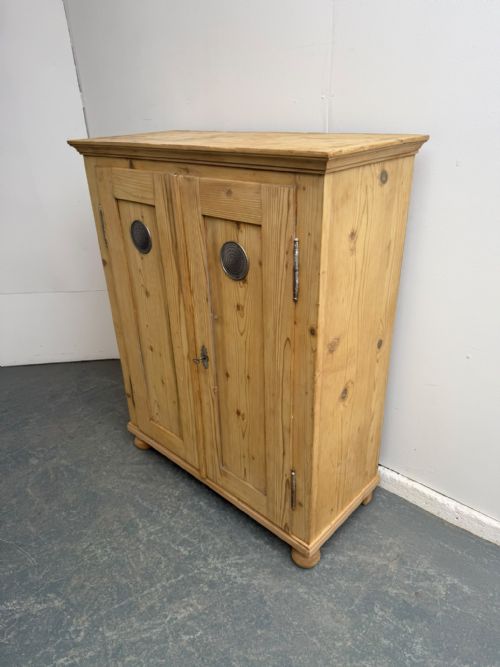
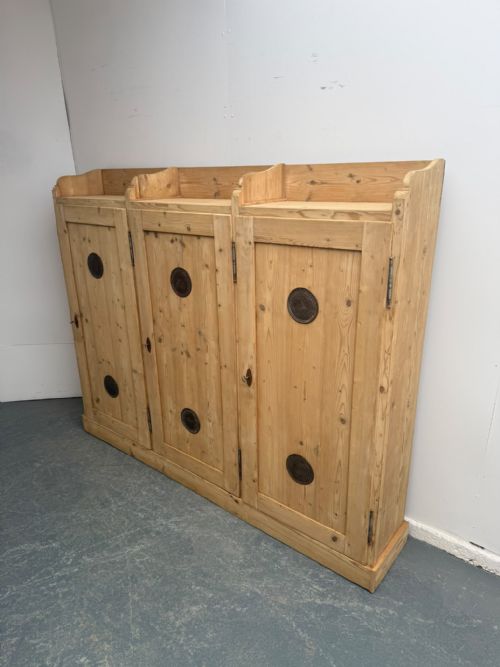
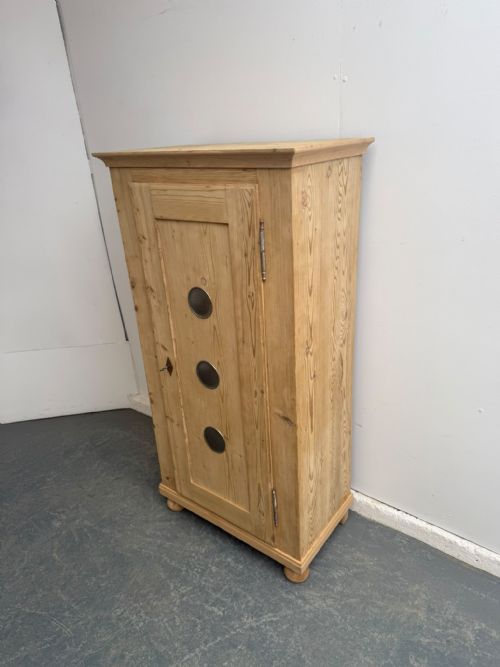
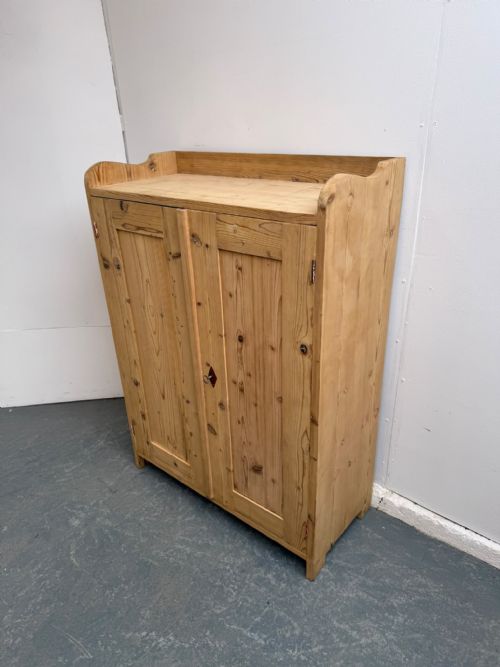
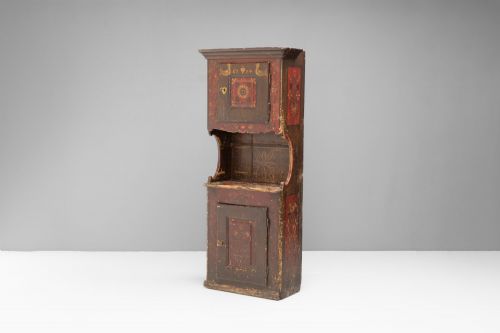


Pine Food Storage Cupboard
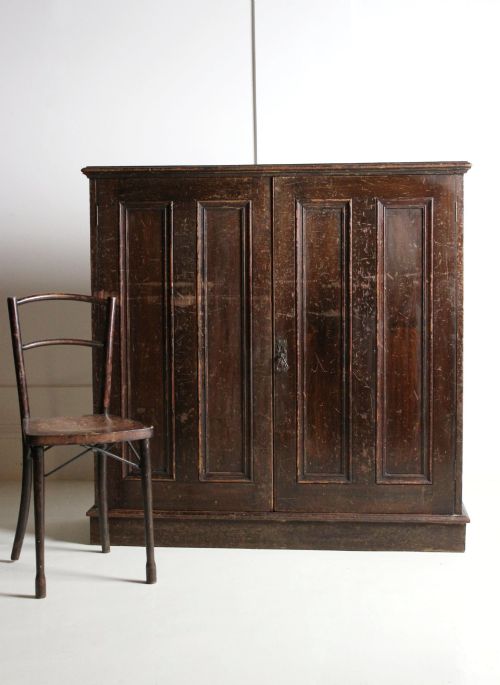
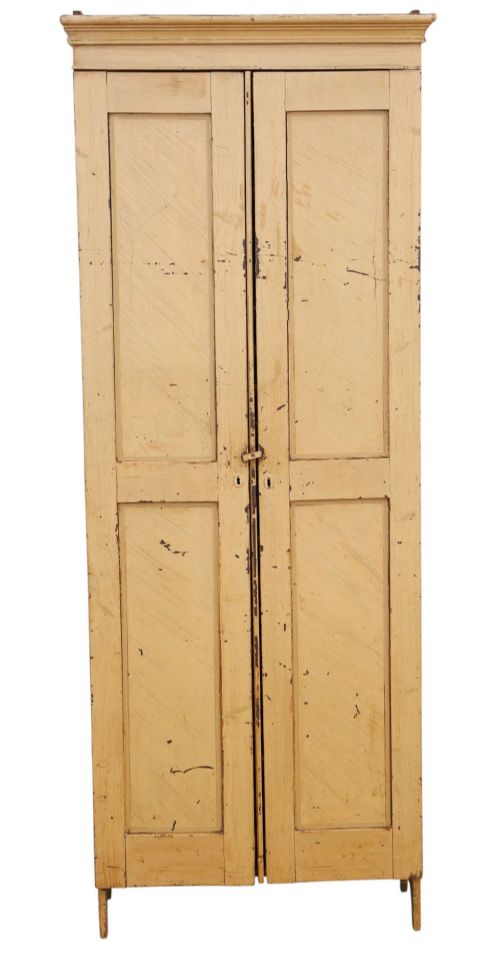
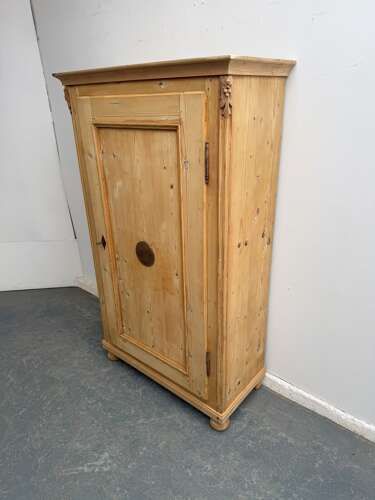
A pine food storage cupboard is a utilitarian domestic larder or pantry cabinet built to keep perishables secure, prized for its honest vernacular charm and generous interior capacity.
Pine Food Storage Cupboard
When you examine a pine food storage cupboard, you are looking at practical kitchen furniture spanning the eighteenth, nineteenth, and early twentieth centuries. These pieces originated in various regions, including English country workshops, Welsh farmhouses, French provinces, and Scandinavian homes, serving as the primary storage vessels for household provisions before modern refrigeration.
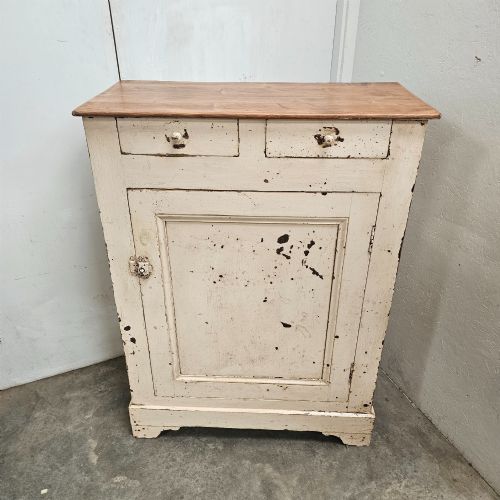
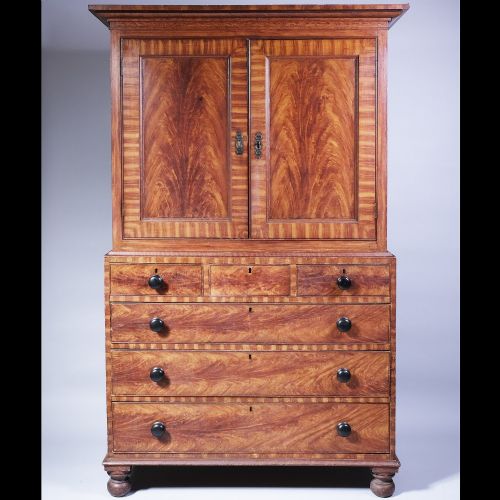
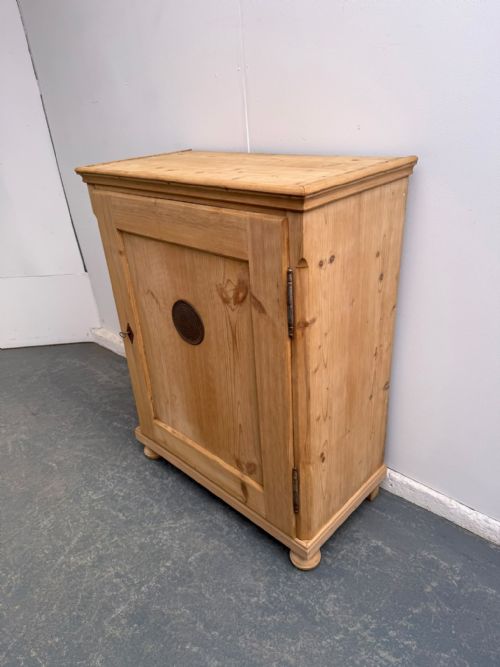
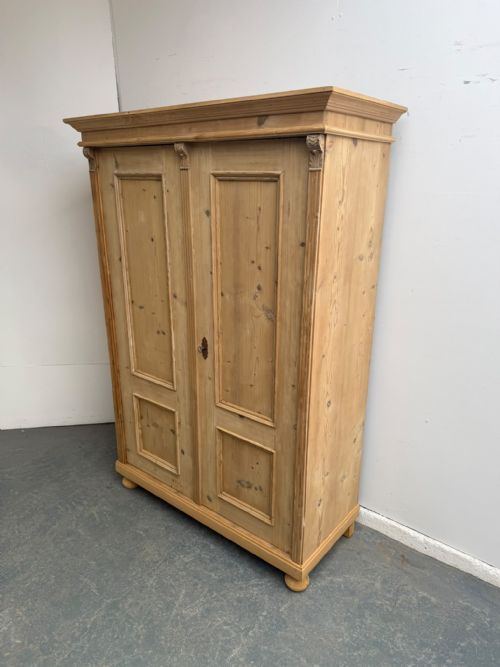
The most common examples on this page are nineteenth-century and Victorian country pieces, often featuring single or double doors, internal shelving, and occasional drawer arrangements. You will also encounter specialised forms such as vented cupboards designed for air circulation, larder cupboards, housekeeper cupboards, and regional painted variants like French confituriers and Swedish ragwork cabinets.
Construction relies heavily on solid pine, complemented by iron hinges, brass fittings, and occasional cedar elements. Many pieces exhibit historical painted surfaces, scumble glazes, or stripped finishes ready for waxing, reflecting their long history of domestic utility across different European traditions.
What varies in quality
Quality in these vernacular pieces rests on the integrity of the original construction and the proportion of the carcass. Heavier timber framing, tight joints, and intact backboards distinguish robust provincial furniture from lighter, purely utilitarian packing cases.
The survival of original surface treatments, whether early paint, scumble, or undisturbed aged pine patina, elevates a piece considerably. Finer examples retain their original ironwork, operational locks, and unaltered internal shelving configurations rather than replaced components.
Some nineteenth-century cupboards retain traces of dried flour and ancient bread crumbs lodged deep within their board joints, whispering of forgotten farmhouse baking sessions.
The Pine Food Storage Cupboard Glossary
- Scumble paint
- A decorative surface technique where a translucent glaze is dragged or brushed over a solid base coat to imitate grain or create mottled texture. It was widely used on nineteenth-century country furniture.
- Confiturier
- A small French storage cupboard, often called a jam cupboard, traditionally used for preserving pots and provisions. These pieces typically feature a single door above a small drawer.
- Vented cupboard
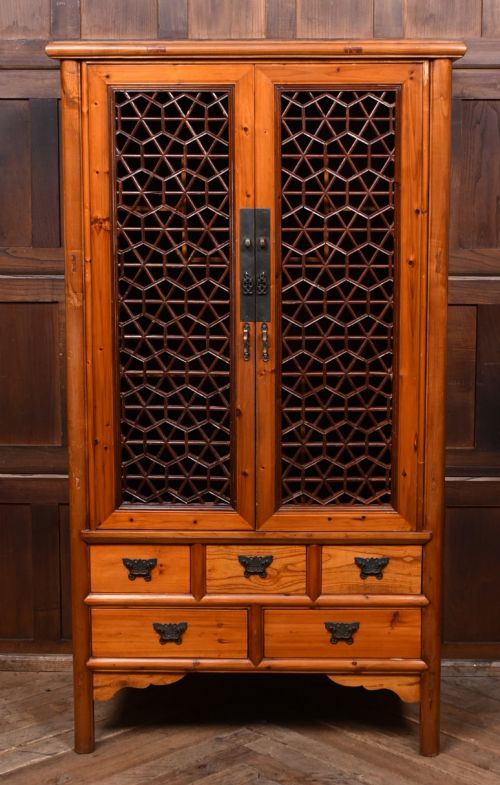
- A cabinet fitted with pierced tin, perforated panels, or slatted doors designed to allow air circulation around perishable food. This ventilation kept contents cool before mechanical refrigeration.
- Housekeeper cupboard
- A large tall storage cabinet traditionally used for storing household linens, dry goods, and provisions under the care of a domestic housekeeper. They often combine upper shelving with lower drawer space.
- Ragwork
- A folk art painting technique where rags or cloths are used to apply or dab paint onto a wooden surface, creating patterned textures. Swedish country furniture frequently displays this colourful finish.
Pine Food Storage Cupboard: Frequently Asked Questions
How do I keep antique pine clean?
Dust the surfaces regularly with a dry cloth and apply a traditional beeswax polish sparingly to nourish the soft wood. Avoid modern silicone sprays or excessive moisture.
Keep the cupboard away from direct heat sources and dramatic humidity shifts to prevent the timber from warping or splitting over time.
Were these cupboards used for food?
Yes, these cabinets served as the main domestic larder before household refrigerators became common. Vented versions kept butter, cheese, and bread fresh by allowing air to circulate.
Other variants stored dry goods, utensils, and household linens in the kitchen or pantry.
Can I paint a stripped pine cupboard?
Many nineteenth-century pieces on the market were originally painted and later stripped back to bare wood by past owners. Applying a traditional milk paint or eggshell finish aligns with their historical context.
Ensure the surface is properly keyed and free of old wax residues before applying any new paint coats.
How do I date an old pine cupboard?
Examine the construction methods, nail types, and hinge styles used in the assembly. Hand-forged ironwork, pegged joinery, and square-headed nails generally point towards Georgian or earlier origins, whereas machine-sawn timber indicates late Victorian dates.
Patina, wear patterns around handles, and historical paint layers also offer strong clues to a piece's age.