
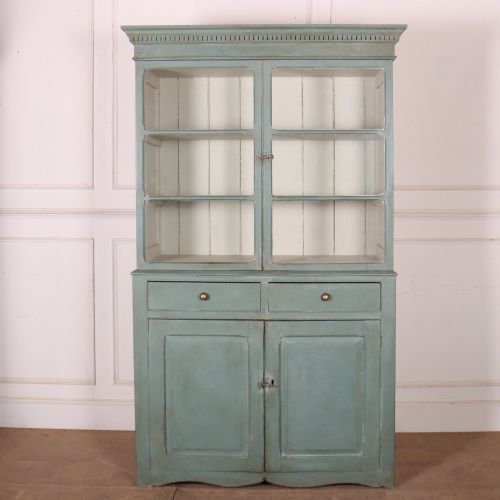
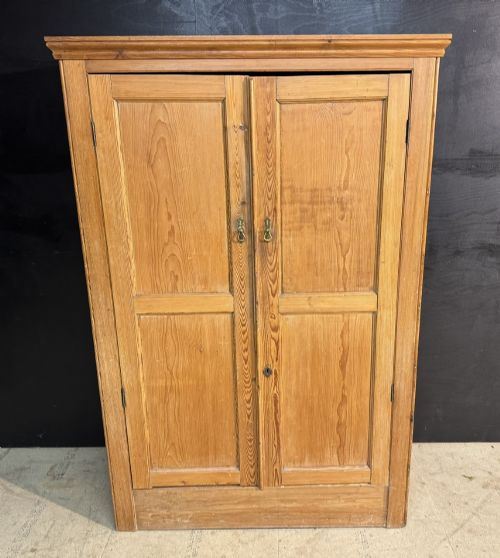
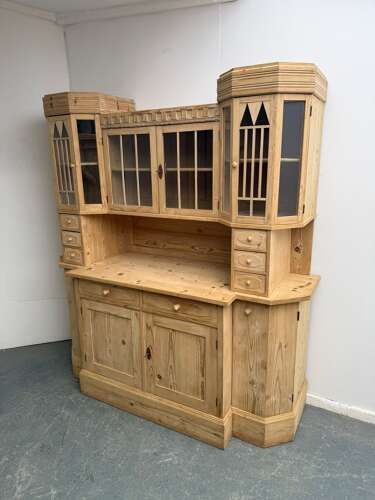
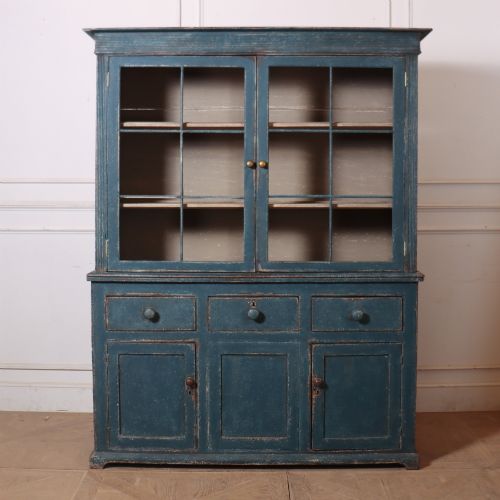
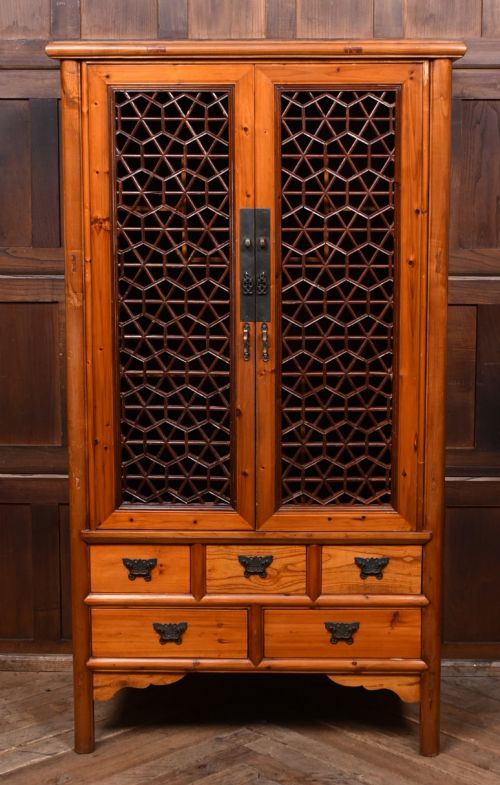
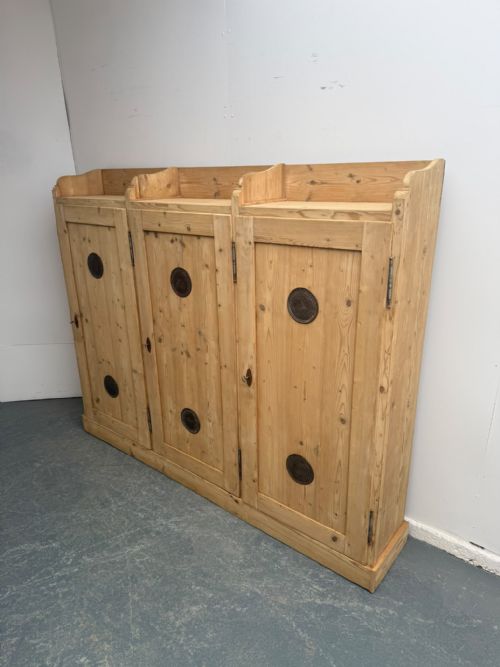
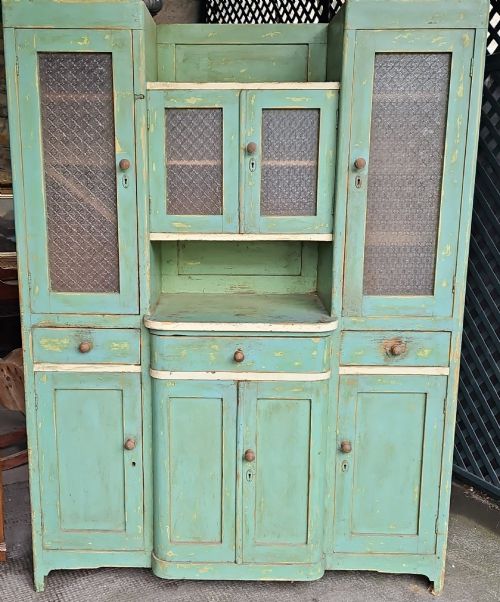


Traditional Pine Kitchen Larder
These traditional pine kitchen larder pieces offer practical storage and honest rural character, built to hold provisions before modern refrigeration took over.
Traditional Pine Kitchen Larder
A traditional pine kitchen larder provides the sturdy framework needed for storing dry goods in a busy household. When searching for a traditional pine kitchen larder, buyers encounter various forms including housekeeper cupboards, dressers, and vented cabinets dating from the eighteenth century to the twentieth century.
The pieces on this page originate from English, Scottish, and West Country workshops, displaying regional vernacular traits. Kitchen dressers and larder cupboards dominate the selection, often combining shelving with enclosed lower storage.
Makers built these items for domestic utility in farmhouses and country houses rather than formal display. Surviving examples show the straightforward construction methods typical of regional country cabinet making.
How they were made
Surviving surfaces often display original paint, historic wax finishes, or stripped pine surfaces showing the grain. Cedar wood sometimes appears in internal linings, and panelled doors utilise traditional framing techniques to accommodate timber movement.
Listings feature pieces spanning from the 18th century through the 19th century, Victorian, Edwardian, and 1930s periods, constructed from pine, glass, brass, and iron.
What varies in quality
Construction details differentiate standard utility items from finer vernacular work, particularly in the dovetailing of drawers and the thickness of the pine boards. The presence of specialised elements like vented panels or original glazed doors elevates the character of a piece.
The Traditional Pine Kitchen Larder Glossary
- Vernacular furniture
- Domestic items made by local tradesmen using regional styles and readily available materials. These pieces reflect the specific traditions of areas like the West Country or Scotland.
- Housekeeper's cupboard
- A large storage cabinet traditionally used for linens, dry goods, and provisions in country houses. They generally feature upper shelving and lower doors or drawers.
- Scullery cupboard
- A utility cabinet designed for a scullery or back kitchen for washing and food preparation tasks. They utilise durable pine construction to withstand damp environments.
- Glazed cabinet
- A storage unit featuring glass panes in the doors to display contents while protecting them from dust. This form appears frequently on kitchen dressers and larder cupboards.
- Vented cupboard
- A cabinet incorporating mesh, pierced metal, or slatted panels to allow air circulation for food preservation. These panels kept perishables fresh before mechanical refrigeration.
Traditional Pine Kitchen Larder: Frequently Asked Questions
What is a traditional pine kitchen larder used for?
These cupboards and dressers served as the central storage units for dry goods, provisions, and kitchen utensils before built-in cabinetry existed. Ventilated sections kept perishable items fresh in the days before refrigeration.
Today, buyers use them in modern kitchens and pantries for storing tableware, dry ingredients, and cookware while adding rustic character to the room.
How do I date a pine larder cupboard?
Dating relies on construction methods, timber characteristics, and hardware styles found across the piece. Eighteenth-century and nineteenth-century examples often display hand-planed surfaces, wrought iron hinges, and pegged joints.
Later Victorian, Edwardian, and 1930s pieces typically show machine-sawn timber, brass fittings, and standard Victorian or Arts and Crafts stylistic traits.
Are these pieces painted or waxed?
Pine kitchen furniture appears in both original painted finishes and stripped pine or waxed states. Many working country pieces received coats of paint for protection and cleanliness over the decades.
Some examples retain their original painted surfaces, whilst others have been stripped down to expose the natural grain of the pine timber.
Where were these cupboards made?
The pieces originate from various regions including England, Scotland, and the West Country. Local cabinet makers constructed them using regional woods and traditional vernacular designs suited to local domestic needs.
Specific regional traits appear in the proportions, cornice details, and arrangement of doors and drawers across different British counties.