

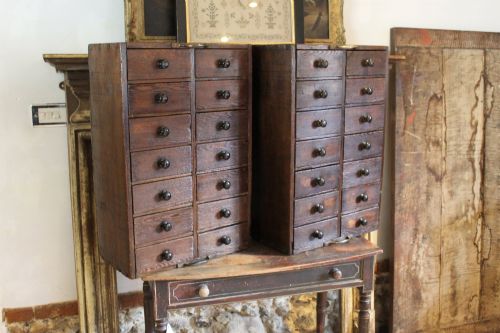


Victorian Pine Collector Cabinet
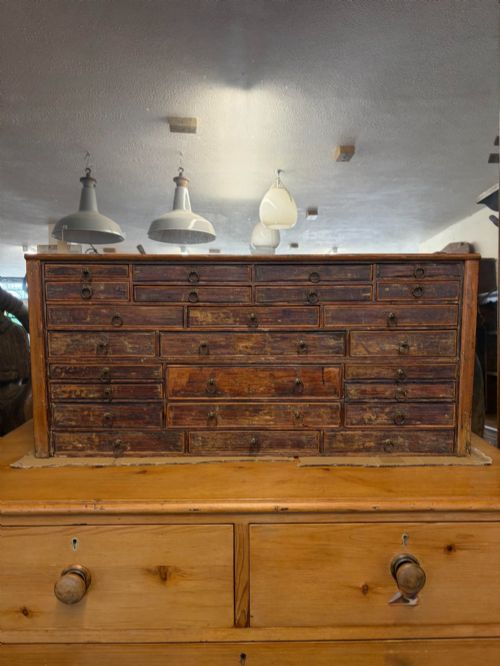
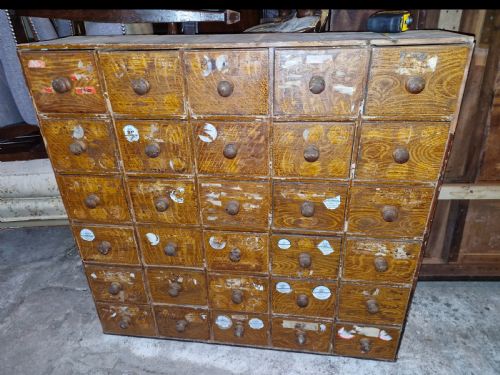
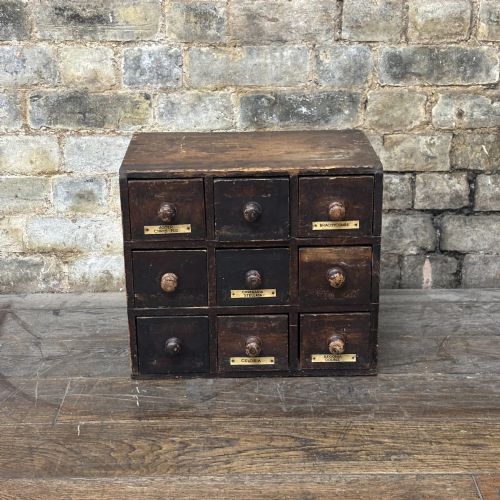
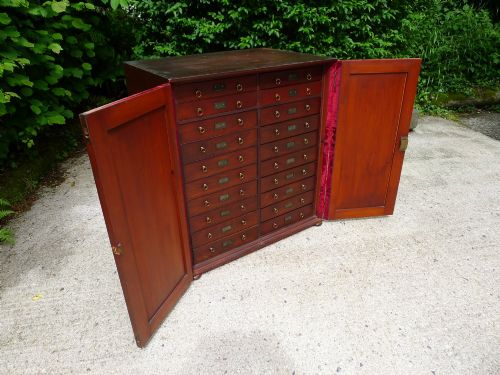
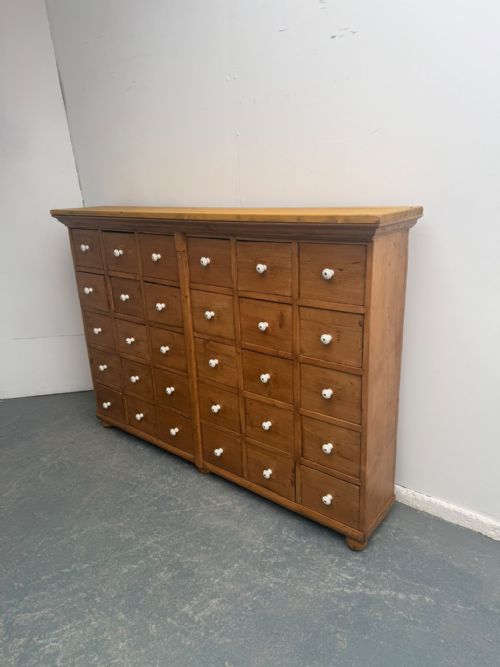
A victorian pine collector cabinet brings dense, functional storage into a room, offering numerous small drawers built to hold specimens, tickets or curiosities.
Victorian Pine Collector Cabinet
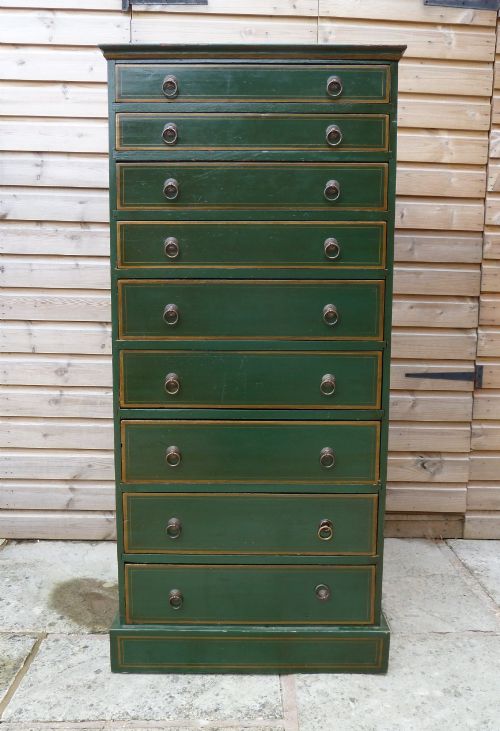
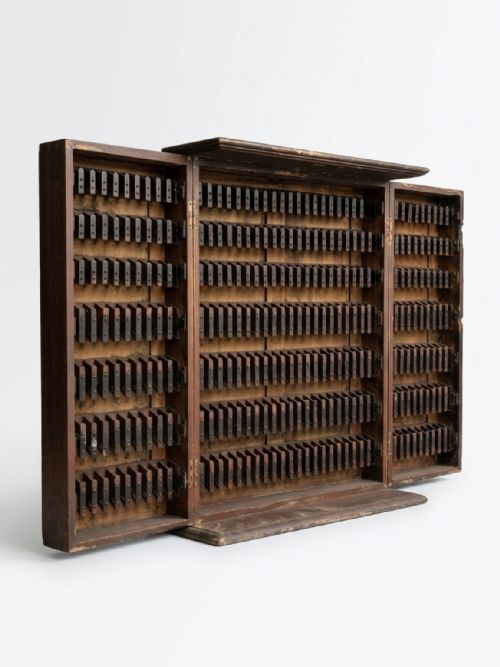
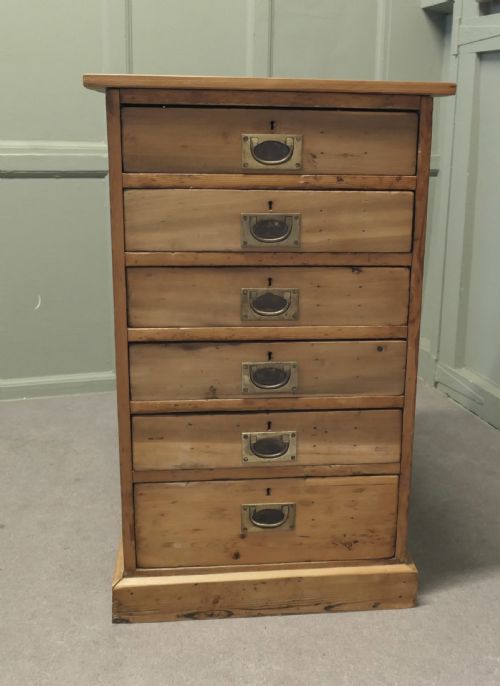
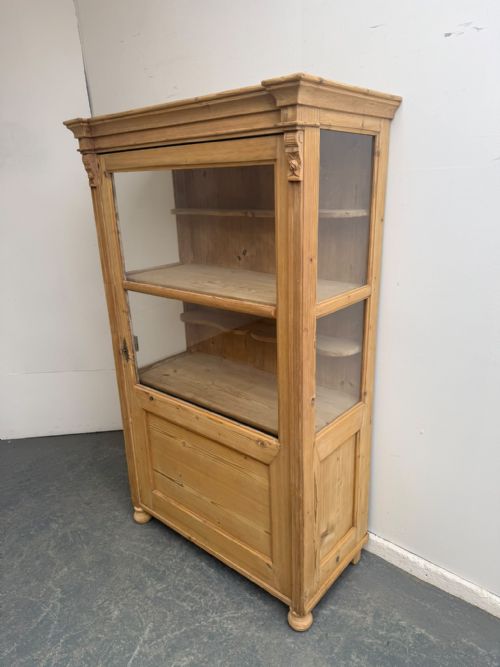
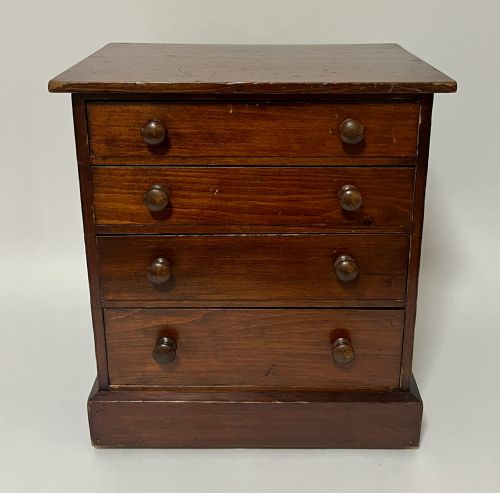
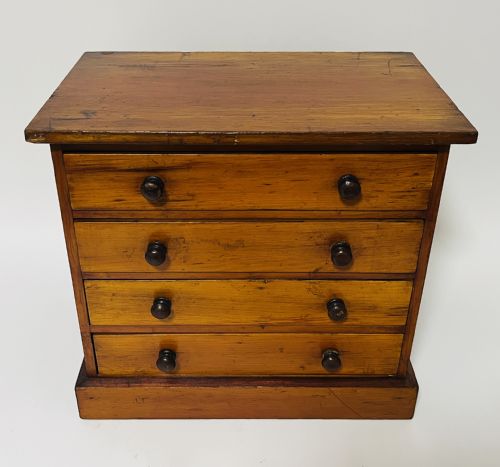
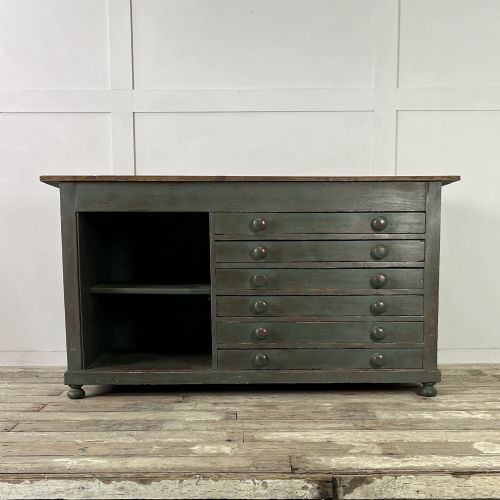
A victorian pine collector cabinet appears in various utilitarian forms across this selection, including multi-drawer banks, filing drawers, apothecary chests, and wall-hung display units. These pieces originate predominantly from the nineteenth century, spanning periods from the mid Victorian era through to Edwardian utility designs.
Buyers most frequently encounter banks of small drawers and tall specimen chests constructed for practical trades, such as seed storage, watchmaking, or railway administration. The forms range from shallow desk companions to imposing thirty-drawer banks built to house comprehensive private collections.
Materials and construction
Carpenters utilised softwood timbers such as deal and pitch pine, occasionally applying stained finishes, paint, or wax to protect the surfaces. Cabinet construction relied on robust joints suited to heavy daily use in offices, shops, and workshops.
Hardware details typically include brass pulls, iron handles, and glass doors where contents required visibility. Secondary woods and ebonised mouldings appear on finer apprentice pieces and specialised specimen chests.
Listings feature items constructed from pitch pine, deal, brass, and glass across the Victorian and Edwardian periods.
Judging the standard
Quality separates cabinets by the precision of the drawer joinery and the integrity of the timber selection, such as figured pitch pine versus plain deal. Superior examples retain original drawer numbers, brass hardware, and painted or polished surfaces rather than later alterations.
The sophistication of the internal configuration influences the character of the piece, from simple office filing units to specialised apothecary and watchmaker banks with numerous fitted compartments.
Luxmore's of Ilfracombe·D Napier and Sons·J T Crockett
The Victorian Pine Collector Cabinet Glossary
- Deal
- A softwood timber commonly cut from fir or pine, widely utilised for nineteenth-century utilitarian furniture and cabinet carcases.
- Pitch pine
- A resinous pine variety known for distinct grain patterns and durability, frequently chosen for better quality Victorian storage furniture.
- Specimen cabinet
- A specialised storage piece containing multiple shallow drawers designed to organise natural history samples, coins, or small artefacts.
- Bank of drawers
- A multi-drawer carcass built for commercial or workshop use, providing systematic organisation for trade goods or documents.
Victorian Pine Collector Cabinet: Frequently Asked Questions
What were these cabinets originally used for?
These cabinets served businesses, workshops, and collectors to organise small items systematically. Tradespeople used them for seeds, watch parts, railway tickets, and pharmacy goods.
Naturalists and hobbyists utilised the shallow drawers to store botanical specimens, insects, and coins safely away from light and dust.
How do I clean a painted pine cabinet?
Painted surfaces benefit from gentle dusting with a dry microfibre cloth to remove surface particles without disturbing the finish. Avoid harsh chemical cleaners that might strip historic paint or wax.
If the surface feels dry, a light application of traditional beeswax helps nourish the wood and old paint layers safely.
Where do I place a tall bank of drawers?
Tall banks of drawers require sturdy placement against a wall, often anchoring securely due to their narrow footprint and heavy loaded weight. They function well in studies, kitchens, or hallways as striking storage solutions.
Ensure the floor space is level so the numerous small drawers open and close smoothly without binding in their tracks.
How can I tell a Victorian piece from an Edwardian one?
Victorian pieces often display heavier proportions, hand-cut joinery details, and darker stained deal or figured pitch pine. They frequently originate from functional trades like railway offices or apothecary shops.
Edwardian and later pieces tend toward lighter utility formats, simpler interior construction, and occasionally factory-applied painted finishes typical of early twentieth-century offices.