
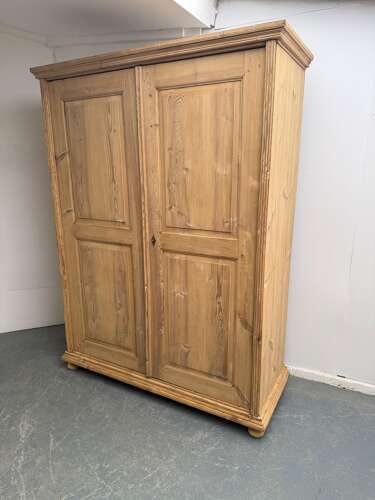
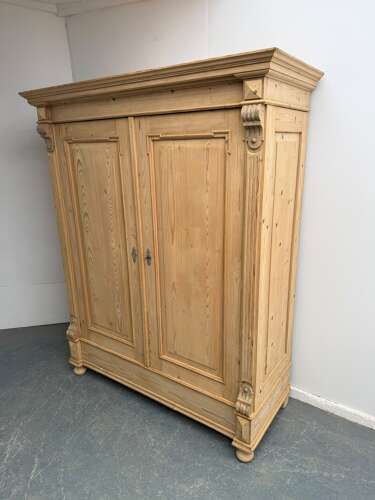
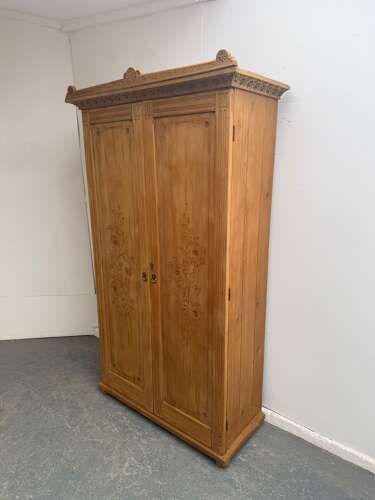
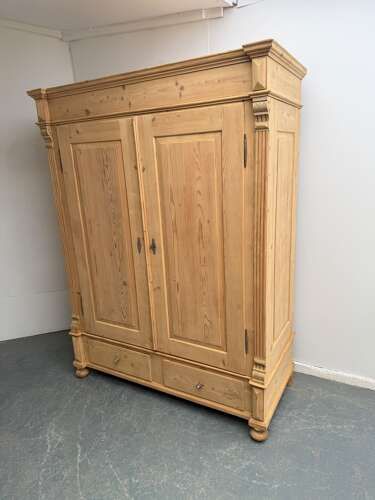
Victorian Pine Clothes Armoire
A victorian pine clothes armoire brings honest grain and generous storage into a bedroom, offering heavy timber utility built to last generations.
Victorian Pine Clothes Armoire
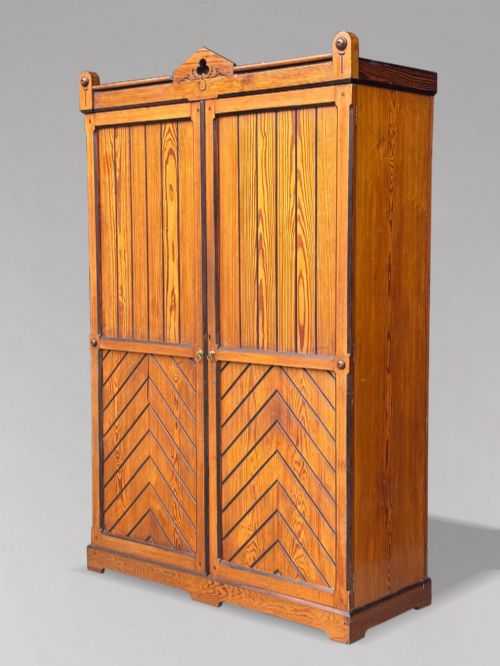
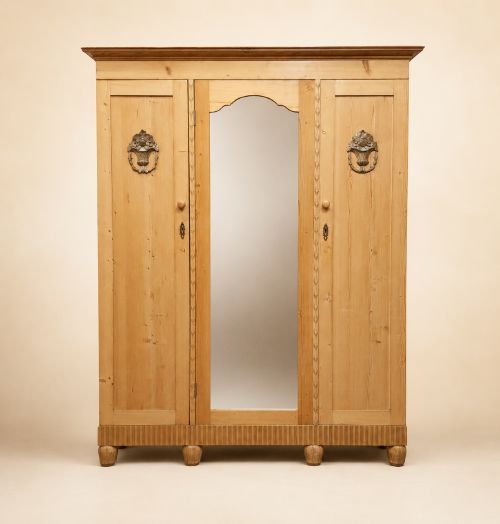
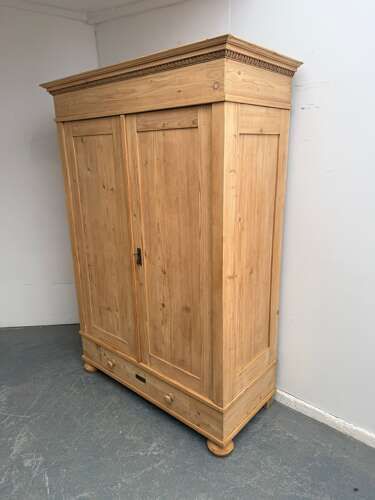
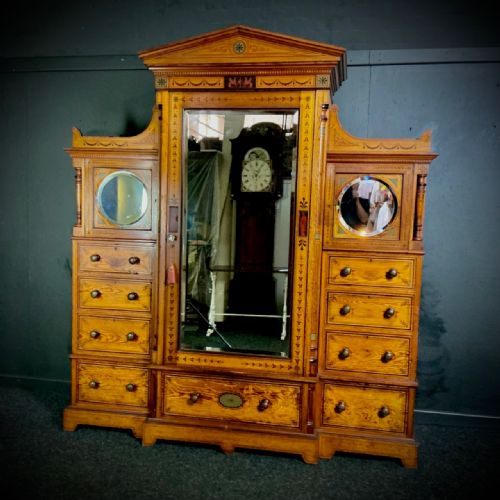
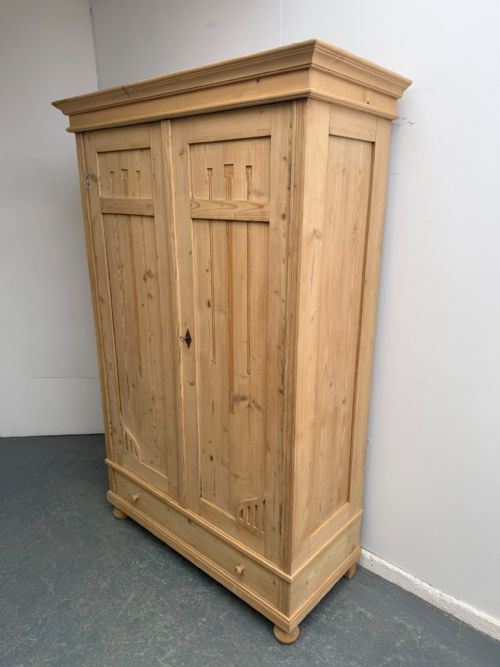
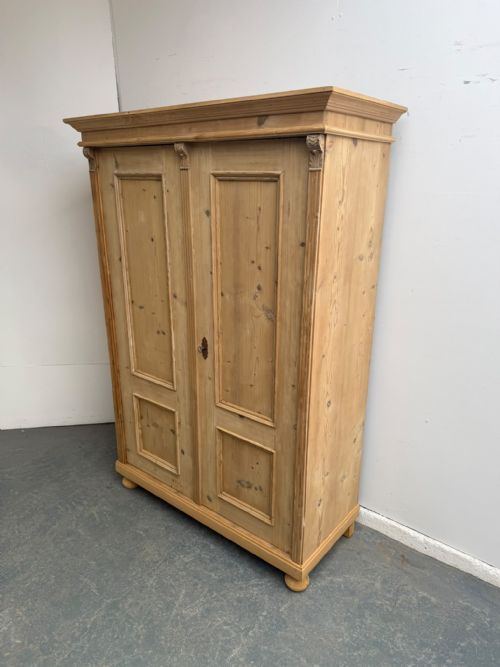
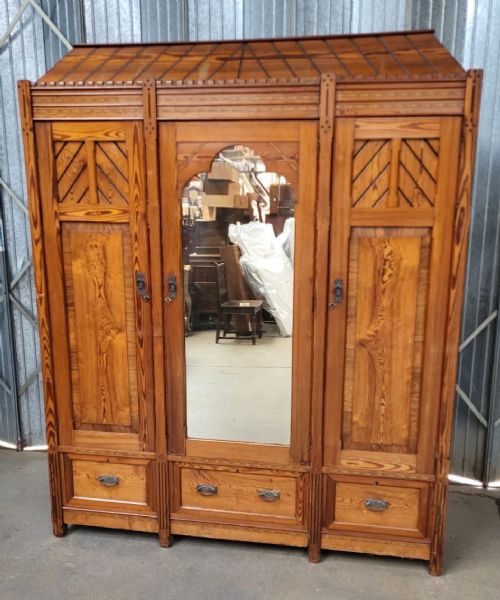
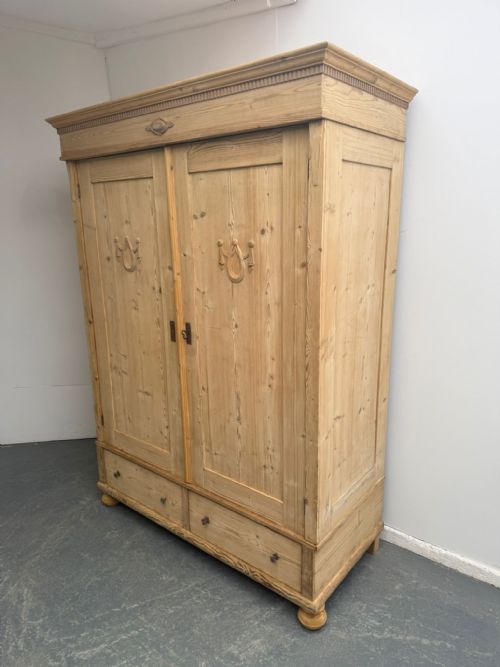
When you search for a victorian pine clothes armoire, you encounter robust freestanding wardrobes designed to handle substantial household garments. These pieces emerge predominantly from the nineteenth century, ranging from simple country workshops to more refined Arts and Crafts endeavours.
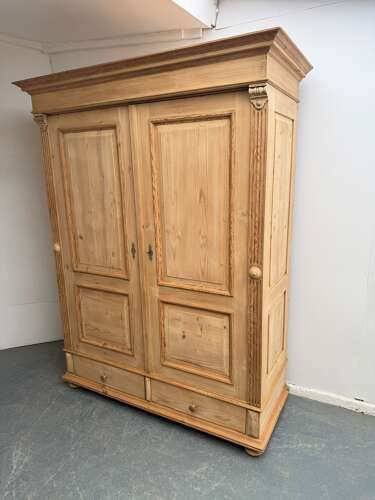
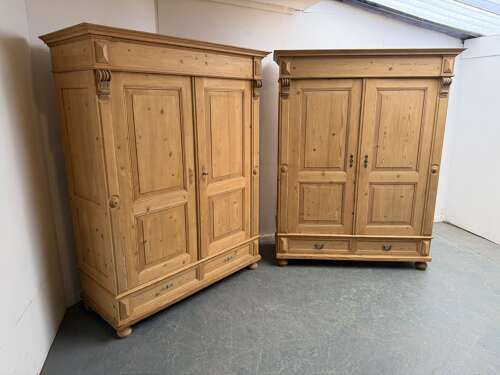
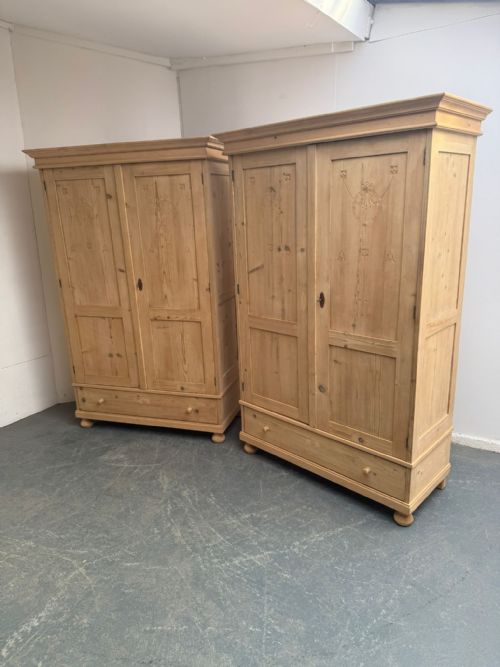
The most common formats on this page are double and triple door wardrobes, often featuring knockdown construction so large frames could travel up narrow staircases. You will also find compactum variants, linen presses, and smaller hall cupboards built with the same utilitarian ambition.
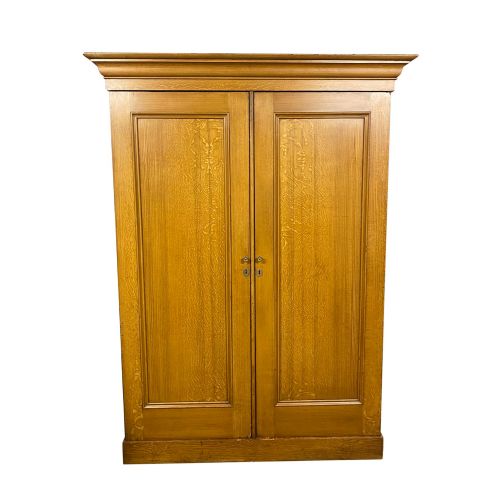
Originating largely from British and European domestic settings, these wardrobes reflect regional carpentering traditions. Some retain their original scumble paintwork simulating oak, while others arrive stripped and waxed to highlight the warm knotty grain of the timber.
Materials and construction methods
The primary material is solid pine or pitch pine, selected for its accessibility and workability, complemented by brass, iron, and glass hardware. Workshops utilised pegged joints, panelled doors, and moulded cornices to give structural integrity to large carcases.
Many larger examples were constructed as knockdown pieces, using internal bolts and slot-in panels so the heavy furniture could be dismantled and reassembled on site. Surface treatments varied from traditional clear wax to decorative scumble paint finishes designed to elevate cheaper wood.
Carved details, inlaid sections, and columned pilasters appear on pieces influenced by the Arts and Crafts and Gothic styles. Iron hinges and brass handles provide functional contrast to the soft timber frames.
Some wardrobes still retain traces of Victorian dressmaker pins wedged into the timber mouldings by generations past.
Distinctions in quality
Quality rests in the heaviness of the timber and the architectural ambition of the moulding, separating simple utility cupboards from grand architectural wardrobes. Better examples feature thick pitch pine, deep cornices, and well-executed panel doors that retain their original structural alignment.
The sophistication of the internal configuration marks another tier of distinction, with combination wardrobes offering purposeful divisions of hanging space, linen shelves, and deep bottom drawers. Pieces with intact period hardware and original painted or scumbled surfaces command closer attention than stripped alternatives.
The Victorian Pine Clothes Armoire Glossary
- Knockdown
- A piece of furniture designed to be taken apart into sections for transport and reassembly. This clever modular construction allowed bulky wardrobes to move between rooms easily.
- Compactum
- A fitted wardrobe incorporating multiple internal compartments such as drawers, shelves, and hanging space. It represents a more complex internal arrangement than a basic single-hanging cupboard.
- Scumble paint
- A translucent glaze applied over a base coat and manipulated with combs or rags to imitate more expensive timbers like oak. This decorative technique was widely used in country houses.
- Pitch pine
- A dense, resinous variety of pine known for its durability and strong grain pattern. It appears on sturdier Victorian pieces that required greater structural strength.
- Linen press
- A tall cupboard featuring upper sliding trays or shelves for folded textiles above a bank of lower drawers. These served as primary storage before fitted bedroom furniture became standard.
Victorian Pine Clothes Armoire: Frequently Asked Questions
How do I assemble a knockdown wardrobe?
Knockdown wardrobes use internal wooden pegs, metal bolts, or interlocking slots to join the cornice, base, sides, and doors together without permanent glue.
Having two people for the assembly ensures the heavy pine panels remain stable while the fixings are secured.
What is the difference between a wardrobe and an armoire?
While modern usage often treats the terms interchangeably, traditional armoires frequently denote large European cupboards with deep storage capacities.
In British listings, these terms both describe freestanding timber closets intended for hanging clothes and storing linens.
Should I wax or paint my pine wardrobe?
Choosing between a wax finish and paint depends on whether you prefer the exposed honeyed grain of natural softwood or a clean, neutral surface.
Many pieces arrive prepared for either treatment, allowing you to match the wood tone to your existing interior decor.
Will a large Victorian wardrobe fit upstairs?
Most large Victorian wardrobes on this page utilise knockdown construction specifically designed to dismantle into manageable flat sections.
Checking the dimensions of your stairwell against the individual carcase panels before delivery ensures a smooth installation.