







Victorian Pin Cushion
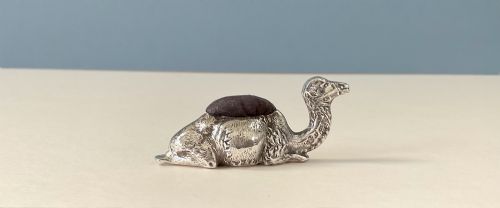
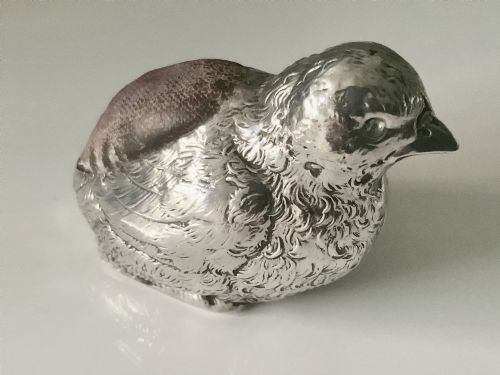
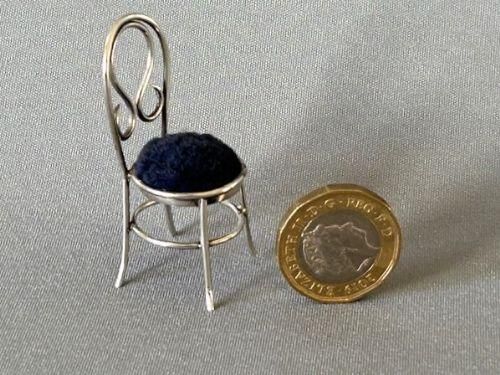
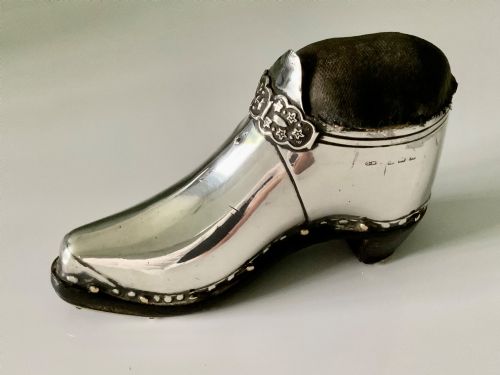
When you examine a victorian pin cushion, you find a small sewing essential shaped as an animal or household object to grace a dressing table.
Victorian Pin Cushion
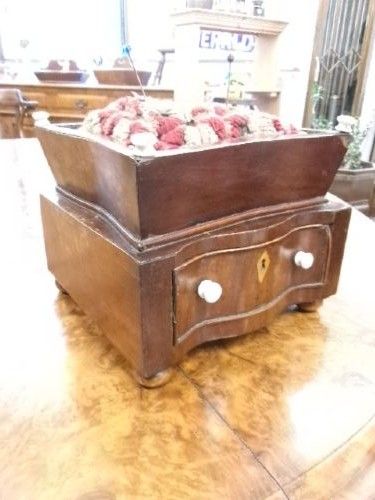
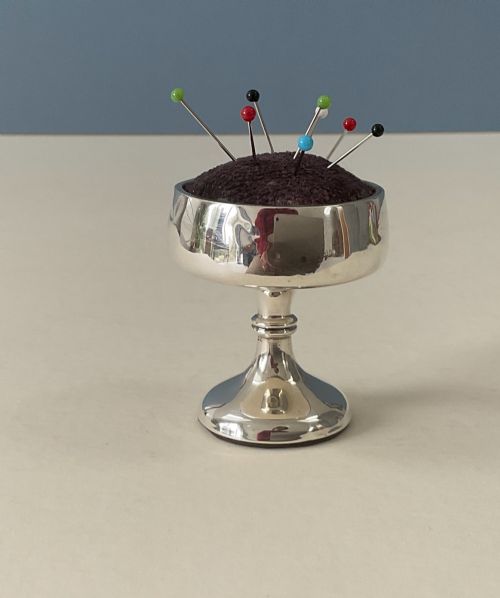
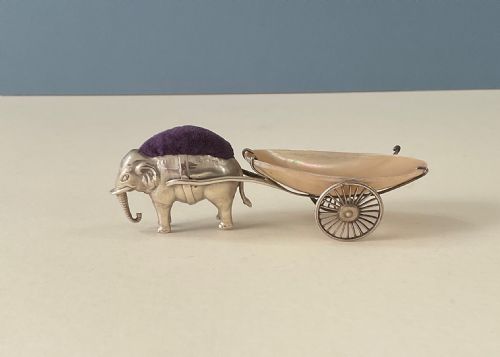
A buyer seeking a victorian pin cushion encounters an array of domestic items, primarily small sewing accessories made in Britain during the nineteenth century and the Edwardian era. The pieces seen most frequently on this page take whimsical novelty forms, including animals, footwear, and household furnishings.
Beyond the novelty shapes, listings include simpler square or circular pincushions alongside combination items like jewellery boxes and chatelaines. Materials range from solid sterling silver and glass to wood, fabric, and velvet inserts.
Materials and Technique
Many items combine cast or embossed sterling silver frames with stuffed fabric pads upholstered in velvet or satin. Metal components involve silversmithing techniques such as piercing, chasing, and cold-painting.
Wooden examples utilise mahogany or pine, often paired with beadwork, felt, or glass elements to secure needles and pins during sewing tasks.
Craftsmanship and Detail
Quality rests in the crispness of the casting and the naturalism of the novelty form, separating mass-produced items from finely detailed works. Maker marks and clear hallmarks also elevate an object's standing.
The preservation of the original velvet or fabric insert and the integrity of the silver mount distinguish finer survivals from heavily altered pieces.
George W Shiebler·H. Matthews·Levi & Salaman·Adie & Lovekin·Peter McGregor Westren
The Victorian Pin Cushion Glossary
- Novelty pin cushion
- A container or holder fashioned into the realistic shape of an animal, vehicle, or everyday object. These sculptural forms represent the height of Victorian whimsy.
- Chatelaine
- A decorative belt hook suspended with small utilitarian items including sewing accessories, keys, and watches. Wealthy women wore these practical chatelaines at the waist.
- Hallmark
- An official stamp applied by an assay office to indicate metal purity and the year of manufacture. British silver examples frequently display these clear marks.
- Cold-painted bronze
- A metal sculpture technique where paint is applied to unheated bronze or brass. This method adds realistic colouration to animal subjects.
- Pierced work
- Metal decorated by cutting or piercing decorative patterns through the silver. This technique creates delicate, lace-like borders on boxes and frames.
Victorian Pin Cushion: Frequently Asked Questions
What were pin cushions used for?
These domestic items held sewing pins and needles securely on dressing tables or workboxes during daily tailoring and dressmaking tasks.
Victorian households relied on them to keep sharp implements organised and within reach during needlework.
How do I date a silver cushion?
Assay office hallmarks stamped onto the metal provide the exact year of manufacture and the town where the piece was tested.
Style indicators, such as Edwardian novelty shapes or Victorian floral embossing, also help narrow down the production period.
Are the fabric pads original?
Many pieces retain their initial velvet, felt, or satin stuffing, though some have undergone re-upholstery over decades of use.
Fabric wear and matching stitching help determine whether the textile insert dates to the original period of creation.
How should I display them?
Collectors often group small silver novelties on mantelpieces, cabinets, or dedicated display trays where their intricate shapes remain visible.
Keeping them away from direct sunlight protects the delicate velvet fabrics and plush inserts from fading.