





Collectable Pin Cushion
A collectable pin cushion is a small sewing accessory designed to hold pins, most frequently encountered here as an Edwardian silver novelty piece modelled as an animal.
Collectable Pin Cushion
When searching for a collectable pin cushion, a buyer encounters a diverse group of miniature sewing accessories dating from the Georgian period through to the Art Deco era. The selection centres heavily upon Edwardian and Victorian novelty forms shaped as animals, birds, and everyday objects.
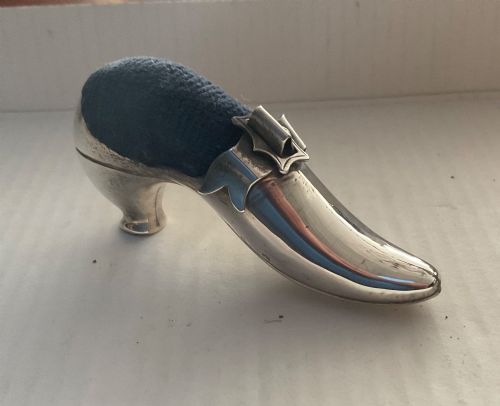
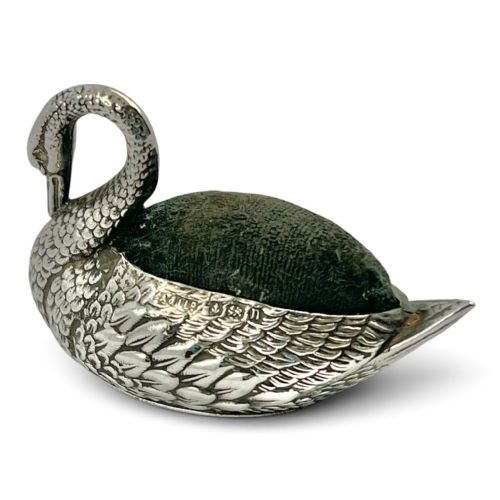
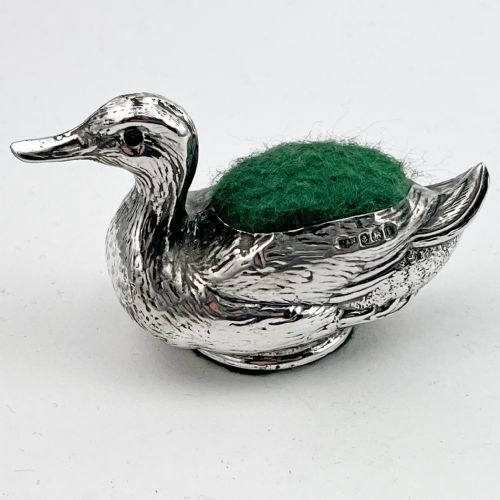
The version met most often on this page is the Edwardian sterling silver novelty pin cushion, taking shapes such as swans, pigs, ducks, and various other creatures. These miniature items combine practical utility with the whimsical design taste popular in the early twentieth century.
Alongside metal novelties, the evidence includes porcelain pieces such as pincushion dolls from the Art Deco period, notably associated with makers like Fasold & Stauch. These objects reflect the changing materials and aesthetic preferences across the nineteenth and twentieth centuries.
Materials and construction
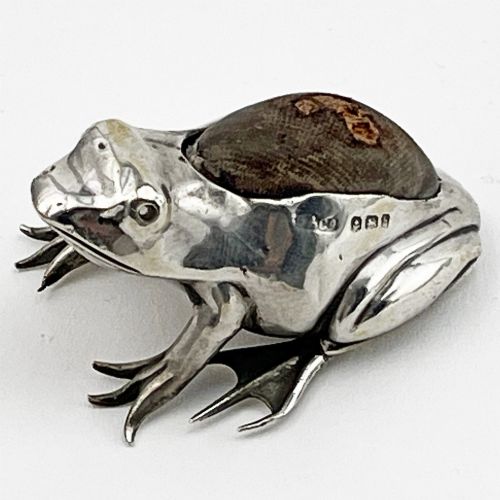
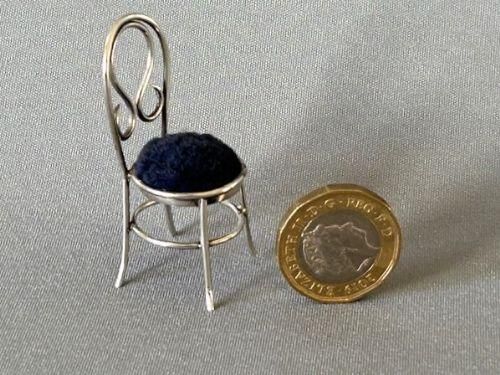
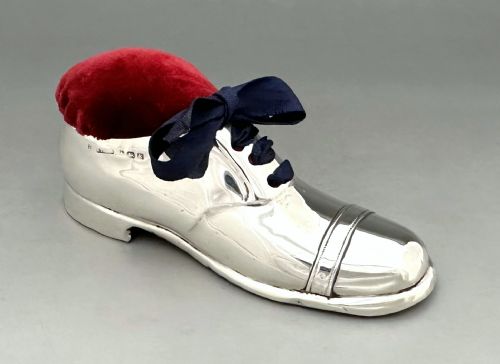
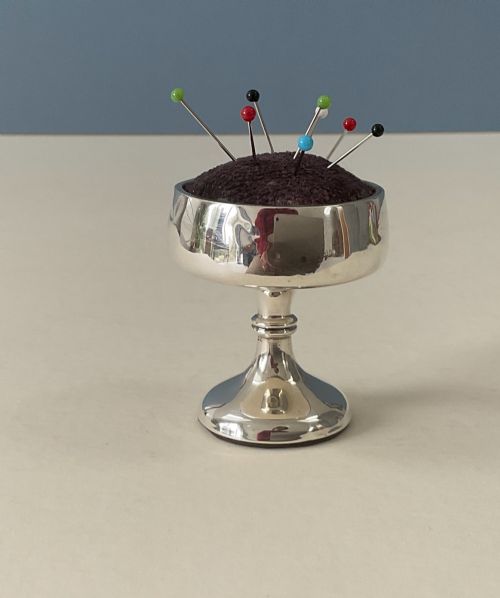
The metal novelties rely primarily on sterling silver, shaped through specialist silversmithing techniques to capture detailed animal and object forms. Makers housed the pins within fitted pads made from velvet, fabric, or felt inserted into the silver bodies.
Among the miniature menagerie, silversmiths even turned railway lamps and bellows into repositories for sewing pins.
Assessing quality in silver and porcelain
The integrity of the original pad material, whether velvet, fabric, or felt, affects the preservation of the object. In porcelain figures, the hand-painted facial expressions and the survival of the original fabric skirt determine the standard of the piece.
Adie & Lovekin·Sampson Mordan & Co.·Fasold & Stauch
The Collectable Pin Cushion Glossary
- Novelty pin cushion
- A pin cushion fashioned into a humorous or recognizable shape, such as an animal, vehicle, or household item. These miniature sculptures formed a major part of late Victorian and Edwardian silversmith output.
- Pincushion doll
- A half-figure made of glazed porcelain, typically depicting a fashionable woman, designed to sit atop a large fabric cushion used for holding pins. They emerged strongly during the early twentieth century and the Art Deco period.
- Sterling silver
- An alloy of silver containing 92.5 percent mass of silver and 7.5 percent mass of other metals, usually copper. This standard material is found across the vast majority of the silver pieces on this page.
- Hallmark
- An official stamp applied by an assay office indicating the purity of the metal, the maker, and the year of manufacture. These marks help verify the period of Edwardian and Victorian items.
Collectable Pin Cushion: Frequently Asked Questions
What animals were made into silver pin cushions?
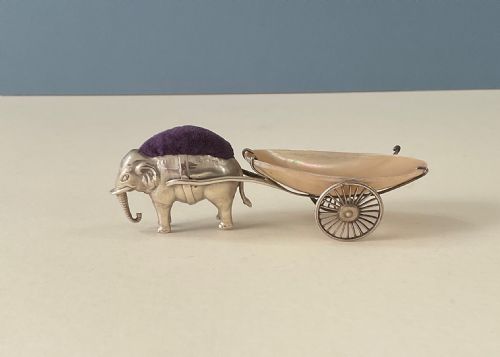
Makers produced silver pin cushions in a wide array of animal forms, recording subjects like swans, pigs, ducks, frogs, elephants, and kangaroos. Birds and dogs also appear frequently alongside domestic and wild animals.
These whimsical shapes reflected a strong Victorian and Edwardian appetite for novelty items on the desk or dressing table.
How do I identify an Edwardian pin cushion?
Edwardian pieces often display hallmarks dating from the early 1900s alongside sterling silver construction. The style leans towards naturalistic animal representations and miniature household objects.
Checking the assay office marks helps confirm the exact year of manufacture during the Edwardian period.
What are pincushion dolls?
Pincushion dolls are ceramic half-figures, usually depicting human characters from eras like the Art Deco period. They were attached to large fabric bases filled with stuffing to hold sewing pins.
These pieces combined decorative porcelain craft with practical needlework utility on dressing tables.
Did pin cushions serve a practical purpose?
These items functioned primarily to keep sewing pins organised and accessible during needlework tasks. Miniature novelty versions also served as decorative ornaments for the home.
Their dual role as functional sewing tools and miniature sculptures made them popular gifts and collectables.