
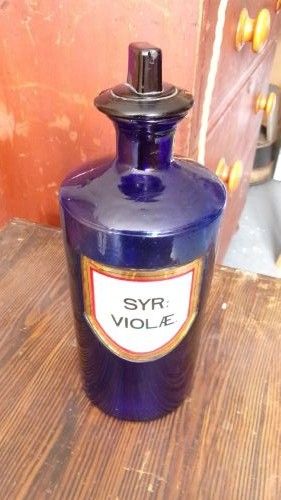


Victorian Pharmacy Glass Jars
Victorian pharmacy glass jars bring the rich, utilitarian character of nineteenth-century dispensaries into modern interiors.
Victorian Pharmacy Glass Jars
Victorian pharmacy glass jars encompass a variety of functional vessels designed for nineteenth-century apothecary and chemist shops. These items range from small chemist bottles and drug containers to large display carboys used in shop windows.
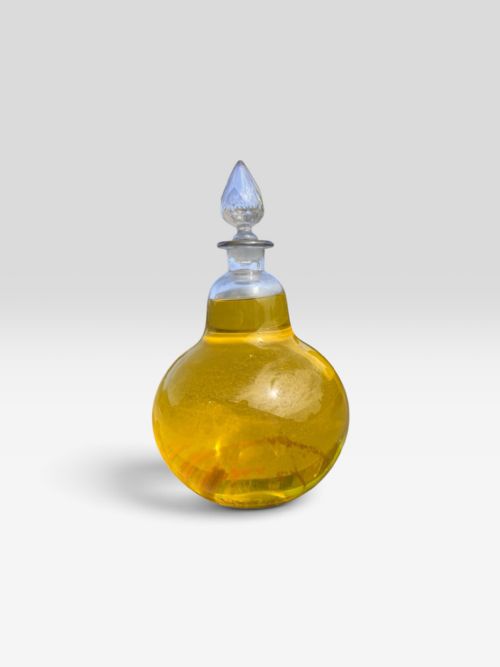
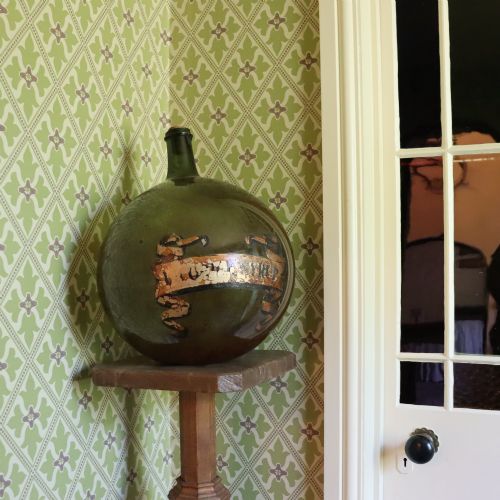
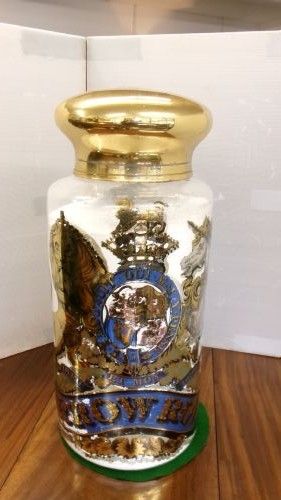
Buyers browsing this selection are most likely to encounter 19th-century apothecary jars, glass pharmacy bottles, and larger display vessels originating from Victorian England and France. Forms include lidded display jars with contents labels, tall carboys, and bottles fitted with lollipop stoppers.
Pieces frequently appear individually or in sets, sometimes adapted into decorative table lamps while retaining their original nineteenth-century glass bodies. The predominant styles reflect practical apothecary utility combined with the distinctive aesthetic of the Victorian era and French 19th century.
Materials and production methods
The objects are primarily formed from clear, cobalt blue, or green glass, often shaped through hand-blowing techniques characteristic of the nineteenth century. Production involved gathering molten glass and manipulating it by hand or in moulds to create thick-walled jars and carboys capable of holding liquids and dry drugs.
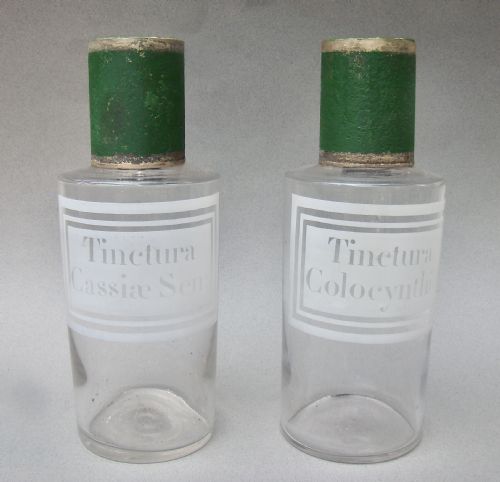
Decoration and labelling utilised materials such as gold leaf, paint, and paper affixed to the glass surfaces to identify contents like arrowroot or gelatine. Additional components include brass fittings on adapted lamps and matching glass stoppers ground to fit individual bottle necks.
Inventory spans smaller chemist bottles alongside large display carboys and converted table lamps.
Factors of quality and execution
The preservation of original surface elements, including intact paper labels, painted details, gold leaf lettering, and matching stoppers, elevates the standing of a jar. Larger display carboys and complete sets demonstrate superior visual presence compared to single, unlabelled utility bottles.
The Victorian Pharmacy Glass Jars Glossary
- Carboy
- A large glass vessel with a narrow neck, traditionally used in apothecaries for storing liquids or displaying goods in shop windows.
- Lollipop stopper
- A flat, rounded glass closure shaped like a confection, designed to seal chemist bottles tightly.
- Bristol blue
- A deep, vibrant cobalt blue glass produced originally in the Bristol area during the eighteenth and nineteenth centuries.
- Apothecary jar
- A lidded container utilised by chemists to hold dry drugs, herbs, and medical preparations.
- Gelatine
- A substance often referenced on nineteenth-century pharmacy jar labels indicating the original contents of the vessel.
Victorian Pharmacy Glass Jars: Frequently Asked Questions
What were pharmacy jars used for originally?
Cheminists and apothecaries used these glass vessels to store dry drugs, medicinal powders, herbs, and various liquids safely behind the counter. Large carboys and display jars sat in shop windows to attract customers and signal the presence of a medical practitioner.
Over time, these utilitarian containers became redundant as pre-packaged medicines replaced bespoke compounding in the pharmacy.
How do I identify a Victorian pharmacy jar?
Look for hand-blown glass characteristics such as pontil marks on the base, uneven thickness, and natural bubbles trapped within the material. Nineteenth-century examples often feature ground glass stoppers and hand-painted or paper labels denoting specific medical ingredients.
The colour of the glass, ranging from deep cobalt blue to rich green and clear, typically aligns with nineteenth-century manufacturing methods.
How should I clean glass pharmacy jars?
Wash the glass gently using warm water and mild soap, avoiding harsh scrubbing that might damage surviving paper labels, paint, or gold leaf. If the interior requires attention, use a soft bottle brush without abrasive cleaners.
Preserved labels on nineteenth-century bottles should be kept entirely dry during any maintenance to prevent the paper from disintegrating.
Can I use old apothecary bottles for liquids?
Many nineteenth-century bottles and jars remain watertight, but historic glass can be fragile and prone to cracking under sudden temperature changes. Original glues or paper labels on the exterior will degrade if exposed to moisture or frequent handling.
Displaying these pieces dry or using them as decorative table lamps protects the historical material from accidental damage.