

Victorian Period Seating
Victorian period seating encompasses sturdy mahogany dining chairs, cast-iron garden benches and walnut nursing chairs crafted to furnish nineteenth-century homes and grounds.
Victorian Period Seating
Victorian period seating encompasses a wide variety of furniture forms designed for dining rooms, parlours, libraries and gardens. Buyers exploring this category will most frequently encounter dining chairs, armchairs and garden benches spanning the nineteenth century.
Origins stretch from English workshops to Scottish and Irish makers, alongside garden pieces cast in iron and wood for outdoor use.
Materials and construction
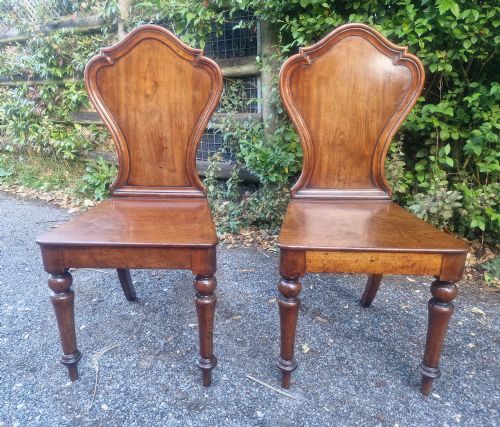
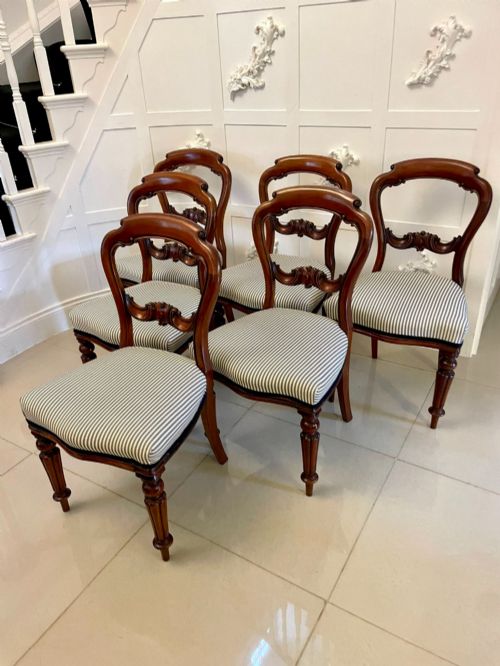
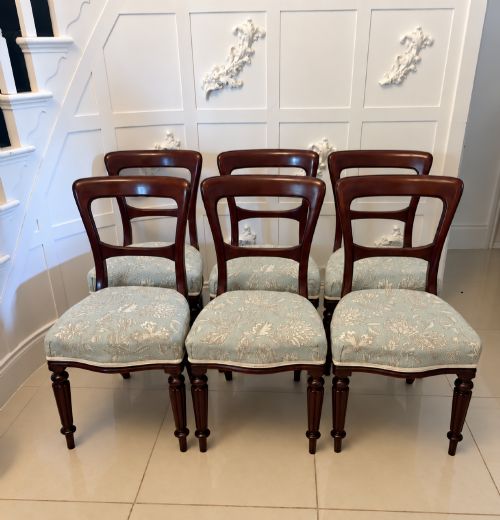
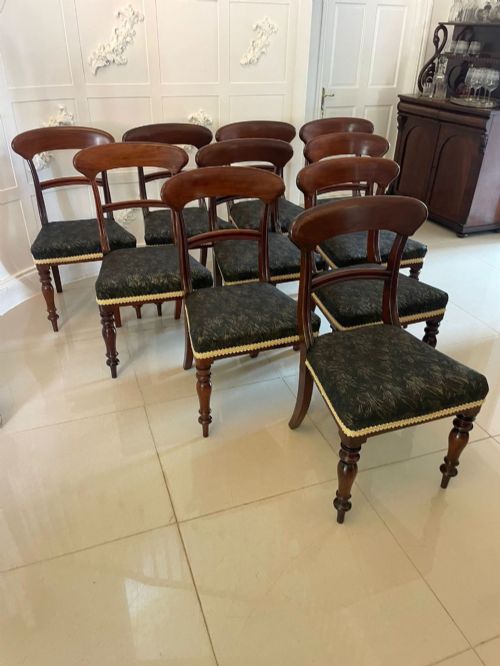
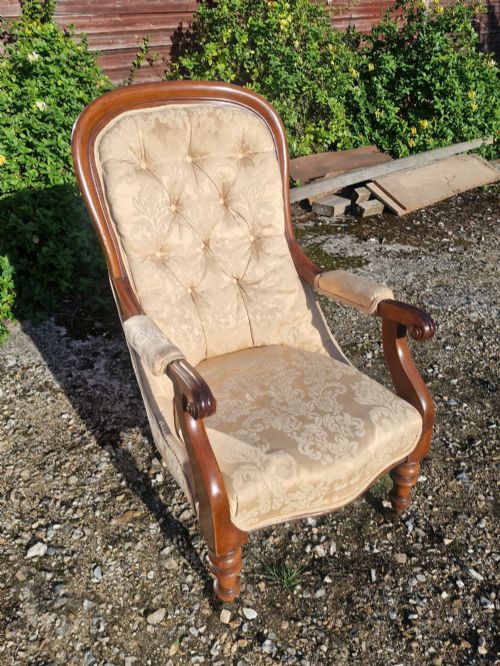
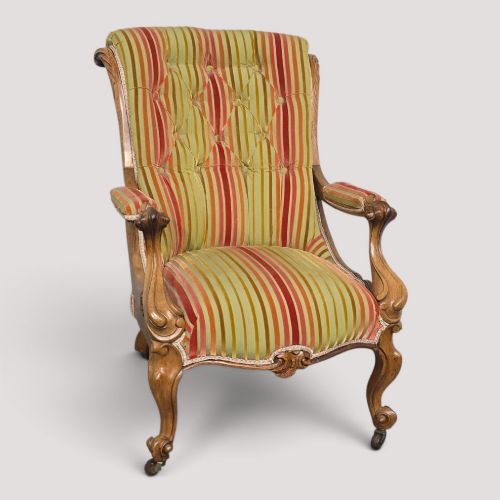
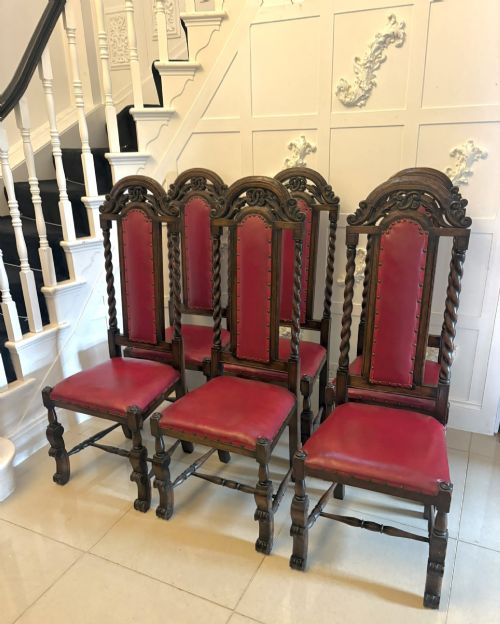
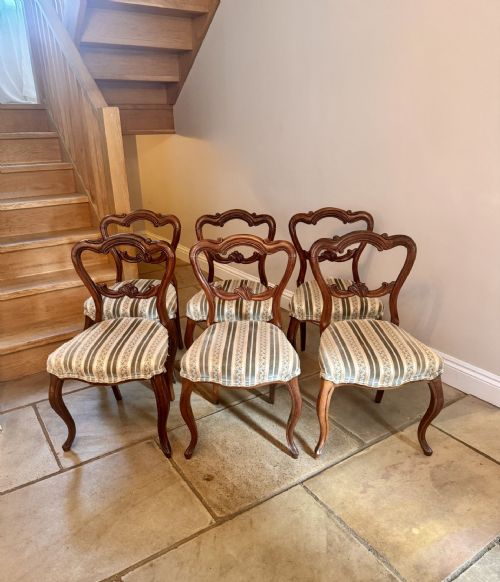
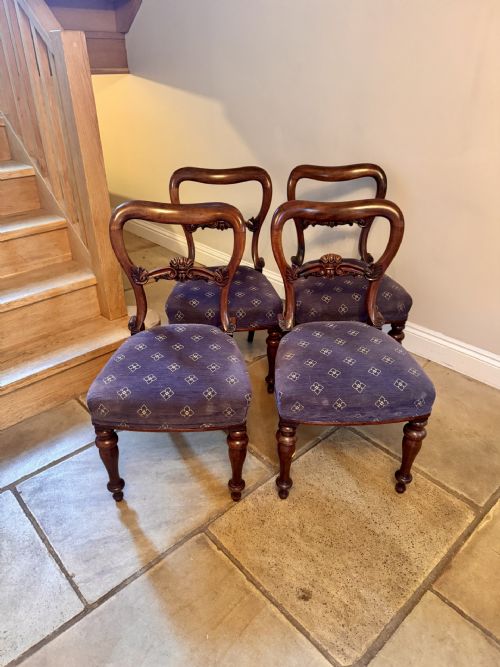
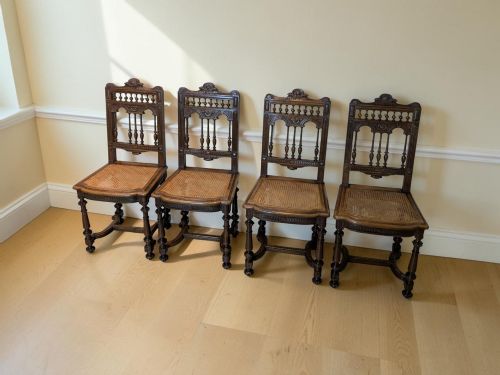
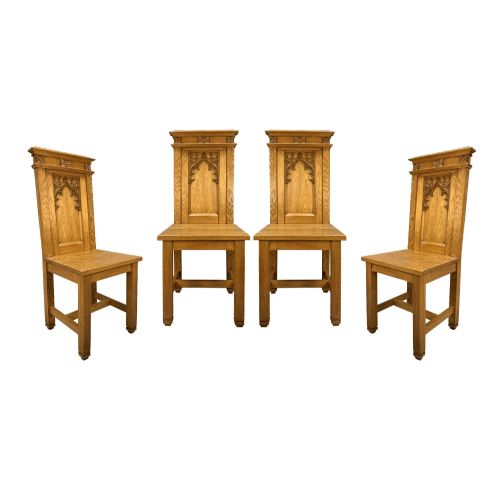
Makers constructed these chairs using dense hardwoods including mahogany, walnut, rosewood, oak, ash and elm. Timber frames were frequently shaped with turned legs, carved scroll backs or balloon back profiles.
Metalwork appears in heavy cast-iron garden benches and settees designed for outdoor environments. Upholstery utilises fabric, velvet, leather and tapestry, often supported by original stuffing or cane seating.
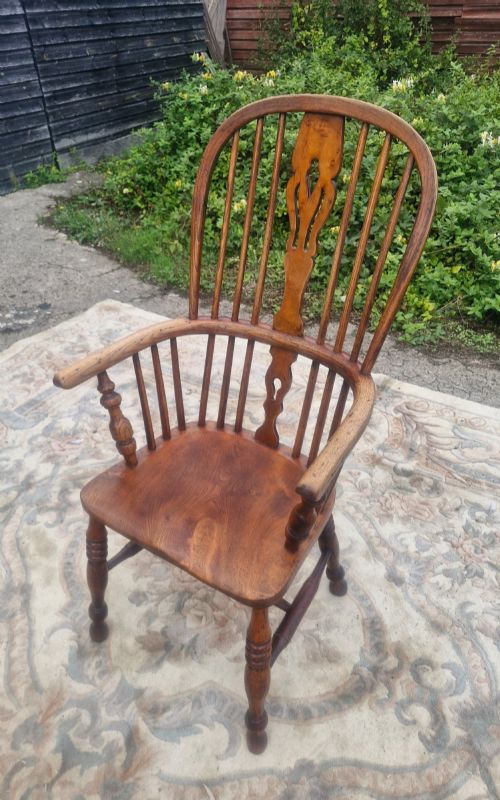
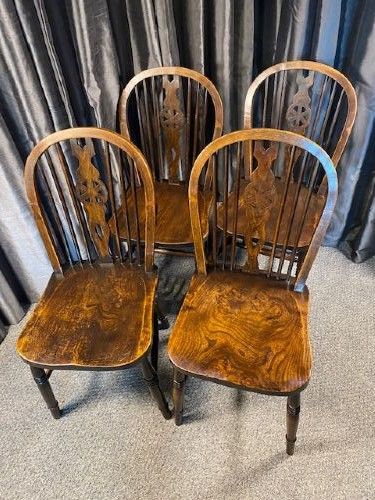
Joinery techniques ranged from solid frame construction in regional Windsor chairs to detailed carving on revival dining suites.
Victorian Period Seating Retail Price Guide 2026
Typical asking prices for victorian period seating among the pieces listed under this phrase on Sellingantiques today, from the lower quarter to the upper quarter. They describe what is for sale here now, not the wider market.
Listings feature woods such as mahogany, walnut, rosewood, oak, ash, elm, and cast iron, alongside fabrics, velvet, leather, and cane.
Distinctions in quality
Quality within victorian period seating reveals itself through the selection of timber, such as burr walnut or figured mahogany, and the crispness of carved details like scrollwork and turned legs. Coarser pieces show simpler timber selection and minimal ornamentation.
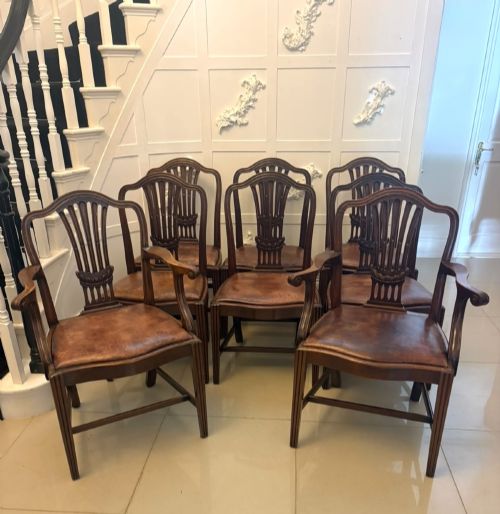
The integrity of the frame construction and the survival of original upholstery materials, tapestry or leather seats elevate certain examples above standard workshop output. Larger sets matching in timber tone and form command greater distinction than assembled groupings.
Strahan of Dublin·Lamb of Manchester
The Victorian Period Seating Glossary
- Balloon back
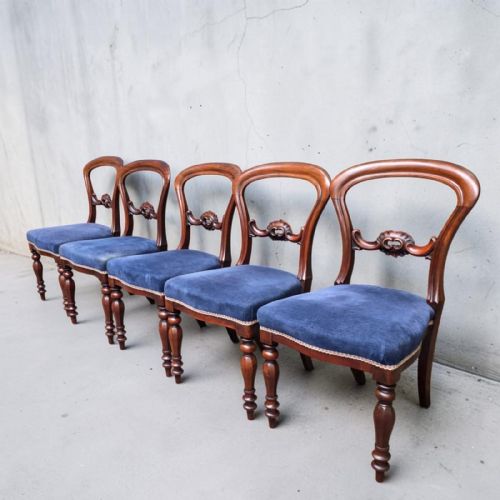
- A rounded, oval-shaped chair back resembling an inflated balloon, popular during the nineteenth century. This design appeared frequently on walnut and mahogany dining chairs.
- Windsor
- A traditional wooden chair constructed with a solid saddle-shaped seat into which the legs and spindles are wedged. These include high back and lathback kitchen variants.
- Settle
- A wooden bench featuring a high back to block drafts, often fitted with a box seat beneath for storage. These pieces were utilised in hallways and living spaces.
- Aesthetic Movement
- A late nineteenth-century design style emphasising artistic visual qualities over heavy historic revivalism. Ebonised finishes and gilt details frequently characterise these pieces.
- Carver
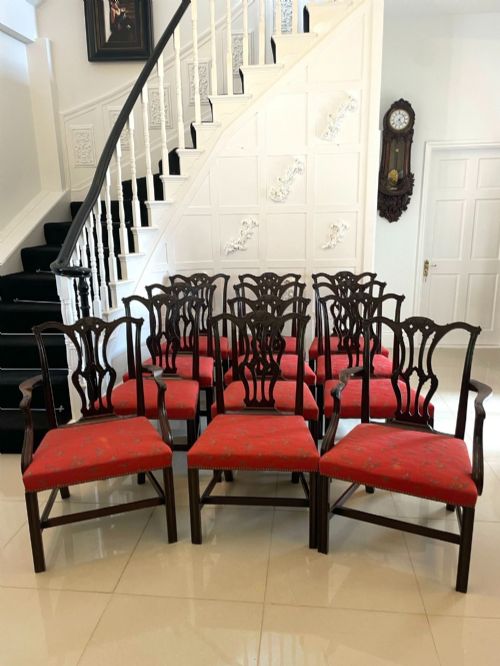
- An armchair designed to match a set of smaller dining chairs, usually placed at the head of a table. These often feature open arms integrated into the chair frame.
Victorian Period Seating: Frequently Asked Questions
What woods were used for victorian dining chairs?
Makers primarily utilised mahogany, walnut and rosewood for formal dining chairs during the nineteenth century. Oak and ash also appear in regional and earlier nineteenth-century seating.
Finer sets often featured burr walnut veneers or dense mahogany timbers shaped into balloon backs or carved frames.
Were cast iron benches made for gardens?
Cast-iron garden benches and settees were produced during the nineteenth century for outdoor use on patios and park lawns. These heavy pieces combined cast iron frames with wooden slat seats.
Surviving examples demonstrate ornate architectural casting patterns designed to withstand exposure to the elements.
What is an aesthetic movement armchair?
An aesthetic movement armchair reflects late nineteenth-century design principles focusing on simplified forms and artistic decoration. These pieces often utilised ebonised wood finishes paired with gilt accents.
They represent a shift away from heavier revival styles towards lighter, art-focused interior furnishings.
How do I care for antique wood seating?
Antique wood seating requires stable indoor humidity levels to prevent timber shrinkage and cracking in historic joints. Regular dusting with a soft cloth preserves polished mahogany and walnut surfaces.
Avoid placing chairs near direct heat sources or strong sunlight which can damage antique finishes and upholstery fabrics.