


Victorian Pedestal Side Table
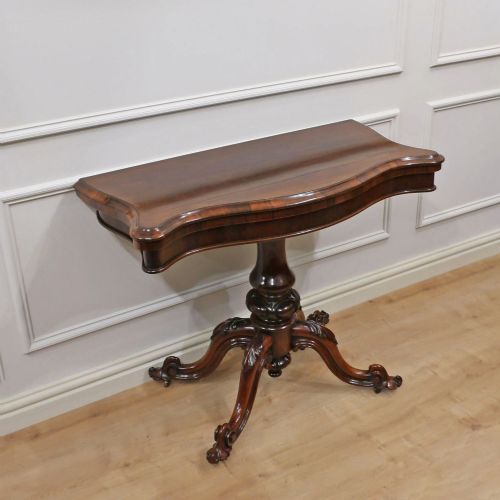
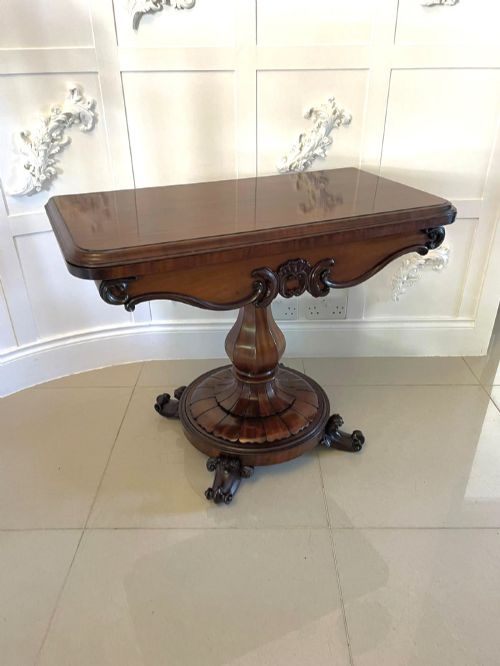
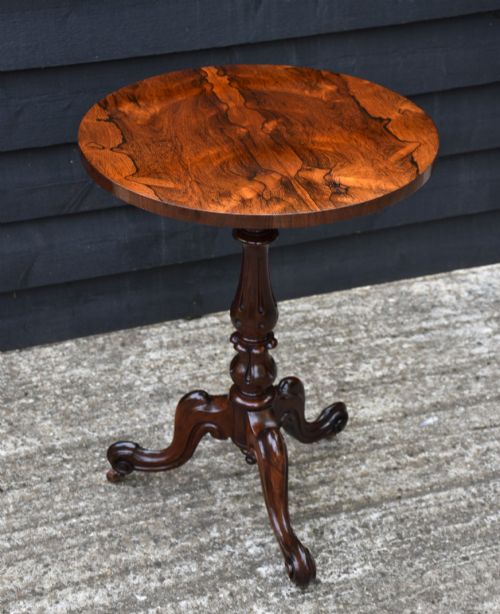
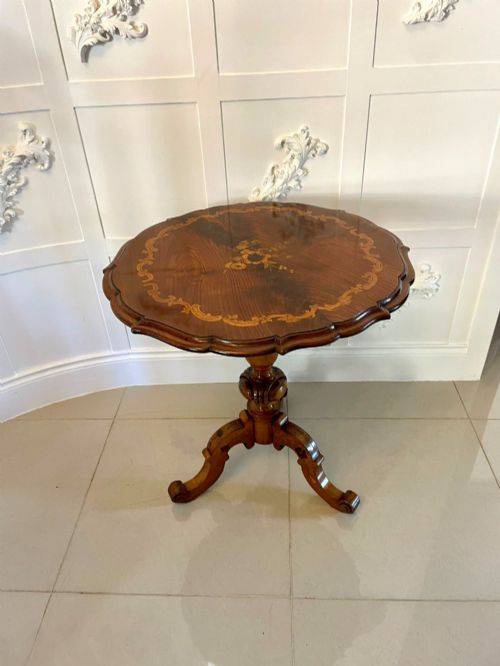
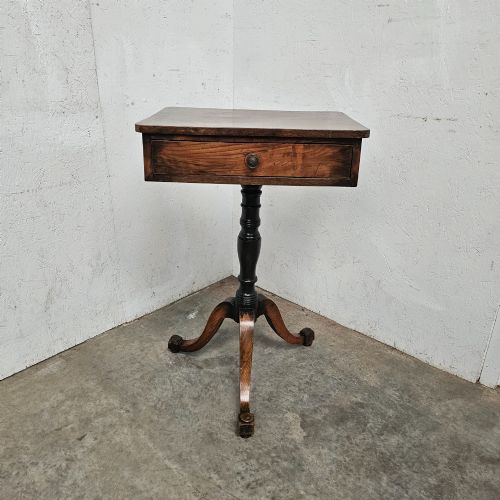
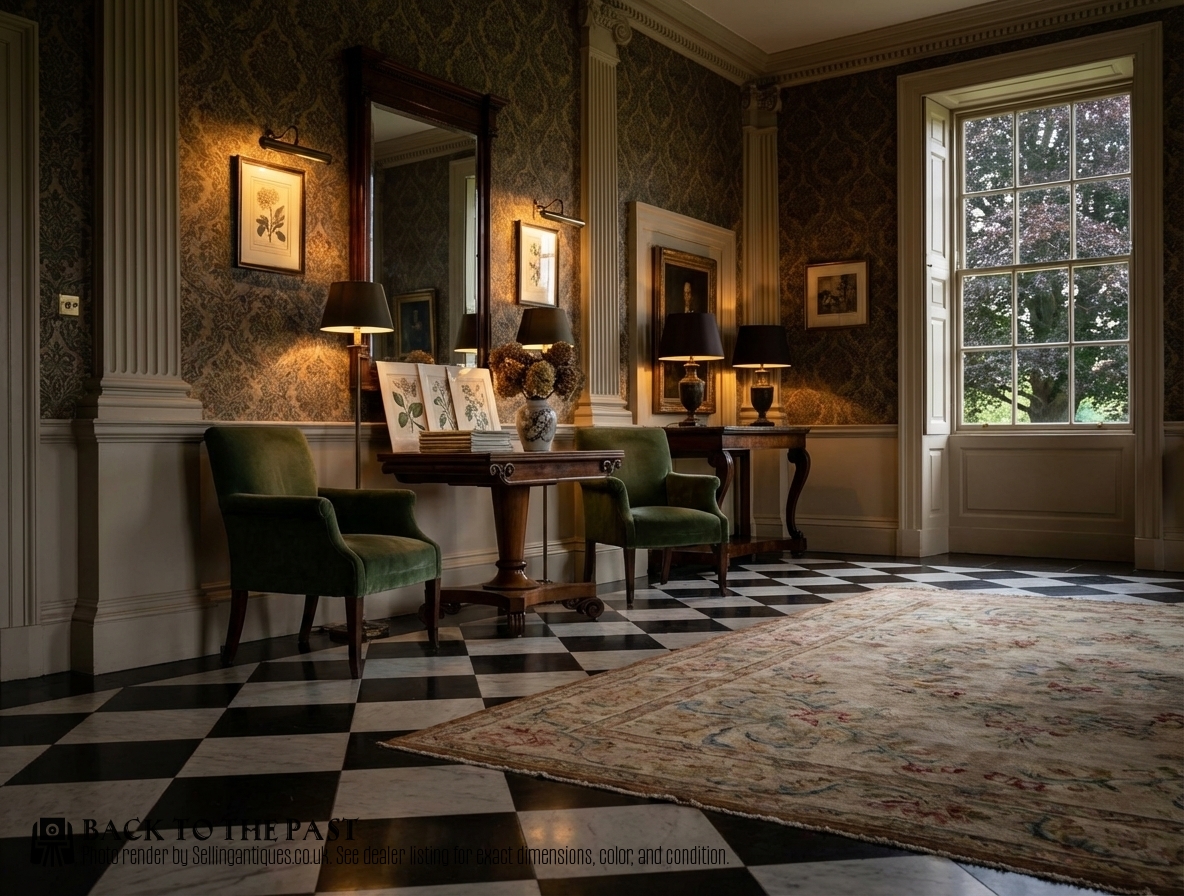
These Victorian pedestal side table pieces are compact nineteenth-century timber items that bring warmth and genuine utility to a sitting room.
What a Victorian pedestal side table is
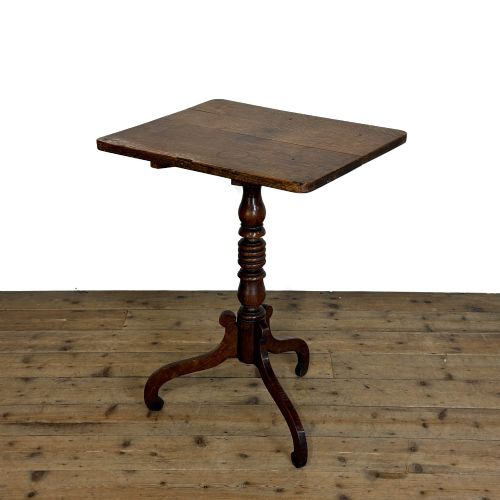
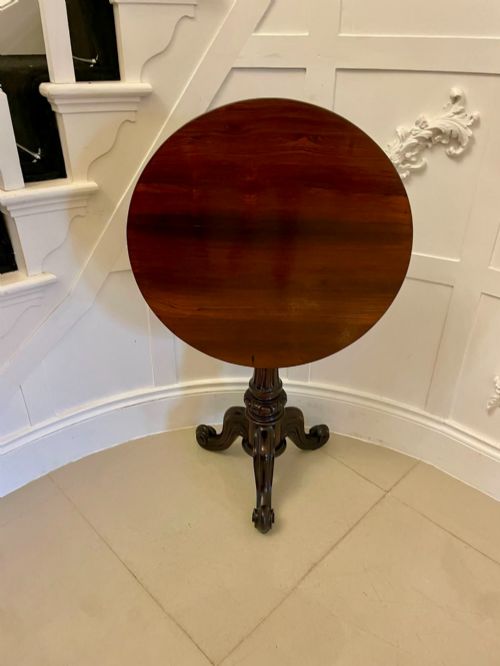
A Victorian pedestal side table sits on a central pillar supported by a sturdy base, offering a neat surface for lamps and books without taking up excessive floor space. These items appear across the nineteenth century, including pieces specifically dated to eighteen-fifty and mid-nineteenth century origins.
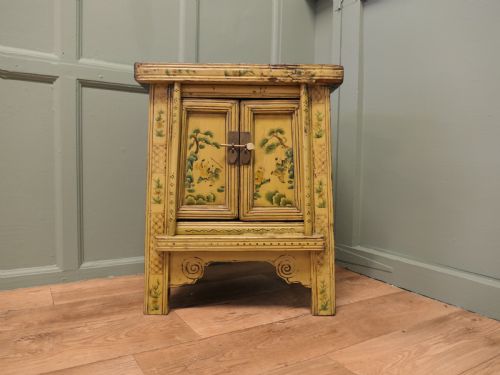
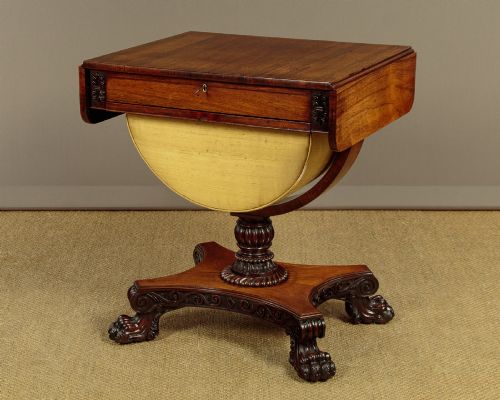
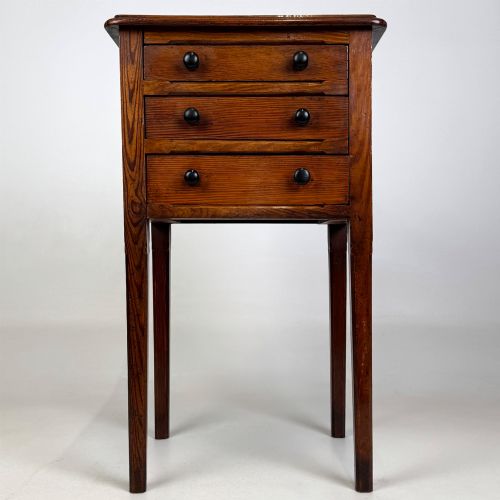
The forms on this page include occasional tables, chess top lamp tables, drop leaf variants, and turn over side tables alongside bedside cabinets. Buyers encounter timbers such as rosewood, mahogany, burr walnut, and satinwood, frequently shaped with drop sides or folding leaves.
How they were made
Cabinet makers utilised dense native and imported timbers, selecting figured mahogany and richly grained rosewood or satinwood for visible surfaces. Structural stability relied on substantial central pedestals resting on shaped wooden bases, sometimes accented with brass fittings.
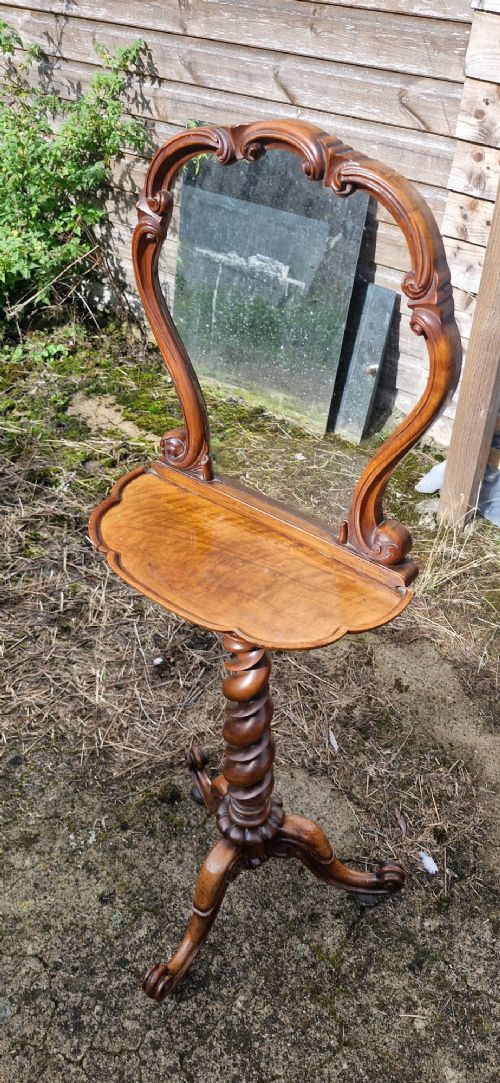
Surfaces frequently incorporated clever mechanics, seen in drop leaf designs, turn over tops, and specialised chess top layouts. Carved details appeared on the legs and pillars, while burr walnut veneers demonstrated meticulous timber selection and slicing techniques.
Retail Price Guide 2026
Typical UK retail prices for victorian pedestal side table, calculated from the Sellingantiques database of over a million retail prices indexed since 2003. This retail price guide relies exclusively on Sellingantiques data; no external sources or auction records are used, so the figures do not describe the wider market.
A mid-nineteenth century table doubles as a chess board, proving Victorians loved gaming right next to their reading lamps.
What varies in quality
Quality rests in the choice of timber veneer and the crispness of the carving on the pedestal and legs. Pieces featuring finely figured rosewood or rich burr walnut sit above plain mahogany examples in decorative ambition.
Construction integrity defines the upper tier, where central pillars join securely to the base and top without wobble. The precision of folding mechanisms, drop leaves, and inlaid chess tops demonstrates the original maker's skill.
The Victorian Pedestal Side Table Glossary
- Pedestal
- A single central pillar supporting the table top above a weighted base. This construction allows maximum legroom for anyone sitting nearby.
- Drop Leaf
- A table top with hinged flaps on one or two sides that fold down to save space. Brackets swing out to support the leaves when raised.
- Turn Over Top
- A hinged table top that folds flat to form a console or opens out to double its surface area. It often conceals a hidden compartment underneath.
- Chess Top
- A specialised table surface inlaid with contrasting light and dark squares for playing board games. Satinwood and rosewood were typical choices for these squares.
- Occasional Table
- A small, portable piece designed for specific, temporary uses around a room. These versatile items easily move beside a chair or sofa.
Frequently Asked Questions
What is a Victorian pedestal side table used for?
These tables provide a convenient surface next to seating for holding lamps, books, or drinks. Their compact footprints make them suitable for smaller spaces.
Historically, specific variants served specialised purposes, such as holding chess boards or acting as bedside cabinets. Today they function practically while adding nineteenth-century character to modern interiors.
How do I identify a Victorian piece?
Identification relies on observing characteristic nineteenth-century timber choices such as rosewood, mahogany, and burr walnut. Construction methods, heavy central pedestals, and specific design forms offer clear chronological clues.
References to the nineteenth century and specific decades like eighteen-fifty help confirm the era. Examining the underside and interior joints reveals period-appropriate woodworking techniques.
Are drop leaf tables sturdy?
Drop leaf variants are built with hinged wooden flaps supported by pivoting wooden brackets or swing legs. When properly engaged, these supports create a stable surface for everyday use.
Over time, hinges and brackets require gentle handling to maintain their alignment. The central pedestal provides the primary weight distribution, keeping the overall structure balanced.
How do I care for rosewood and mahogany?
Timber surfaces respond best to regular dusting with a soft, dry cloth to prevent grit accumulation. Avoiding direct sunlight and extreme heat protects the polished finish from fading and drying out.
Occasional application of appropriate wax polish maintains the natural sheen of the wood. Harsh chemical cleaners and excessive moisture must be kept away from antique polishes.