
Victorian Pedestal Lamp
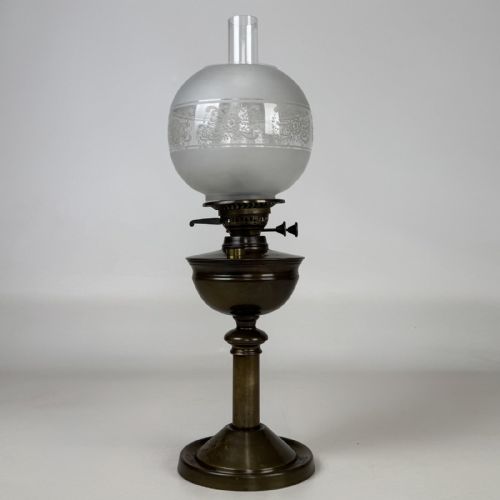
A victorian pedestal lamp brings a warm pool of light and a grounded timber pillar to a dark corner.
Victorian Pedestal Lamp
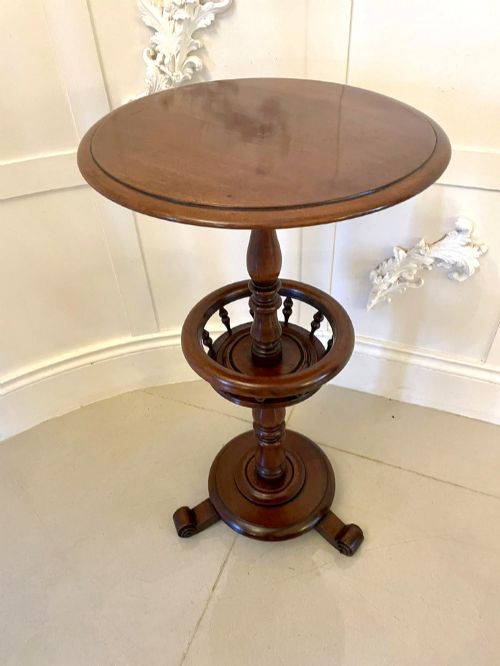
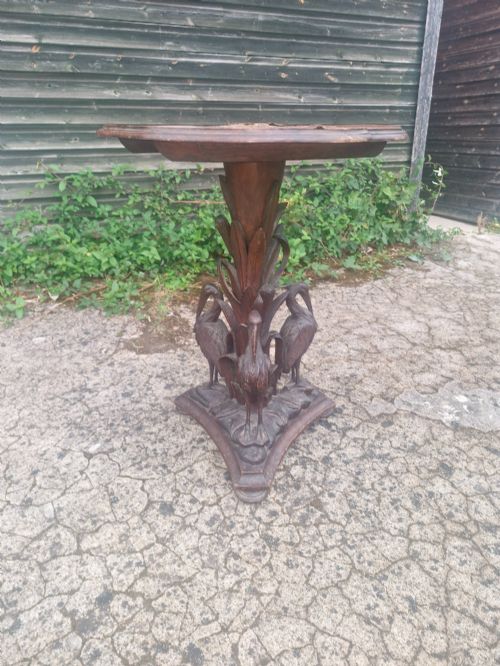
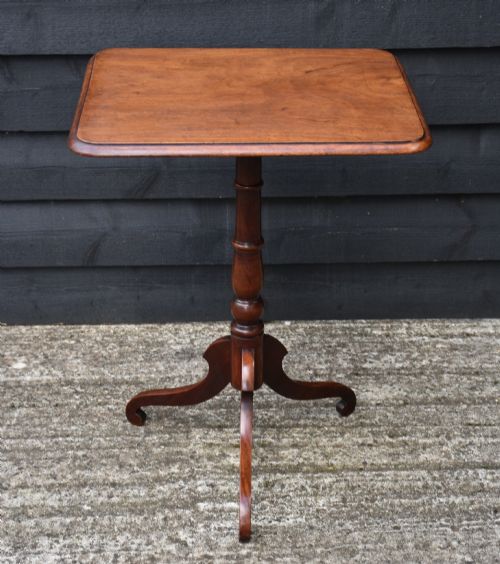
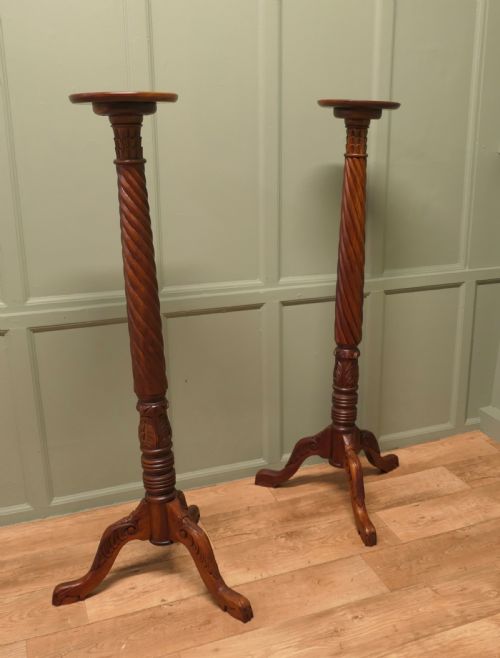
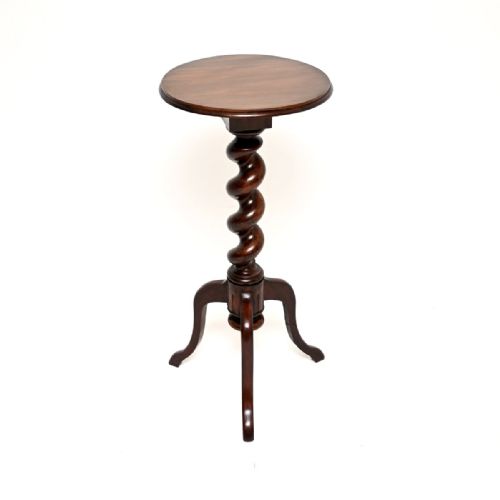
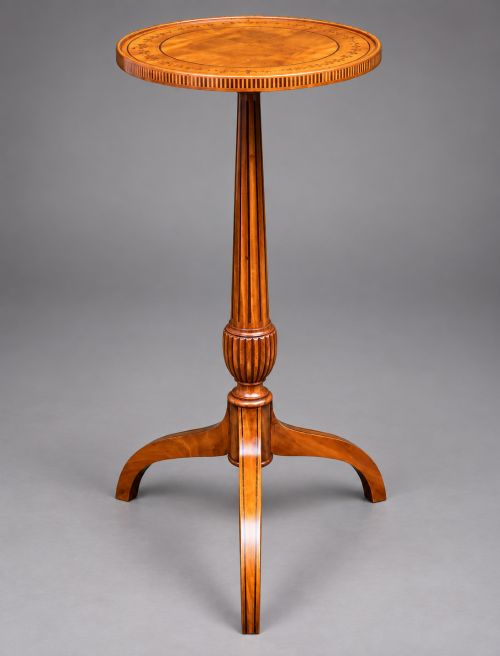
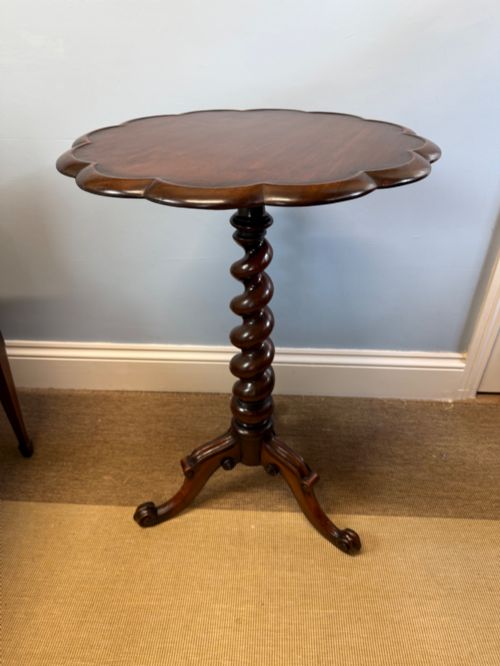
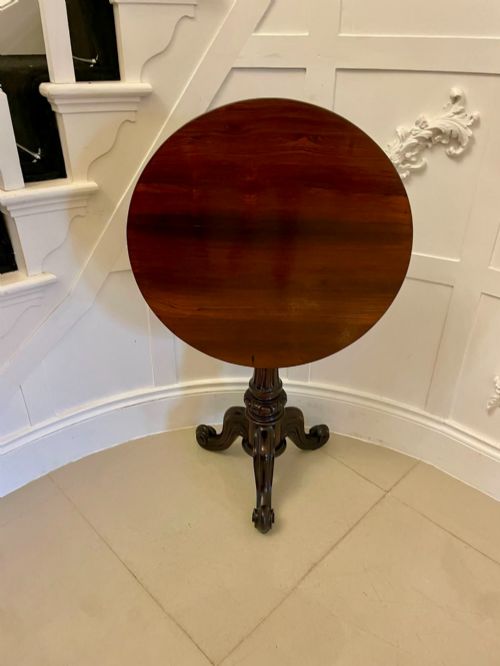
A victorian pedestal lamp table combines a central column with a solid base, designed to hold lighting or serve as an occasional table.
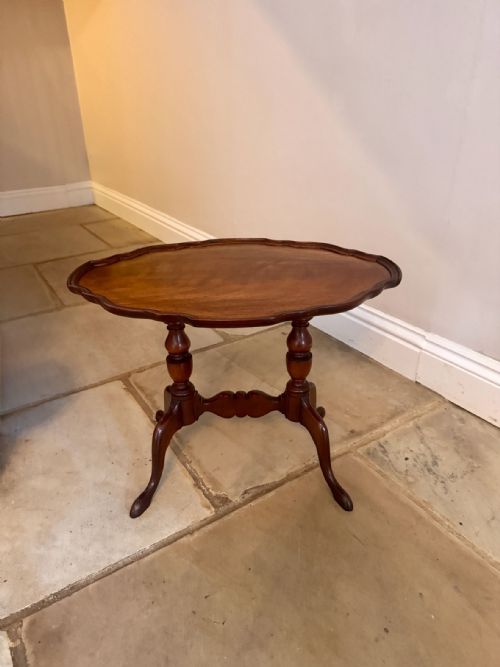
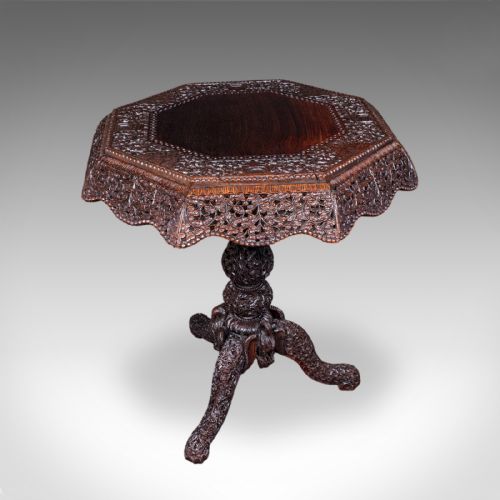
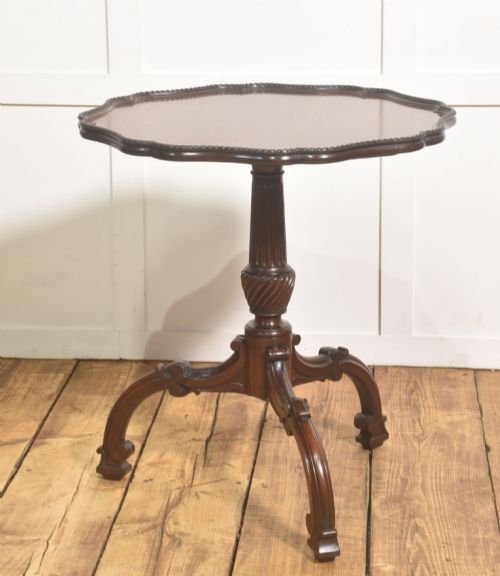
You will most frequently meet circular or oval timber tables in mahogany, walnut, and rosewood, alongside occasional brass lighting standards.
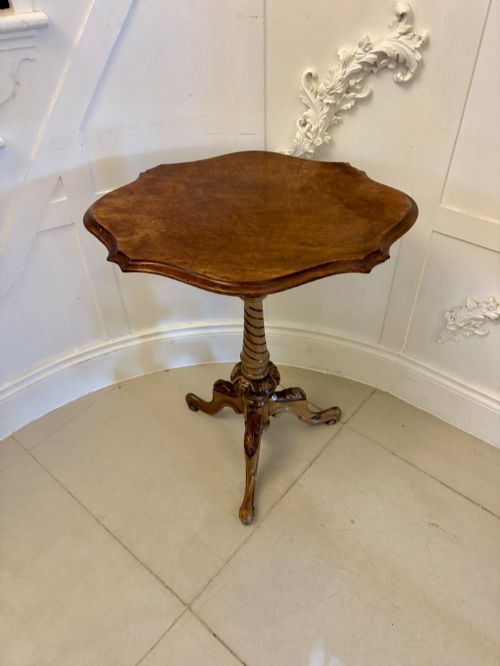
The selection ranges from tripod wine stands and inlaid burr walnut tables to heavy brass columns intended for oil or candle conversion.
Materials and construction
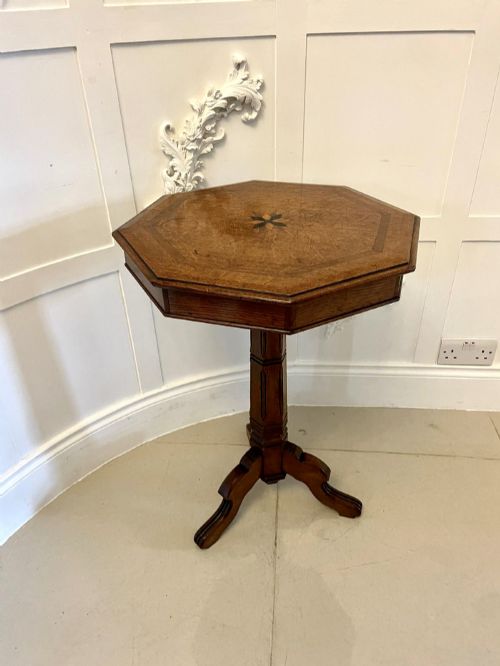
Cabinet makers utilised dense timbers like mahogany, walnut, and rosewood, often pairing solid turned pedestals with veneered or marquetry-inlaid tops.
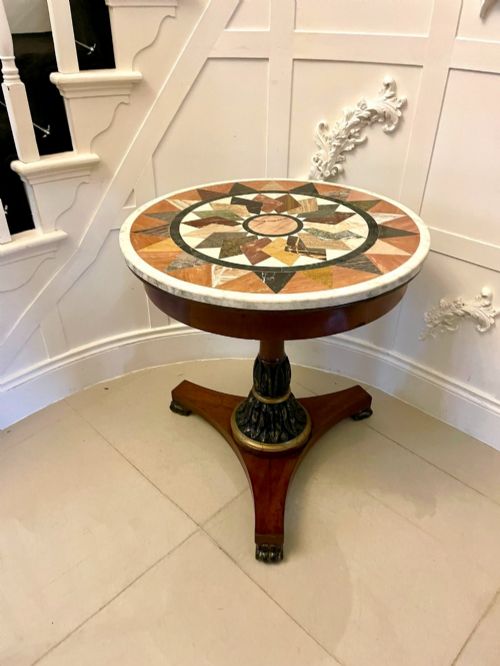
Brass and gilded metal form the structural shafts of tall floor standards, whilst marble tops and glazed components appear on more decorative French-influenced salon pieces.
Styles span from standard Victorian and Regency forms to Arts and Crafts and Chippendale Revival.
Distinguishing quality
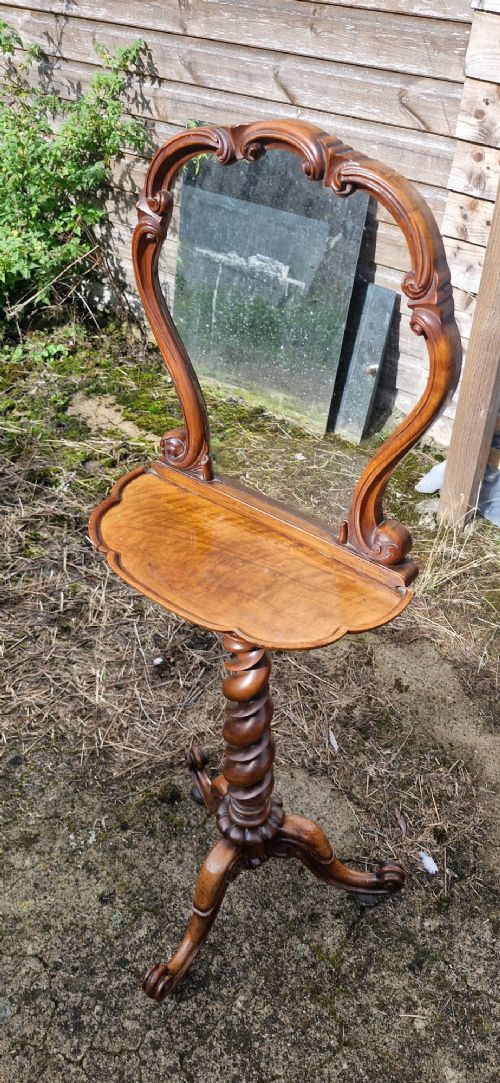
The standard of timber selection and the crispness of hand-carved tripod legs or bobbin turnings separate standard utility pieces from fine parlour furnishings.
Detailed marquetry inlay, satinwood banding, and the integration of functional drawers or galleries indicate workshops of higher ambition.
Gillows·Druce & Co London
The Victorian Pedestal Lamp Glossary
- Tripod base
- A three-legged support system common on pedestal tables and wine stands. It provides stable footing on uneven older floors.
- Marquetry
- Decorative woodwork where pieces of wood veneer are fitted together to form pictorial or geometric patterns on the table top.
- Bobbin turning
- A form of woodturning creating a series of rounded spheres resembling bobbins along the length of a leg or stretchers.
- Occasional table
- A small, movable table designed for a specific, non-permanent use in a reception room or parlour.
- Gilded brass
- Metalwork treated with a gold-coloured finish to add decorative splendour to lamp columns and mounts.
Victorian Pedestal Lamp: Frequently Asked Questions
What is a victorian pedestal lamp used for?
These pieces functioned primarily to support oil lamps, candles, or decorative objects within Victorian sitting rooms and parlours. They provided a stable surface positioned near seating areas.
Today, many serve as side tables or hold modern electrical lighting while retaining their traditional timber columns.
How do I distinguish walnut from mahogany?
Mahogany typically displays a deep reddish-brown tone with straight, consistent grain patterns. Walnut offers a richer, darker brown colour with prominent decorative figuring.
Burr walnut exhibits intricate swirling grain patterns, often utilised on higher-quality Victorian tables.
Are these tables sturdy enough for daily use?
Most tripod and pedestal designs offer robust daily utility if placed on level ground. The weight of the central pillar provides natural stability.
Care should be taken with delicate marquetry surfaces and inlaid satinwood borders during cleaning.
How can I tell the period of a pedestal table?
Examination of construction methods, timber choice, and decorative styles reveals the era. Mid-nineteenth-century examples frequently feature rich rosewood and burr walnut.
Later Victorian pieces often incorporate bobbin turnings or Arts and Crafts influences.