

Victorian Pearl Necklace Pendant
When you search for a victorian pearl necklace pendant, you explore intricate drop designs and starbursts that combine organic lustre with precious metals.
Victorian Pearl Necklace Pendant
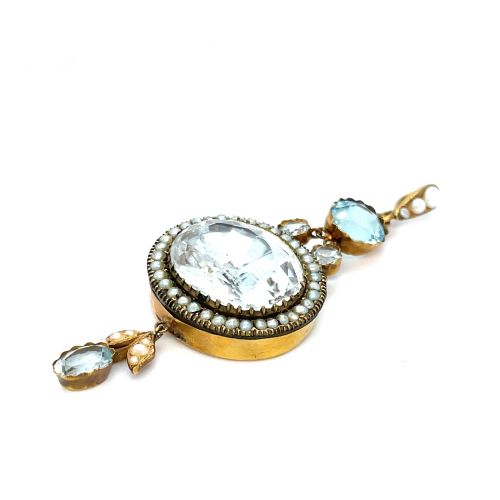
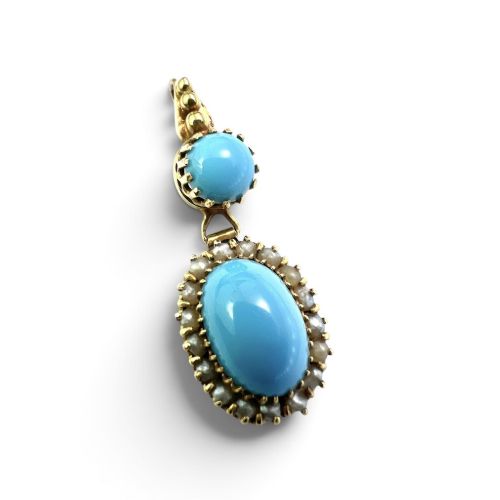
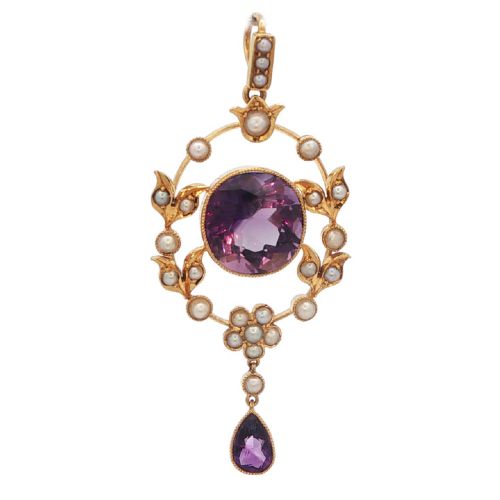
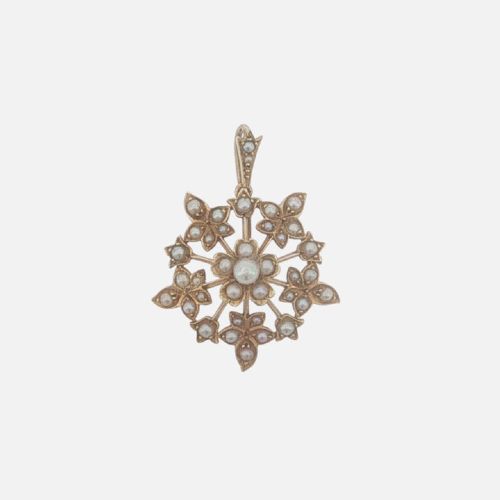
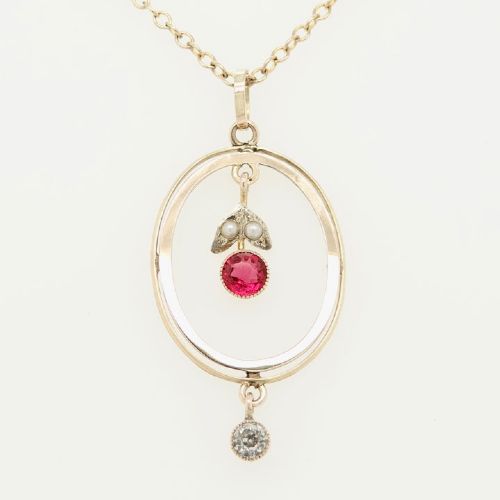
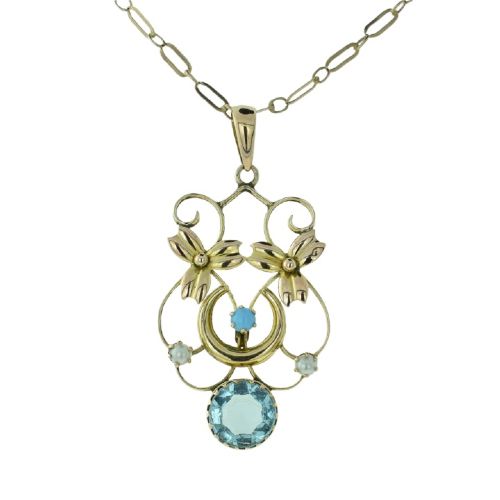
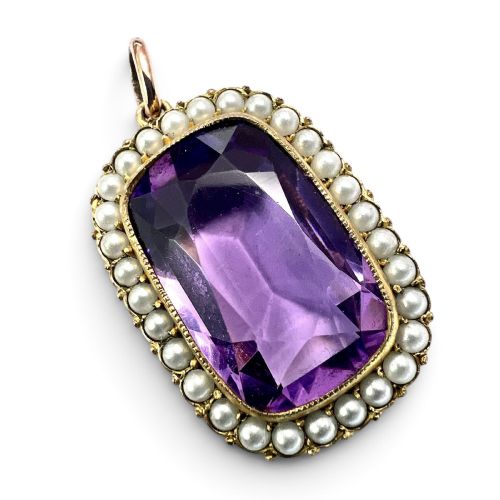
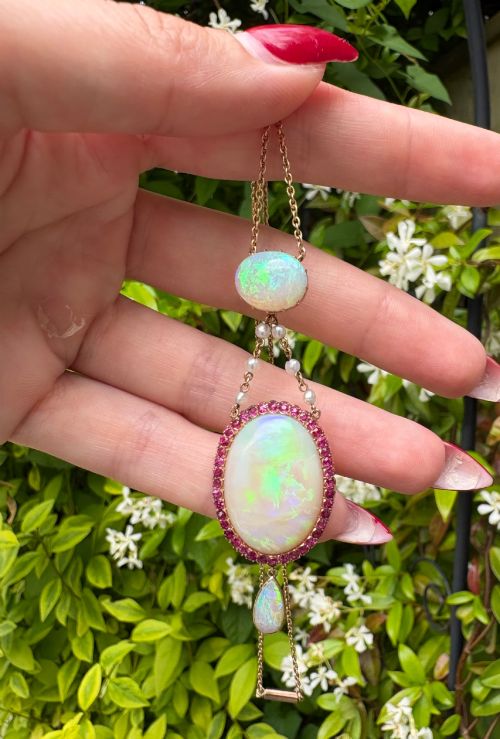
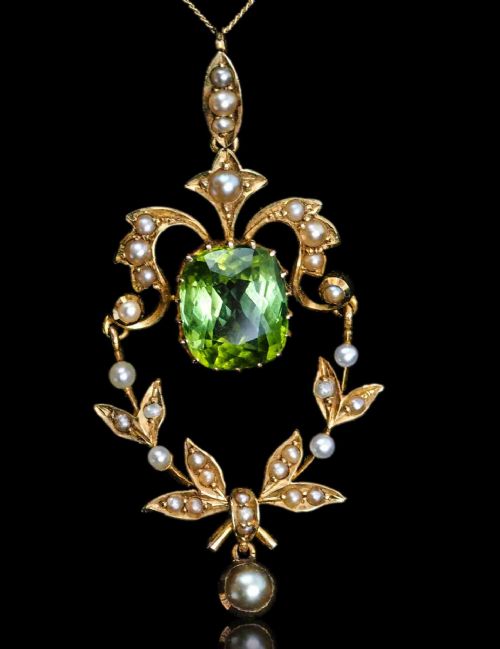
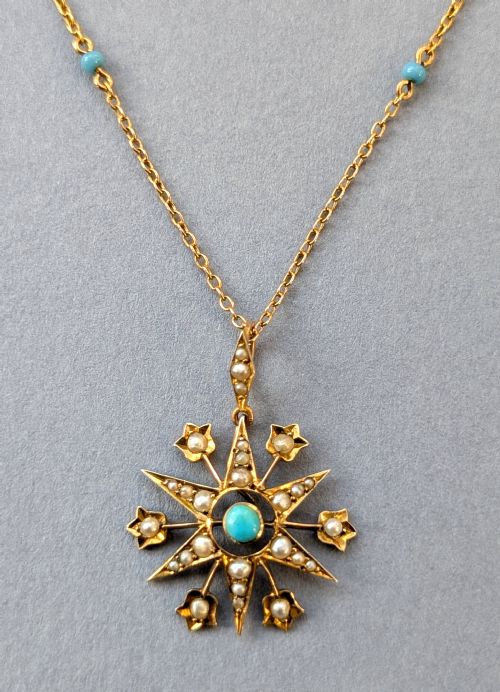
A victorian pearl necklace pendant brings together delicate seed pearls or natural pearls with coloured gemstones such as amethyst, turquoise, garnet, and peridot set in yellow gold or rose gold. These pieces originate primarily from the Victorian and Edwardian eras, spanning the nineteenth and early twentieth centuries, though some pieces extend into the nineteen-thirties.
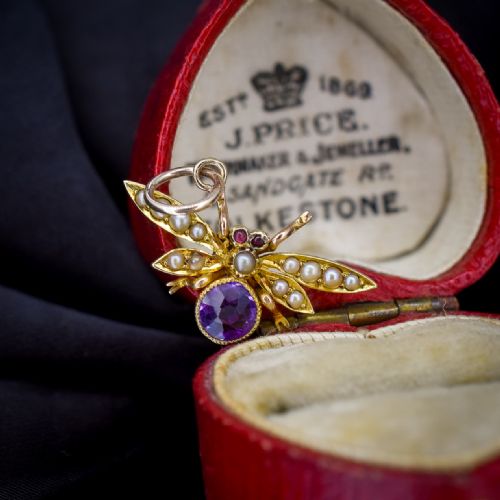
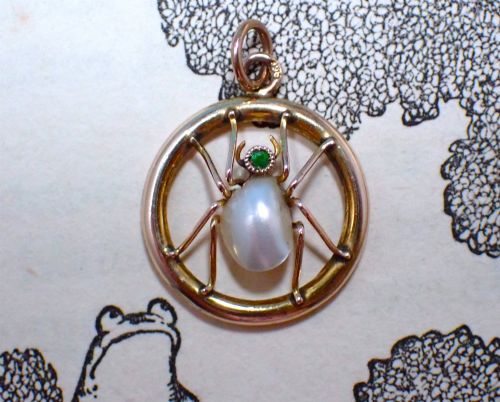
The forms vary widely from starbursts, crosses, and lockets to figurative insects like spiders and flies, as well as Holbeinesque and Renaissance Revival designs. Most examples function as pendants that suspend from chains, while others double as brooch pendants with detachable fittings.
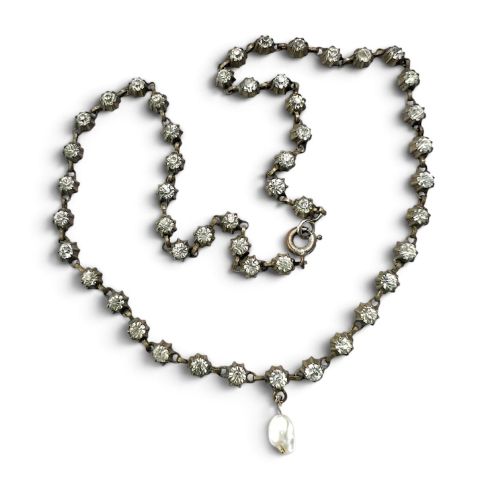
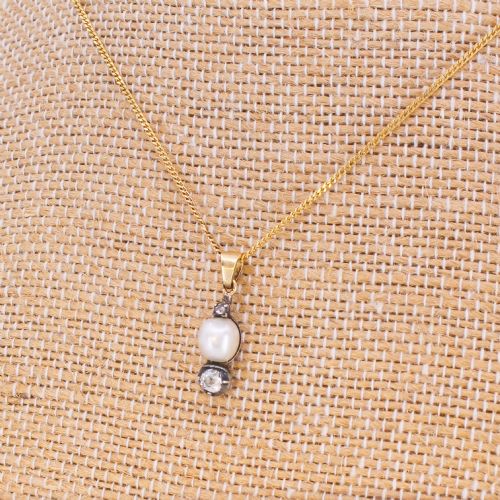
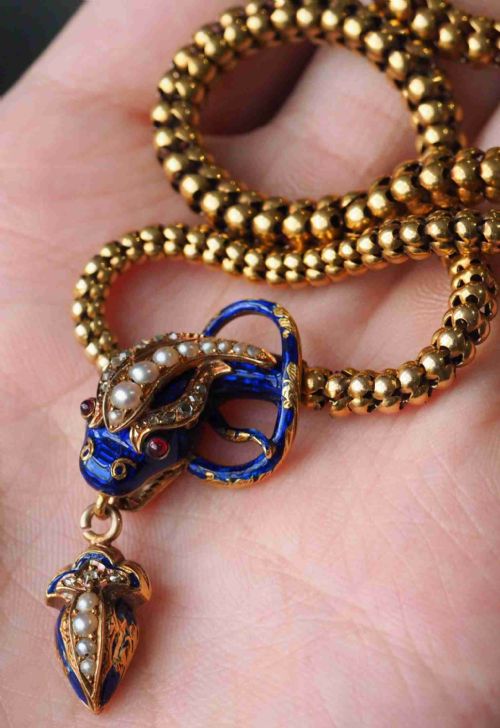
Buyers will encounter both minimalist seed pearl floral arrangements and complex multi-gem clusters featuring diamonds and enamel. The core characteristic across these diverse styles is the central placement of pearls, either as glowing halos, clustered petals, or dangling drops.
Materials and Construction
Goldsmiths of the period utilised nine-carat, fifteen-carat, and eighteen-carat yellow and rose gold, often constructing the settings by hand to house pearls alongside diamonds, amethysts, and turquoise. Seed pearls were meticulously wired or glued into floral clusters, star patterns, and delicate drops.
Enamel work and foil backs frequently appeared behind gemstones to intensify colour, while silver provided a bright contrasting medium for marcasite and paste combinations in Austro-Hungarian and arts and crafts styles.
Many pendants incorporated dual-purpose mechanisms, allowing a neck chain to be removed so the piece could be worn as a brooch on lapels or evening wear.
Several pieces take the form of delicate crawling spiders and buzzing flies, proving the Victorians loved an insect with their pearls.
Evaluating Quality
Quality rests heavily on the integrity of the pearl setting and the uniformity of the seed pearls or natural pearls used throughout the design. Pieces that retain their original matched pearls and show minimal glue discoloration or replacement stones stand at the higher end of the range.
Murrle Bennett·Hamilton and Co
The Victorian Pearl Necklace Pendant Glossary
- Seed pearl
- Very small, naturally occurring or cultured pearls often drilled and strung together or wired closely in clusters to form floral and geometric motifs. They provide a delicate, shimmering texture characteristic of late nineteenth-century jewellery.
- Lavalier
- A necklace featuring a pendant that drops lower than the main chain, often terminating in a dangling pearl or gemstone. This style gained immense popularity during the late Victorian and Edwardian periods.
- Holbeinesque
- A revival style drawing inspiration from sixteenth-century portraits, typically characterised by elaborate geometric gold frameworks, enamel, and dangling pearl drops. These pieces showcase Renaissance Revival aesthetics.
- Paste
- Hand-cut and polished lead glass used to imitate gemstones like aquamarine, garnet, or emerald. High-quality period paste displays sharp facets and deep colour.
- Halo pendant
- A central gemstone surrounded by an unbroken circle of smaller pearls or diamonds. This configuration maximises the visual impact of the primary stone.
Victorian Pearl Necklace Pendant: Frequently Asked Questions
How do I wear a convertible pendant brooch?
Many period pieces feature a hidden hinged pin and a fold-down loop at the rear, allowing you to thread the piece onto a gold chain or fasten it directly to fabric.
Ensure the safety catch functions securely before wearing it as a brooch to prevent loss.
Are these pearls natural or cultured?
Victorian pieces frequently incorporate natural seed pearls or early saltwater pearls gathered before modern culturing techniques became widespread. Each pearl exhibits organic variations in shape and lustre.
Care should be taken to keep pearls away from perfumes and harsh chemicals to preserve their natural nacre.
What does a Holbeinesque pendant look like?
Holbeinesque designs draw from sixteenth-century court jewellery, featuring heavy geometric gold settings enriched with enamel, coloured stones, and dangling pearl drops. They offer a more architectural and historicist appearance than simple floral clusters.
These substantial pieces often command attention as focal points of an outfit.
How can I tell Victorian gold from later gold?
Victorian pieces commonly utilise fifteen-carat or nine-carat yellow and rose gold, often displaying distinct hallmarking or assay stamps characteristic of nineteenth-century British and continental workshops.
The warmer, richer hue of fifteen-carat gold is particularly indicative of the Victorian era before later standards shifted.