

Pearl and Gold Charm
A pearl and gold charm brings together fine metalwork and lustrous gems to wear on a chain or bracelet.
Pearl and Gold Charm
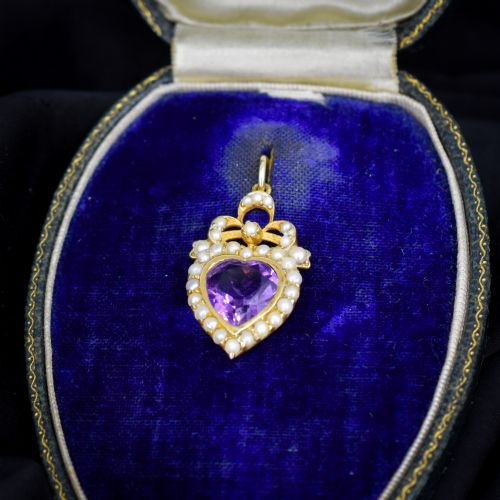
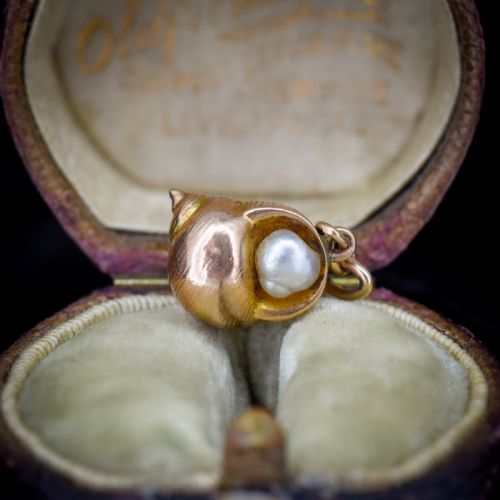
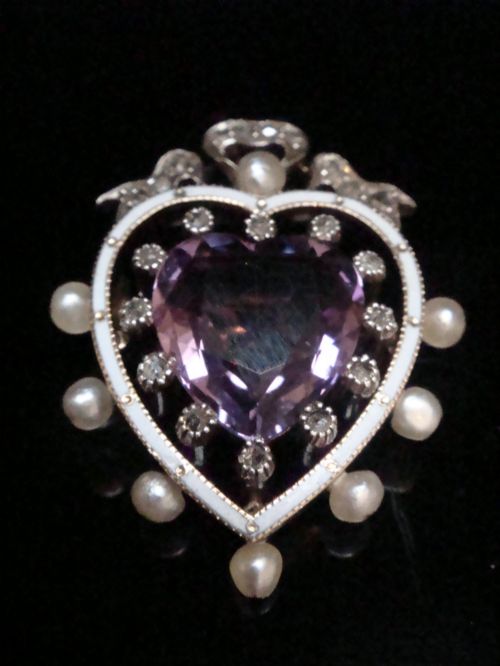
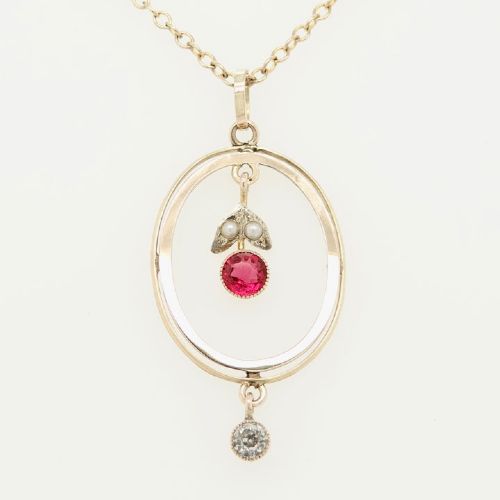
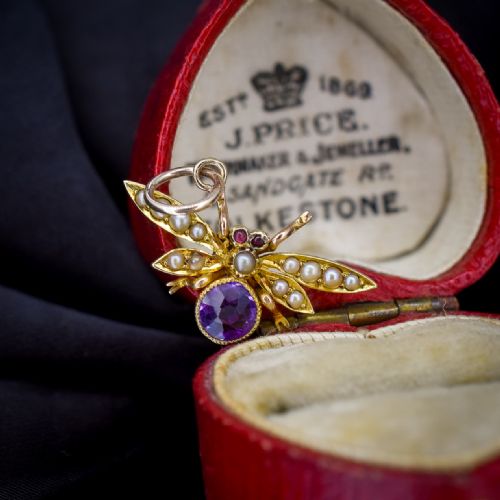
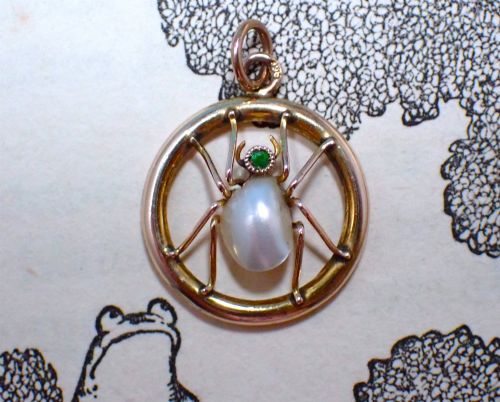
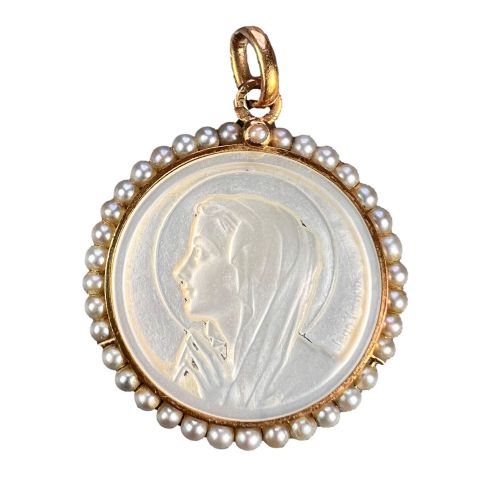
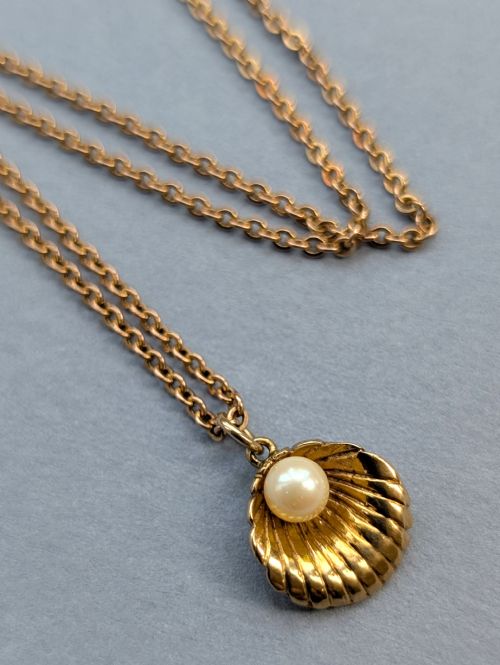
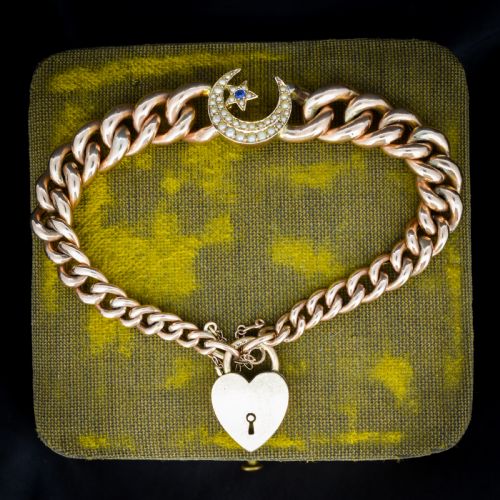
A pearl and gold charm encompasses small decorative pendants and bracelet attachments fashioned from precious metals and organic gems. Buyers frequently encounter Victorian and Edwardian examples taking the form of hearts, insects, hearts with crowns, and religious medals.
The selections span multiple eras including the nineteenth century, Edwardian period, and mid-century modern designs. Many pieces double as pendants or slide onto existing chains alongside larger necklaces.
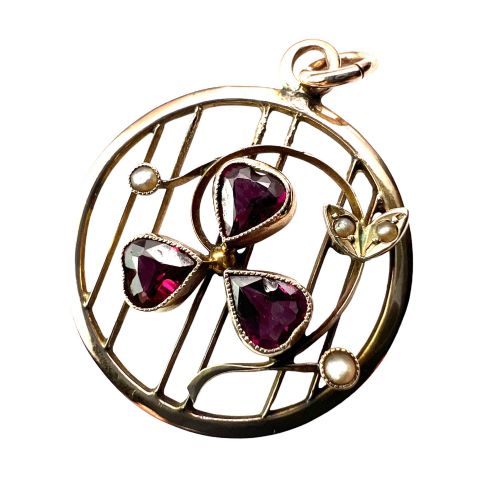
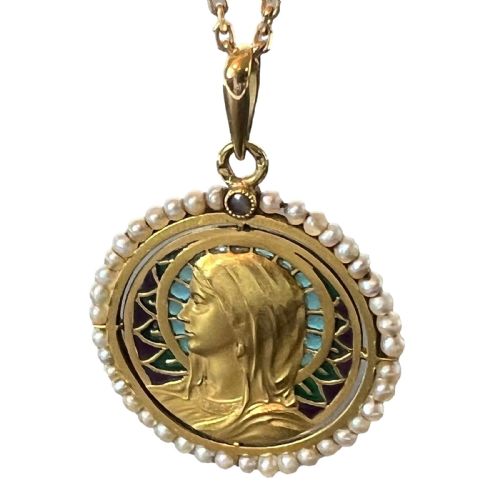
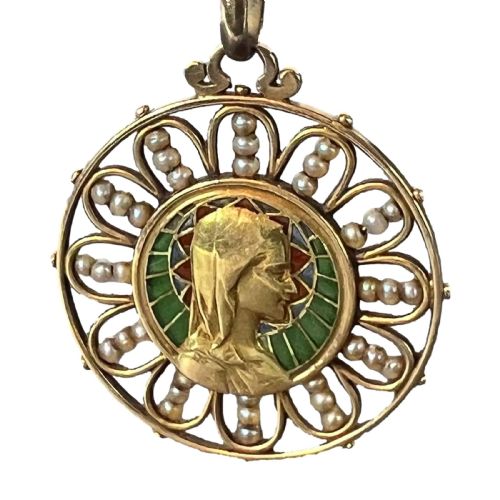
Origins range from British workshops to French ateliers utilising local motifs like the Virgin Mary or cherubs. Natural pearls and seed pearls appear frequently alongside amethyst, garnet, and emerald accents.
Materials and technique
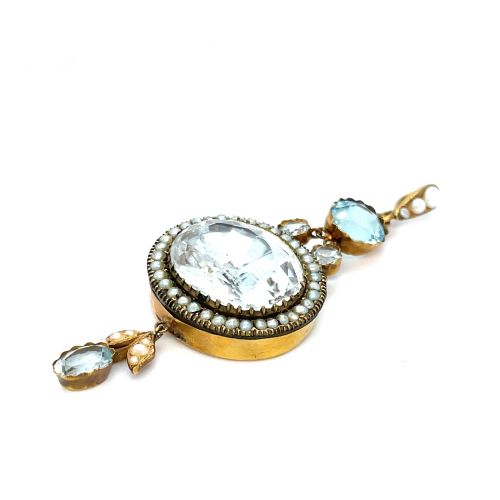
Jewellers utilised varying purities of gold, predominantly nine carat, fifteen carat, eighteen carat, and yellow gold frames to set pearls and gemstones. Seed pearls are often micro-drilled and mounted individually onto delicate wire or pinned directly into metal backings.
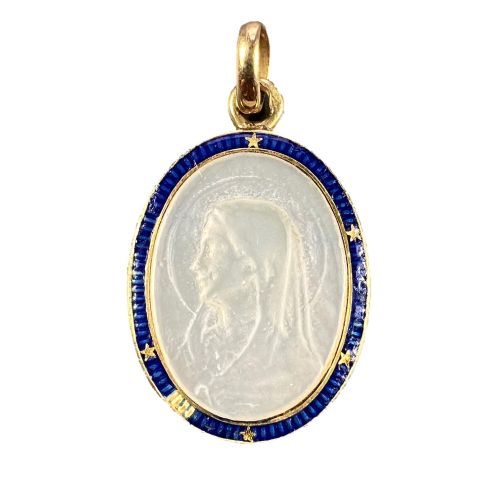
Enamelling techniques such as guilloche and plique-a-jour add translucent colour behind or around pearls, particularly in French antique pieces from the early twentieth century. Mother of pearl is carved into plaques or figurative shapes, framed by twisted wire or solid gold bezels.
What varies in quality
The fineness of the gold alloy and the regularity of the seed pearls dictate the standard of execution. Pieces featuring intact enamel work, undamaged pearl surfaces, and secure claw or bezel settings command greater interest.
The complexity of the subject matter, such as hand-carved mother of pearl motifs or multi-gem stone combinations involving diamonds and sapphires, distinguishes standard production items from finer atelier pieces.
The Pearl and Gold Charm Glossary
- Seed pearl
- A very small natural or saltwater pearl, typically under two millimetres in diameter. They are often clustered together to form floral or geometric patterns in antique jewellery.
- Plique-a-jour
- An enamelling technique where enamel is applied in cells without a backing, allowing light to shine through the transparent material like stained glass.
- Guilloche
- A decorative technique in which a precise, intricate repeating pattern is mechanically engraved into a metal surface beneath translucent enamel.
- Mother of pearl
- The iridescent inner layer of pearl oyster and freshwater mussel shells, carved and polished for use in pendants and medals.
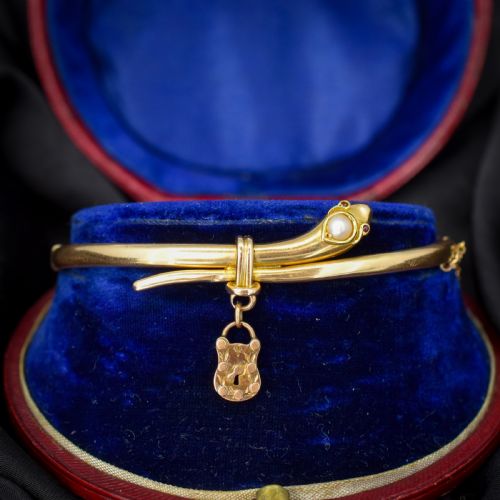
- Padlock bracelet
- A link bracelet secured by a heart-shaped padlock clasp, frequently found on Victorian and Edwardian pieces.
Pearl and Gold Charm: Frequently Asked Questions
How do I wear a charm?
These pieces generally feature a jump ring or bail suitable for suspending from a traditional neck chain or attaching to a charm bracelet link. Many examples also function independently as miniature pendants.
Heavier items like 15ct gold bangles or multi-stone lockets require sturdy carriers to support their weight during daily wear.
What periods are common?
Victorian and Edwardian pieces dominate the selection, showing distinct preferences for sentimental motifs like hearts, snakes, and initial letters. Later twentieth-century items introduce mid-century styling and playful figurative subjects.
French antique designs from the Belle Epoque era frequently incorporate religious medals and intricate enamel work alongside pearls.
Are the pearls natural?
Many antique items utilise natural seed pearls or saltwater pearls gathered before the widespread cultivation of cultured pearls in the twentieth century. Their organic origin is reflected in slight variations in shape and lustre.
Items from later decades may incorporate shell pearls or cultured varieties alongside precious gemstones.
How should I care for gold and pearls?
Pearls are soft organic gems that are sensitive to acids, cosmetics, and harsh cleaning chemicals. Wipe them gently with a soft cloth after wearing and store them separately from harder gemstones.
Gold settings can be cleaned with warm soapy water and a soft brush, avoiding direct contact between liquid cleaners and pearl adhesives.