


Victorian Pearl Drops
Victorian pearl drops bring together gold and lustrous gems in earrings and pendants that carry the distinctive charm of the nineteenth century.
Victorian Pearl Drops
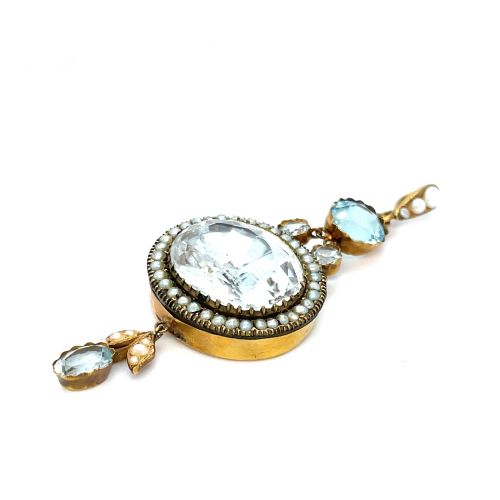
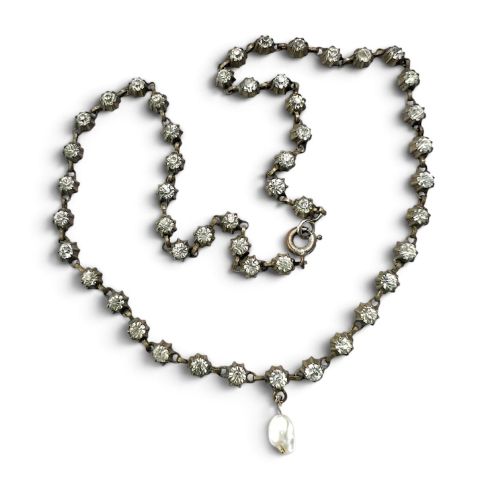
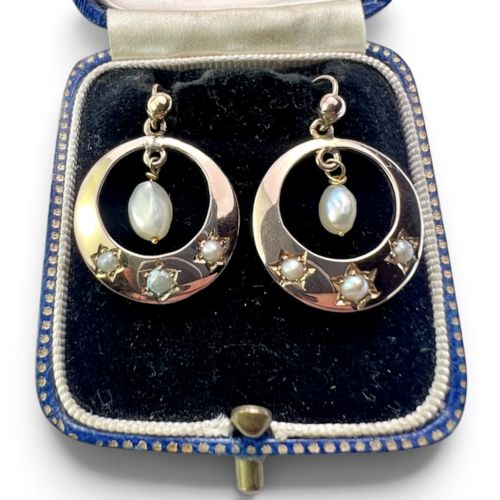
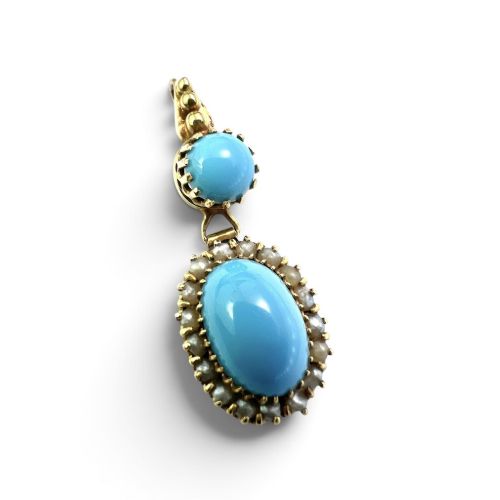
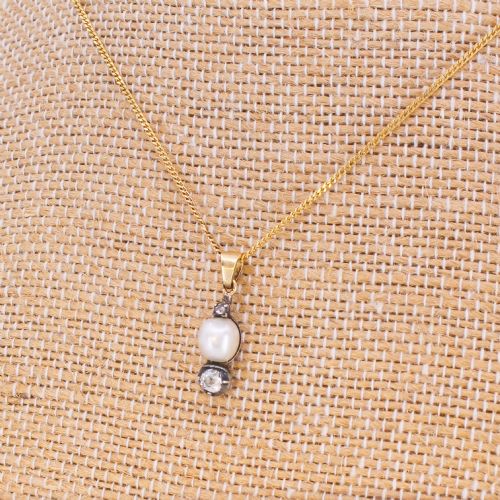
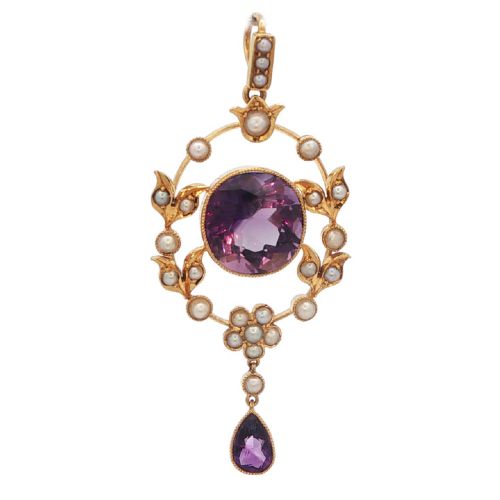
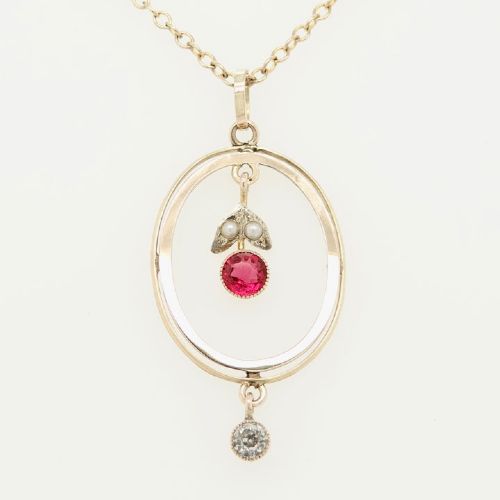
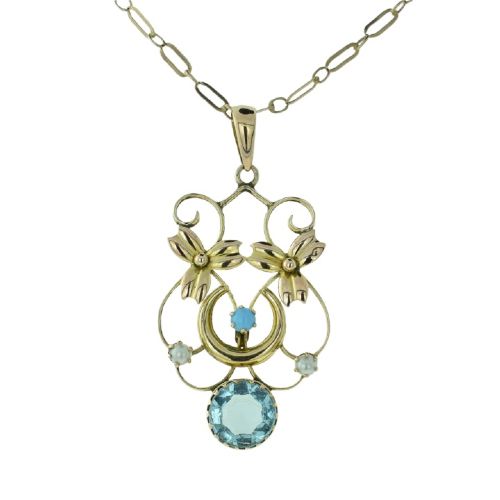
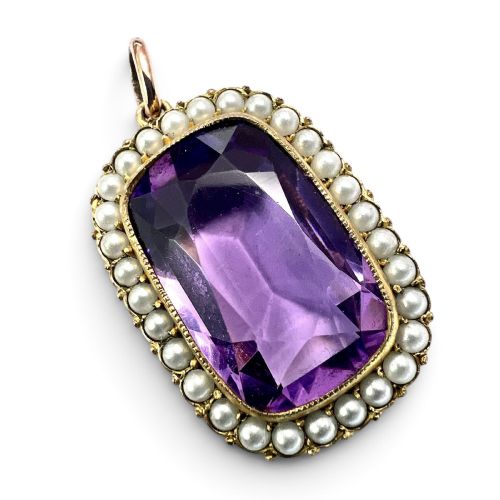
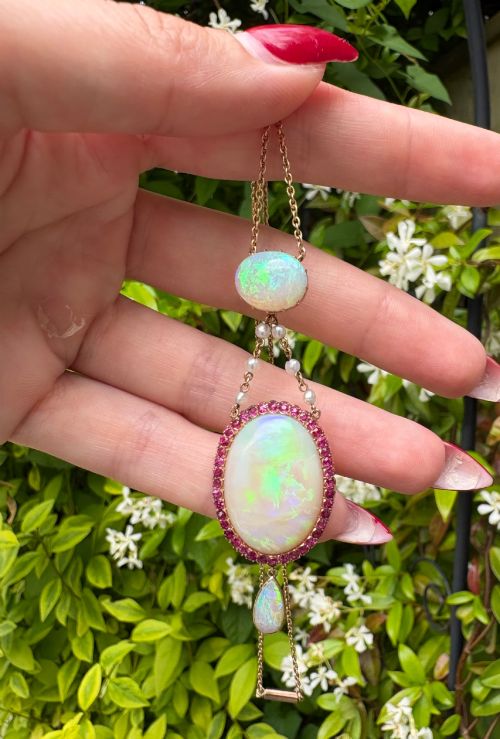
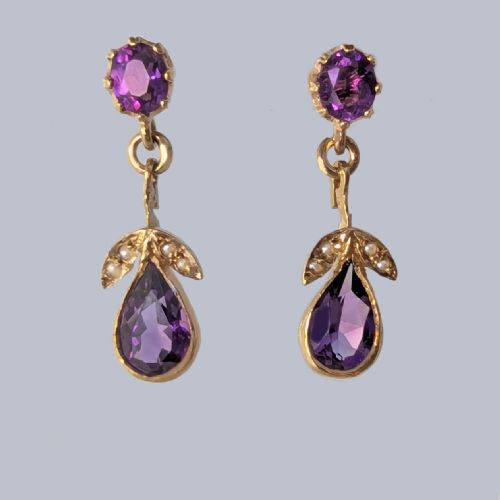
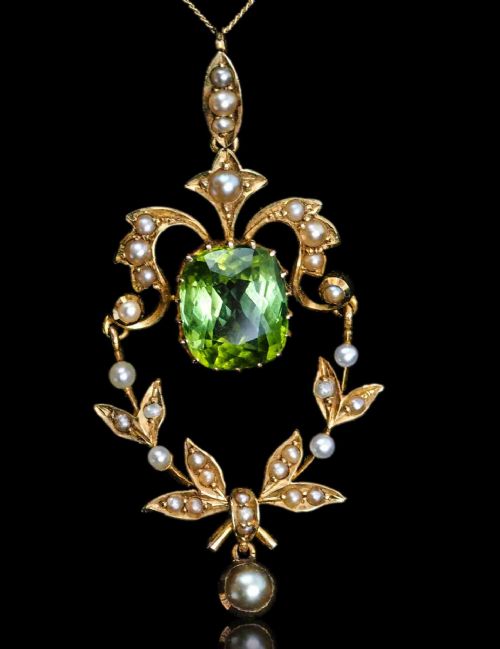
When searching for victorian pearl drops, buyers encounter a diverse selection of nineteenth-century jewellery containing pearls paired with coloured gemstones. These pieces include drop earrings, pendants, and necklaces created during the Victorian and Edwardian periods.
The material combinations span pearl and seed pearl alongside gold, silver, amethyst, turquoise, and diamond. Many items take the form of intricate pendants or articulated drop earrings designed to catch the light during movement.
How They Were Made
The construction relies heavily on yellow and rose gold, ranging from nine to fifteen carat standards, alongside silver mounts used for specific stone settings. Goldsmiths employed techniques such as star-setting, cluster arrangements, and hinge attachments to create secure mountings for pearls and gemstones.
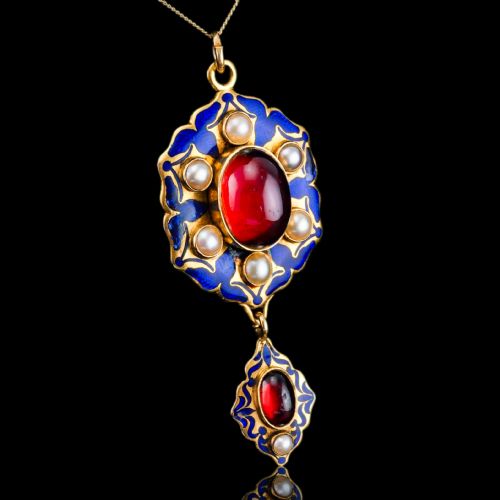
Pearls are integrated alongside paste, amethyst, turquoise, and diamonds, often secured in halo or drop configurations. Metalwork incorporates detailed wirework, enamel, and foliate motifs reflecting Victorian, Arts and Crafts, and Renaissance Revival design influences.
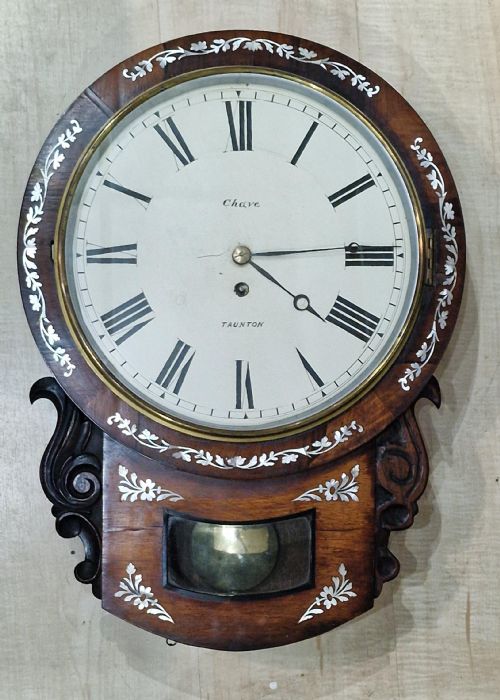
Timekeeping intrudes upon the jewellery box through fusee wall clocks bearing makers' names.
What Varies in Quality
Quality differentiates through the matching and lustre of the pearls used, alongside the clarity and depth of complementary gemstones such as amethyst, peridot, and diamond. Higher standard items display careful gemstone selection and balanced proportions within the metal mount.
The refinement of the gold or silver work dictates the tier of the piece, with hand-wrought details and original boxes indicating superior provenance. Precision in stone-setting and the preservation of original clasps or screw-backs distinguish the finest examples.
Murrle Bennett·Hamilton & Co
The Victorian Pearl Drops Glossary
- Seed pearl
- Very small natural or cultured pearls, often drilled and strung or set closely together in clusters to form floral or geometric patterns on Victorian jewellery.
- Drop earring
- An earring that suspends a decorative element below the earlobe, designed to move independently when the wearer turns.
- Holbeinesque
- A nineteenth-century revival style inspired by sixteenth-century German and Renaissance jewellery designs, typically featuring heavy goldwork, enamelling, and suspended gemstone drops.
- Lavalier
- A pendant necklace featuring a central stone or drop suspended from a fine chain, popular during the late nineteenth and early twentieth centuries.
- Paste
- Hand-cut and polished lead glass used to imitate gemstones in antique jewellery, valued for its historical cutting styles rather than as a precious mineral.
Victorian Pearl Drops: Frequently Asked Questions
What periods do these pieces date from?
The selection spans the nineteenth and early twentieth centuries, primarily covering the Victorian and Edwardian eras. Pieces often reflect specific regional or stylistic revivals characteristic of those decades.
Datings are derived from hallmarks, material testing, and stylistic markers recorded in individual descriptions.
Are the pearls natural or cultured?
Listings feature natural pearls alongside seed pearls set into gold and silver mountings. Each description records the specific pearl type associated with the item.
Examination of the lustre and formation helps distinguish the specific variety used in the construction.
What other gems accompany the pearls?
Common companion stones include amethyst, turquoise, diamond, peridot, and garnet. These are frequently arranged in halos, clusters, or drop fringes around the central pearls.
The choice of gemstone often reflects the prevailing aesthetic style, such as Arts and Crafts or Renaissance Revival.
How should antique pearl jewellery be worn?
These items require careful handling due to the delicate nature of pearls and historic mountings. Earrings often feature period fittings such as screw-backs or wire hooks suited to the design.
Regular checks on settings help ensure the security of both pearls and accompanying gemstones during use.