

Victorian Pastoral Scene Artwork
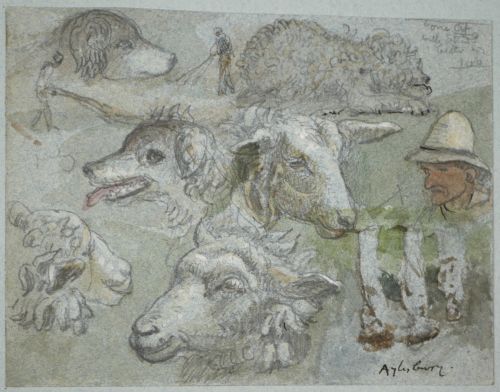
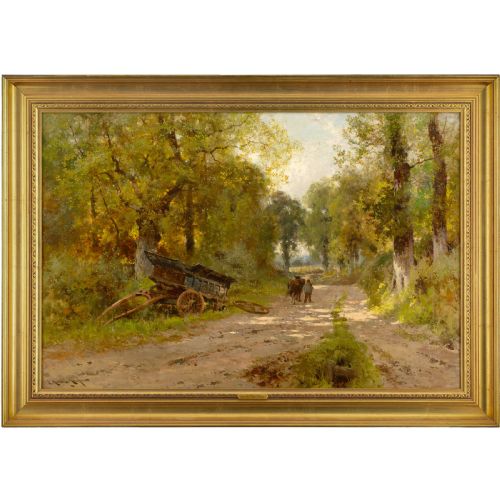
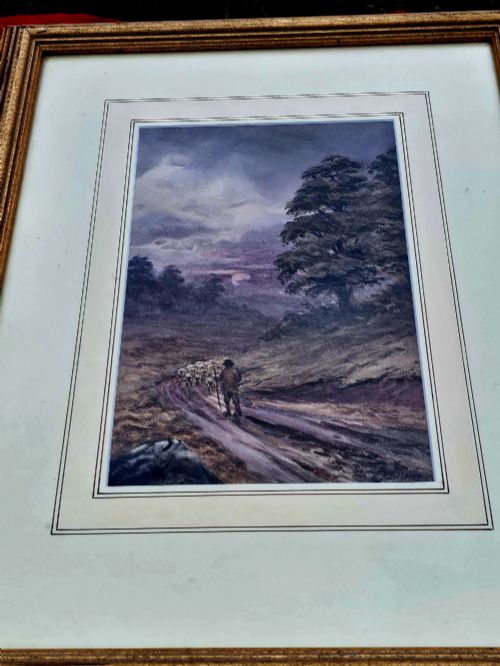
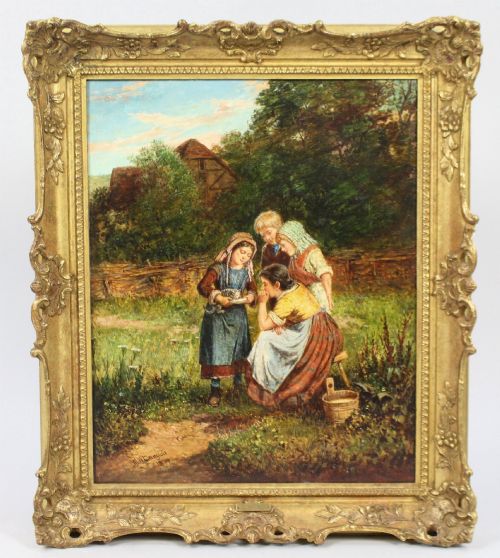
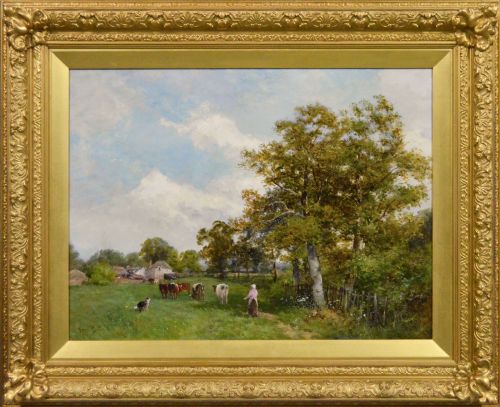
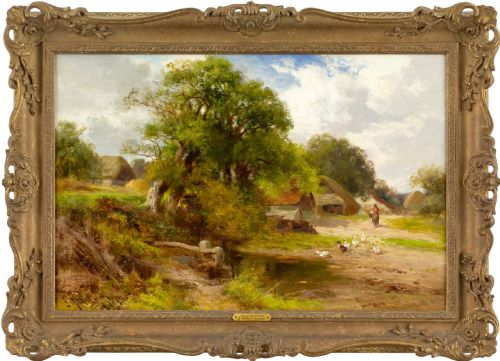
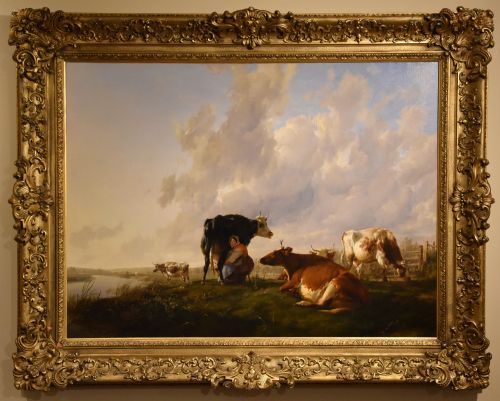
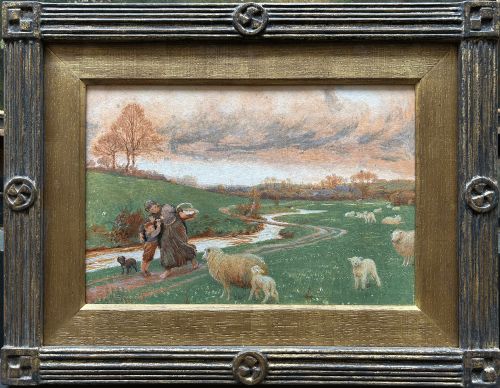
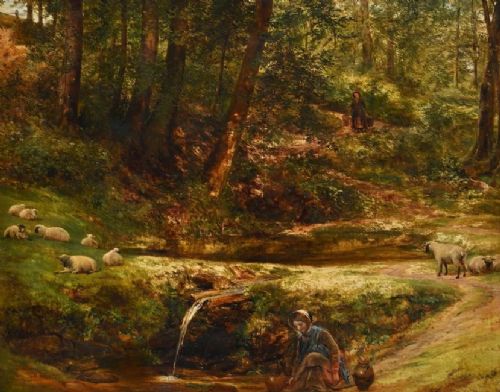
Victorian pastoral scene artwork captures idealised rural life through landscapes filled with sheep, cattle and figures by rivers.
Victorian Pastoral Scene Artwork
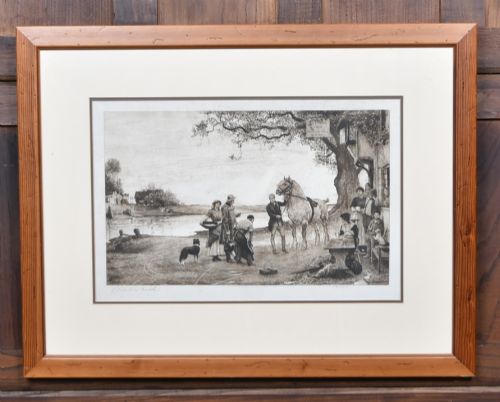
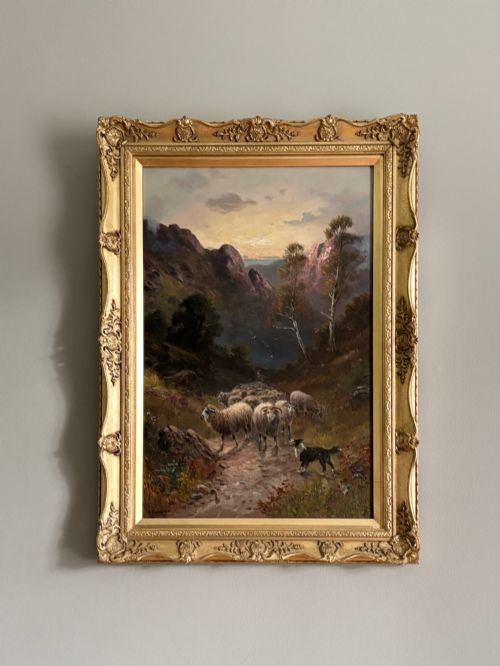
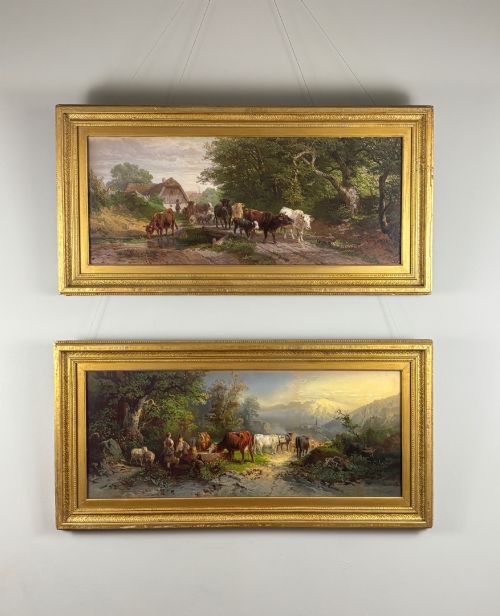
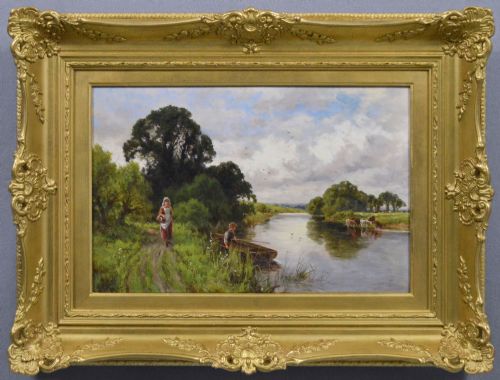
A Victorian pastoral scene artwork depicts the nineteenth-century British countryside through traditional paintings, watercolours, etchings and drawings. These pieces focus on quiet rural life, featuring farm labourers, milkmaids and shepherds tending animals amidst rivers, woodlands and farmland.
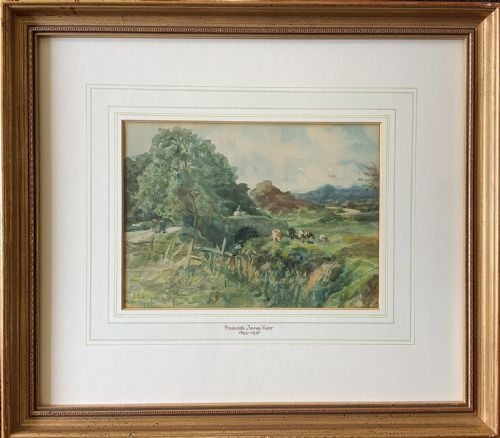
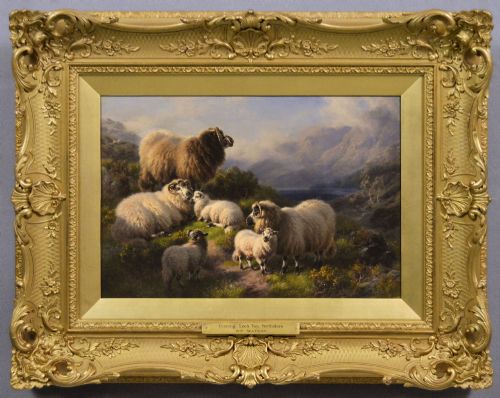
The selections available lean heavily towards oil on canvas and delicate watercolours housed in original giltwood and gesso frames. Common subjects include Highland sheep, cattle by riverbanks and harvest workers resting beneath oak trees during the height of the Victorian era.
Works originate from various British and European schools, spanning 19th Century Realism, Romanticism and the Victorian Idyllic School. Buyers encounter both large gallery-scale canvases and intimate framed works capturing the serene rhythm of agrarian existence.
How They Were Made
Artists built these compositions using oil paint on stretched canvas or oil on board, applying pigments to capture atmospheric light over rural fields and river valleys. Watercolours on paper offer a lighter, translucent alternative, often finished with detailed penwork or gum arabic highlights to deepen tone.
Framing played an integral role in presentation, utilising carved wood finished with gesso and gilt leaf to complement the warm earth tones of the pastoral subjects. Many surviving pieces retain their period frames, which contribute structurally and aesthetically to the complete artwork.
Listings feature works spanning the nineteenth century through the early twentieth century, utilising oil on canvas, watercolour and etching.
What Varies in Quality
Quality rests upon the artist's command of light, anatomical precision in animal and human figures, and the overall compositional balance of the landscape. Master practitioners create convincing atmospheric depth and natural movement, whereas lesser hands produce stiff, formulaic countryside views.
The condition of the pigment and the integrity of the original canvas or paper support significantly influence the standard of a piece. Fine preservation of the delicate giltwood and gesso frames further distinguishes superior examples from heavily restored or later re-framed works.
Eugène Verboeckhoven·James Smetham·John Horace Hooper·David Bates·Thomas Sidney Cooper·Frederick Walker·Richard Redgrave·William Watson Jnr·Johann Friedrich Voltz·Henry H Parker·Miles Birkett Foster·Frederick Hines·Thomas Baker·James William Booth·Samuel Joseph Clark·Andre de Moller·James Hardy Junior·Robert John Hammond·Frederick James Knowles·Robert Thorne Waite·Charles Vickers·Walter J Watson·John Linnell·Robert Finley McIntyre·Helena Maguire
The Victorian Pastoral Scene Artwork Glossary
- Gesso
- A plaster-like mixture applied to wood frames before gilding to provide a smooth surface for moulding decorative details. It allows for crisp ornamental relief work around the edge of the canvas.
- Giltwood
- Wood carved and coated with a thin layer of gold leaf or metallic paint. This finish provides a warm, reflective border that enhances the colours within pastoral oil paintings.
- Etching
- A printmaking process where lines are bitten into a metal plate with acid before ink is applied and transferred to paper. This technique produces fine, linear details characteristic of rural graphic works.
- Watercolour
- A painting method using water-soluble pigments on paper to achieve translucent washes of colour. It requires swift, confident brushwork since mistakes cannot easily be painted over.
Victorian Pastoral Scene Artwork: Frequently Asked Questions
What subjects appear in pastoral art?
These works typically feature domestic livestock such as sheep and cattle alongside shepherds, milkmaids and farm labourers. Rivers, cottages and rolling hills complete the traditional agrarian setting.
Artists drew inspiration from actual British countryside locations, ranging from the Thames Valley to Welsh valleys and Scottish highlands.
How should these artworks be hung?
Keep them away from direct sunlight and damp environments to protect fragile watercolours, paper supports and oil pigments. Stable indoor humidity prevents the wooden stretchers and gesso frames from cracking.
Pairing pieces with their original giltwood frames maintains historical context and complements the warm palette of nineteenth-century rural scenes.
How do I identify the period?
Examine the materials, framing techniques and artist signatures alongside recorded exhibition dates from the nineteenth and early twentieth centuries. Victorian works often carry specific stylistic markers linked to Realism or the Idyllic School.
Inscribed titles on the reverse of canvases or frame labels frequently point to precise locations and exhibition histories.
Are watercolours as durable as oils?
Waterworks on paper require glazing and protection from ultraviolet light to prevent the pigments from fading over time. Oil paintings on canvas prove more resilient against environmental factors but still benefit from controlled conditions.
Both mediums reward careful preservation by retaining their original atmosphere and tonal depth.