


Victorian Pastoral Painting
A victorian pastoral painting brings rural idylls, flocks and river landscapes indoors through oil and watercolour.
Victorian Pastoral Painting
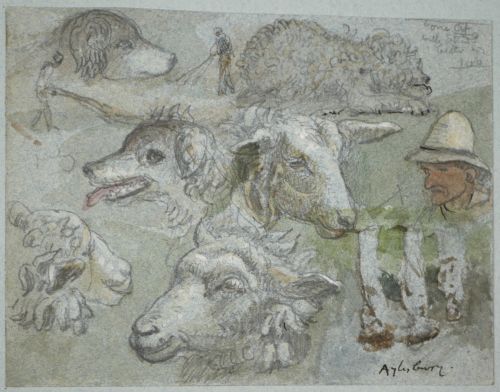
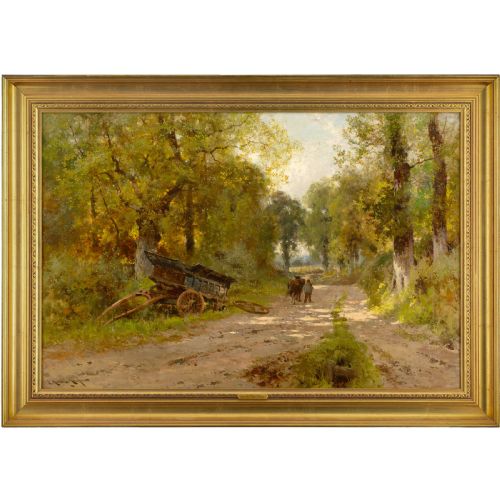
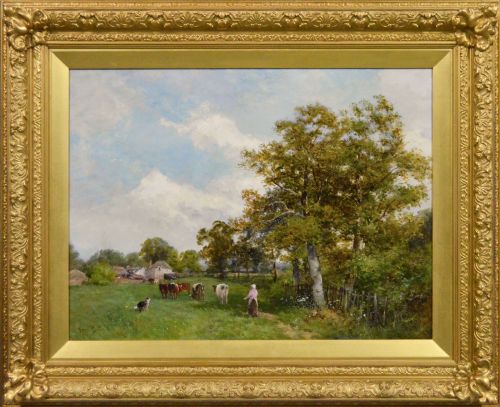
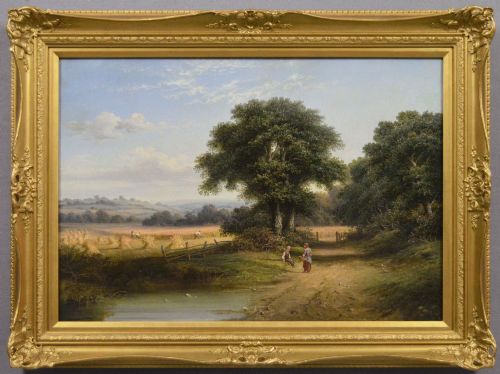
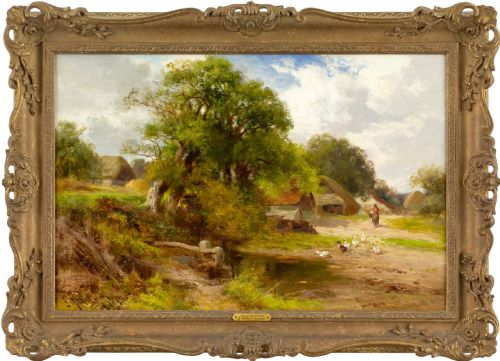
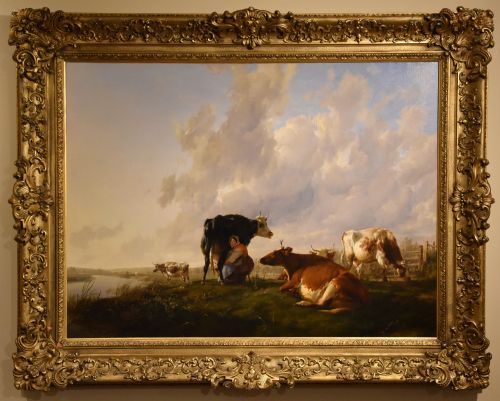
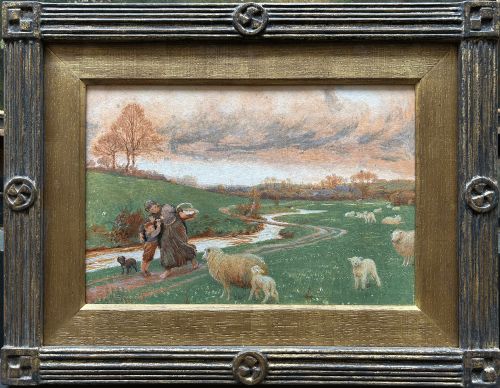
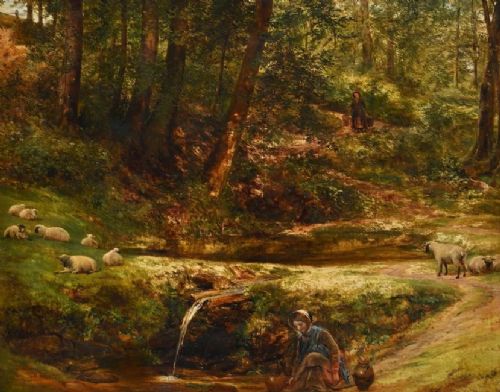
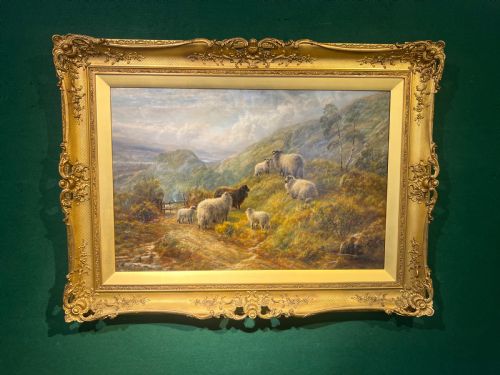
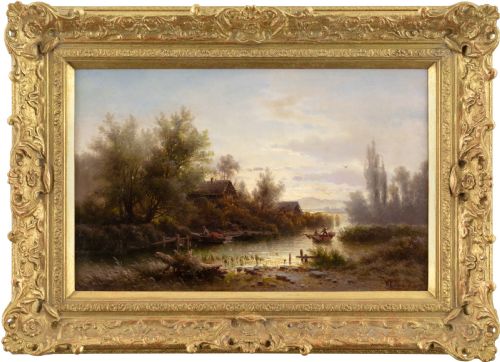
When you search for a victorian pastoral painting, you encounter rural scenes populated by shepherds, cattle, sheep, milkmaids and figures near harvest fields. These artworks capture the nineteenth-century fascination with the countryside, ranging from detailed depictions of prize shorthorn bulls to tranquil river landscapes and quiet woodland paths.
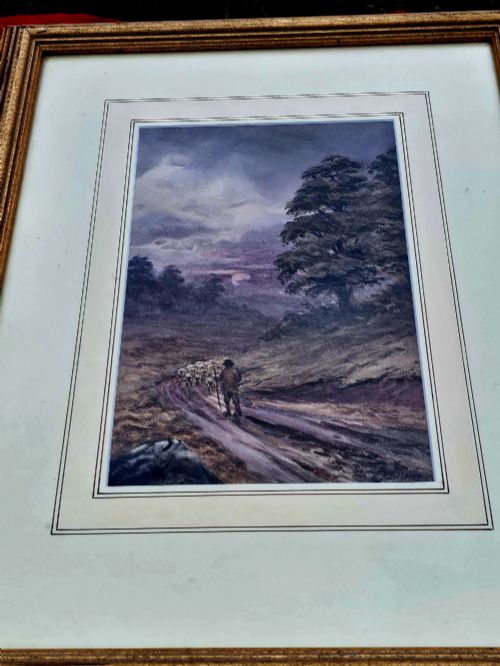
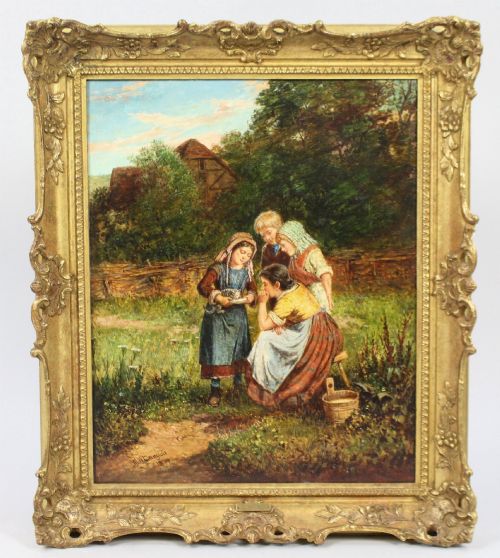
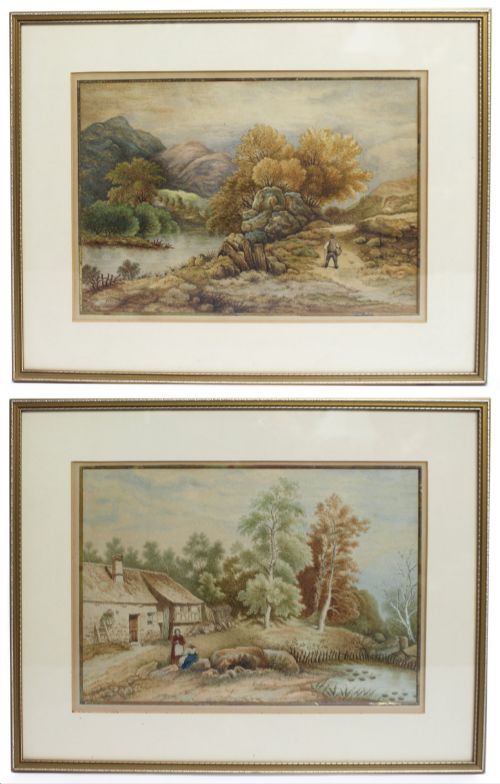
The version you are most likely to meet on this page is an oil on canvas or a framed watercolour originating from the nineteenth century, often signed by British or continental artists. Subjects frequently feature herdsmen tending sheep, highland cattle grazing by lochs, or figures resting beside ponds.
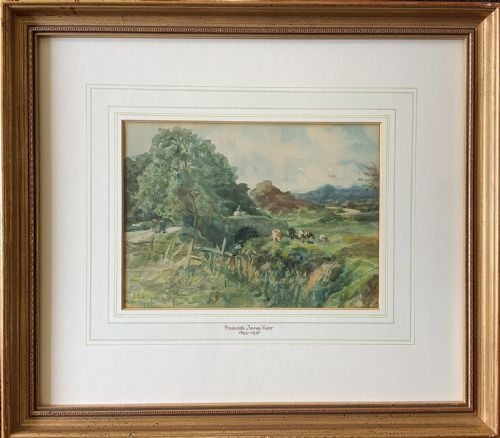
Beyond standard canvas works, these listings include watercolours on paper and pieces executed in styles spanning nineteenth-century realism, romanticism and the British school. The focus remains on agrarian life, tranquil nature and traditional rural scenes rather than industrial subjects.
How they were made
Artists relied primarily on oil paint applied to stretched canvas or oil on board, building up rich textures to depict woolly fleeces, cattle hides and atmospheric skies. Many works also utilise watercolour and bodycolour on paper, capturing lighter effects in riverscapes and botanical details.
Victorian Pastoral Painting Retail Price Guide 2026
Typical asking prices for victorian pastoral painting among the pieces listed under this phrase on Sellingantiques today, from the lower quarter to the upper quarter. They describe what is for sale here now, not the wider market.
Listings feature oil on canvas, watercolour on paper and oil on board, depicting sheep, cattle and rural workers.
What varies in quality
The distinction between standard works and superior examples lies in the precision of brushwork and the anatomical accuracy of animals and human figures. Master painters render the play of morning light, realistic animal textures and expressive postures with greater sensitivity than routine studio output.
Compositional strength and atmospheric depth separate ordinary topographical records from accomplished artistic interpretations of rural life. Pieces showing careful handling of light across a harvest field or river valley demonstrate higher technical accomplishment.
Eugène Verboeckhoven·James Smetham·John Horace Hooper·David Bates·Walter Heath Williams·Thomas Sidney Cooper·Frederick Walker·Richard Redgrave·Frederick James Kerr·Robert Watson·Albert Rieger·William Watson Jnr·Douglas Cameron·Johann Friedrich Voltz·Henry H Parker·Miles Birkett Foster·Charles Henry Slater·Henry Schouten·Charles Edward Wilson·Frederick Hines·Johannes de Haas·John Emms·A M Gauci·Philip Richard Morris·Cornelius Pearson
The Victorian Pastoral Painting Glossary
- Oil on Canvas
- A traditional painting medium where oil paints are applied to a woven fabric surface stretched across a wooden frame. This combination allows for rich blending and textured impasto work.
- Watercolour Painting
- A medium consisting of water-soluble pigments applied to paper, known for its translucent washes and luminous effects. It was widely used for British landscape and pastoral scenes.
- Giltwood
- Wood carved and coated with gold leaf or a gold-coloured metallic finish, commonly used for nineteenth-century picture frames. It provides a bright decorative border that enhances the artwork.
- Gesso
- A plaster-like mixture applied to wooden frames as a base for moulding decorative details and applying gilding. It gives ornamental frames their sharp relief and smooth surfaces.
- Pastoral Style
- An artistic genre depicting rural life, shepherds, livestock and idealized country landscapes. It reflects a cultural nostalgia for agrarian simplicity.
Victorian Pastoral Painting: Frequently Asked Questions
What is a victorian pastoral painting?
It is an artwork depicting nineteenth-century rural life, featuring shepherds, livestock, agricultural workers and tranquil countryside landscapes.
These pieces reflect the era's romantic view of nature and farming, utilising mediums such as oil on canvas and watercolour.
How were these paintings displayed originally?
They were typically housed in ornate wooden frames featuring gesso ornamentation and giltwood finishes to complement domestic interiors.
Watercolours were placed behind glass with paper mounts to protect the delicate pigments from atmospheric moisture.
How do I identify a nineteenth century pastoral work?
Look for characteristic nineteenth-century subjects such as figures herding sheep, highland cattle near lochs, or milkmaids in harvest fields.
Stylistic markers often include nineteenth-century realism, romanticism, or associations with the British school of painting.
How should I care for an antique oil painting?
Keep the artwork away from direct sunlight and fluctuating humidity levels to protect both the canvas and the wooden frame.
Dust the surface gently with a soft, dry brush and avoid using liquid cleaners on the paint or giltwood.