


Victorian Paste Jewellery
Victorian paste jewellery brings the brilliance of fine gems into accessible, beautifully crafted nineteenth-century designs that collectors treasure for their enduring sparkle.
Understanding Victorian paste jewellery
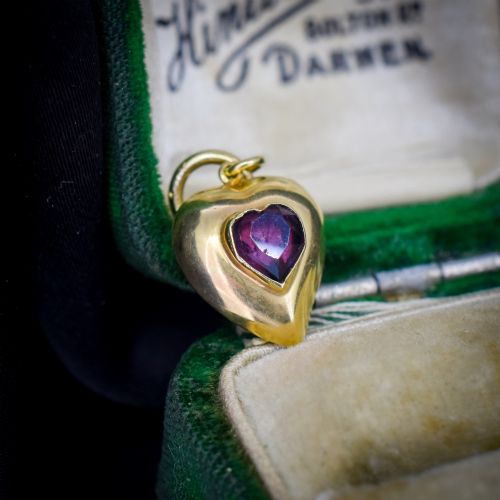
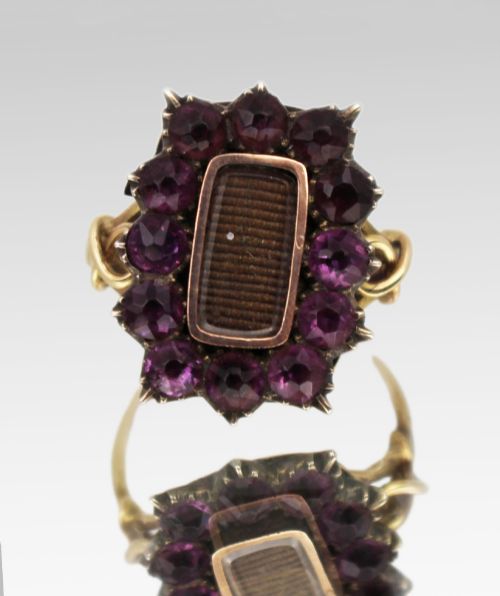
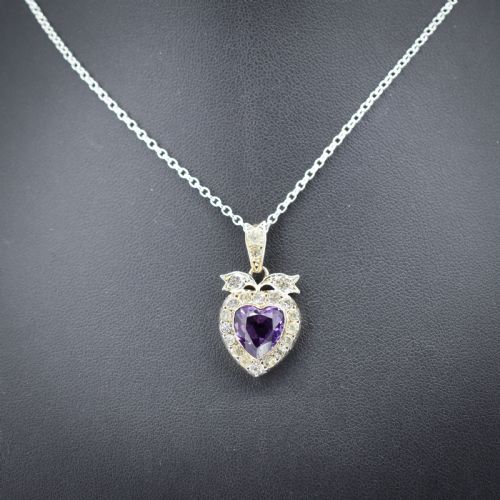
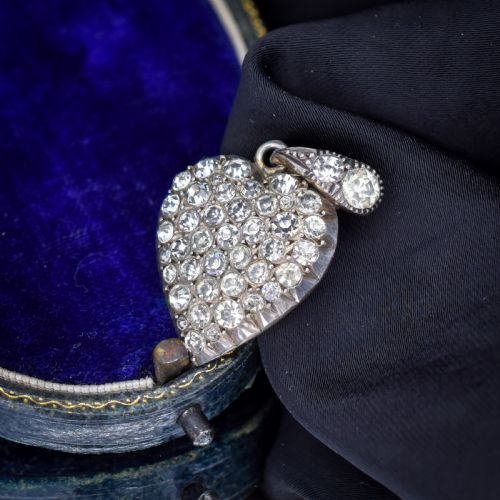
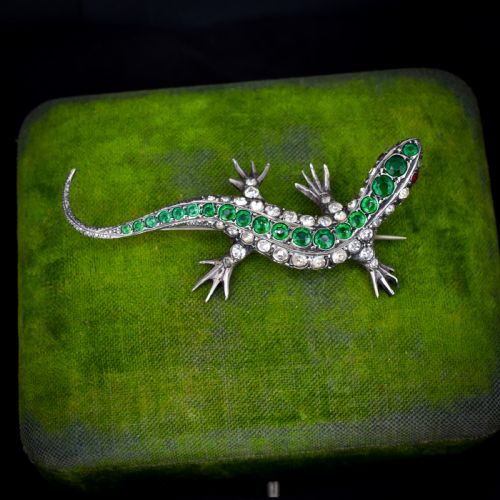
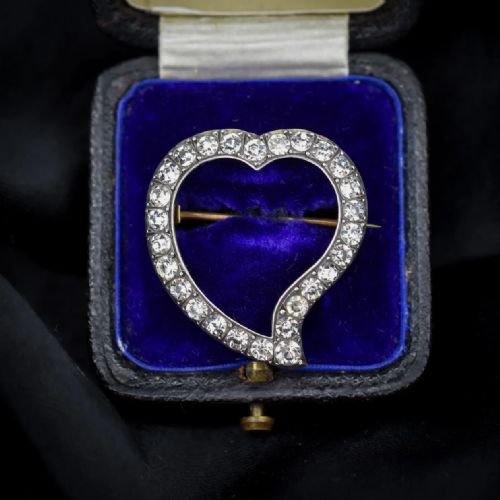
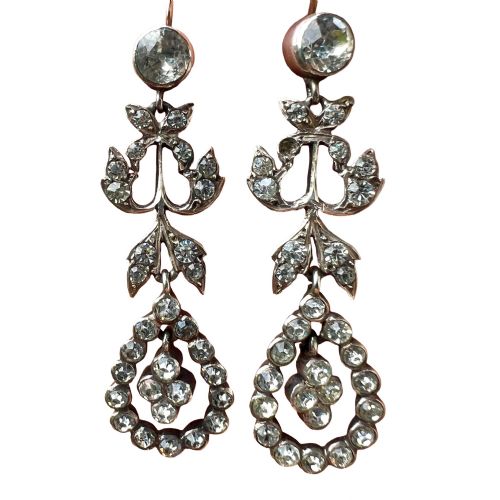
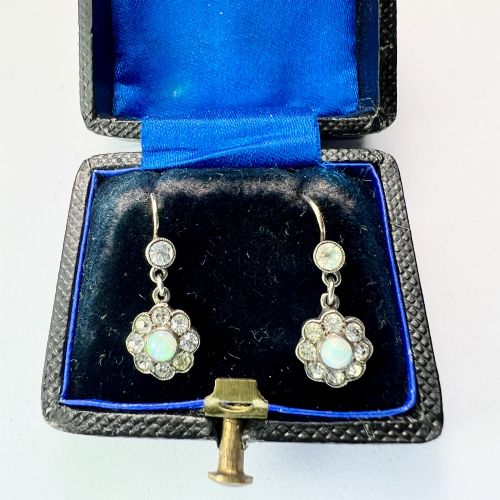
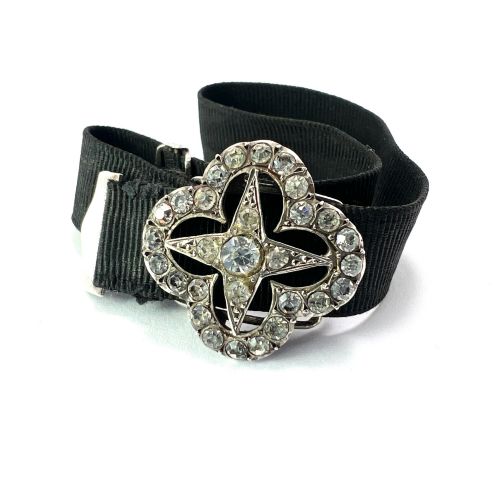
Victorian paste jewellery comprises necklaces, earrings, bangles, brooches, and matched jewellery sets originating from the nineteenth century. These pieces employ high-refractive glass cut to imitate precious gemstones, mounted in silver and gold settings that reflect the aesthetic movements of the period.
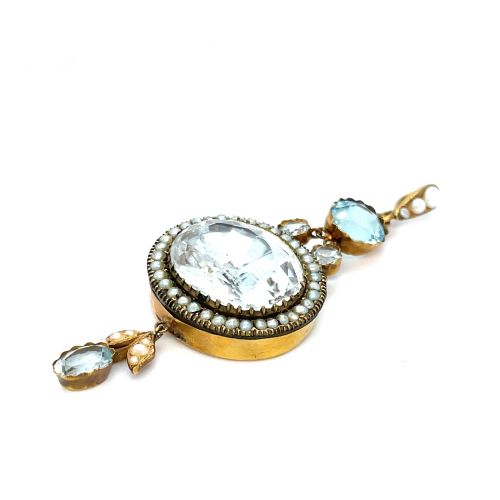
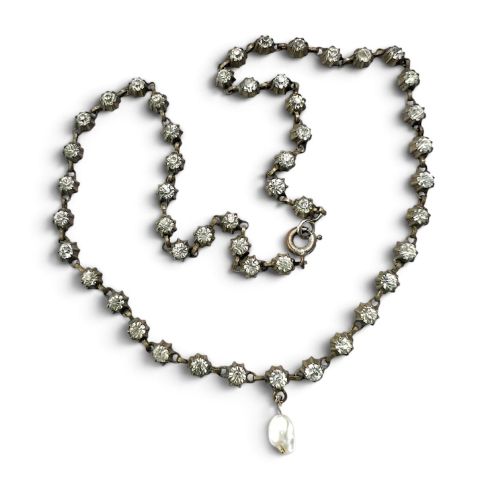
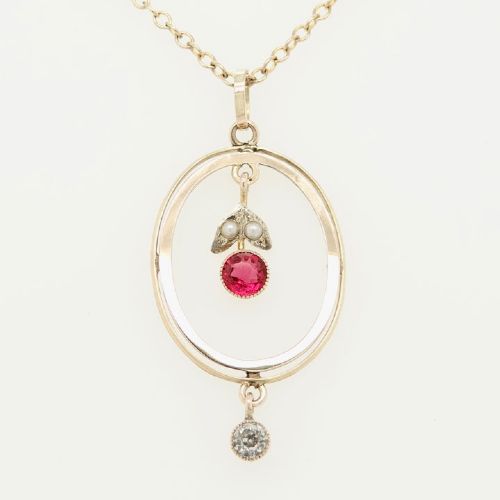
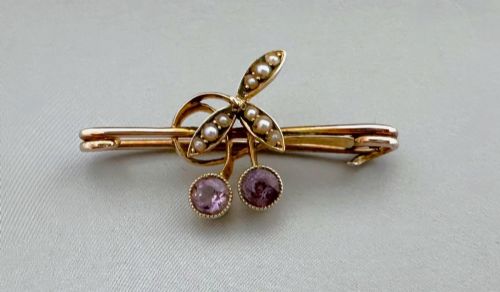
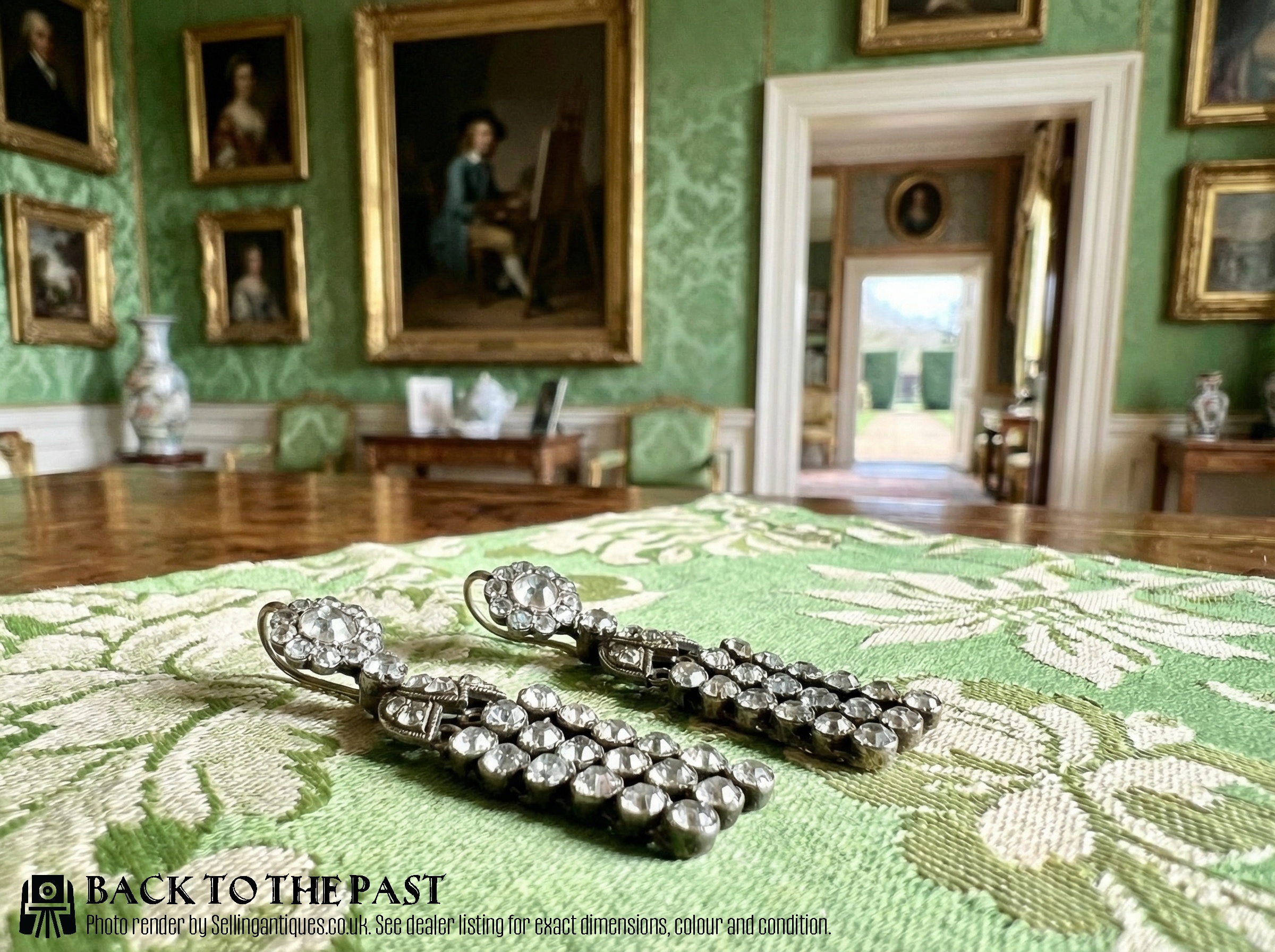
The listings here feature items from the Victorian era, including pieces dated specifically to eighteen eighty. Examples range from drop chain necklaces and teardrop pendants to floral bangles, tassel drop earrings, and intricate brooches.
Makers and designers of the period also drew upon specific stylistic revivals, notably the Victorian Etruscan Revival style seen in composite suites. Buyers frequently encounter combinations of paste with pearls, garnets, and gilt work across these surviving forms.

Materials and construction
Makers utilised specially formulated paste glass, cut and faceted by hand to maximise brilliance and mimic genuine diamonds and coloured gemstones. These glass stones are set within fine silver, nine-carat gold, twelve-carat gold filled mountings, and fine silver settings.
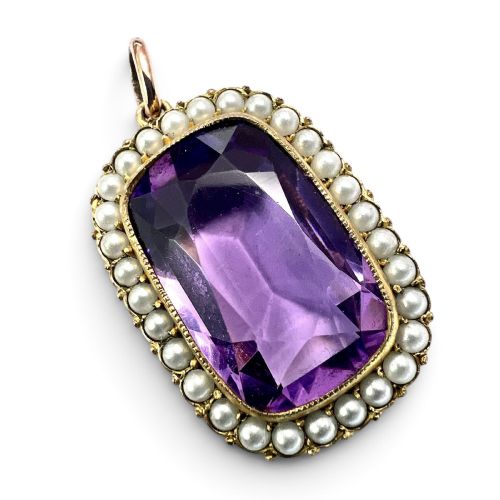
Individual stones are secured within close-backed or open settings, often complemented by pearls, garnets, and gilt details. Structural elements such as tassel drops, floral motifs, and Etruscan Revival wirework demonstrate traditional bench techniques of the nineteenth century.
Retail Price Guide 2026
Typical UK retail prices for victorian paste jewellery, calculated from the Sellingantiques database of over a million retail prices indexed since 2003. This retail price guide relies exclusively on Sellingantiques data; no external sources or auction records are used, so the figures do not describe the wider market.
Nineteenth-century paste sparkled so convincingly under candlelight that nobility frequently wore it to balls while leaving their real heirlooms safely at home.
Markers of quality
Superior quality in these pieces rests upon the precision of the stone-cutting and the clarity of the paste glass itself. Finer examples display crisp faceting that captures light effectively, rivalling the visual impact of mined gems rather than appearing dull or cloudy.
The standard of metalwork further distinguishes the range, where delicate wirework, secure prong or foil-backed settings, and well-matched pearl or garnet accents show superior bench execution. Coarser examples rely on heavier, less refined mountings and simpler stone integration.
The Victorian Paste Jewellery Glossary
- Paste
- Highly refractive lead glass that is cut and polished to imitate gemstones. It has been used for centuries to create high-detail decorative ornaments.
- Giardinetti
- A jewellery design translating to little garden, featuring stones arranged to resemble a small floral basket or bouquet. These motifs were popular in early periods and carried through into the nineteenth century.
- Etruscan Revival
- A nineteenth-century design style inspired by archaeological discoveries of ancient Etruscan goldwork. It is characterised by fine granulation, wirework, and classical geometric motifs.
- Gold Filled
- A manufacturing method where a layer of solid gold is mechanically bonded to a base metal core. This technique provided the appearance and wear resistance of solid gold at a different cost point.
Frequently Asked Questions
What is Victorian paste jewellery?
Victorian paste jewellery consists of nineteenth-century decorative ornaments set with high-quality faceted glass designed to simulate precious gems. These items were produced in forms ranging from brooches and bangles to elaborate necklaces.
Craftsmen mounted these glass stones in silver, gold, and gold-filled settings, often incorporating pearls and garnets. They represent a distinct period of ornamental design where brilliance and artistic setting mattered more than intrinsic mineral value.
How do I style these pieces?
Wearing nineteenth-century paste works well by pairing individual statement items, such as a drop necklace or tassel earrings, with simple contemporary attire. This lets the historic metalwork and faceted glass become the focal point of an outfit.
For broader collections, matching sets or multiple brooches offer a layered approach reminiscent of period fashion. Careful handling ensures the delicate silver and gold settings remain protected during regular wear.
Are these pieces made of real gold?
The metals used vary across the inventory, encompassing nine-carat gold, twelve-carat gold filled, and fine silver. Each material reflects the specific tier and purpose of the item when it was originally manufactured.
Gold-filled pieces utilise a bonded layer of solid gold over a base metal core, while other items feature solid silver or gold mountings. Hallmarks and metal tests help clarify the precise composition of individual pieces.
How do I identify Etruscan Revival style?
Etruscan Revival pieces are identified by distinct archaeological motifs, including intricate wirework, applied gold granules, and classical geometric patterns. This style emerged from nineteenth-century fascination with ancient Mediterranean artefacts.
In paste jewellery, this aesthetic combines classical metal ornamentation with sparkling glass stones and garnets. It creates a textured, architectural appearance that sets these items apart from standard floral or linear Victorian designs.