




Victorian Paris Porcelain
Victorian paris porcelain pieces bring colourful hand-painted elegance and intricate gilding straight into a room.
Victorian Paris Porcelain
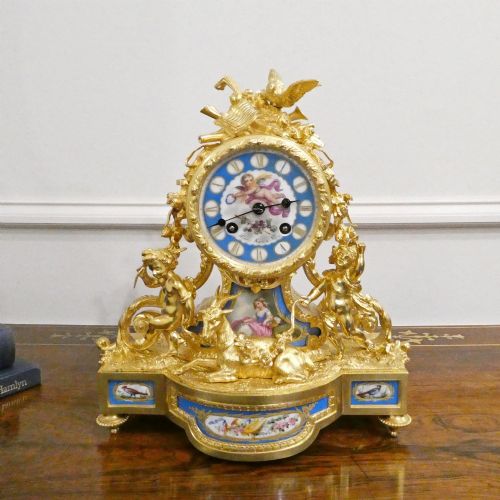
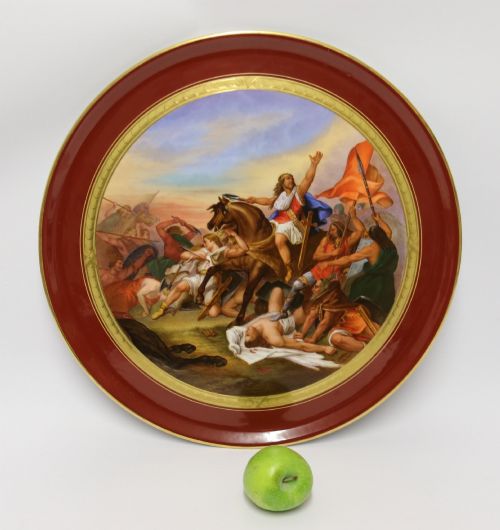
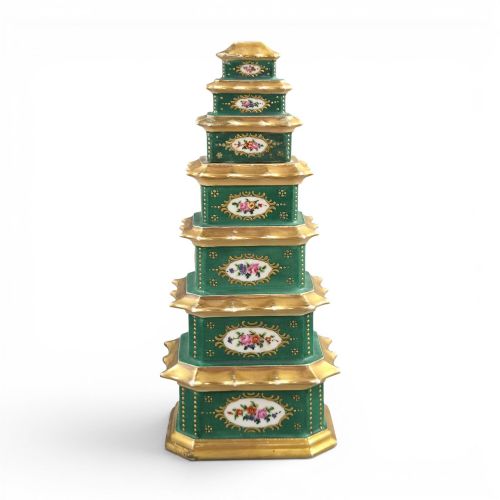
Victorian paris porcelain encompasses a diverse range of decorative objects, from mantel clocks and perfume bottles to elaborate figural groups and chargers. These pieces reflect nineteenth-century French craftsmanship, often drawing inspiration from earlier aesthetic traditions such as Rococo revival and Chinoiserie.
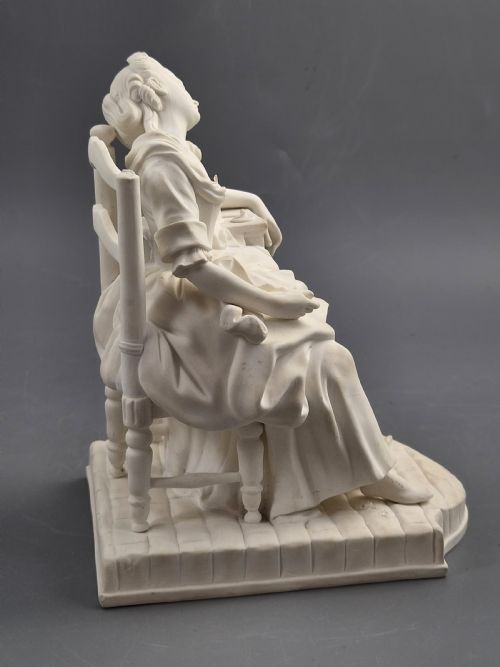
Buyers meet varied forms on this page, including biscuit porcelain figures, decorative plates, and trinket boxes. The offerings span the nineteenth century, capturing the shifting tastes of Victorian collectors who favoured ornate domestic ornamentation.
Materials and Technique
Potters utilised hard-paste porcelain and parian porcelain as the primary foundations for these works, shaping them into complex figural and utilitarian forms. Artisans then applied detailed enamel painting and gold leaf gilding by hand to highlight facial expressions, garments, and floral motifs.
Many items incorporate complementary elements such as gilt bronze or ormolu mounts, fusing ceramic bodies with metalwork. This combination required distinct manufacturing processes for the fired clay and the metallic frames, which were subsequently assembled to create clocks, perfume bottles, and garniture sets.
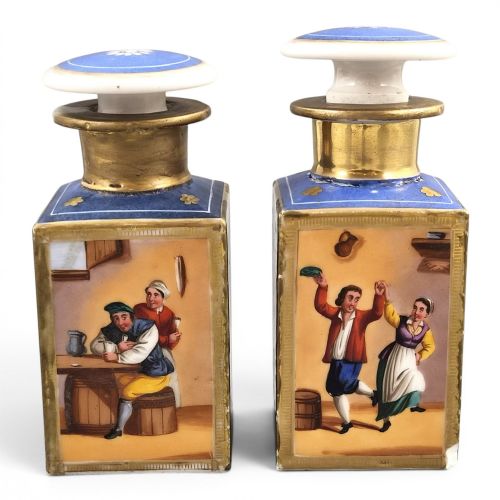
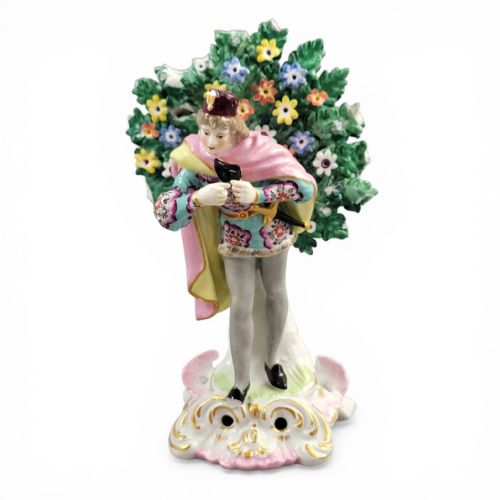
Object forms featured across the inventory include mantel clocks, perfume bottles, porcelain figurines, and decorative chargers painted with historical scenes.
Assessing Quality
The integration of secondary materials like gilt bronze mounts and original stoppers influences the overall integrity of the piece. Superior examples maintain the harmony between the porcelain body and its metal or enamel additions without clumsy restoration.
Henry Marc·Jacob Petit·Letu & Mauger·Pucher Deroche·Edme Samson·Le Roy & Fils·Eugene Clauss
The Victorian Paris Porcelain Glossary
- Parian porcelain
- A fine biscuit porcelain developed to imitate marble, frequently utilised for nineteenth-century figures and sculptural groups. It requires a lower firing temperature than standard hard-paste porcelain, resulting in a smooth, unglazed surface.
- Hard-paste porcelain
- A durable ceramic composition fired at high temperatures, composed of kaolin and petuntse. It provides a dense, vitreous body that resists scratching and forms the structural base for most Paris porcelain.
- Gilding
- The application of gold leaf or powdered gold onto the ceramic surface to create decorative borders and highlights. This technique often undergoes a secondary firing to bond the metal permanently to the glaze.
- Biscuit porcelain
- Unglazed ceramic fired once to create a matte, porous finish that resembles marble or smooth stone. It is commonly found on nineteenth-century sculptural figures where fine anatomical detail is paramount.
- Ormolu
- Gilt bronze mounts and decorative hardware applied to clocks, vases, and porcelain bodies. The process involves treating brass or bronze with a gold amalgam to achieve a rich metallic lustre.
Victorian Paris Porcelain: Frequently Asked Questions
What is paris porcelain?
Paris porcelain refers to the diverse output of various independent porcelain workshops and studios operating in and around Paris during the nineteenth century. These makers did not adhere to a single unified factory style, instead producing eclectic items ranging from classical revival figures to richly gilded vases.
Items from this tradition often combine hard-paste porcelain with hand-painted enamel and ormolu mounts. The manufacturers catered to a domestic and international clientele seeking decorative refinement.
How do you clean porcelain figures?
Cleaning antique porcelain requires gentle handling, particularly around delicate painted details, gold leaf, and biscuit surfaces. Dusting with a soft, dry brush usually suffices to maintain the ceramic without introducing moisture that could harm aged pigments.
Avoid abrasive cloths and chemical cleaning solutions that might strip away delicate enamel work or degrade nineteenth-century gilding. For stubborn grime, consult a professional conservator rather than attempting wet cleaning on painted or gilt areas.
Are these pieces functional?
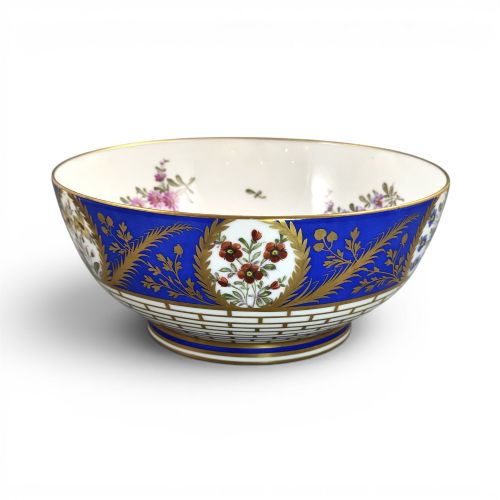
While many items like perfume bottles, bowls, and plates served practical purposes in nineteenth-century interiors, most survive today as decorative display objects. Mantel clocks and garniture sets retain their mechanical function provided the movements receive proper care.
Perfume bottles and trinket boxes can still hold small items, though collectors generally treat them as cabinet pieces. The presence of delicate painted scenes and fragile gilt bronze mounts encourages careful handling over daily utility.
How are periods identified?
Dating nineteenth-century Paris porcelain involves examining stylistic markers, painterly techniques, and occasional manufacturer marks or signatures on the base. Stylistic shifts from French Restoration forms to later Victorian revival movements help narrow down the decade of production.
Materials also offer clues, as the introduction of parian porcelain in the mid-nineteenth century provides a specific chronological anchor. Comparing the modelling technique against known works by makers like Jacob Petit or Samson assists in confirming an approximate date.