
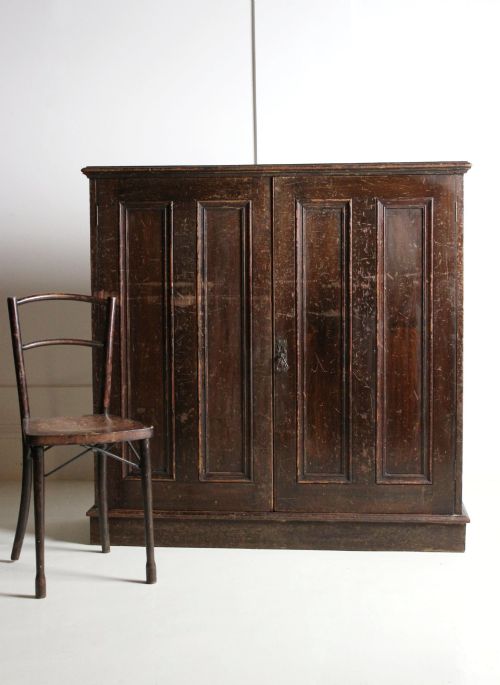
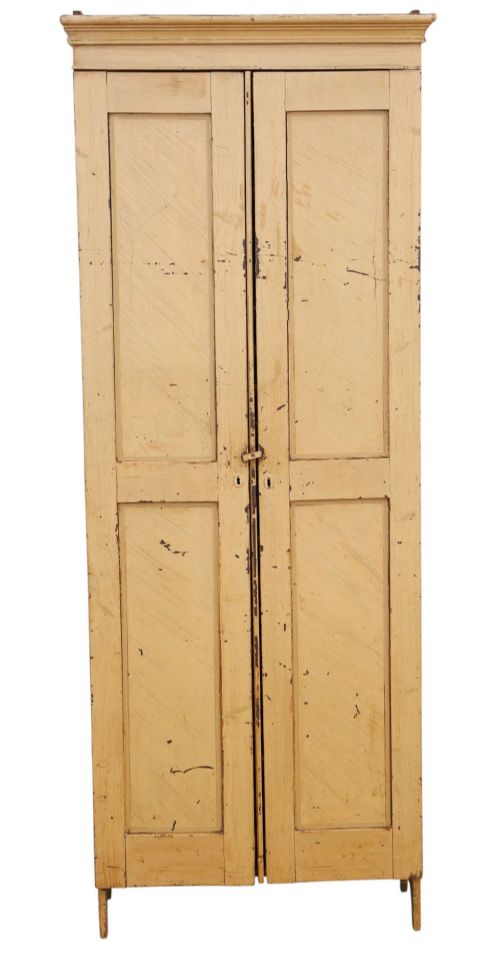
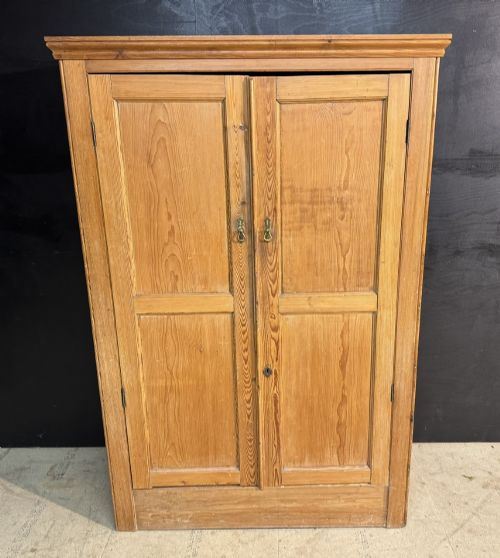
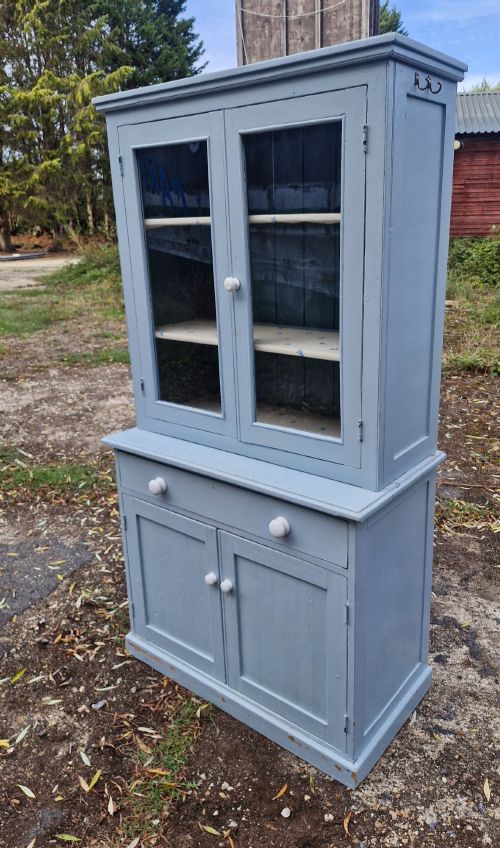

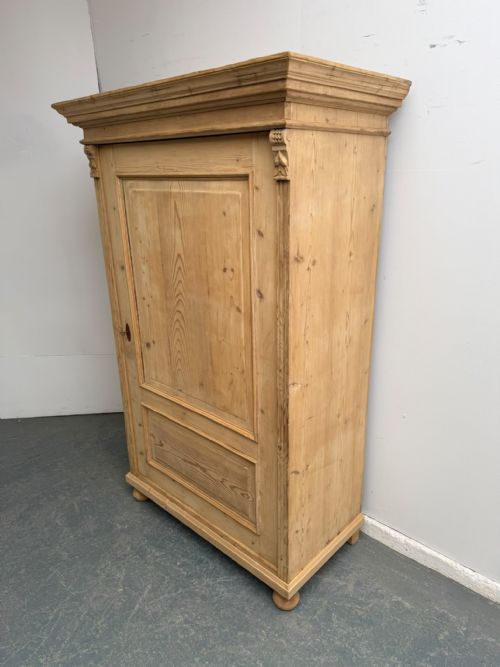
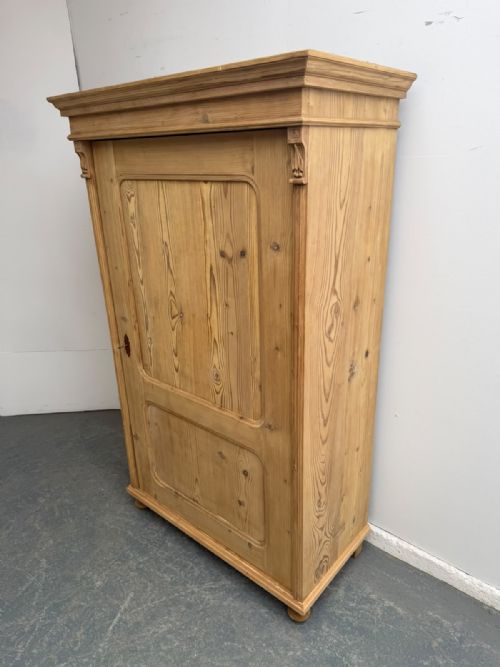
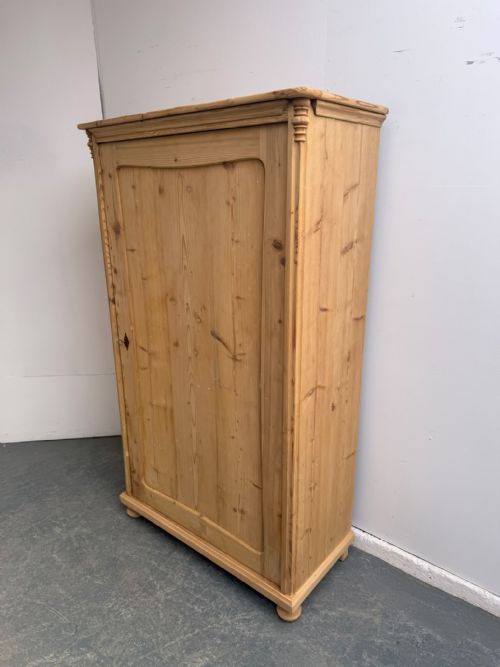
Victorian Pantry Cupboard
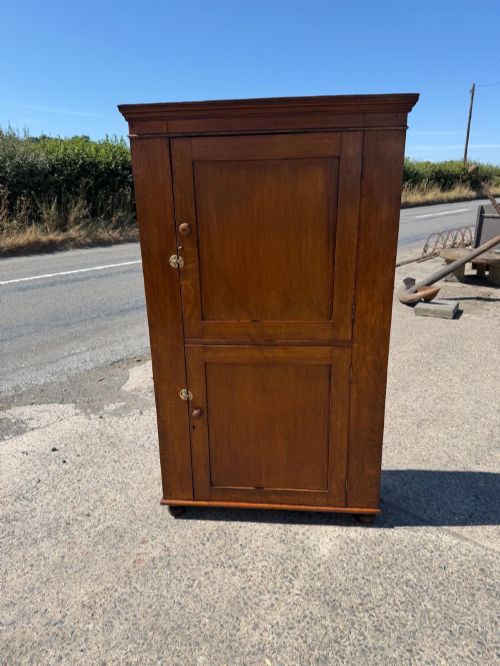
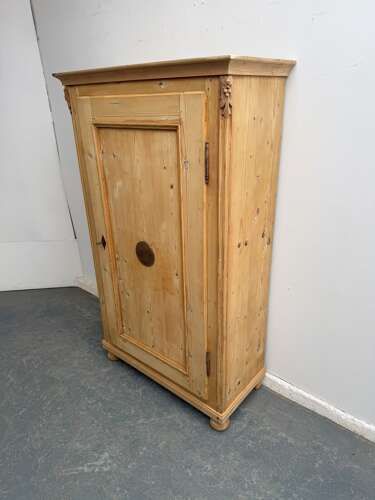
These robust victorian pantry cupboard examples serve as practical storage for food and linens, combining vernacular utility with honest nineteenth-century craftsmanship.
Victorian Pantry Cupboard
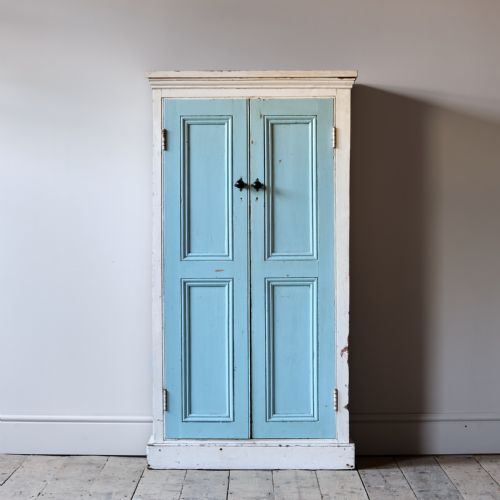
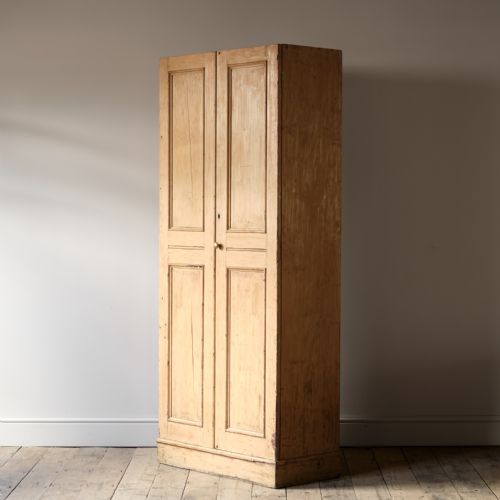
A victorian pantry cupboard provides substantial utility through tall, multi-door formats designed for domestic provisions. These utilitarian items bridge the gap between grand furniture and hardworking kitchen storage.
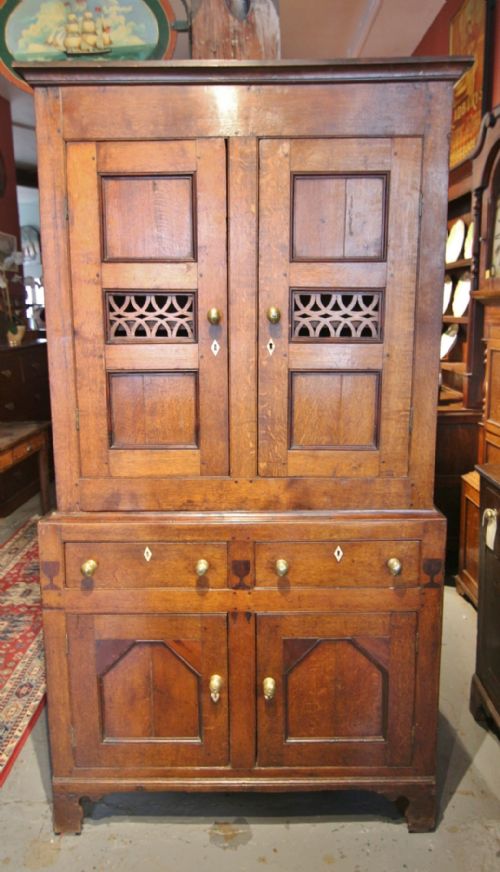
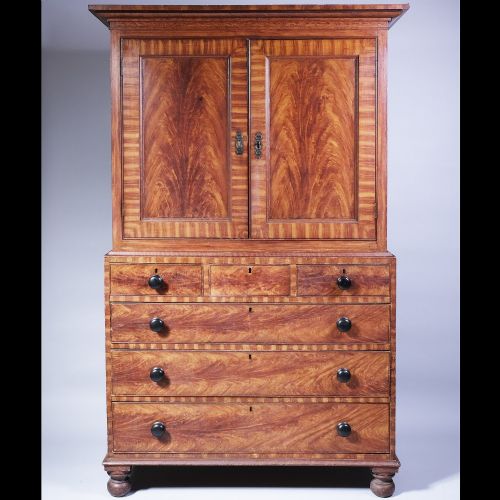
The pieces appearing here include housekeeper's cupboards, larder units, and two-part kitchen cabinets originating from nineteenth-century contexts. Rural vernacular styles dominate, reflecting regional traditions across England and Wales.
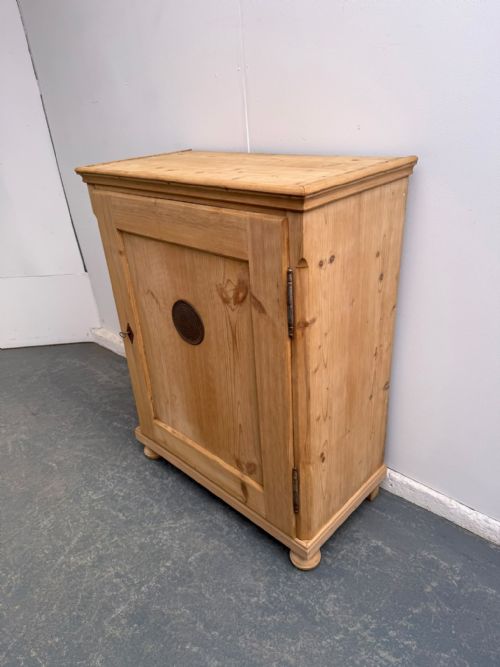
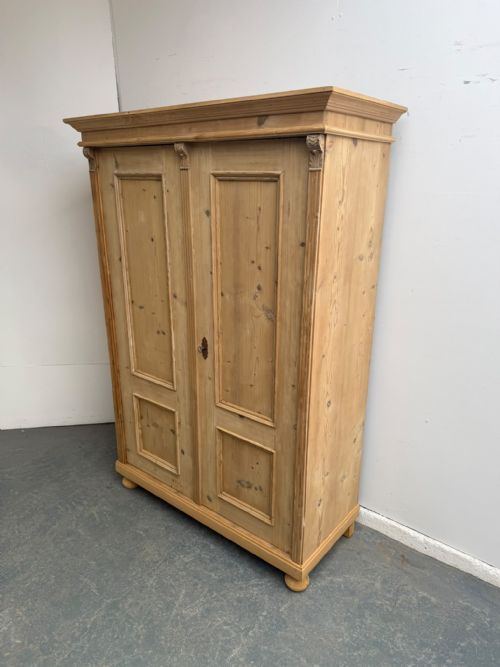
Forms range from single-door variations to large four-door configurations standing on bun feet or plinths. Many feature vented panels designed originally to keep stored food fresh.
How they were made
Construction relies heavily on pine and pitch pine, shaped into sturdy frames with fielded panels and dovetailed drawers. Cabinetmakers frequently utilised brass or iron hardware for hinges, latches, and pulls.
Surfaces often show layers of original paint, scumble glaze, or historic wax finishes applied over softwood. Bead-moulding and simple cornice details add architectural definition to utilitarian carcasses.
Listings feature nineteen-century pine, pitch pine, and oak items spanning vernacular country styles to Edwardian kitchen cabinets.
What varies in quality
Quality rests in the intactness of original surfaces and the structural integrity of the timber framing. Pieces retaining their early paintwork or scumble finishes generally command greater interest than stripped examples.
Proportion and scale dictate the success of the design, with narrow or shallow formats showing particularly careful local joinery. The survival of period hardware, original shelving, and functional ventilation panels further distinguishes superior pieces.
The Victorian Pantry Cupboard Glossary
- Housekeeper's cupboard
- A large storage piece traditionally used in substantial homes to store linens, dry goods, and provisions under lock and key. These utilitarian units often split horizontally into two sections for easier transport.
- Scumble paint
- A decorative surface treatment involving translucent pigmented glaze dragged or brushed over a pale ground to simulate grain. Artisans utilised this technique to give ordinary pine the appearance of costlier hardwoods.
- Bread and cheese cupboard
- A regional food storage cabinet featuring pierced tin or slatted wooden panels for ventilation. This specific vernacular form kept perishables cool while protecting them from insects.
- Fielded panel
- A wooden panel with bevelled edges designed to fit securely within a heavier frame. This traditional construction method accommodates the natural expansion and contraction of timber.
- Bun foot
- A rounded, flattened spherical foot often supporting heavier country furniture. Cabinetmakers turned these feet from solid blocks of timber to lift carcasses clear of damp flagstone floors.
Victorian Pantry Cupboard: Frequently Asked Questions
What is a victorian pantry cupboard?
A victorian pantry cupboard is a large storage unit built during the nineteenth century to hold food, utensils, and household linens. These pieces served as the hardworking storage backbone of kitchens, sculleries, and larders before fitted units existed.
They appear in various formats, including tall single-door designs, wide multi-door configurations, and housekeeper's cupboards divided into sections. Most examples rely on sturdy pine construction and straightforward utilitarian proportions.
How were these cupboards used historically?
Historically, these cupboards functioned as dedicated storage for dry goods, cheeses, bread, and domestic linens. Vented panels allowed air circulation to keep perishables fresh in rooms before mechanical refrigeration.
Larger versions held household provisions under lock and key, managed directly by senior domestic staff. In modern settings, they translate easily into generous kitchen larders or hallway storage.
How do I identify original paint?
Original paint exhibits natural craquelure, subtle fading, and wear patterns consistent with decades of domestic use. Inspecting corners and interiors often reveals layers of historic colour beneath later decorative coats.
Stripped pine has become common, but examples retaining their first painted surface preserve significant historic character. Look for a dry, matte texture rather than modern synthetic gloss finishes.
Where were these cupboards made?
Most pieces originate from British country houses, farmhouses, and regional workshops dating from the nineteenth century into the Edwardian era. Vernacular styles vary by region, including distinctive Welsh food cupboards and English scullery cabinets.
Local joiners built these items using readily available softwood timber, prioritizing sturdy utility over elaborate decorative ornamentation.