


Victorian Painted Writing Table
A victorian painted writing table brings nineteenth-century character and decorative surface work directly into a working study.
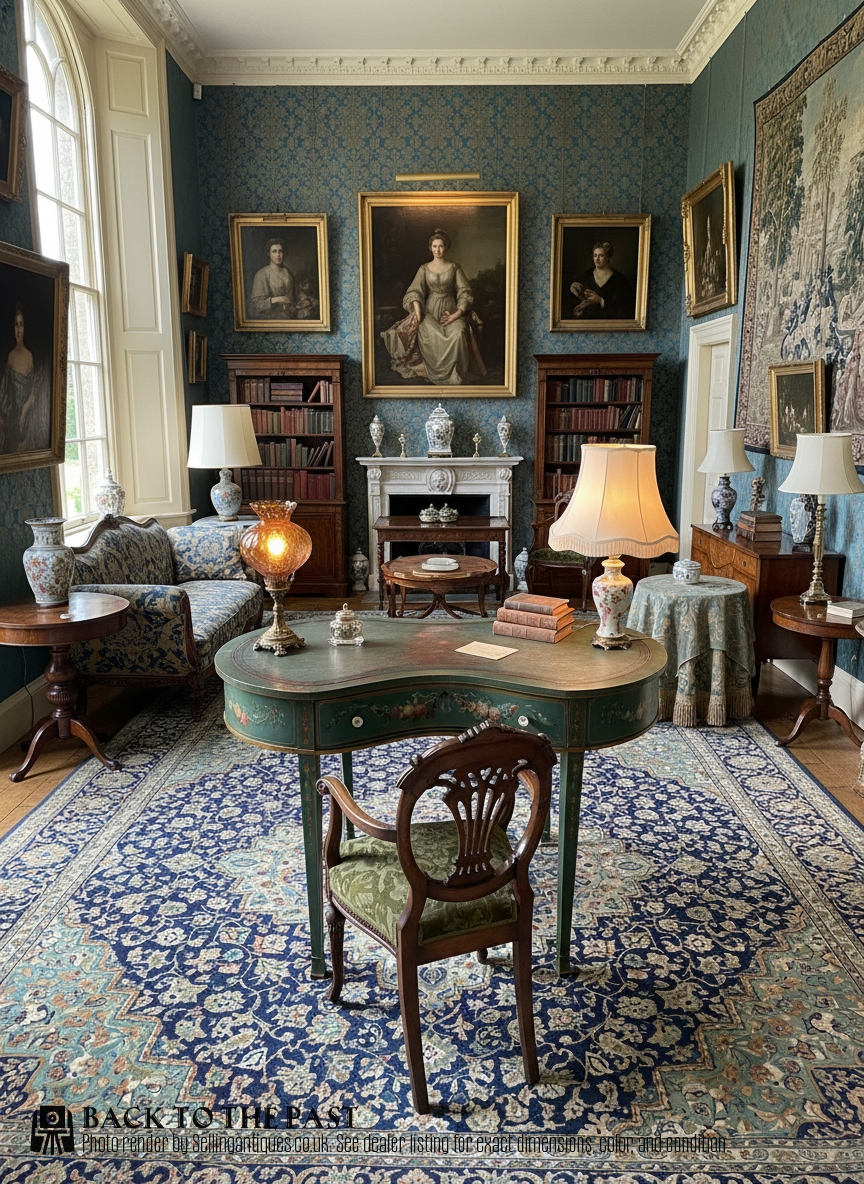
Victorian Painted Writing Table
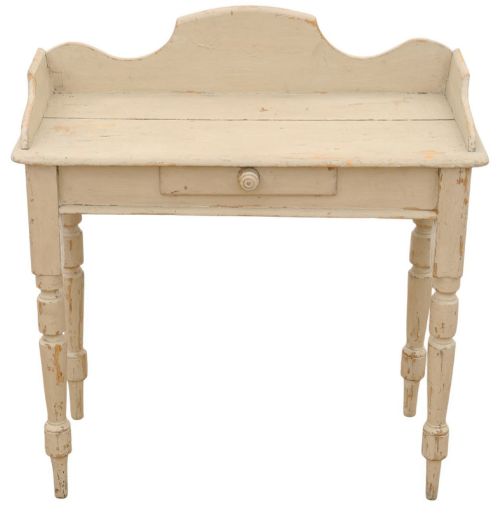
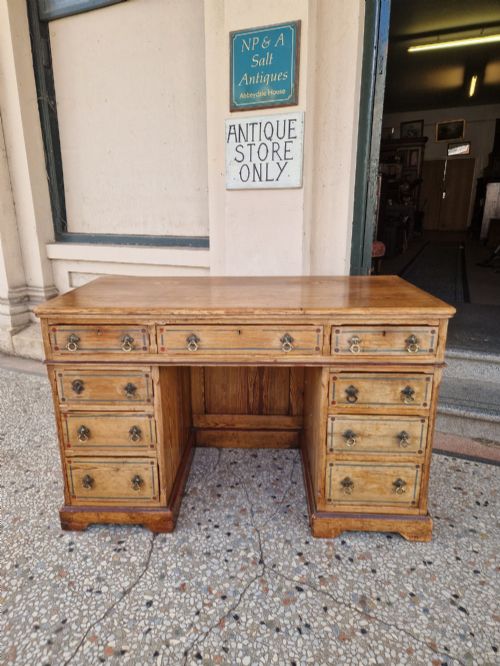
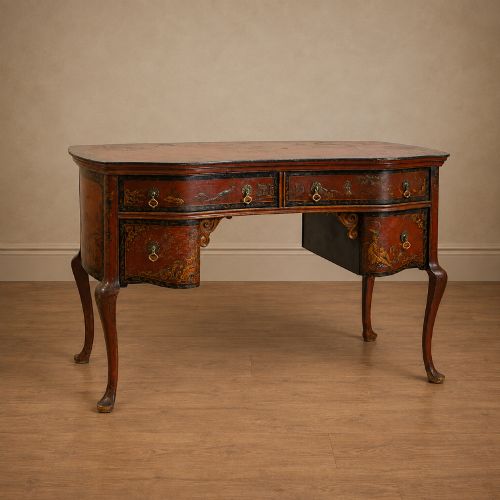
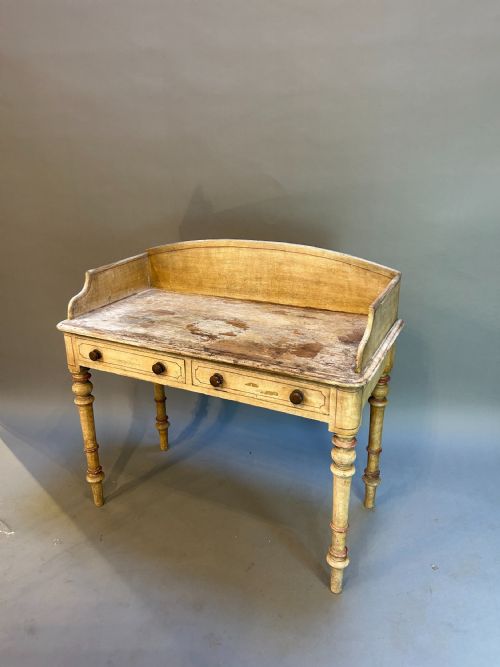
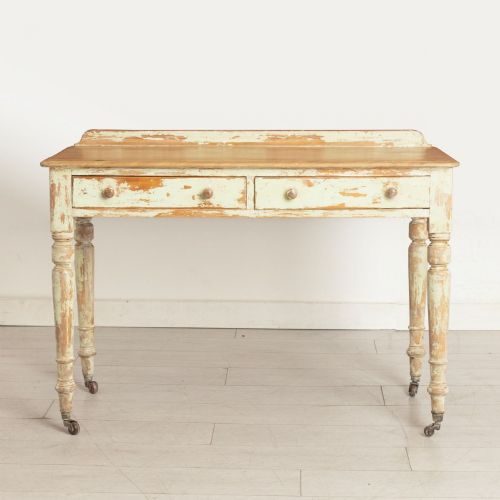
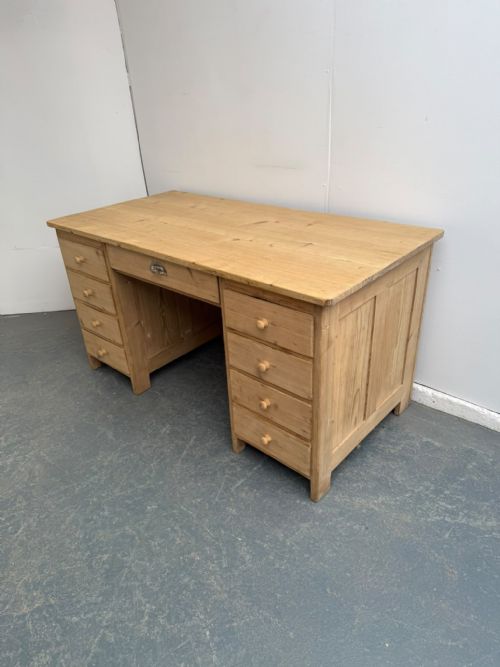
A victorian painted writing table combines the practical surface needed for correspondence with decorative painted finishes that range from simple country pine to sophisticated satinwood and lacquer work. When you search for a victorian painted writing table, you encounter forms spanning standard desks, knee-hole configurations, and kidney-shaped dressing tables from the nineteenth century.
The pieces appearing on this page stretch across the Victorian era into the late nineteenth century, taking shape in styles such as Arts and Crafts, Chinoiserie, and English Country. Many examples employ timber like pine, mahogany, or satinwood beneath their decorative paint layers, serving as both functional workspaces and focal points within a room.
Materials and construction
Makers utilised solid timbers including pine, mahogany, birch, and satinwood for the structural carcasses and writing surfaces of these desks. Brass hardware often appears on drawer pulls and key escutcheons, providing functional contrast to the wooden frames.
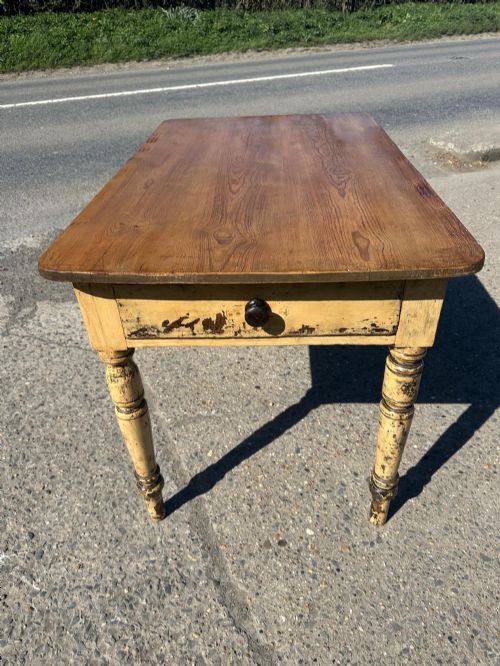
Surface decoration relies on applied paint, hand-decoration, and lacquer finishes, sometimes incorporating specialised techniques such as Chinoiserie detailing. Tables designed for daily utility often pair sturdy pine legs with panelled bodies built to withstand regular use.
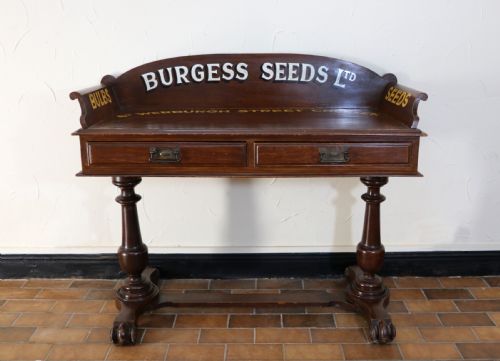
One unexpected mahogany side table bears sign writing from the Midland Grand Hotel, hinting at its past life in a bustling railway terminus.
Distinctions in quality
The sophistication of the surface decoration separates standard utilitarian pieces from more ambitious decorative works. Hand-decorated satinwood and intricate lacquer finishes demonstrate a higher level of artisan investment than plain pine treated with simple painted legs.
Structural complexity also dictates the tier of a piece, moving from straightforward single-drawer side tables to large multi-drawer knee-hole desks and kidney-shaped forms that demand precise cabinetry.
Heal & Sons
The Victorian Painted Writing Table Glossary
- Kidney-shaped
- A desk or table featuring a curved, concave front resembling a bean, popular for dressing and writing furniture.
- Satinwood
- A hard, durable timber with a natural golden sheen and satin-like lustre, frequently utilised for fine nineteenth-century cabinet work.
- Chinoiserie
- European decorative style employing imagined Chinese motifs, often rendered in lacquer on furniture surfaces.
- Knee-hole
- A desk or table design featuring a central recess beneath the writing surface for the user's legs, flanked by banks of drawers.
- Bonheur du jour
- A small, light nineteenth-century writing desk featuring a tiered superstructure with shelves and small drawers above the main surface.
Victorian Painted Writing Table: Frequently Asked Questions
What defines a victorian painted writing table?
A victorian painted writing table is a nineteenth-century desk featuring a finished writing surface combined with decorative painted wood surfaces.
These pieces range from simple pine country tables to refined satinwood and kidney-shaped desks.
How were these tables used originally?
They served primarily as functional workspaces for letter writing, record keeping, and correspondence in nineteenth-century homes and offices.
Many double as dressing tables or side tables depending on their specific configuration and drawer arrangements.
Where do these tables fit in a modern room?
They function effectively as compact home office desks or decorative console surfaces in living areas and hallways.
Their painted finishes allow them to introduce colour and texture while maintaining a traditional silhouette.
How do I identify a late nineteenth-century piece?
Late period examples often incorporate stylistic elements from the Arts and Crafts movement, Chinoiserie revivals, or aesthetic design.
Materials such as satinwood and specific kidney-shaped profiles commonly align with the later decades of the era.