
Victorian Painted Pine Table
A victorian painted pine table brings honest utility and vernacular character to a room through centuries of working history.
Victorian Painted Pine Table
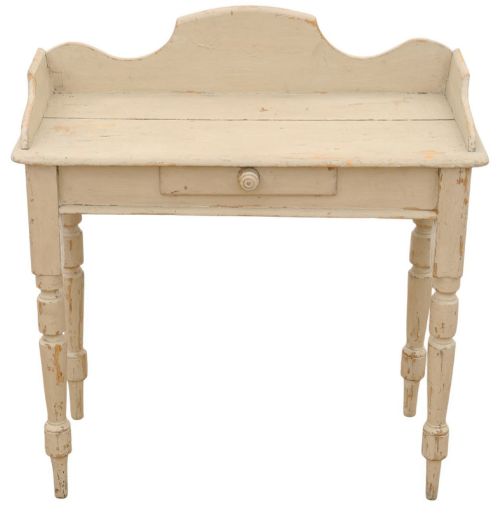
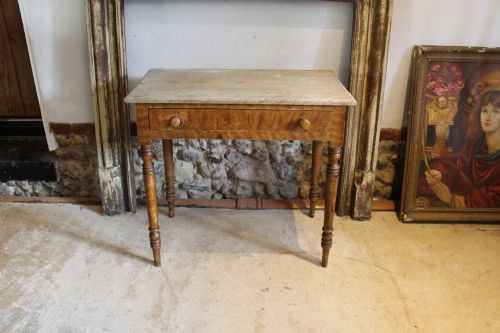
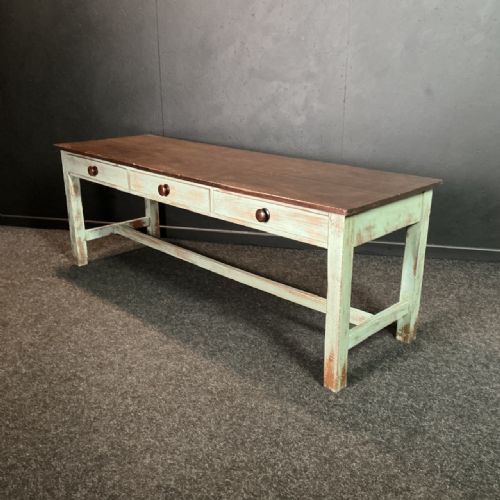
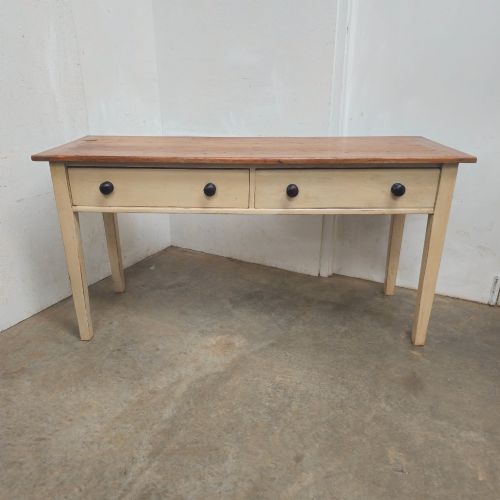
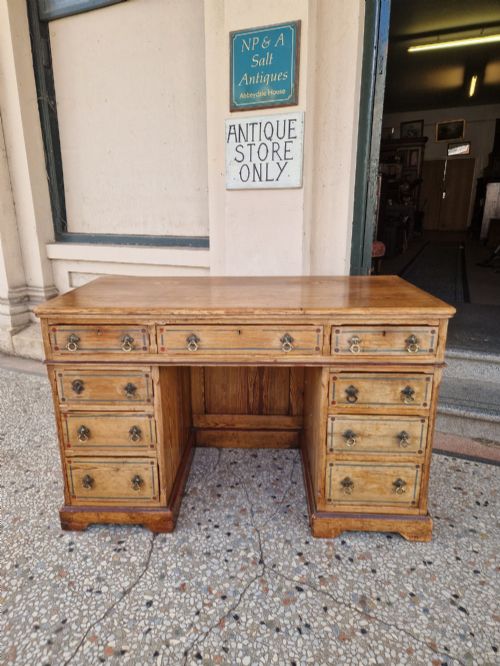
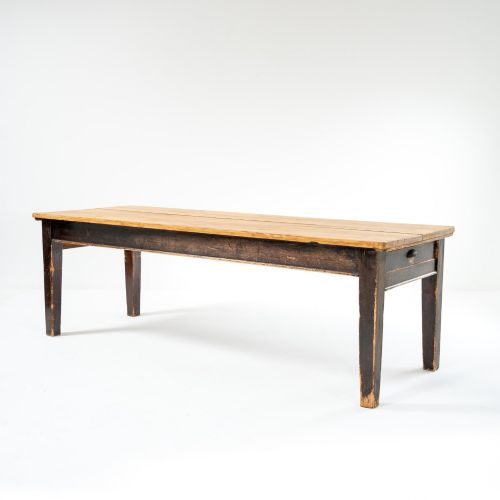
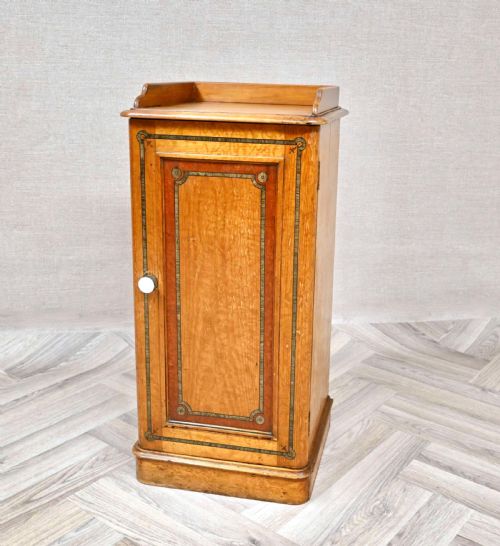
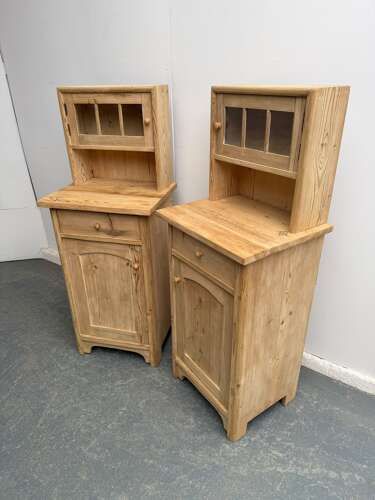
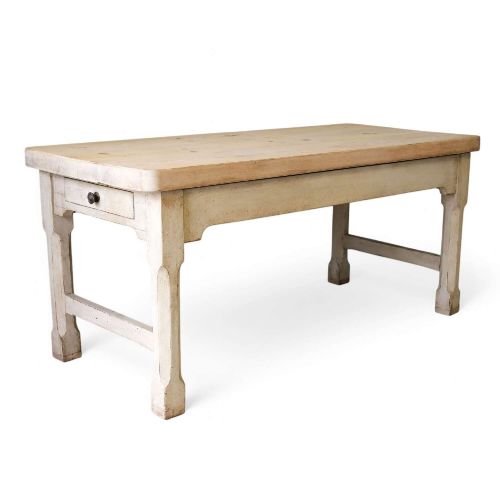
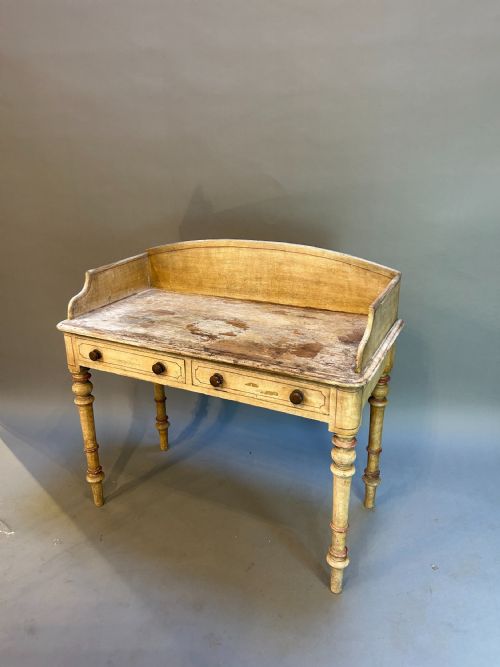
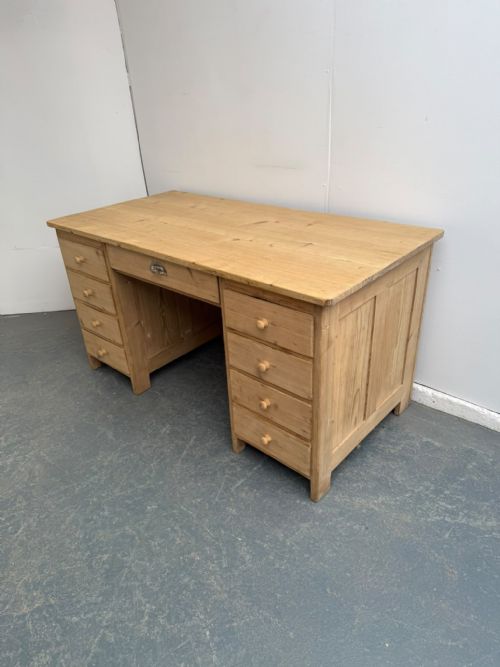
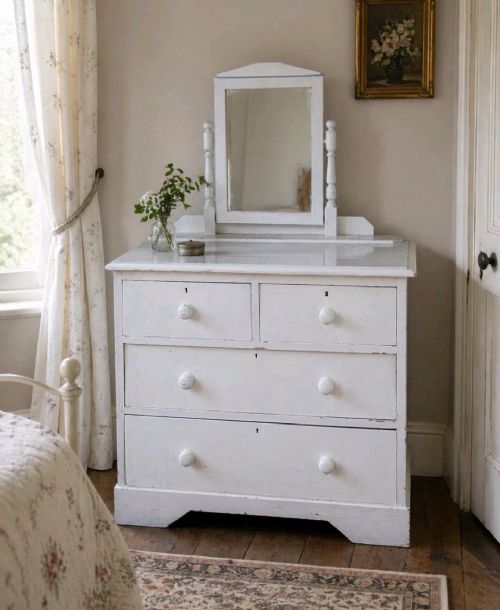
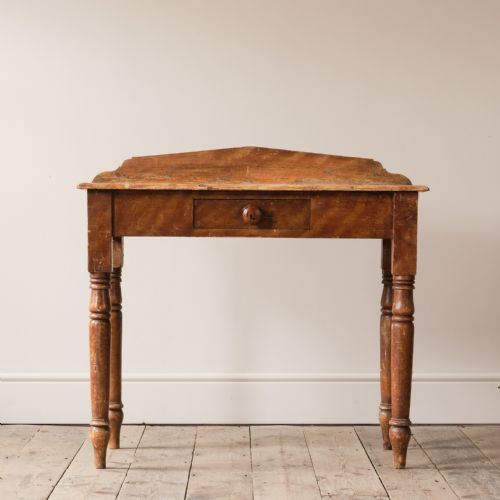
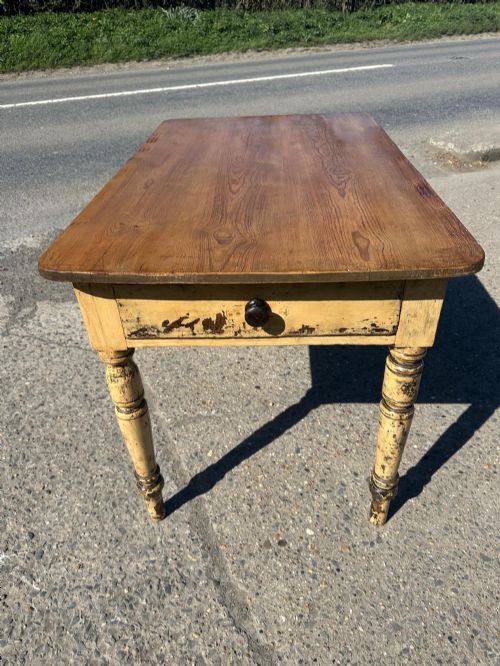
When searching for a victorian painted pine table, buyers encounter a diverse group of domestic and utility furniture originating from the nineteenth century. These pieces encompass large kitchen and harvest tables alongside smaller writing tables, side tables, and washstands. The surface treatment distinguishes them, moving from layers of accumulated historic paint to deliberate scumble glazes and grain finishes.
Kitchen and prep formats dominate the selection, built for heavy daily use in country houses, dairies, and farmhouses. Alongside these utilitarian items, dressing tables and console tables reflect more genteel domestic spaces of the period. The common thread remains the pine carcass, chosen for its availability and strength, finished with decorative or protective coats of paint.
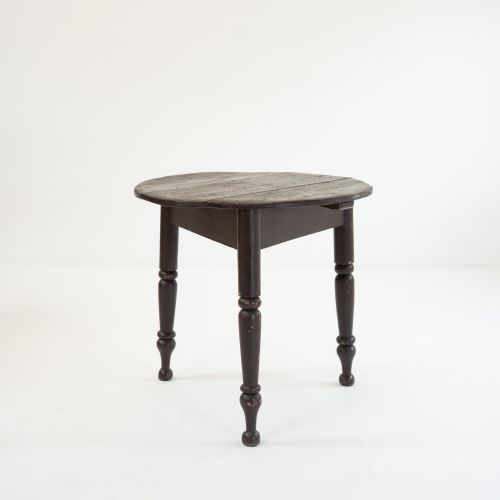
Regional variations appear across the inventory, including Welsh tavern tables with distinct frame structures and Scottish dairy forms. These pieces bridge the gap between vernacular craftsmanship and Victorian industrial expansion, often retaining the marks of active working environments. Selecting a piece involves weighing the integrity of the original paint finish against later decorative over-painting.
How they were made
Makers constructed these tables predominantly from solid pine, utilising jointing methods suited to heavy daily wear such as pegged mortise and tenon joints. Table tops frequently featured unpainted scrubbed pine designed for rigorous cleaning, while bases received coats of lead-based paint, scumble, or faux finishes to imitate more costly timbers. Secondary woods like oak or pitch pine occasionally reinforced high-stress areas.
Surface preparation involved applying multiple layers of pigment mixed with oil or water binders, sometimes layered over decades of use. Craftsmen employed scumble techniques using combs and feathers to create simulated wood grains like maple or acacia on the pine substrate. Where marble tops were integrated, fitted wooden frames supported the stone inserts securely within the console or washstand structure.
One persistent Victorian kitchen hand managed to record the date 1892 neatly inside a set of pine table top drawers.
What varies in quality
The distinction between ordinary and exceptional examples rests primarily in the survival of untouched original paint surfaces. Tables retaining their authentic nineteenth-century pigment layers, with natural wear patterns and minimal intervention, command greater interest than those stripped or repeatedly recoated. Structural proportion also dictates quality, where slender turned legs or balanced X-frames harmonise with the top dimensions.
Joinery execution sets the hierarchy among utilitarian furniture, distinguishing robust country workshop production from standard commercial output. Superior pieces display thoughtful detailing such as dovetailed drawer linings and well-integrated bread-board ends that accommodate timber movement. The presence of documented maker signatures or distinct regional vernacular traits further elevates a piece above standard domestic utility furniture.
Heal & Sons
The Victorian Painted Pine Table Glossary
- Scrub top
- A bare wooden table top left unfinished to permit frequent scrubbing with sand and water. This treatment was standard for dairy and kitchen tables where hygiene took priority over polished surfaces.
- Scumble
- A translucent layer of dark paint manipulated over a lighter ground colour to simulate wood grain or figure. Craftsmen utilised this technique on pine to mimic expensive hardwoods like oak or walnut.
- Bread-board end
- A transverse piece of timber fixed across the ends of a solid wood table top to prevent warping. The tongue-and-groove joint allows the main planks to expand and contract naturally.
- Vernacular furniture
- Domestic items built by local craftsmen using regional traditions and readily available materials rather than following metropolitan fashion. Pine tables from Wales and Scotland frequently display these distinct local traits.
- Washstand
- A dedicated piece of bedroom furniture designed to hold a basin, jug, and washing accessories. Victorian examples in pine often incorporated marble tops or tiled splashbacks to resist water damage.
Victorian Painted Pine Table: Frequently Asked Questions
How do I clean a painted pine table?
Maintenance requires gentle dusting with a dry cloth and avoiding harsh chemical cleaning agents that dissolve historic finishes.
Wax can be applied sparingly to unpainted wooden sections, while painted surfaces benefit from occasional wiping with a barely damp cloth.
Were these tables used in kitchens?
Many examples served as primary workspace furniture in farmhouse kitchens, dairies, and sculleries for food preparation.
Their robust pine construction and scrubbed timber tops were specifically chosen to withstand heavy daily domestic labour.
How can I spot original paint?
Original paint exhibits natural craquelure, soft wear around edges where hands touched the wood, and multiple microscopic layers beneath the surface.
Modern repainting often appears uniform, lacking the subtle tonal variations and embedded dirt accumulated over decades of use.
Can I use a console table for dining?
Console tables and side tables are generally too narrow and lack the leg clearance required for comfortable dining.
Buyers should check the height and depth dimensions carefully before attempting to use smaller side or writing formats as dining surfaces.