
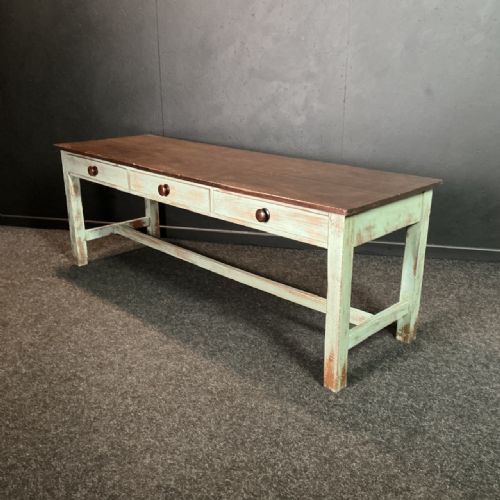
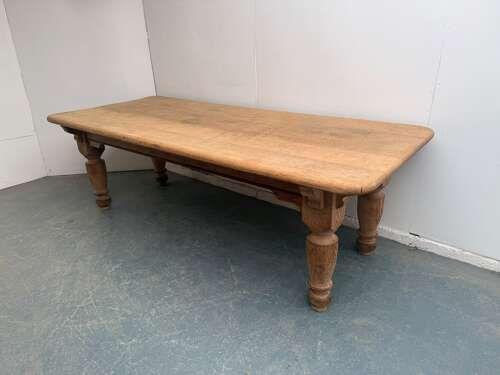
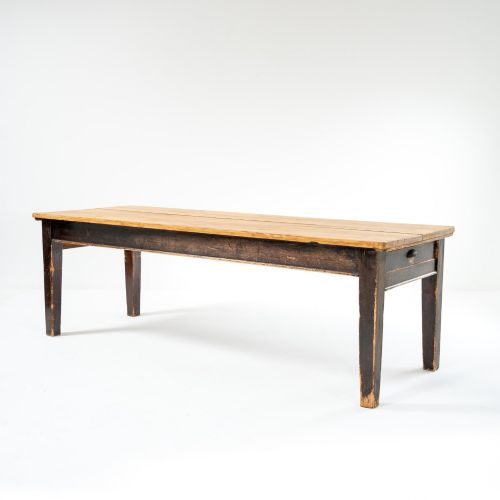
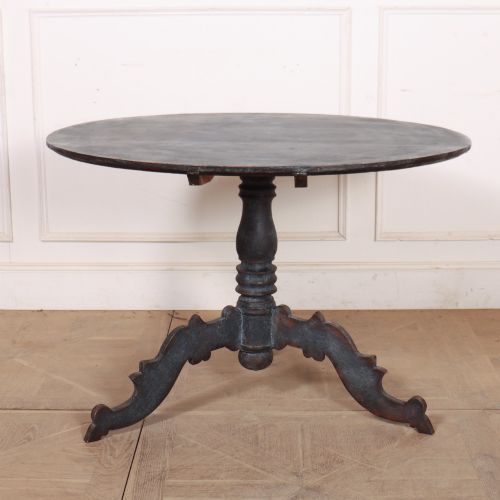


Rustic Painted Dining Table
A rustic painted dining table brings immediate warmth to a room, offering practical surface space combined with the character of aged timbers and traditional pigment.
Rustic Painted Dining Table
A rustic painted dining table sits at the heart of country houses, farmhouses, and taverns, serving as a robust gathering place for daily meals and domestic work. These pieces combine utilitarian forms with surface treatments that reveal decades of household use.
The versions met most frequently on this page date from the nineteenth century, built primarily from pine and oak with scrubbed wooden tops and painted bases. Regional variations span English farmhouse designs, Welsh tavern tables, and Scandinavian country styles.
Forms range from long refectory and harvest tables to drop-leaf supper tables and X-frame trestles, accommodating various room proportions. Each object reflects the vernacular building traditions of its specific origin.
Makers focused on utility, constructing sturdy frames using timber planks and iron bracing where necessary, finished with layers of historical paint or Falu red coatings.
Materials and Construction
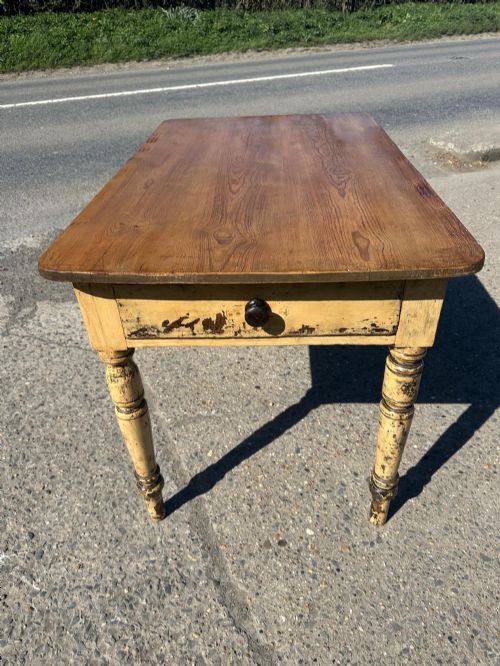
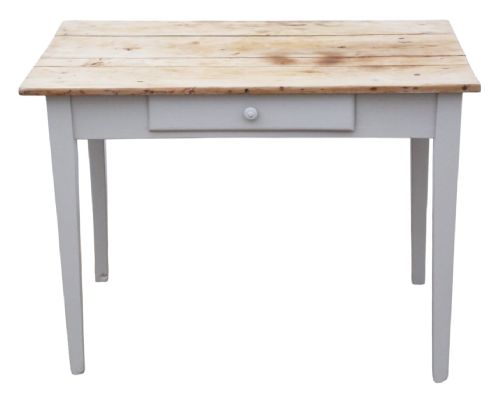
Carpenters relied on softwood pine and sturdy hardwoods like oak and teak, joining thick planks to form heavy table tops that withstood daily labour. Scrub-top surfaces were left bare for vigorous scrubbing, while bases received protective coats of paint.
Traditional joinery included cleated ends, drop-leaf mechanisms, and X-frame trestle supports secured with wooden pegs or iron fixings. Structural integrity depended on simple, honest construction designed to last through generations of heavy use.
Pigments applied to legs, aprons, and folding mechanisms included oil-based paints, red Falu paint, and layered historic colours that developed rich patinas over time.
Certain tables carry layers of old paint recording every time a past owner fancied a fresh kitchen colour scheme.
Assessing Quality and Character
Quality rests in the originality of the painted surface and the integrity of the timber, distinguishing pieces retaining untouched historic pigment from later cosmetic decoration. Proportion and balance between the scrubbed top and the painted base dictate visual appeal.
Construction details such as two-plank tops, pegged joints, and retaining drawers indicate superior workshop origin rather than mass production. The depth of the accumulated patina tells an authentic story of domestic history.
The Rustic Painted Dining Table Glossary
- Scrub-top
- A wooden table top left unpainted and subjected to repeated scrubbing with water and sand to keep it clean. This process bleaches the timber to a pale, smooth finish.
- Falu paint
- A traditional deep red Swedish paint containing copper mine residue, utilised for its preservative qualities on wood. It creates a matte finish that weathers distinctively.
- Refectory table
- A long, narrow dining table originally designed for communal eating in monasteries or large halls. They feature sturdy stretcher bases to prevent wobbling on uneven floors.
- Slagbord
- A traditional Scandinavian drop-leaf table utilising swing-out legs to support the folding leaves. This clever mechanism allows the table to expand for dining and shrink for storage.
- Trestle table
- A table comprising two or more support frames connected by a horizontal beam or stretcher. This design maximises legroom for diners seated along the length.
Rustic Painted Dining Table: Frequently Asked Questions
How do I clean a scrubbed top table?
Clean the bare wooden surface using warm water and a stiff natural bristle brush, following the grain of the timber. Avoid harsh chemical detergents that can strip the natural oils from the aged pine or oak.
Dry the surface thoroughly with a clean cloth after washing to prevent moisture marks. Applying a neutral beeswax periodically helps protect the wood without altering its pale, historic appearance.
Are original painted bases durable for daily dining?
Historic paint finishes found on these tables possess surprising durability, having survived decades or centuries of domestic use. Gentle handling ensures the original pigment remains intact during everyday meals.
Use placemats and coasters to protect both the scrubbed top and the painted aprons from heat and moisture rings. Regular dusting with a soft dry cloth is sufficient for routine maintenance.
How can I tell an older pine table apart?
Examine the construction methods, tool marks, and fasteners used in the frame, as hand-sawn timbers and handmade nails indicate nineteenth-century or earlier origins. The depth of the timber grain and the presence of accumulated layers of old paint provide reliable clues to age.
Genuine antique tables display natural wear patterns around the edges and stretcher bars where feet rested. Uniform surfaces without natural indentation often suggest later reproduction pieces.
What rooms suit a folding or drop-leaf table?
Drop-leaf and folding tables suit compact dining spaces, kitchens, or multi-use rooms where floor space changes throughout the day. The leaves drop down to create a narrow console or prep table when dining space is not required.
Selecting a piece with a painted base adds vertical colour interest to smaller spaces while maintaining full functionality. Ensure the drop-leaf hinges and swing-out legs operate smoothly before placing the table in daily service.